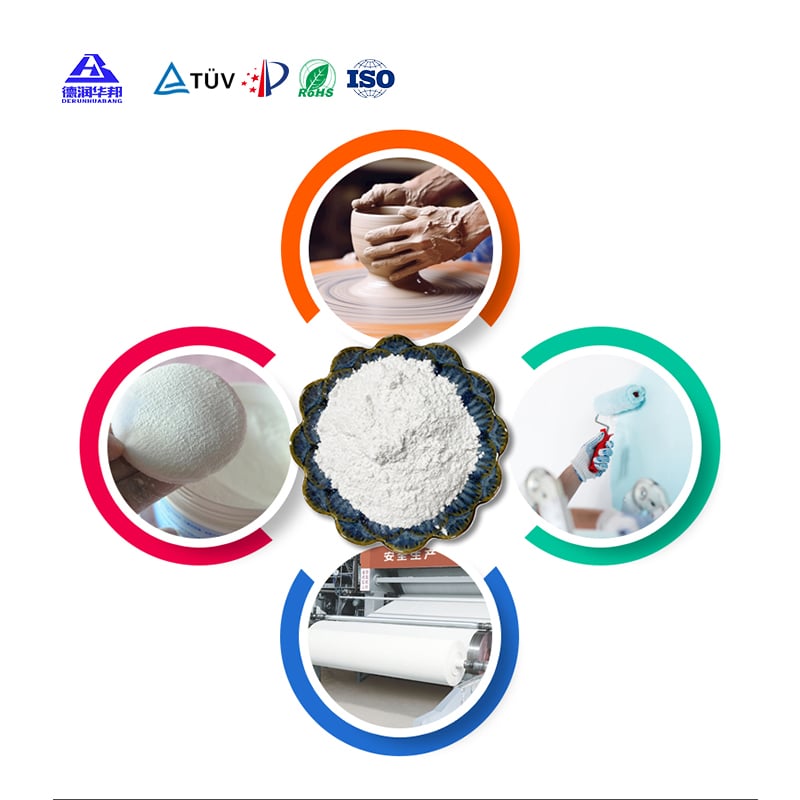
Architectural Coatings: Hiding Power and Scrub Resistance
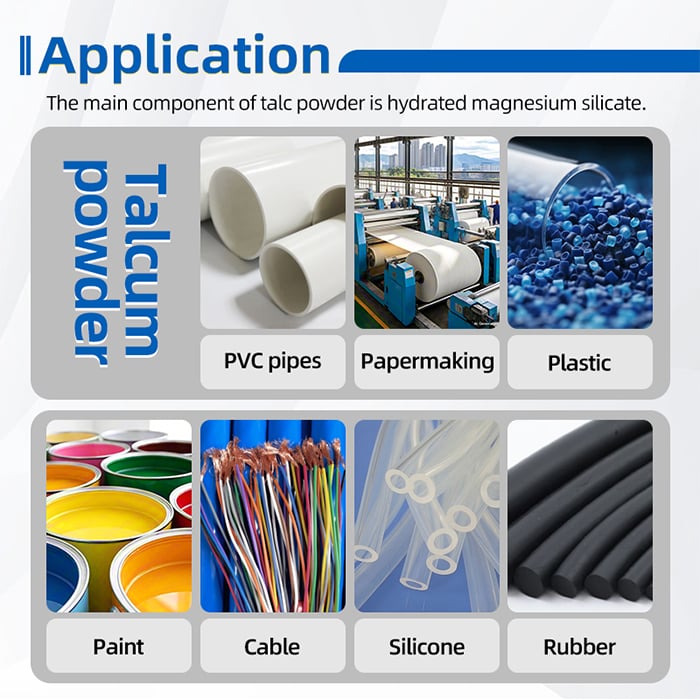
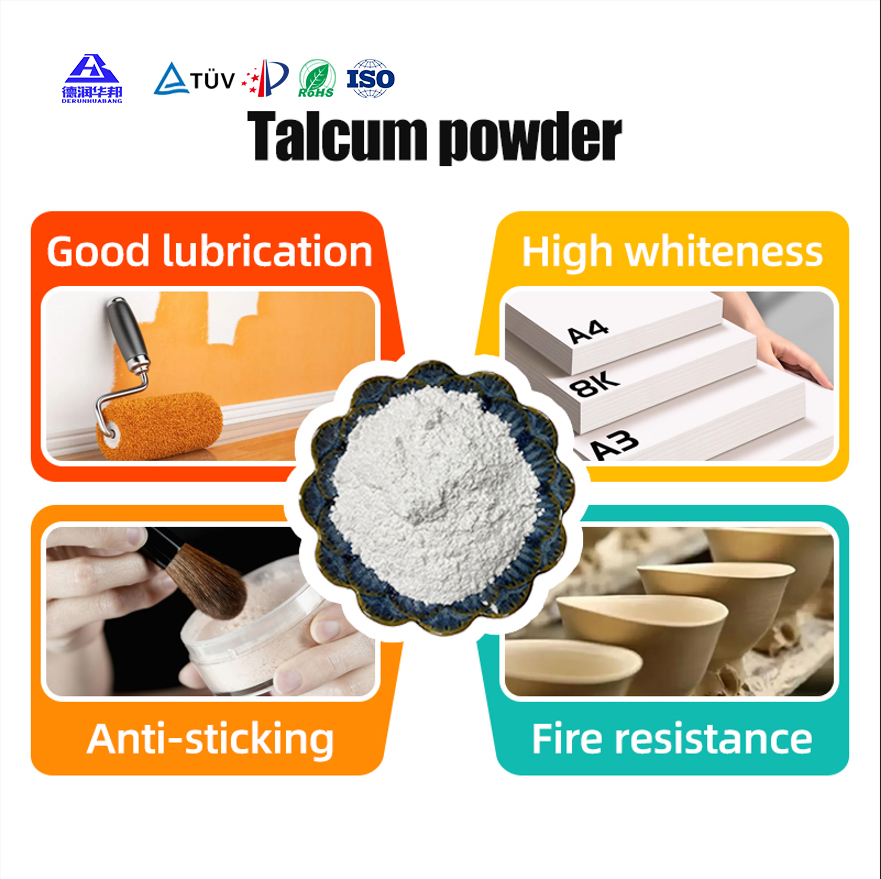
In architectural coatings such as exterior wall latex paints and interior wall decorative paints, industrial-grade talc powder plays a pivotal role in enhancing coverage and hiding power. Insufficient coverage typically necessitates multiple paint applications to achieve uniform color, leading to increased material consumption and labor costs. Incorporating 10%-18% of industrial-grade talc powder with a particle size of 800-1500 mesh into latex paint formulations leverages the lamellar structure of talc. The overlapping of these lamellar particles forms a dense film, boosting the paint’s hiding power by 25%-40%. A Chinese coating manufacturer's test with 1200-mesh talc powder in exterior wall latex paint demonstrated remarkable results: the paint achieved full coverage on concrete walls in a single coat, compared to two coats required for talc-free formulations. This not only reduced paint usage by 30% but also expedited the construction process.
Talc powder also significantly improves the scrub resistance of architectural coatings. Latex paints containing talc powder can endure over 5000 scrub cycles (in accordance with GB/T 9266) without fading or peeling, far surpassing the 2000-3000 cycles of standard paints. This enhanced durability is particularly crucial for high-traffic areas like hallways and children’s rooms, where walls are prone to stains and abrasions.
Industrial Coatings: Corrosion Resistance and Adhesion
For industrial coatings applied on metal structures, machinery parts, and equipment surfaces, industrial-grade talc powder is instrumental in enhancing corrosion resistance and adhesion. Industrial coatings must shield metal substrates from rust and chemical damage in harsh environments, such as factories or outdoor industrial zones. Adding 12%-22% of talc powder with a particle size of 1000-2000 mesh to epoxy or polyurethane industrial coatings creates a formidable barrier. This barrier effectively blocks moisture, oxygen, and corrosive substances from reaching the metal surface. A German machinery manufacturer applied talc-reinforced epoxy coating on steel machine frames, which withstood 5000 hours of salt spray testing (per ASTM B117) without signs of rust, compared to only 2000 hours for talc-free coatings.
Talc powder also improves the adhesion of industrial coatings to metal substrates. By increasing the surface roughness of the coating film, it elevates the pull-off adhesion strength from 5 MPa to 8-10 MPa, preventing the coating from peeling under mechanical stress or temperature fluctuations.
Wood Coatings: Surface Smoothness and Scratch Resistance
In wood coatings, including furniture lacquers and floor varnishes, industrial-grade talc powder serves to enhance surface smoothness and scratch resistance. Wood surfaces often feature small pores and imperfections that can mar the coating finish. Talc powder, acting as an effective filler, fills these pores, creating a smooth base for the topcoat. Adding 8%-15% of fine talc powder with a particle size of 1500-2500 mesh to wood primer formulations reduces surface roughness (Ra) to ≤0.5 μm, compared to 1.0-1.5 μm for talc-free primers. An Italian furniture manufacturer used 2000-mesh talc powder in wood furniture lacquers, resulting in a mirror-like smooth surface and a 25% increase in customer satisfaction scores.
Moreover, talc powder enhances the scratch resistance of wood floor varnishes. Varnishes containing talc powder can withstand over 3000 Taber abrasion cycles (per ASTM D4060) without visible scratches, extending the service life of wood floors from 5-8 years to 10-15 years.
Product Specifications and Grades
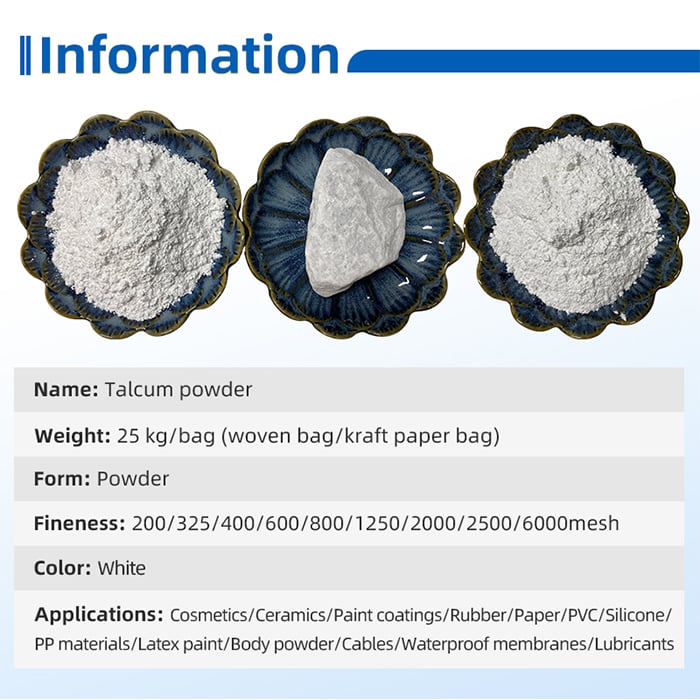
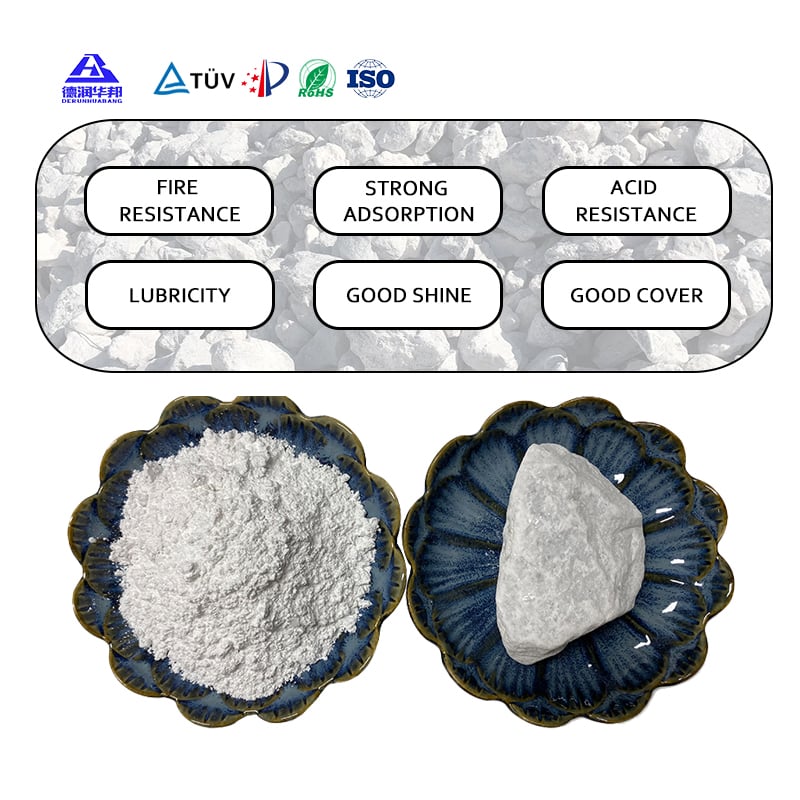
Our industrial-grade talc powder for coatings and paints is available in multiple grades tailored to diverse application requirements: 800-mesh for exterior wall paints, 1200-mesh for industrial coatings, 1500-mesh for wood primers, and 2500-mesh for high-gloss wood lacquers. Key technical specifications include a whiteness of ≥88%, moisture content ≤0.5%, oil absorption of 30-45 mL/100g, and a pH value ranging from 7.0-9.0 (neutral to slightly alkaline, ensuring compatibility with most coating resins).
Comprehensive Support and Supply Chain Management
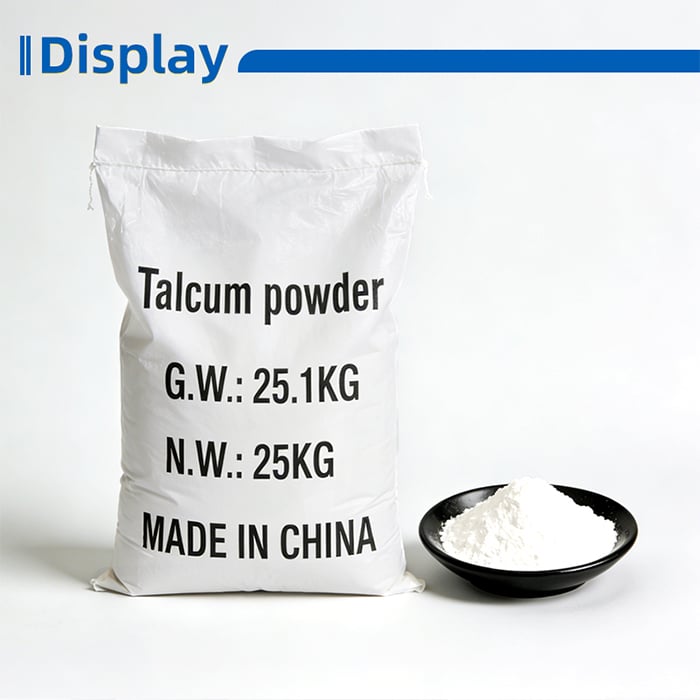
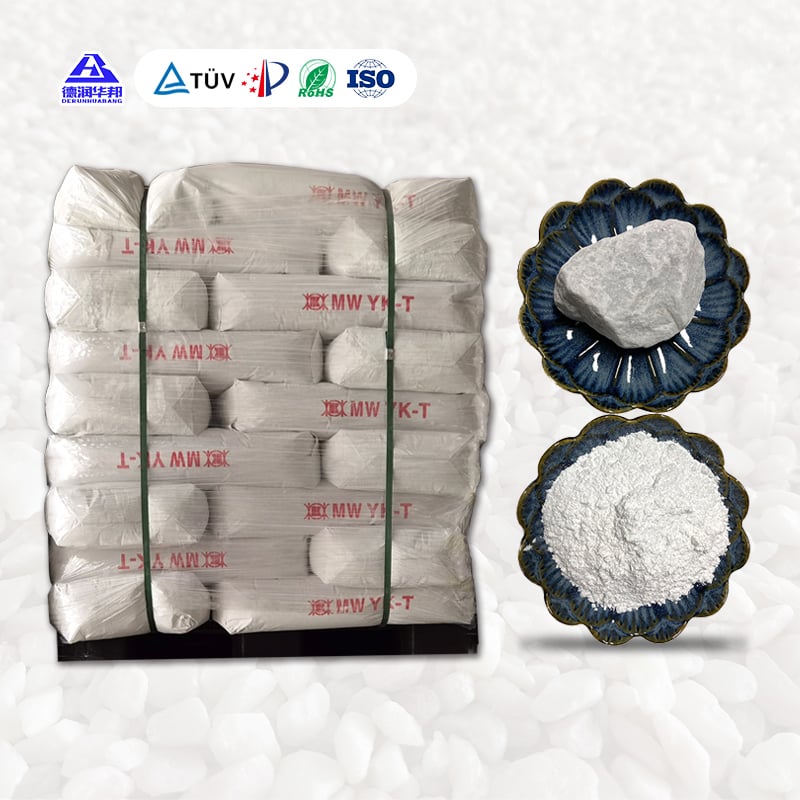
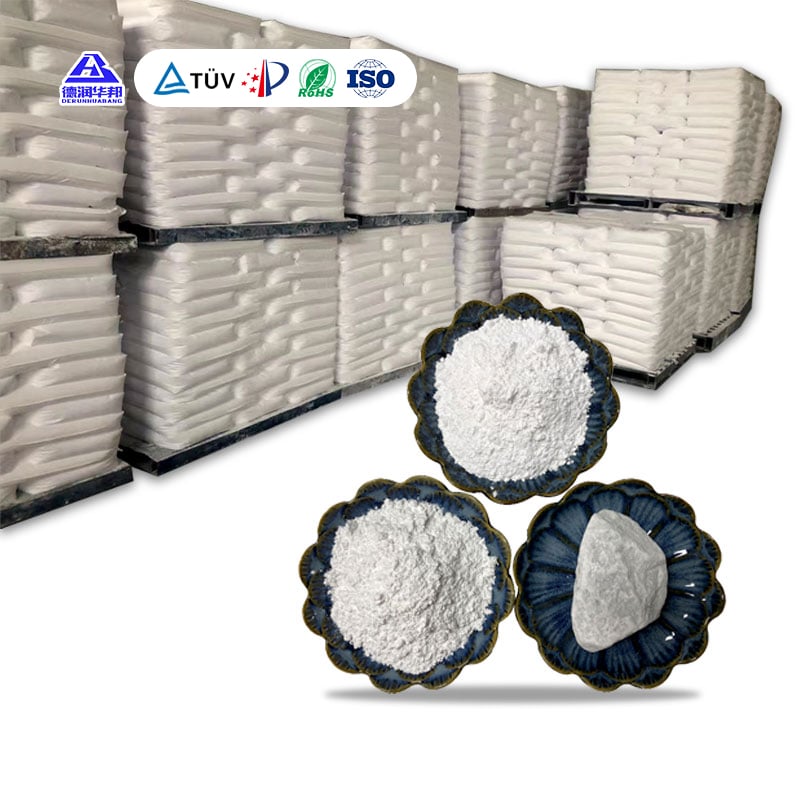
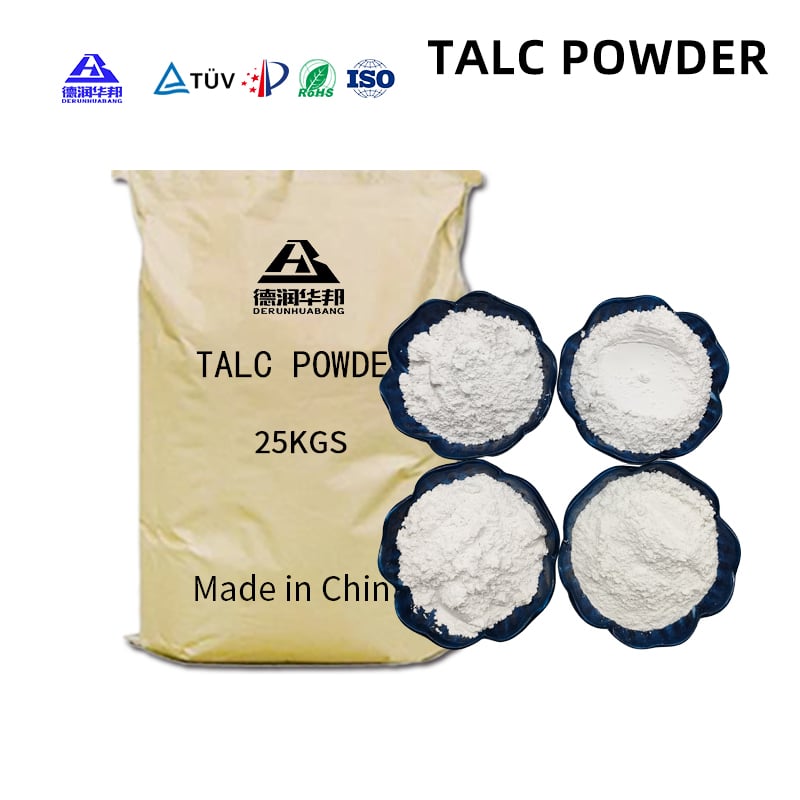
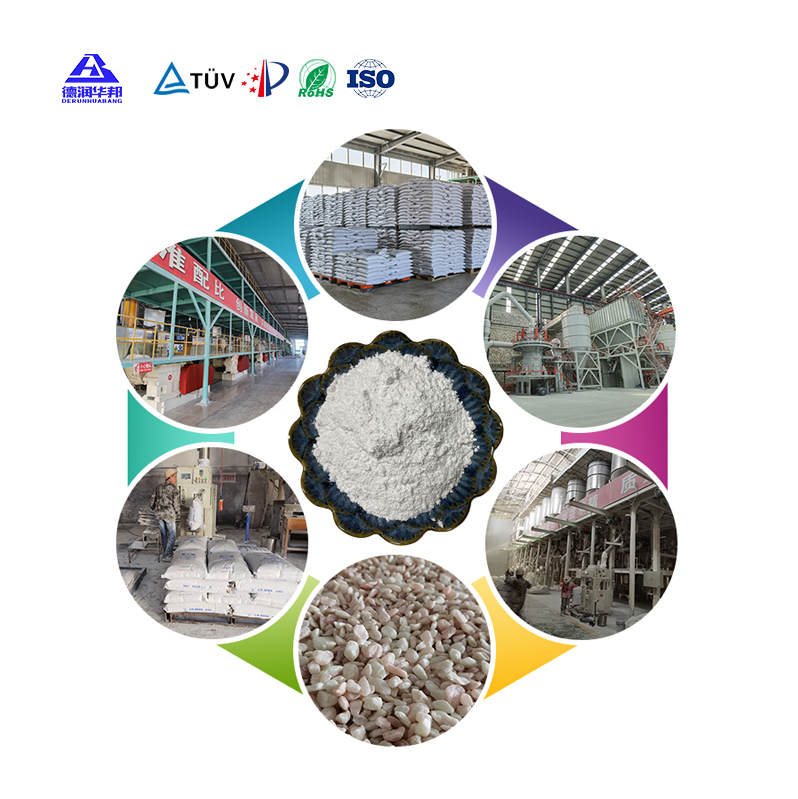
In logistics and supply chain management, we maintain substantial inventory levels to ensure a stable supply, even during peak production seasons. Our talc powder is packaged in 25kg moisture-proof kraft paper bags with inner PE liners or 1000kg bulk bags, catering to different customer needs. Collaborating with leading logistics providers, we offer flexible delivery options: air freight for urgent orders (3-7 days delivery) and sea freight for large bulk orders (15-35 days delivery to major ports worldwide). Our after-sales team conducts follow-ups post-delivery, gathering feedback on product performance and offering solutions to any application challenges. For long-term customers, we provide customized packaging and bulk pricing, helping them streamline their supply chains and reduce costs.
In conclusion, our industrial-grade talc powder's exceptional performance, cost-effectiveness, and broad compatibility have made it a trusted additive among coating manufacturers worldwide. Whether for architectural, industrial, or wood coatings, we are committed to delivering high-quality talc powder and professional services to help customers create coatings that meet the highest performance and aesthetic standards.
 ×
×