 ×
×
In an age where cities strive to blend beauty with functionality and sustainability, a remarkable material is quietly illuminating the path forward. Ceramic Luminescent Stone (CLS), a self-illuminating, human-made ceramic aggregate, is emerging as a transformative force in urban design, landscape architecture, and sustainable construction. Far from being a simple decorative element, this "starry path" technology represents a convergence of ancient luminescence principles and modern material science, offering a solution that is as practical as it is enchanting.
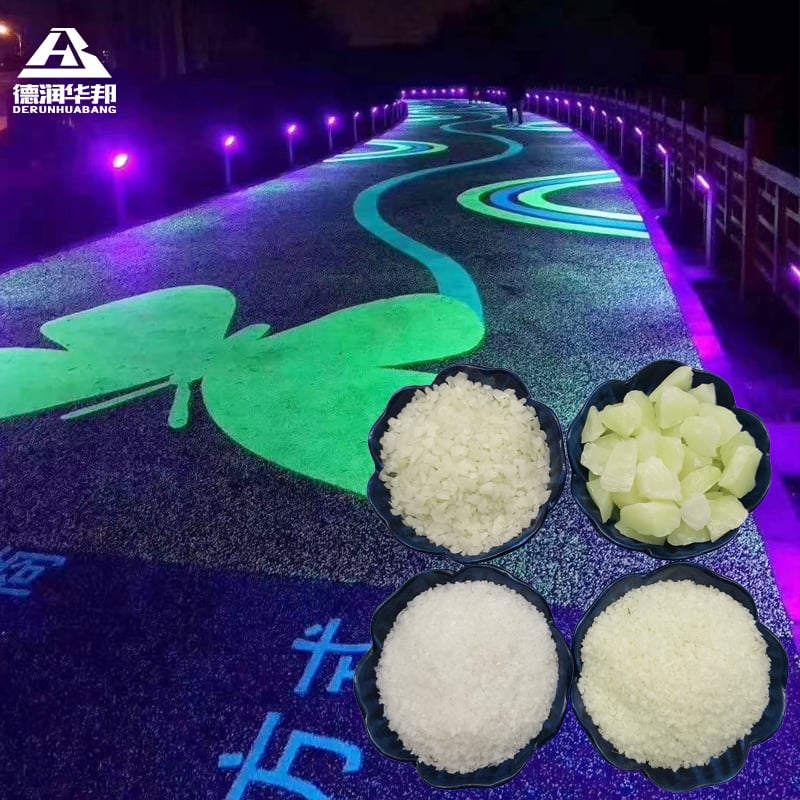
The magic of Ceramic Luminescent Stone lies in its sustainable illumination mechanism. Composed primarily of high-purity natural minerals and rare-earth elements, CLS is manufactured through a high-temperature sintering process. Its core function is photoluminescence: the stones absorb visible light energy—from sunlight or artificial sources—during the day and re-emit it as a soft, persistent glow for up to 10-12 hours after dark. This process requires zero electricity, generates no heat or emissions, and can be repeated nightly for years, with a typical service life exceeding a decade. This positions CLS not merely as an aesthetic choice but as a genuine off-grid lighting solution, reducing municipal energy consumption for pathway and park lighting.
Beyond its enchanting glow, CLS delivers tangible functional and safety benefits. When embedded in concrete or asphalt pavements, it creates continuous, low-level guidance systems for pedestrians and cyclists. In parks, plazas, and residential communities, these glowing pathways enhance nighttime navigation and security without the light pollution associated with standard street lamps. Applications extend to emergency egress routes in public buildings, hazard demarcation on low-speed roadways, and even artistic installations that transform public spaces after sunset. The material is also highly durable, resistant to weathering, UV degradation, and foot traffic, making it suitable for both interior and exterior applications.
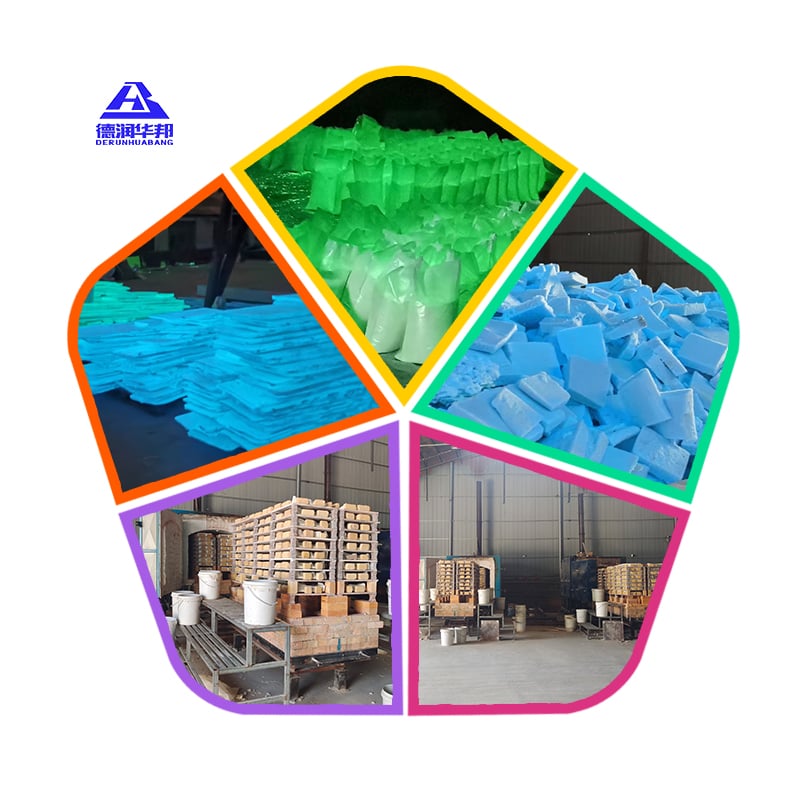
The production and application of CLS are witnessing rapid innovation and market expansion. Advanced manufacturing techniques now allow for a spectrum of glow colors—from classic aqua blue and green to warm white and even violet—enabling designers to create intricate patterns, logos, and thematic landscapes. The material is typically applied by manually or mechanically embedding the stones into the fresh surface of pervious concrete, epoxy resin, or specialized polymeric binders, followed by a protective sealant. Major Chinese manufacturers, pioneers in this field, have developed entire product ecosystems, including glow-in-the-dark ceramic tiles, sculptures, and safety signage, exporting this technology worldwide.
Driven by the global push for smart, resilient, and people-centric cities, the adoption of Ceramic Luminescent Stone is accelerating. It aligns perfectly with goals for reducing carbon footprints, enhancing public safety, and creating distinctive urban identities. From the glowing pathways of parks in Scandinavia to the artistic sidewalks in Asian metropolises, CLS is proving that infrastructure can be both profoundly useful and poetically beautiful. It is no longer just a novelty but a cornerstone material for the next generation of luminous, sustainable, and interactive urban environments.


