×
×
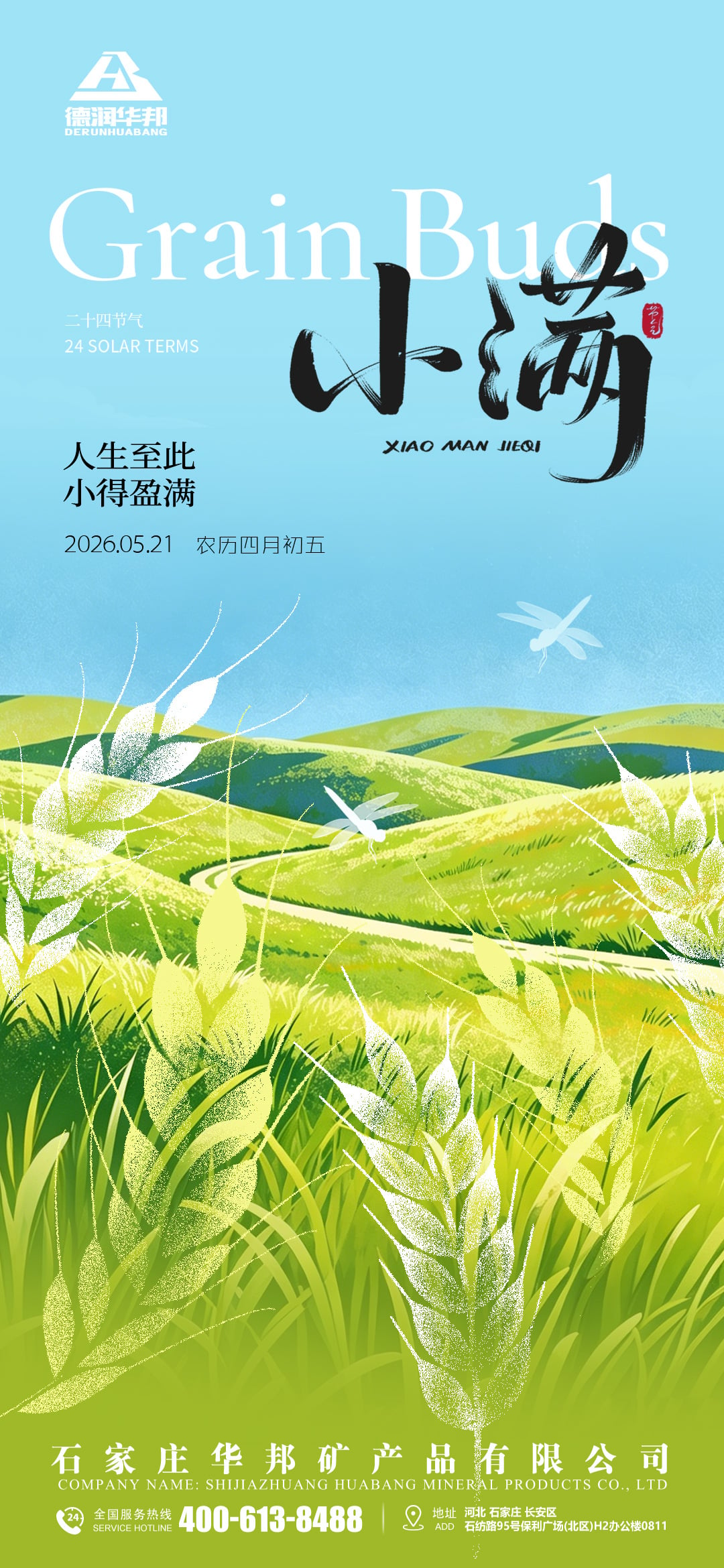
Among the twenty-four solar terms in the Chinese lunar calendar, Grain Buds (小满, Xiaoman) stands out not only for its agricultural importance but also for the deep wisdom hidden in its name. Arriving around May 21st, it marks the moment when grains like wheat and barley start to fill with milk but are not yet completely ripe. The character "小" (small) combined with "满" (full) creates a paradox — a fullness that is still incomplete.
This seemingly simple concept carries profound meaning. In Chinese philosophy, there is a saying: "Water becomes full and overflows; the moon becomes full and wanes." Grain Buds teaches us that the best state is not absolute fullness but a gentle, growing abundance. It is a time to be content yet keep striving.
Climatically, Grain Buds brings rising temperatures and frequent rain, creating ideal conditions for crops to thrive. Farmers consider this one of the busiest times of the year. In southern China, people begin harvesting rapeseed and planting rice. In the north, wheat fields turn golden, and the harvest is just weeks away.
Culturally, people eat bitter gourd and wild vegetables during this period, a tradition rooted in the belief that bitter foods help the body adapt to summer heat. Silkworm-raising families also hold special ceremonies to honor the silkworm goddess.
Grain Buds beautifully captures the essence of early summer — a season of hope, growth, and the quiet joy of things nearly, but not yet, complete.