 ×
×

As of April 2026, the global precipitated barium sulfate market is witnessing robust momentum, driven by rising demand from coatings, plastics, medical imaging, and specialty chemical industries. Latest data indicates a 4.6% year-on-year growth in market value during the first quarter, with projections suggesting the market will reach $2.56 billion by 2035, fueled by technological advancements and expanding industrial applications.
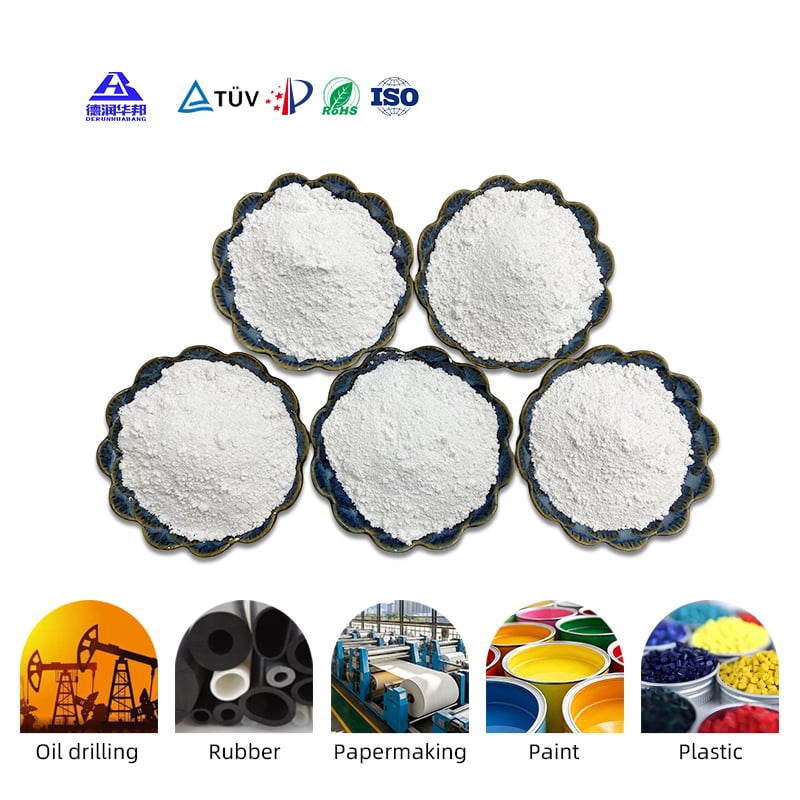
The paints and coatings sector remains the largest consumer, accounting for over 57% of total demand, where precipitated barium sulfate is valued for its high density, chemical inertness, and excellent dispersion properties. It enhances film strength, improves surface finish, and acts as a functional extender in high-performance coatings. Rapid industrialization in Asia-Pacific, particularly China and India, has accelerated infrastructure and manufacturing activities, directly boosting consumption of high-purity barium sulfate.
In the plastics and rubber industry, manufacturers are increasingly adopting precipitated barium sulfate to improve mechanical strength, dimensional stability, and X-ray opacity in products such as medical devices, automotive components, and packaging films. Its low abrasiveness and high filler loading capacity make it a preferred alternative to traditional fillers, supporting lightweighting and performance enhancement trends.
Innovation is reshaping the product landscape. A new generation of ultrafine precipitated barium sulfate has emerged, featuring D50 particle sizes below 0.3 microns, narrow particle distribution, and surface modification for superior compatibility with polymer matrices. These advanced materials are gaining traction in high-end applications, including lithium-ion battery separators, optical films, and radiopaque medical plastics, where precision and purity are critical.
Sustainability is a growing focus. Unlike conventional fillers derived from energy-intensive processes, modern production methods for precipitated barium sulfate—particularly the sulfate process—are being optimized for lower emissions and reduced environmental impact. Over 70% of leading producers have implemented closed-loop water recycling systems and are investing in green chemistry initiatives to meet stringent regulatory standards in Europe and North America.
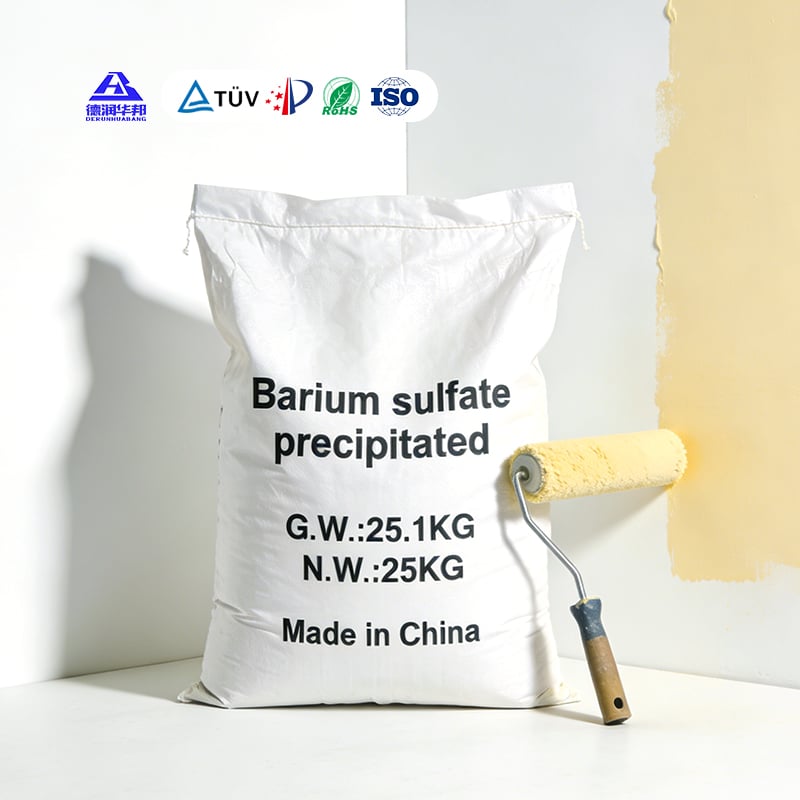
Supply chain resilience has improved, with key manufacturers expanding vertical integration and securing stable access to high-purity raw materials like barium sulfide and sulfuric acid. However, challenges persist, including fluctuating energy costs, environmental compliance pressures, and regional regulatory scrutiny on mining and chemical processing. In response, companies are establishing regional production hubs and enhancing digital quality control systems to ensure consistency and reduce lead times.
Industry experts emphasize that closer collaboration between material scientists and end-users will be essential for unlocking next-generation applications. Custom surface treatments, hybrid composites with nano-silica or titanium dioxide, and AI-driven formulation optimization are paving the way into emerging sectors, such as advanced electronics, 3D printing materials, and sustainable packaging with enhanced barrier properties.
With its functional versatility, environmental compatibility, and technological evolution, the precipitated barium sulfate market is positioned for long-term expansion, becoming an increasingly vital component in the global shift toward high-performance, sustainable, and innovative industrial materials.


