 ×
×
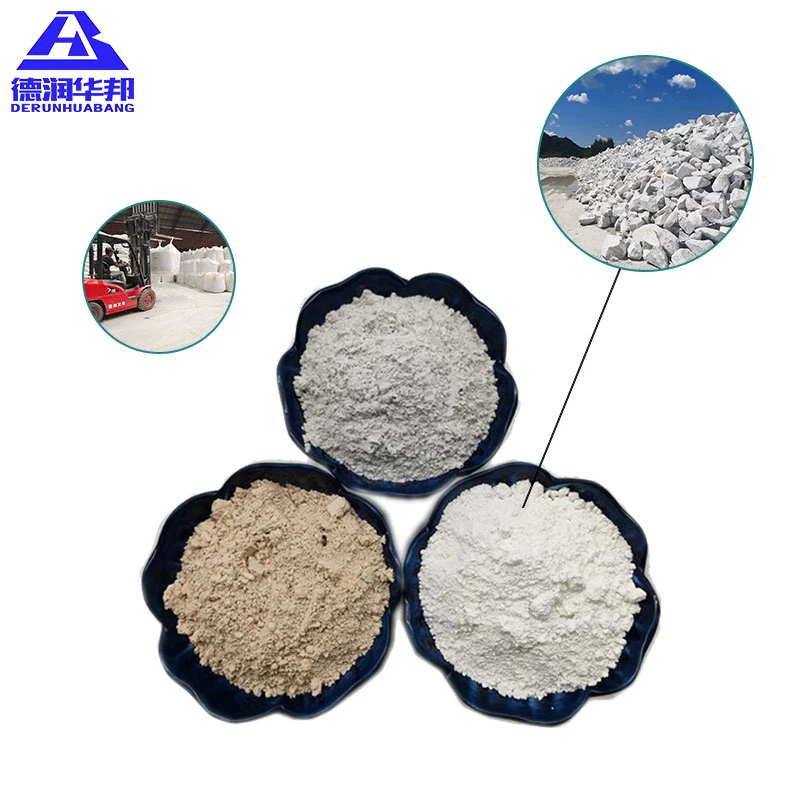
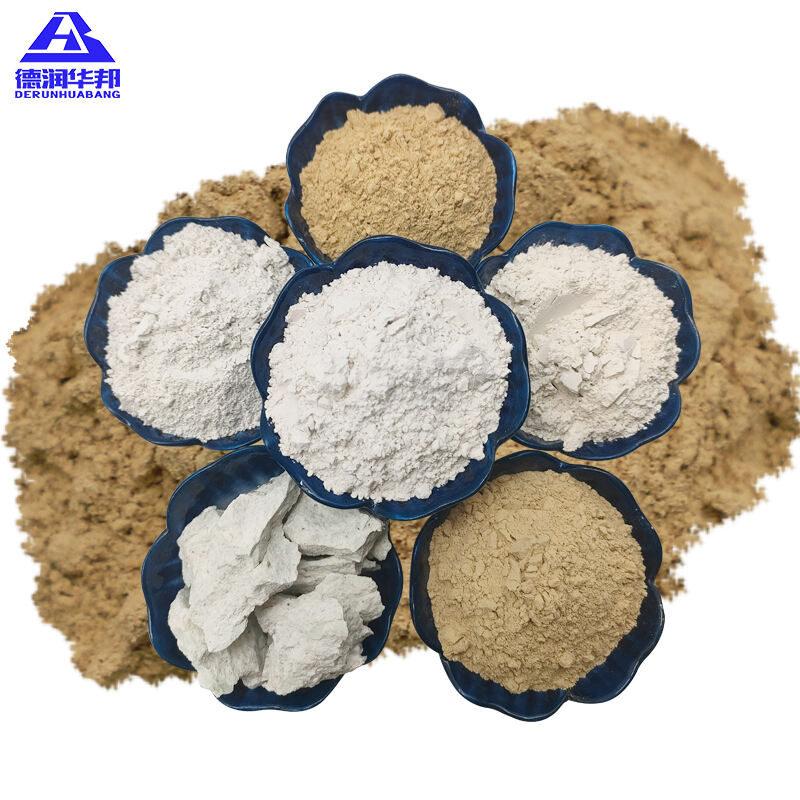
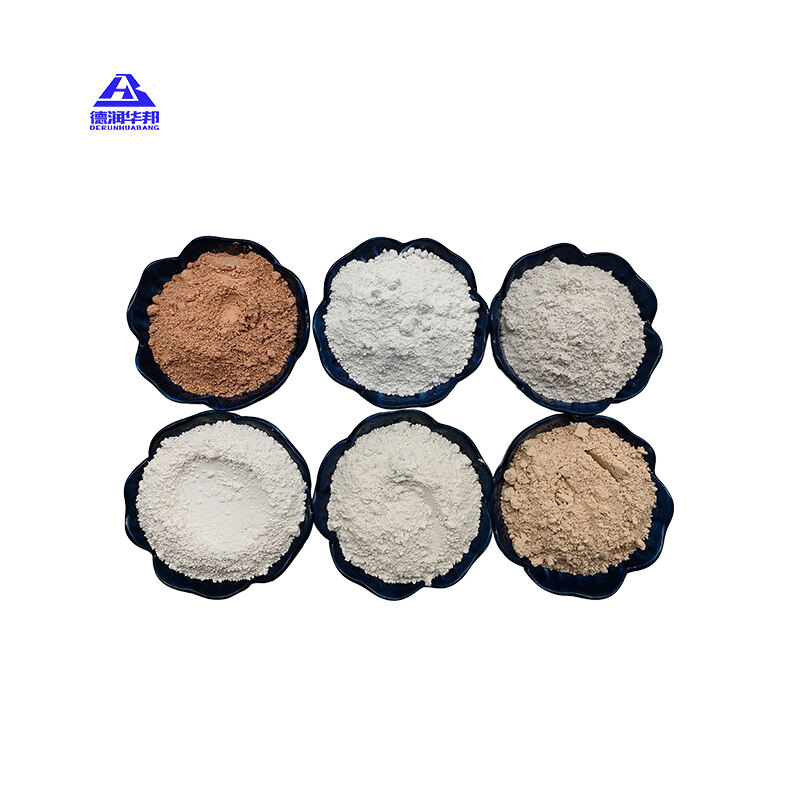
White barite is beautiful, highly collectible and a great addition to your mineral collection. This pretty mineral which has the shiny color of white, can also be discovered in different sectors and so it becomes an asset.
Applications of white barite White barite is used in various industries and has many practical usages. White barite is a common additive in cold cast resin casting to simulate crushed stone. This is to assist in well control and preventing blowouts. In medicine, white barite is a component in radiocontrast agents used in stomach and intestional X-ray procedures to enhance contrast. It is also an ingredient in paint and plastic, and is used to make rubber and ceramics.
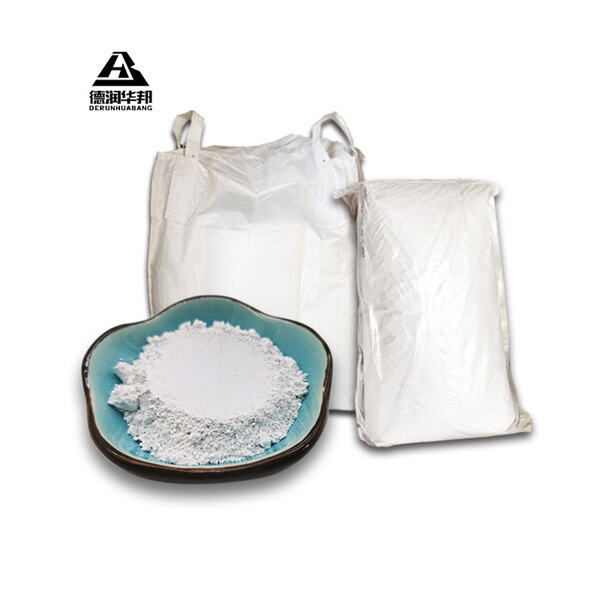
White barite is an important mineral as a cluster in the rosasite specimen, as it means that it likely comes from a place with an interest deposit (unique white barites are used by collectors and researchers) and as a good contrast to the blue color. One of its major features is the high specific gravity which gives it the capability of being used as a weighting agent. White barite is also safe for use in many applications, as it is non-toxic and environmentally friendly. Furthermore, white barite is chemically and heat resistance, proving to be a durable, long lasting ingredient.
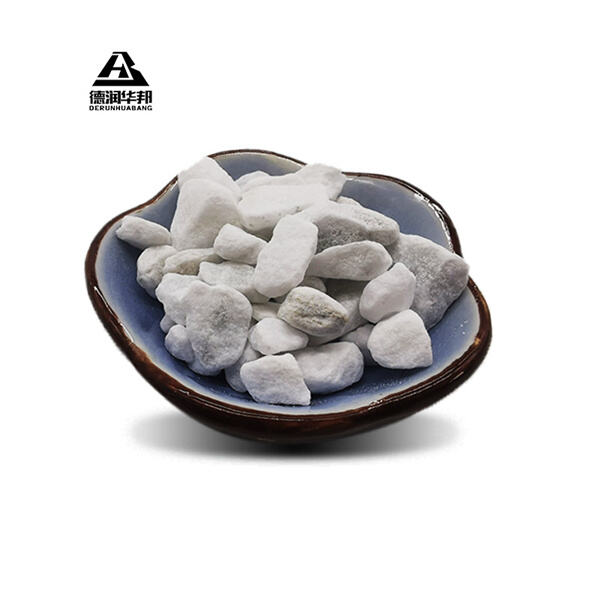
As a beautiful mineral to look at and admire, white barite is the mineral of choice among collectors. It has a shiny white appearance and a very unique crystal structure and is a very beautiful example of the mineral. White Barite Whether presented as a single statement piece or as part of a collection, white barite is an eye catching and impressive mineral.
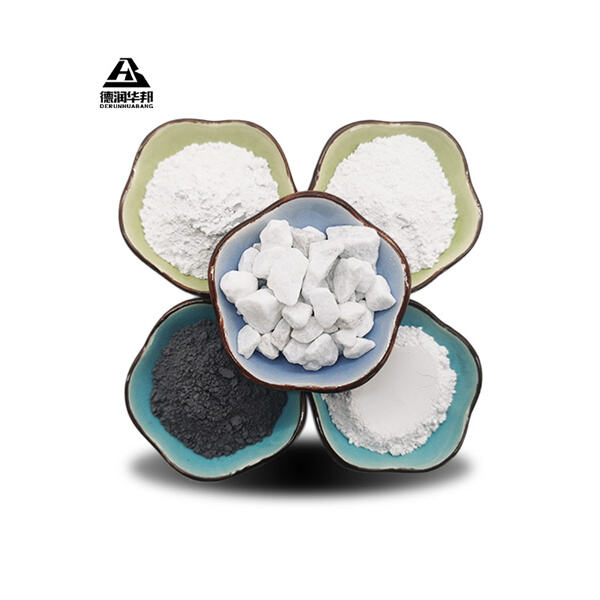
Exploring the sources and formations of white barite These are usually located in sedimentary rock deposits, like limestone and dolomite. White barite results from the acidification of barium sulfate minerals with sulfuric acid in the presence of water. It sometimes takes millions of years, but then, large white barite formations can go deposits develop.
Huayang provides plenty non-metal mineral products, such products, such as kaolin, mica, bentonite, graphite, tourmaline, iron oxide on. Our province is riding in all white barite mineral sources, quilted producing, processing, laboratory, storage workshop, production line over 20.
Shijiazhuang Huabang Mineral Products Co., Ltd. a building materials business that white barite into production, processing sales. The company situated Shikan Industrial Zone of Ciyu Town and Lingshou County in Hebei Province. It is 50km from Shijiazhuang capital Hebei Province and 260km from Beijing.
We are reputable supplier of minerals. teams concentrate product design and development as well as quality control inspection and white barite management. Please contact if you have any ideas or suggestions about our products. look forward collaborating with and supplying you with satisfactory products.
company considers technology be forerunner, continuously carries latest technological advancements adheres to the quality management system production. products have been certified by ISO 9001 technical white barite certification and are shipped to over 70 countries, more than 1000 buyers' regions in Southeast Asia, Eastern Europe and America...