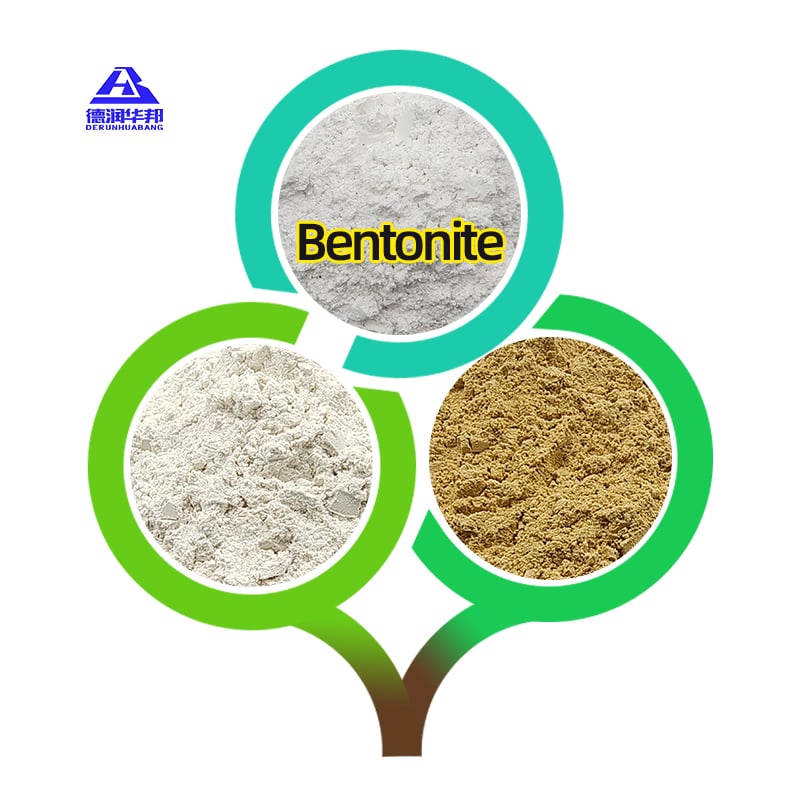
Bentonite powder is a naturally occurring clay mineral shaped by long-term geological alteration of volcanic ash and silicate rock deposits, featuring a unique layered crystalline structure that endows it with a host of exceptional physical and chemical properties, making it a highly valuable and versatile material for soil remediation across diverse land restoration works. This fine, soft, uniformly grained powdery substance boasts strong adsorption capacity, remarkable cation exchange performance, substantial swelling behavior, excellent chemical inertness, stable structural integrity and superior binding capacity, all of which establish it as an indispensable agent for tackling various forms of soil degradation and impairment. Bentonite powder fulfills multiple critical roles in soil remediation processes, including harmful substance immobilization, soil structure conditioning, moisture retention optimization, soil particle stabilization and ecological environment improvement, covering every key stage from initial soil conditioning to long-term soil health recovery, directly affecting the efficiency and durability of soil remediation results for degraded and impaired land areas.
In the domain of soil remediation, bentonite powder acts as a core conditioning material for addressing soil impairment caused by industrial activities and land misuse, a prevalent issue that affects large swathes of land across various restoration projects. Soil that has been degraded or impaired often loses its original physical structure and functional stability, with loose or compacted soil layers, poor pore distribution and limited ability to maintain environmental balance, and bentonite powder provides a practical and effective solution to restore such impaired soil. When blended into target soil, bentonite powder disperses evenly throughout the soil matrix, interacting with soil particles to rebuild a stable soil framework, repairing damaged soil structures and restoring basic soil functionality that supports long-term land stability and restoration efforts.
The layered crystalline structure of bentonite powder is the foundation of its outstanding performance in soil remediation, enabling it to exert multiple beneficial effects simultaneously to improve soil conditions comprehensively. The fine particle size and large surface area of bentonite powder allow it to fill gaps between soil particles, binding loose soil grains together to form stable soil aggregates, which effectively reduces soil erosion risks and improves soil tilth. Its unique swelling property enables bentonite powder to expand upon contact with moisture, loosening overly compacted soil layers and creating interconnected pore spaces within the soil, which enhances water infiltration and air circulation in the soil, laying a solid foundation for improved soil permeability and overall stability.
Bentonite powder delivers exceptional immobilization effects on residual harmful substances in impaired soil, preventing the migration and diffusion of these substances to protect surrounding soil and environmental resources. Through its strong adsorption and cation exchange capabilities, bentonite powder can capture and lock residual harmful components in the soil, converting mobile forms into stable, fixed states that do not spread or cause further environmental impact. This immobilization function of bentonite powder confines harmful substances within the treated soil area, stopping their movement into adjacent land or water systems, and creates a stable environmental foundation for subsequent soil restoration and land reuse, making it a staple material in targeted soil remediation and land restoration initiatives.
The mechanism behind bentonite powder’s immobilization effect relies on its unique surface charge and structural characteristics, which work continuously to maintain stability in treated soil over extended periods. The negatively charged surface of bentonite powder attracts and binds targeted components in the soil, forming tight chemical bonds that remain stable under changing soil moisture, temperature and pH conditions, ensuring long-term fixation without re-release. This persistent stabilizing effect eliminates the need for frequent repeated treatments, reducing the labor and material costs associated with long-term soil management, and avoids secondary disturbance to the soil that can be caused by frequent remediation interventions, making bentonite powder a cost-effective and efficient choice for sustained soil remediation.
Bentonite powder plays a pivotal role in optimizing soil moisture retention, a key factor in restoring the functional balance of degraded soil and supporting long-term land stability. Many impaired soils suffer from poor water-holding capacity, leading to rapid moisture loss, uneven water distribution and limited ability to maintain environmental moisture balance, and bentonite powder addresses this issue effectively. The porous layered structure of bentonite powder can absorb and retain large volumes of moisture, gradually releasing stored water into the surrounding soil to maintain consistent humidity levels, reducing water loss through runoff and evaporation, and enhancing the soil’s ability to retain moisture for extended periods, which boosts the overall stability and resilience of remediated soil.
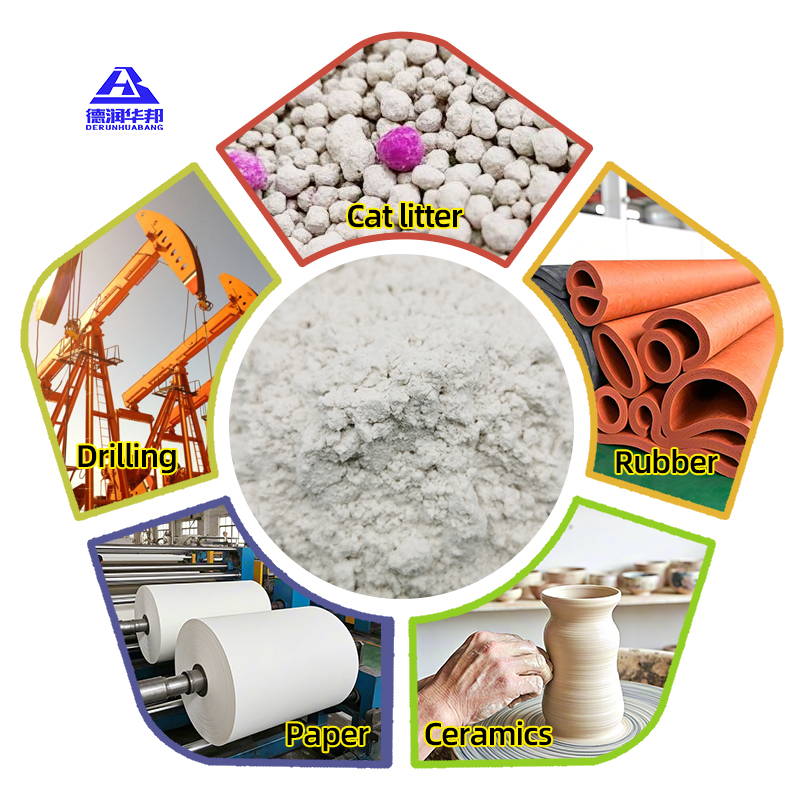
Beyond physical and environmental conditioning, bentonite powder improves soil texture and workability, making impaired soil more manageable for restoration activities and long-term land maintenance. Compacted, hardened soil becomes loose and friable after being treated with bentonite powder, while overly loose, sandy soil gains cohesion and structure, striking a balanced texture that supports effective land restoration. This improvement in soil workability simplifies subsequent restoration operations, reduces the need for intensive mechanical conditioning, and creates a favorable physical environment for the recovery of natural soil functions, ensuring that remediated soil can maintain stable performance over time without rapid re-degradation.
Bentonite powder also enhances the permeability and drainage performance of impaired soil, solving common problems such as waterlogging and poor water infiltration that plague degraded land. Compacted soil often suffers from stagnant water and inadequate drainage, which disrupts soil balance and hinders restoration progress, and bentonite powder’s swelling and pore-forming effects improve soil porosity and permeability, facilitating smooth water movement and drainage within the soil profile. By optimizing soil permeability, bentonite powder prevents water accumulation in the root zone of restored land, reduces the risk of soil saturation and structural damage, and maintains a balanced moisture-air ratio in the soil, which is critical for sustained soil stability and successful land restoration.
The chemical inertness of bentonite powder makes it a safe and compatible material for soil remediation, as it does not react negatively with natural soil components or disrupt the inherent chemical balance of the soil. Unlike some chemical conditioning agents that may alter soil chemistry excessively, bentonite powder works through physical adsorption and structural improvement, preserving the natural chemical equilibrium of the soil while enhancing its functional properties. This compatibility ensures that bentonite powder can be applied to various types of soil, including clayey, sandy and loamy soils, without causing adverse chemical changes, making it suitable for a wide range of soil remediation projects across different land types and geological conditions.
In the remediation of soil damaged by industrial land use and infrastructure development, bentonite powder serves as a reliable amendment to reverse structural degradation and restore land functionality. Such soil often exhibits severe compaction, particle fragmentation and poor stability, making it unfit for sustainable land use, and bentonite powder’s binding and structuring effects rebuild soil integrity, strengthen soil particle cohesion and restore the soil’s ability to resist external stresses such as wind and water erosion. Regular application of bentonite powder in targeted restoration zones gradually improves soil quality, transforms degraded land into stable, functional terrain, and supports the long-term sustainability of restored land areas.
Bentonite powder forms a uniform, stable matrix within treated soil, reducing soil bulk density and improving overall soil porosity to create a healthier physical environment for land restoration. High bulk density and low porosity are common issues in degraded soil, limiting water penetration, air exchange and environmental balance, and bentonite powder addresses these issues by loosening compacted layers and increasing pore space. This reduction in bulk density not only improves soil permeability and moisture retention but also enhances the soil’s buffering capacity against environmental changes, making remediated soil more resilient to weather fluctuations and external disturbances, and ensuring long-term stability of the restored land.
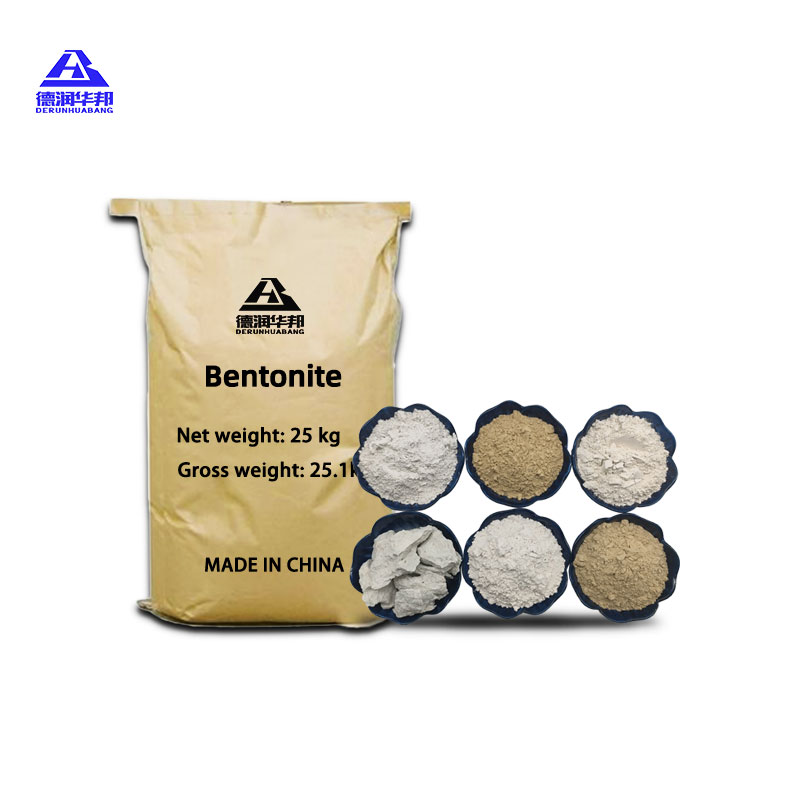
The ease of application and integration make bentonite powder a practical choice for large-scale soil remediation projects, requiring no specialized equipment or complex operational processes. Bentonite powder can be easily spread over the soil surface and incorporated into the soil profile through conventional tillage and mixing methods, dispersing uniformly to ensure consistent contact with soil particles across the entire treatment area. Its free-flowing, fine texture allows for even distribution without clumping or segregation, guaranteeing uniform remediation effects throughout the target land, and reducing the time and labor required for on-site operations, which is highly beneficial for large-scale land restoration initiatives.
Bentonite powder exhibits excellent persistence in soil environments, retaining its structural and functional properties for extended periods to deliver long-lasting remediation benefits without rapid degradation or loss of efficacy. Once incorporated into the soil, bentonite powder maintains its swelling, adsorption and binding capabilities, resisting breakdown or leaching under normal soil conditions, and continuing to improve soil structure, stabilize harmful substances and enhance moisture retention over months and years. This long-lasting performance ensures that soil remediation results are sustained, preventing the reoccurrence of soil degradation and reducing the need for frequent reapplication, making bentonite powder a cost-efficient solution for long-term land restoration and management.
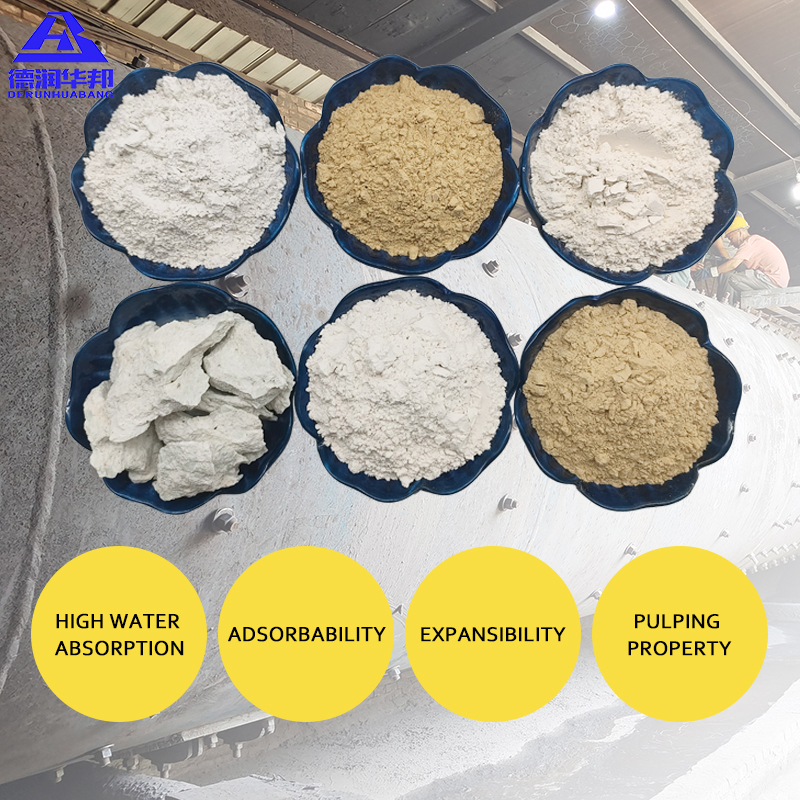
Different grades of bentonite powder are processed to suit specific soil remediation needs, with each grade tailored to address distinct types of soil degradation and impairment. Sodium-based bentonite powder, with high swelling capacity and strong adsorption performance, is ideal for severely compacted or structurally impaired soil, delivering intensive structural repair and stabilization. Calcium-based bentonite powder, with moderate swelling and good binding properties, is suitable for mildly degraded soil and routine soil conditioning, providing balanced improvements for general restoration projects. Purified bentonite powder, processed to ensure uniform particle size and high purity, is designed for precise soil remediation tasks requiring consistent, controlled effects, ensuring targeted and reliable performance in specialized restoration scenarios.
Strict quality control measures are implemented throughout the production of bentonite powder for soil remediation, ensuring it meets the rigorous standards required for effective land restoration. Raw bentonite ore is sourced from high-quality mineral deposits, then crushed, ground into ultra-fine powder and purified to remove inert impurities, gravel and unprocessed clay particles that could reduce its effectiveness in soil. The particle size, swelling index and adsorption capacity of bentonite powder are rigorously tested and controlled to ensure consistent performance, with only batches meeting soil remediation-grade specifications approved for use, guaranteeing reliable results across diverse soil types and restoration projects.
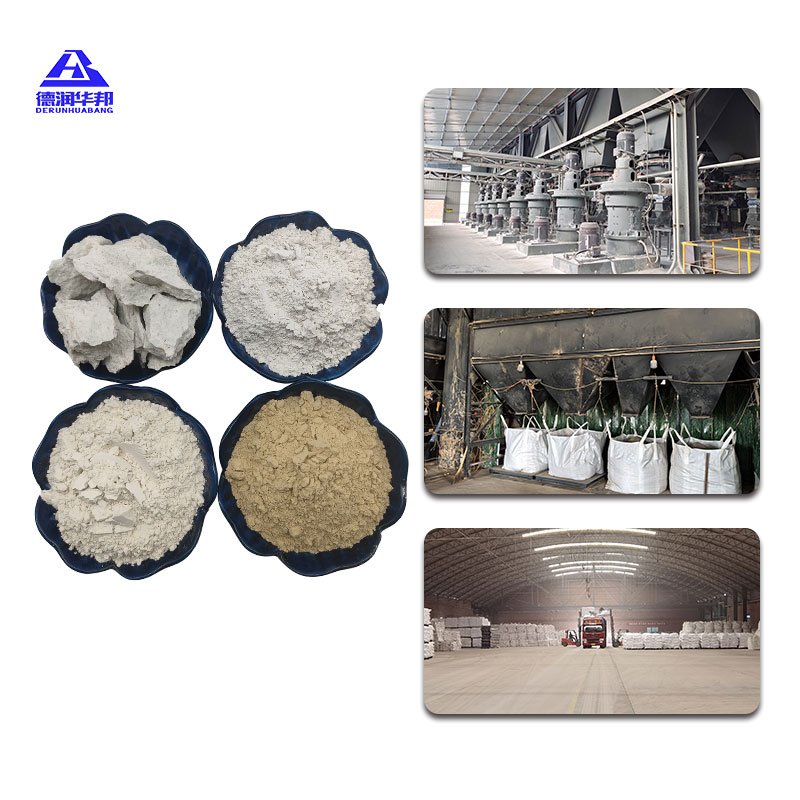
Proper storage and handling of bentonite powder are essential to preserve its functional properties for soil remediation, as moisture absorption and contamination can compromise its swelling, adsorption and binding capabilities. Bentonite powder should be stored in dry, well-ventilated, covered facilities, sealed in moisture-proof packaging to prevent exposure to humidity, rain and airborne contaminants before application. Excessive moisture uptake causes bentonite powder to clump, reducing its flowability and ability to disperse evenly in soil, so protecting it from moisture during storage and transportation is critical. Following proper handling protocols ensures that bentonite powder remains in optimal condition, ready to deliver full remediation benefits when applied to degraded soil.
 ×
×


