 ×
Published: October 30, 2026 | Last Updated: October 30, 2026
SEO Title Tag: Foundry Grade Bentonite: 2026 Demand Outlook | Huabang Meta Description: Why foundries are tightening bentonite specs in 2026: green sand strength, reclamation losses, dust control and what to check on every certificate of analysis.
Green sand still makes most of the world's iron castings, and foundry grade bentonite is the binder that holds that sand together. As casting demand shifts toward lighter automotive parts, wind components and large hydraulic housings, the clay has moved from a commodity line item to a specification foundries argue over.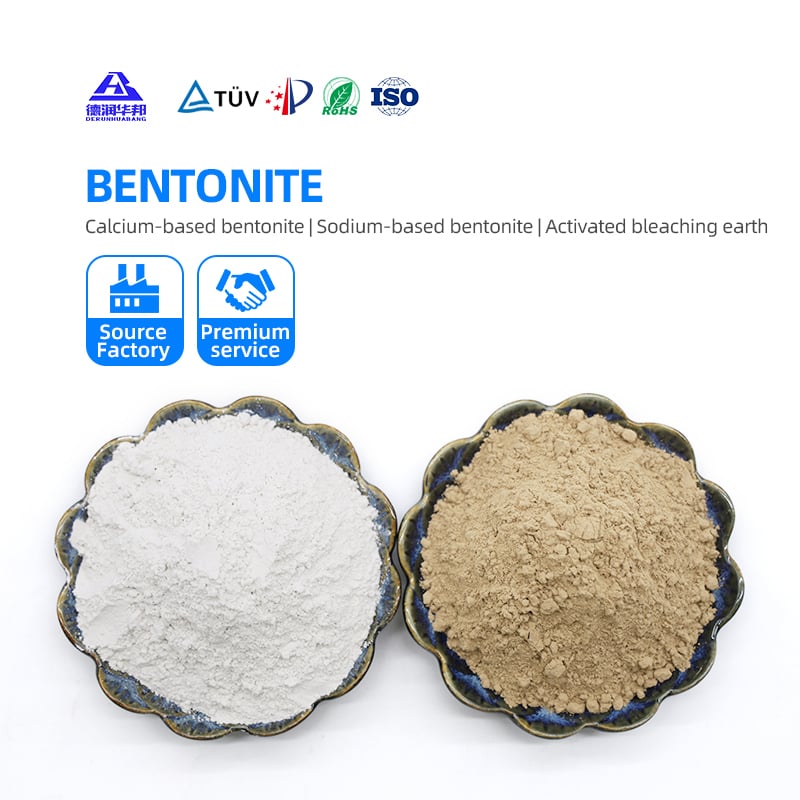
Sodium bentonite, natural or activated, swells on contact with water and coats each sand grain with a plastic film. Mulling develops the coating; the result is a mould that holds its shape under pouring, resists metal penetration and collapses cleanly at shakeout. Calcium bentonite needs soda-ash activation to approach the same performance; unactivated material is a false economy in high-pressure moulding lines.
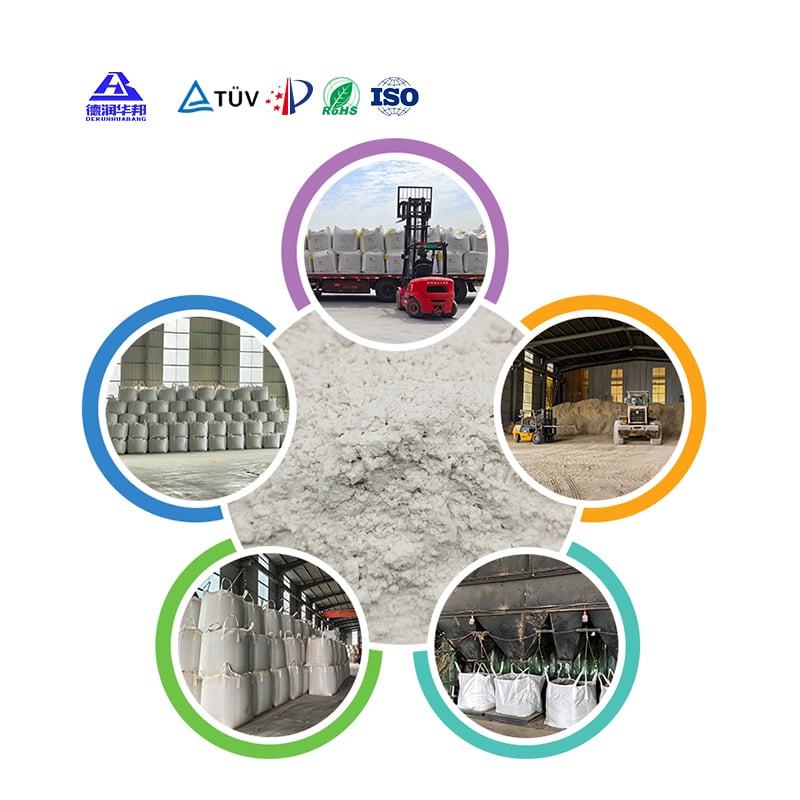
Demand is steady rather than explosive. Automotive lightweighting and wind castings support volume, while construction and pipe work in the Gulf and Asia keep the lower grade busy. Market researchers place the global bentonite market in the USD 2.4 to 2.8 billion range for 2026 with mid single-digit growth. The sharper shift is qualitative: sand reclamation is pushing foundries toward higher-montmorillonite, lower-dust grades, and freight costs are making the sodium premium easier to justify than the rejected-casting cost it avoids.
Montmorillonite content of 75% or above, a measured swelling index, moisture below 12%, 200 mesh passing and a lot certificate for every delivery. Then mull a trial batch under your own line conditions; a certificate tells you what was shipped, not what your moulds will do.
Sourcing binder for a green sand line, a reclamation system or a foundry upgrade? Send your sand system and casting mix for a grade recommendation and a trial sample.


