 ×
×
As of April 2026, the global polypropylene fiber market is experiencing robust expansion, driven by increasing demand from construction, textiles, automotive, and geotextile industries. Latest data shows a 5.8% year-on-year growth in market value during the first quarter, with projections indicating the market will reach $7.3 billion by 2030, fueled by innovation and sustainability trends.
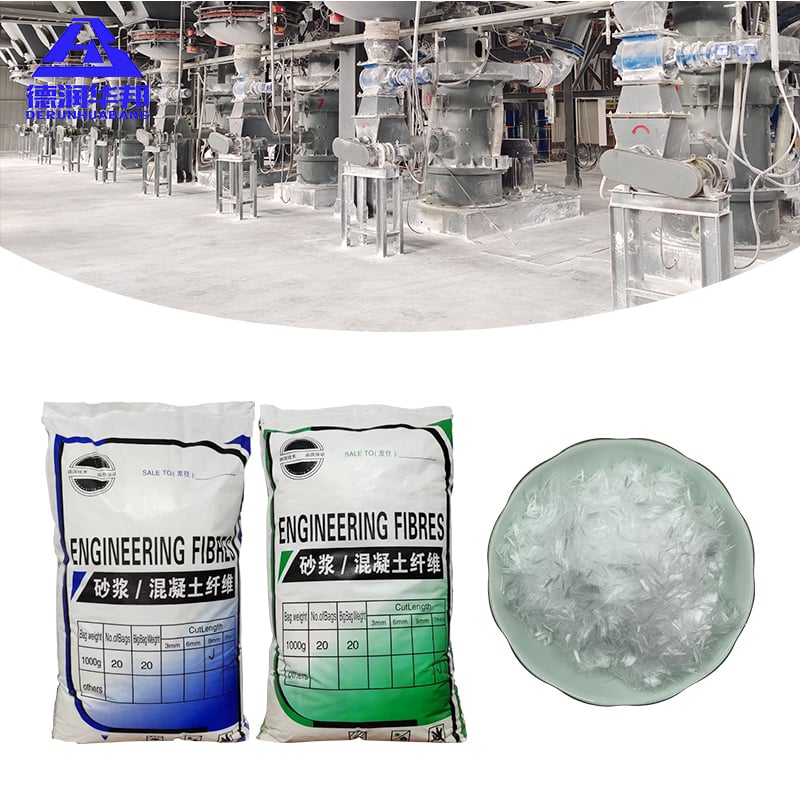
The construction sector remains the largest end-user, accounting for over 48% of total demand, where polypropylene fibers are valued for their high tensile strength, crack resistance, and excellent chemical stability. They are widely used in fiber-reinforced concrete, shotcrete, and precast elements to enhance durability and reduce plastic shrinkage cracking. Rapid infrastructure development in Southeast Asia, the Middle East, and Africa has significantly boosted adoption, especially in large-scale transportation and housing projects.
In the automotive and industrial textiles sector, manufacturers are increasingly incorporating polypropylene fibers to achieve lightweighting, cost efficiency, and moisture resistance in components such as interior trims, filters, and non-woven fabrics. Their low density and high processability make them ideal for high-speed manufacturing, supporting trends in fuel efficiency and sustainable material use.
Technological innovation is reshaping the landscape. A new generation of modified polypropylene fibers has emerged, featuring enhanced UV resistance, improved adhesion to cementitious matrices, and functional additives for fire retardancy. These advanced fibers are gaining traction in high-performance applications, including blast-resistant structures, tunnel linings, and 3D-printed building systems, where structural integrity and long-term performance are critical.
Sustainability is a key driver. Unlike synthetic alternatives derived from non-renewable resources, modern polypropylene fibers are increasingly produced using recycled feedstocks and energy-efficient polymerization processes. Over 65% of leading producers have adopted closed-loop cooling systems and carbon capture technologies, aligning with global ESG goals and regulatory requirements in Europe and North America.
Supply chain resilience has strengthened, with major players expanding integrated production facilities and securing stable access to propylene monomer and catalysts. However, challenges remain, including volatile crude oil prices, regulatory scrutiny on plastic use, and logistical constraints for bulk delivery. In response, companies are investing in regional manufacturing hubs and digital supply chain platforms to improve responsiveness and reduce environmental impact.
Industry experts emphasize that closer collaboration between material engineers and application developers will be essential for unlocking next-generation uses. Hybrid composites with natural fibers, smart fibers with embedded sensors, and AI-optimized dosing systems are paving the way into emerging fields, such as smart infrastructure, circular economy packaging, and sustainable urban development.
With its mechanical reliability, environmental adaptability, and technological evolution, the polypropylene fiber market is positioned for sustained growth, becoming an increasingly indispensable material in the global shift toward resilient, efficient, and eco-conscious industrial solutions.


