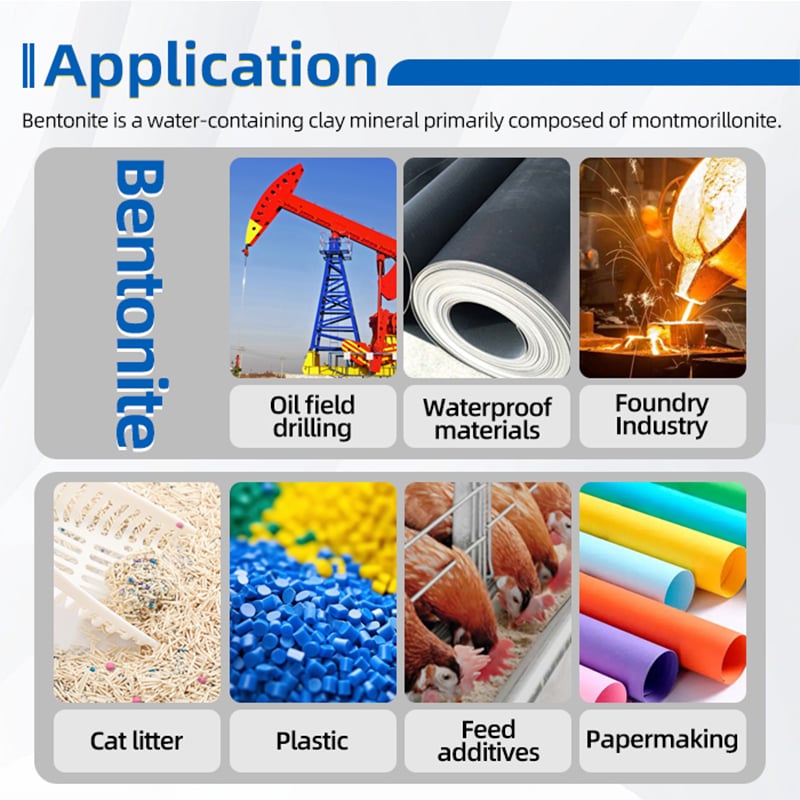
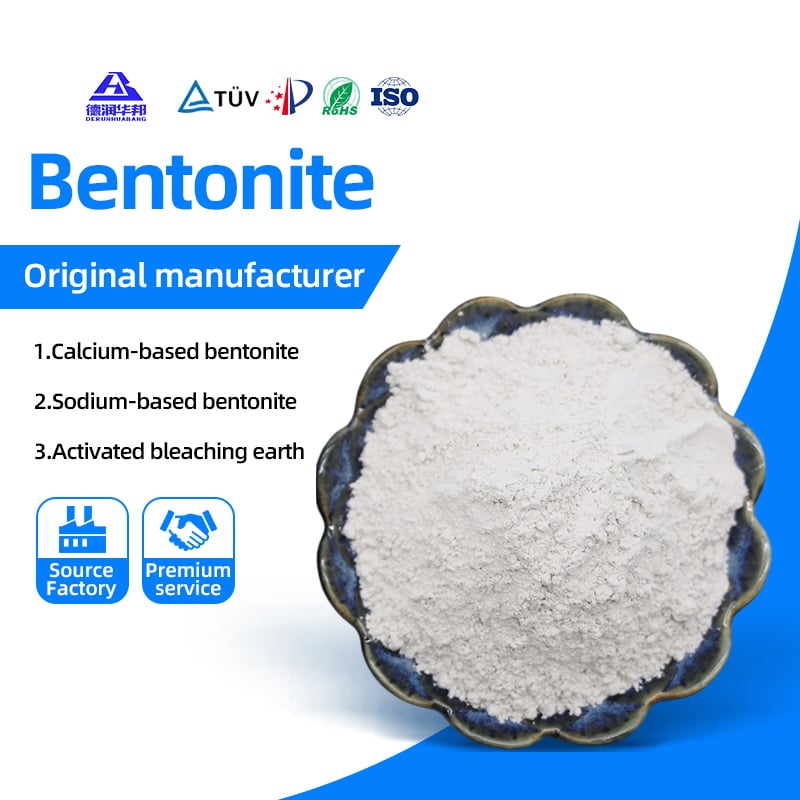
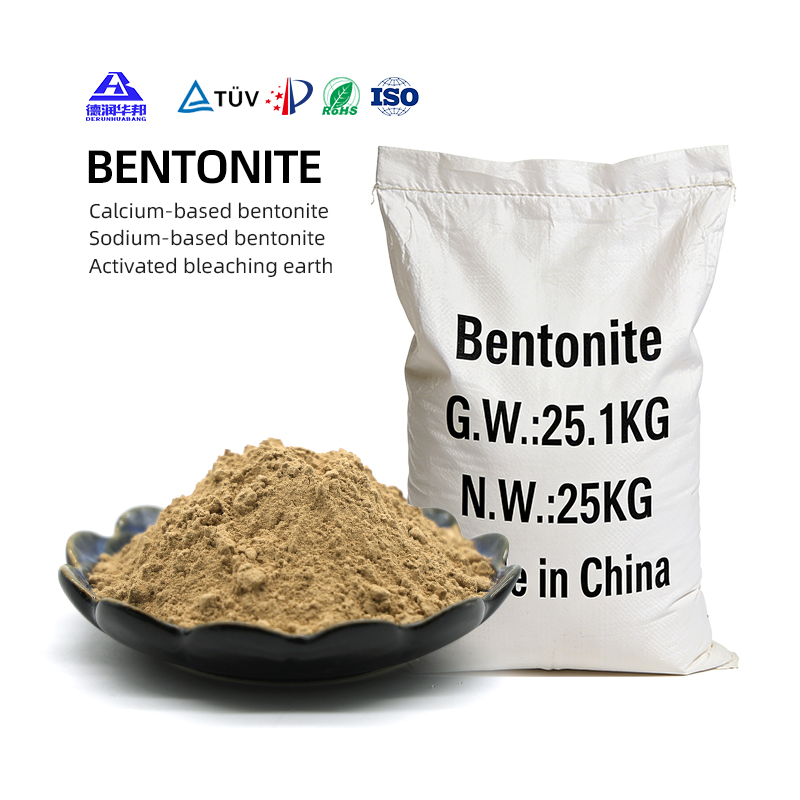
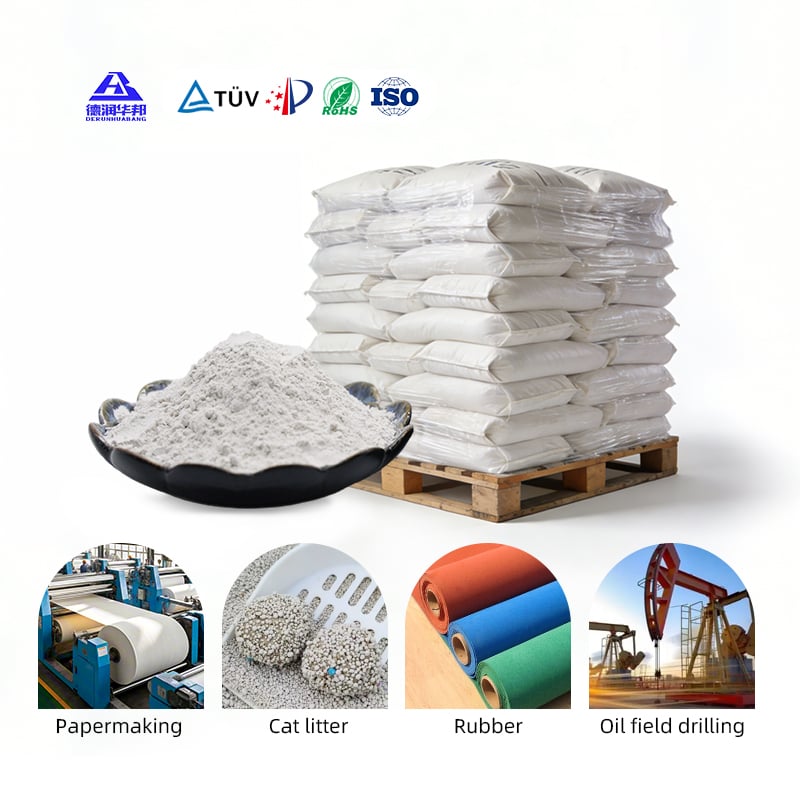
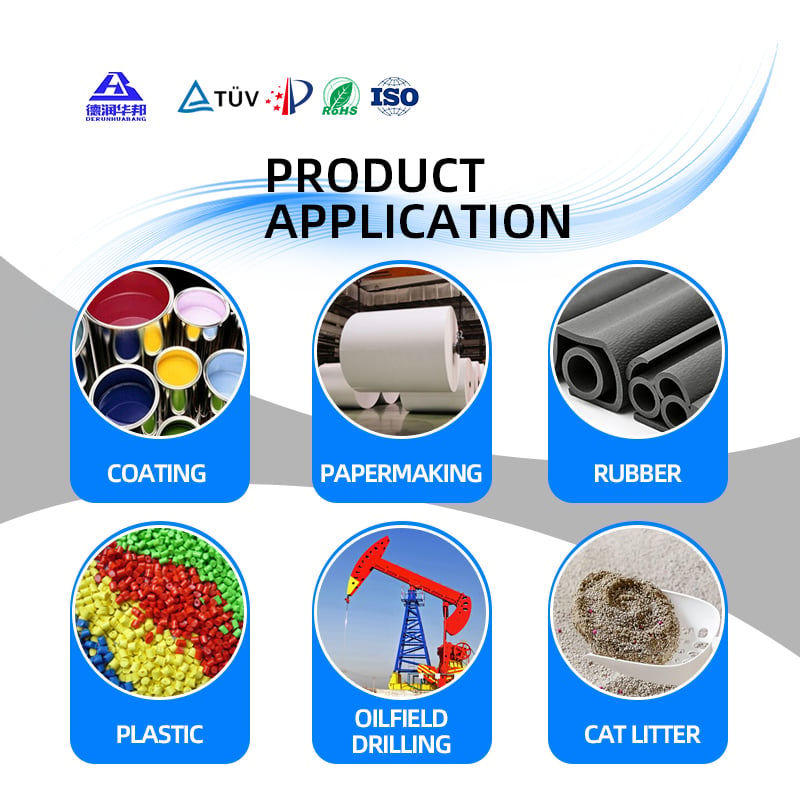
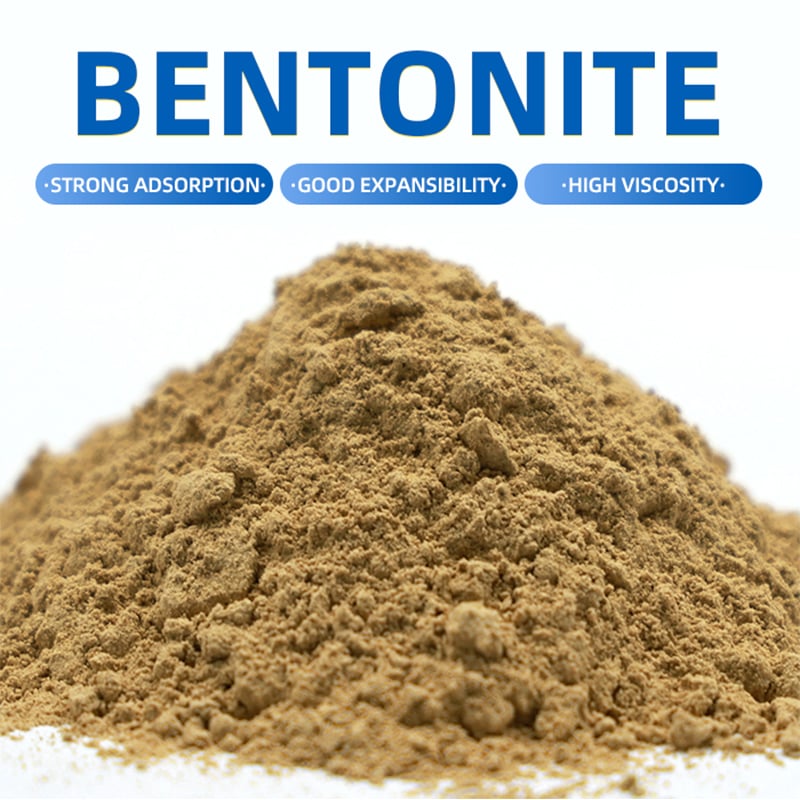
Bentonite powder is a naturally derived clay mineral shaped by long-term geological alteration of volcanic ash and silicate rock deposits, featuring a unique layered crystalline structure that grants it a host of exceptional physical and chemical properties, making it a highly practical and valuable functional filler in the global plastics industry. This fine, soft, evenly textured powdery substance boasts strong interfacial compatibility with polymer matrices, steady thermal stability, low abrasiveness to processing equipment, uniform dispersibility in molten polymers, reliable chemical inertness and moderate adsorption capacity, all of which make it an indispensable raw material in modern plastic product manufacturing. Bentonite powder fulfills multiple core roles throughout plastics production and product service, acting as a reinforcing agent, processing auxiliary, dimensional stabilizer and thermal performance modifier, covering every key stage from polymer compound blending, granulation, extrusion and injection molding to molding curing, cooling forming and long-term use, directly affecting the mechanical performance, durability, processing efficiency and overall quality of diverse thermoplastic and thermoset plastic products.
In the global plastics industry, bentonite powder is widely applied in a broad range of polymer formulations, adapting smoothly to both common thermoplastics and thermosetting plastics with outstanding versatility, solving key pain points in plastic processing and product performance that manufacturers face regularly. Pure polymer resins in their natural state often lack sufficient mechanical strength, heat resistance and shape retention for practical industrial and daily use scenarios, requiring the addition of functional fillers to upgrade overall performance, and bentonite powder stands out as a cost-effective and high-efficiency filler option. When blended into plastic compounds, bentonite powder disperses uniformly within the polymer matrix, forming tight interfacial bonds with long polymer molecular chains, which effectively transfers internal stress generated by external forces, restricts excessive movement of polymer molecules and enhances the overall structural integrity of plastic products, eliminating the common drawbacks of pure plastics such as low strength, easy deformation and poor heat tolerance.
The reinforcing performance of bentonite powder is one of its most significant advantages in plastic applications, substantially improving the core mechanical properties of plastic products to meet the diverse demands of industrial production and daily use. Tensile strength and flexural strength of plastic compounds are notably enhanced with the addition of bentonite powder, enabling plastic products to bear greater pulling, bending and impact forces without cracking, fracturing or deforming, a crucial attribute for plastic items subjected to frequent mechanical stress and daily wear. Impact resistance of plastic materials is also effectively elevated, preventing brittle breakage under sudden impacts or drops, which greatly reduces the risk of premature failure of plastic components and finished goods. Bentonite powder also increases the surface hardness and wear resistance of plastic products, striking a balanced ratio between structural rigidity and material toughness, ensuring plastic items hold their shape under load while retaining proper flexibility, making it suitable for various plastic applications including packaging materials, construction accessories, industrial parts and daily hardware.
Bentonite powder plays a vital part in optimizing the processing performance of plastic compounds, simplifying production procedures and boosting the efficiency of plastics manufacturing lines. Plastics processing involves a series of complex steps including melt blending, pelletizing, extrusion molding, injection molding and calendaring, and bentonite powder acts as an effective processing aid that improves the melt flowability and mold-filling capacity of plastic compounds. It reduces the melt viscosity of polymer mixtures during high-temperature processing, making it easier for materials to pass through extruders, injection molds and other processing equipment, minimizing common defects such as agglomeration, flow marks, uneven filling and voids that affect product quality. The low abrasiveness of bentonite powder also lessens the wear and tear on screw rods, mold cavities and calendaring rollers, extending the service life of processing machinery and cutting down maintenance costs for plastics manufacturers. Additionally, bentonite powder promotes the uniform dispersion of other plastic additives such as heat stabilizers, lubricants, colorants and plasticizers, ensuring consistent curing, cross-linking and performance across every batch of plastic products.
Uniform dispersion of bentonite powder in polymer matrices is essential to unlock its full functional potential, and its natural fine particle size and surface properties make it easy to integrate into standard plastic processing workflows. Unlike some coarse or poorly compatible fillers that tend to clump and require high-energy mixing equipment, bentonite powder disperses smoothly during conventional polymer melt blending, forming a homogeneous mixture without localized weak spots, internal voids or performance inconsistencies in the final plastic product. This even dispersion ensures that the reinforcing, thermal stabilizing and dimensional regulating effects of bentonite powder are distributed evenly throughout the plastic item, guaranteeing stable and consistent performance in every part of the product. Whether for large-scale industrial plastic structural parts, small precision plastic components or thin-walled plastic packaging products, the easy dispersibility of bentonite powder streamlines production and ensures stable product quality, earning high recognition from plastics formulators and production technicians.
Thermal stability of plastic products is significantly improved by adding bentonite powder, expanding the application scope of plastic items to high-temperature environments and enhancing their resistance to heat-induced deformation and aging. Pure polymer resins usually have low heat distortion temperatures, and they are prone to softening, warping, yellowing and performance degradation when exposed to high temperatures during processing or long-term service, which limits their application in high-temperature scenarios. Bentonite powder has inherent high thermal resistance, acting as a stable heat buffer within the polymer matrix that effectively absorbs and dissipates heat, slowing down the thermal decomposition and molecular aging of plastic materials. It raises the heat distortion temperature and long-term heat aging resistance of plastic products, ensuring they maintain their original shape, mechanical strength and structural integrity even under prolonged high-temperature exposure, making it ideal for plastic components used in electronic appliance housings, automotive accessories, industrial piping and outdoor plastic facilities.
Dimensional stability of plastic products is greatly optimized with the incorporation of bentonite powder, solving common problems such as shrinkage, warping, deformation and size deviation during and after processing. Plastic compounds often experience obvious dimensional changes during melt molding, cooling solidification and post-processing, which can lead to poor fitting, assembly errors and performance failure of plastic components. Bentonite powder acts as a stable internal framework within the polymer matrix, restricting excessive thermal expansion and cold contraction of polymer molecular chains during temperature fluctuations, ensuring plastic products retain their designed shape and size with high precision. This enhanced dimensional stability is particularly critical for plastic precision fittings, profile materials, molded structural parts and assembly components that require tight tolerances, reducing scrap rates, minimizing post-processing trimming work and improving the overall qualification rate of finished plastic goods.
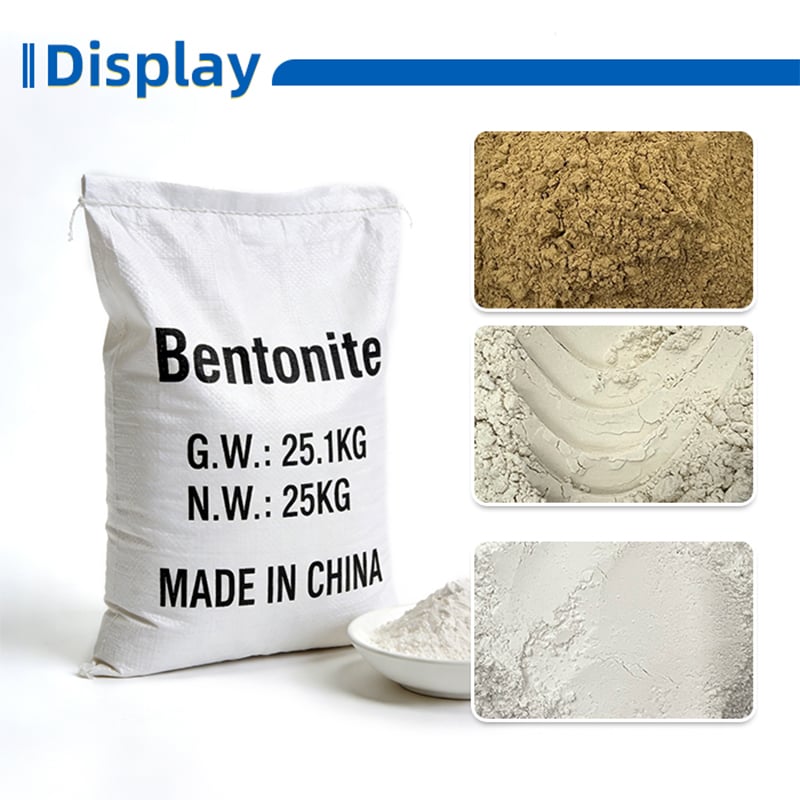
Bentonite powder also effectively improves the surface quality of plastic products, eliminating common surface flaws such as flow marks, pits, burrs and rough textures, and creating smooth, flat and aesthetically pleasing product surfaces. The ultra-fine particle structure of bentonite powder fills tiny gaps and micro-voids in the polymer matrix during melt molding, forming a dense and smooth surface layer without uneven textures or visible imperfections. This improved surface smoothness not only enhances the visual appeal of plastic products but also reduces surface friction, making plastic items easier to clean, more resistant to dust and stain adhesion, and more durable in daily use. For plastic consumer goods, electronic casings, decorative plastic parts and high-end packaging products, the surface quality upgrade brought by bentonite powder enhances product market competitiveness and user satisfaction, adding substantial value to plastics manufacturing.
Bentonite powder exhibits excellent compatibility with a wide variety of polymer materials, expanding its application coverage across the entire plastics industry and making it suitable for diverse categories of plastic products. It blends seamlessly with common thermoplastics including polyethylene, polypropylene, polystyrene, polyvinyl chloride and polyethylene terephthalate, as well as thermosetting plastics such as epoxy resin, phenolic resin and unsaturated polyester resin, forming stable and homogeneous compounds without phase separation, delamination or interfacial defects. This broad compatibility allows plastics manufacturers to apply bentonite powder in various formulations, from general-purpose plastic packaging and daily necessities to specialized industrial engineering plastics, without encountering compatibility issues. Whether for flexible plastic films, rigid plastic sheets, injection molded fittings or extruded profiles, bentonite powder adapts to different polymer matrices and delivers consistent performance improvements, solidifying its position as a universal functional filler in the plastics industry.
In the production of plastic packaging products such as packaging films, containers, bottles and protective shells, bentonite powder enhances the barrier performance, mechanical strength and processing efficiency of packaging materials. Plastic packaging reinforced with bentonite powder features higher tensile strength and puncture resistance, reducing tearing and breakage during transportation, storage and use, and providing reliable protection for packaged goods. It also improves the gas and moisture barrier properties of plastic films and containers, slowing down moisture penetration and gas exchange, extending the shelf life of packaged products and maintaining product freshness. The processing auxiliary effect of bentonite powder also accelerates film blowing and molding processes, shortening production cycles and increasing the output of plastic packaging production lines, making it a cost-effective additive for the packaging plastics segment.
For engineering plastic products used in industrial machinery, automotive accessories, electronic equipment and construction engineering, bentonite powder provides the necessary strength, heat resistance and durability to withstand harsh working conditions and long-term mechanical stress. Engineering plastics blended with bentonite powder show higher mechanical performance, better thermal stability and lower deformation rate, meeting the strict performance requirements of industrial and automotive applications. Plastic mechanical parts and equipment housings enhanced with bentonite powder resist wear, impact and high-temperature aging, ensuring long-term stable operation of equipment and reducing replacement and maintenance costs. Plastic piping and profile materials for construction and engineering benefit from the dimensional stability and chemical resistance brought by bentonite powder, maintaining structural integrity and performance in outdoor and mildly corrosive environments, demonstrating the versatile functional advantages of bentonite powder in engineering plastics applications.
Bentonite powder also helps reduce production costs for plastics manufacturing, making it a cost-efficient functional filler that supports profitable and sustainable production for plastics enterprises. As a naturally abundant and easily processed mineral, bentonite powder is much more economical than high-cost polymer resins and synthetic reinforcing fillers, allowing manufacturers to replace a portion of resin raw materials with bentonite powder without compromising product performance. Its high functional efficiency means only a moderate dosage is needed to achieve significant improvements in plastic performance, further reducing material input costs. Additionally, bentonite powder reduces production waste by enhancing processing stability and product qualification rates, minimizing scrap and rework expenses. This combination of reliable performance and low cost solidifies bentonite powder’s status as a staple filler in the plastics industry, helping manufacturers balance product quality and economic benefits effectively.
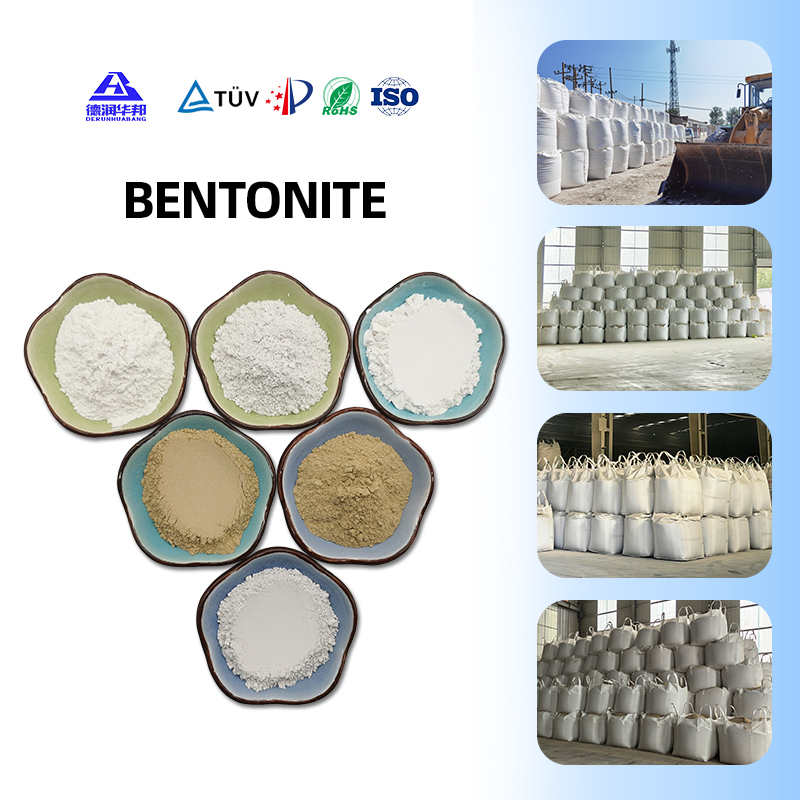
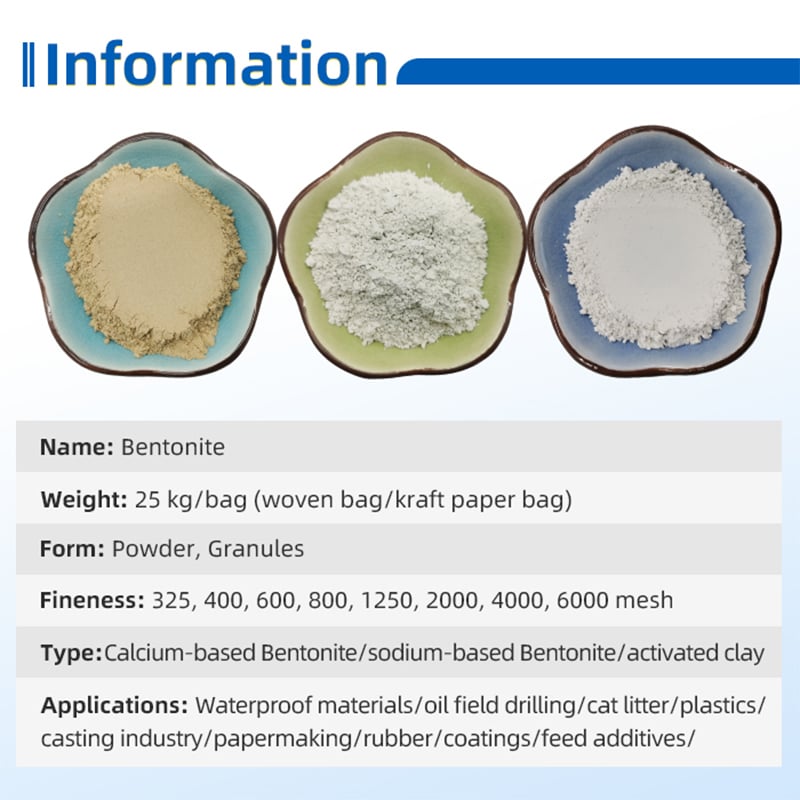
Different grades of bentonite powder are specially processed to meet the diverse needs of the plastics industry, with each grade formulated to deliver targeted performance for specific plastic applications. Sodium-based bentonite powder, with high purity and strong interfacial bonding with polymers, is ideal for high-performance engineering plastics and precision plastic components that require maximum reinforcement and thermal stability. Calcium-based bentonite powder, with moderate dispersibility and cost efficiency, is suitable for general-purpose thermoplastics and daily-use plastic products, providing reliable performance upgrades at a lower cost. Surface-modified bentonite powder, treated to improve compatibility with non-polar polymer resins, is designed for polyolefin and other synthetic plastic formulations, ensuring optimal dispersion and reinforcing effects in challenging polymer matrices. Each grade is processed to precise particle size and purity standards to ensure optimal performance in targeted plastic applications.
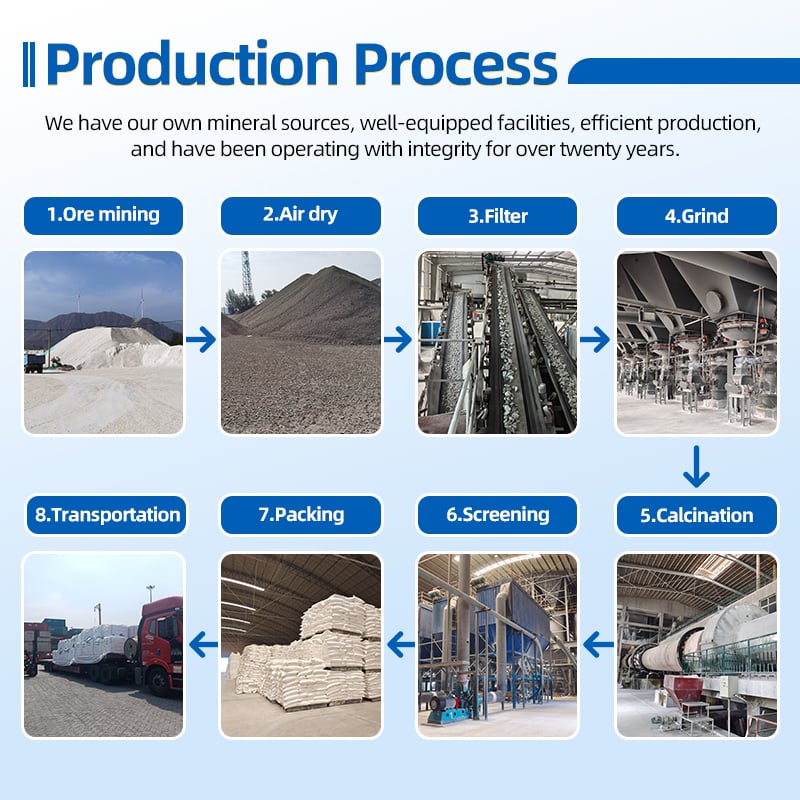
Strict processing and quality control standards are applied to bentonite powder for plastics industry use, ensuring it meets the stringent requirements of polymer compounding and final product performance. Raw bentonite ore is sourced from high-quality mineral deposits, then crushed, ground into ultra-fine powder and purified through multiple processes to remove impurities such as quartz, gravel, organic matter and unprocessed clay particles, which can cause defects, poor dispersion and reduced performance in plastic products. The particle size of bentonite powder is precisely controlled, as finer particles ensure better dispersion, larger interfacial contact area with polymer chains and stronger reinforcing effects. Finished bentonite powder undergoes comprehensive testing for dispersibility, thermal stability, chemical inertness and particle uniformity, with only batches meeting plastics-grade quality specifications approved for industrial production.
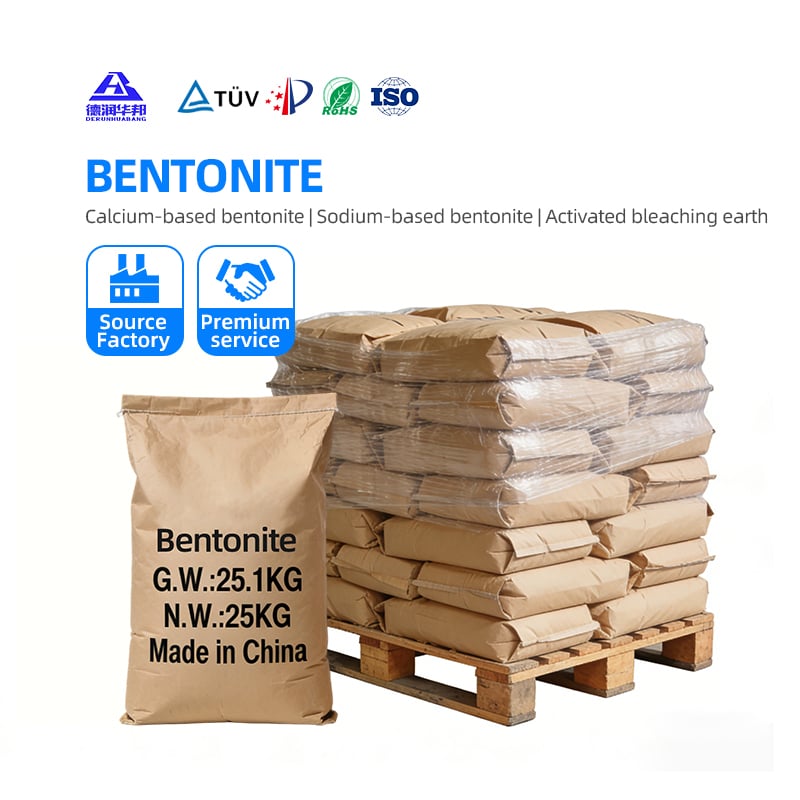
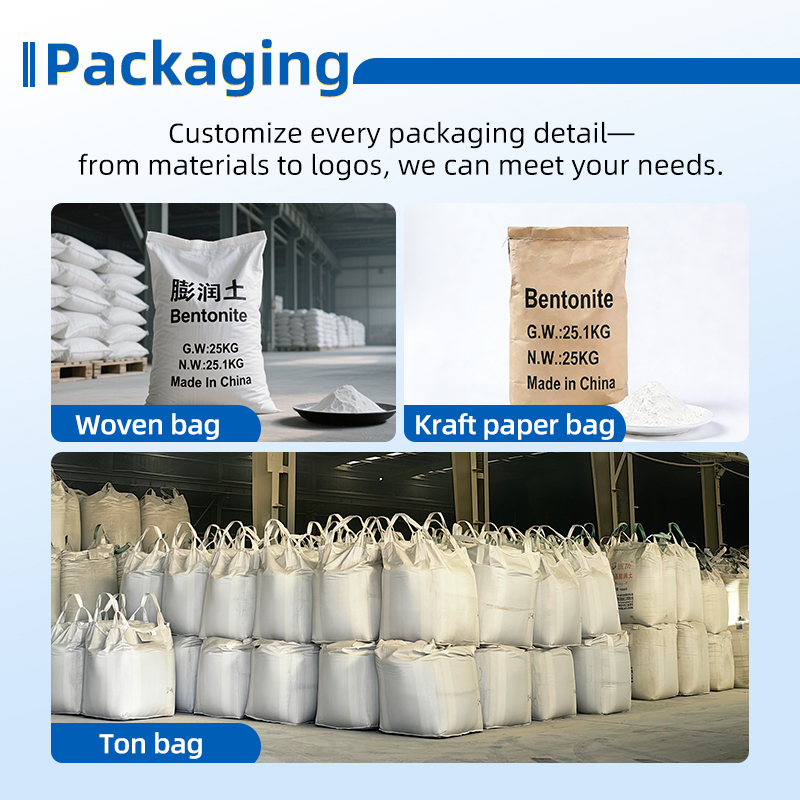
Proper handling and storage of bentonite powder are essential to preserve its functional properties in plastics manufacturing, as moisture absorption, agglomeration and contamination can compromise its dispersibility and reinforcing performance. Bentonite powder should be stored in dry, well-ventilated, dust-proof warehouse facilities, sealed in moisture-proof and airtight packaging to prevent exposure to humidity, rainwater and airborne contaminants. Excessive moisture absorption causes bentonite powder to clump, reducing its dispersibility in polymer melts and weakening its reinforcing and stabilizing effects. During transportation, bentonite powder must be protected from packaging damage, physical crushing and moisture intrusion, ensuring the powder remains free-flowing and pure until it is used in plastic compounding. Plastics manufacturers typically store bentonite powder in dedicated controlled areas near production lines to maintain quality and facilitate convenient handling.
 ×
×