 ×
×
Meta Title tag:Epoxy Flooring Australia: Durable Resin Coatings for Industrial, Commercial & Residential Sites
Summary As Australian property owners and facility managers seek longwearing, lowmaintenance floor finishes that stand up to coastal salt spray, strong UV radiation, tropical humidity and heavy mechanical loads, epoxy flooring has become a leading concrete coating solution across warehouses, food processing plants, retail showrooms, home garages and boutique hospitality venues nationwide. Modern highsolid epoxy resin systems deliver seamless chemicalresistant surfaces that comply with Australian building & safety standards, solving common pain points including concrete dusting, oil staining, mould growth and rapid surface wear under local tough climate conditions.
Formulated to cope with Sydney’s subtropical coastal humidity, Brisbane’s heavy rainfall, Melbourne’s changeable weather and Perth’s intense ultraviolet sunlight, premium epoxy flooring prevents mould buildup and saltinduced degradation on concrete substrates. When paired with a UVstable topcoat, the system resists yellowing under direct sunlight, extending inservice life by up to 40 % compared with basic DIY waterbased epoxy products. Realworld site data shows professionally installed highbuild epoxy delivers 1215 years service life for industrial warehouse applications, versus only 35 years for lowcost thin waterborne alternatives.
Epoxy flooring creates jointfree, nonporous floor surfaces with no grout gaps to trap grease, dirt or bacteria, meeting HACCP and FSANZ requirements for Australian foodandbeverage factories, butcheries and wineries. Antislip aggregate additives can be mixed into topcoats to reach AS/NZS 4586 slipresistance ratings for wetprone commercial kitchens, loading zones and garage work areas, lowering workplace slipandfall risks significantly.
Compared with tiles, polished concrete or hardwood flooring options widely used in Australia, quality epoxy resin coatings cut longterm maintenance expenditure. The hard surface resists oil, chemical spills and forklift impact; routine cleaning only requires simple mopping without waxing or frequent resurfacing. For largearea industrial projects, wellspecified epoxy systems can reduce wholeoflife floor costs by 32 % over a 10year operation cycle.
|
System Grade |
Typical Dry Film Thickness |
BestFit Australian Application |
Expected Service Life |
|
Standard commercial highsolid epoxy |
0.81.5 mm |
Retail showrooms, offices, residential garages |
710 years |
|
Heavyduty epoxy mortar |
46 mm |
Warehouses, manufacturing workshops, forklift aisles |
1215 years |
|
HACCP foodgrade antimicrobial epoxy |
23 mm |
Food processing facilities, coldstorage rooms |
1014 years |
|
UVstabilised decorative epoxy with topcoat |
12 mm |
Patios, hotel lobbies, openplan residential spaces |
1013 years |
Local application requirements: Installation should happen within temperature range of 1030 °C, relative humidity below 85 %. Concrete substrate moisture content must be fully tested before pouring to avoid blistering or delamination failures common on Australian groundfloor slabs. Diamond grinding mechanical surface preparation is the accepted industry standard, simple acidetching is not recommended for highperformance projects.
A midsize food processing plant in Queensland operated concrete floors suffering from chemical corrosion, frequent oil spill contamination and uneven wear from pallet jack traffic. The old concrete surface failed local hygiene audit requirements; previous cheap floor coatings peeled within two years under highhumidity tropical working conditions. The facility management team needed a compliant, washdowncapable flooring solution meeting Australian food safety regulations.
After evaluating polished concrete, vinyl sheet and tile proposals, the project team chose heavyduty foodgrade epoxy mortar system. Key decision criteria included seamless hygiene performance, chemical resistance against foodgrade cleaning agents, compatibility with local hothumid climate and competitive wholelife costing.
Client quote: “We previously replaced lowcost floor coverings every 23 years. The epoxy floor upgrade delivers stable performance under Queensland hot, humid factory conditions and removes repeated refurbishment downtime.” — Facility Operations Manager, Queensland food processor
Q: Can epoxy flooring be used for outdoor Australian patios and carpark areas? A: Standard epoxy resin is vulnerable to Australia’s harsh UV rays and will gradually yellow. For outdoor exposure, you must specify projects with additional UVresistant polyurethane or polyaspartic topcoat to retain colour and mechanical performance.
Q: What are main reasons for epoxy floor failures on Australian building sites? A: Most premature delamination, blistering or peeling issues stem from three local factors: insufficient concrete moisture testing, incomplete mechanical surface preparation, or installation carried out outside permitted temperaturehumidity windows during humid summer or cool winter months. Budget waterbased epoxy products also show high failure rates in coastal highmoisture zones.
Q: How much does professional epoxy flooring cost per square metre in Australia? A: Pricing varies by system grade, site condition and surface preparation work. Basic residential garage epoxy starts around AUD 3045 /m²; heavyduty industrial foodgrade systems range AUD 90140 /m² including full substrate treatment and antislip finishing.
Q: Is epoxy flooring safe for Australian residential homes? A: Fullycured highsolids epoxy is inert and nontoxic. Always confirm material VOC data sheet before purchase for indoor domestic projects, select lowVOC formulations for livingspace renovation works.
Epoxy flooring continues its rapid market growth across Australia as builders, industrial operators and home renovators recognise its balance of durability, hygiene and design flexibility against demanding local climate conditions. Whether you are planning warehouse resurfacing, foodplant compliance upgrade or residential garage transformation, correct material selection, strict substrate testing and professional onsite execution determine longterm floor performance.
If you want to receive detailed system quotation, case portfolio or Australianadapted epoxy flooring specification sheet for your upcoming project, please reach out for a free technical consultation.
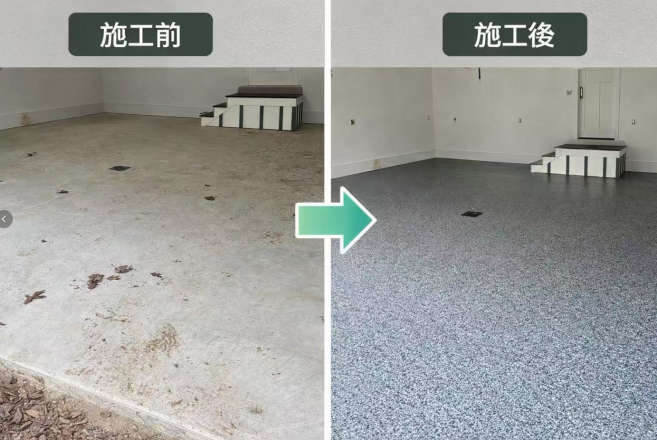
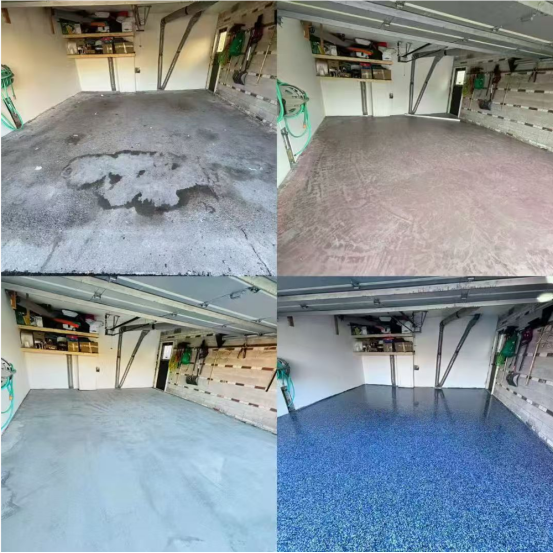
Before-and-after comparison photos of the epoxy resin application


