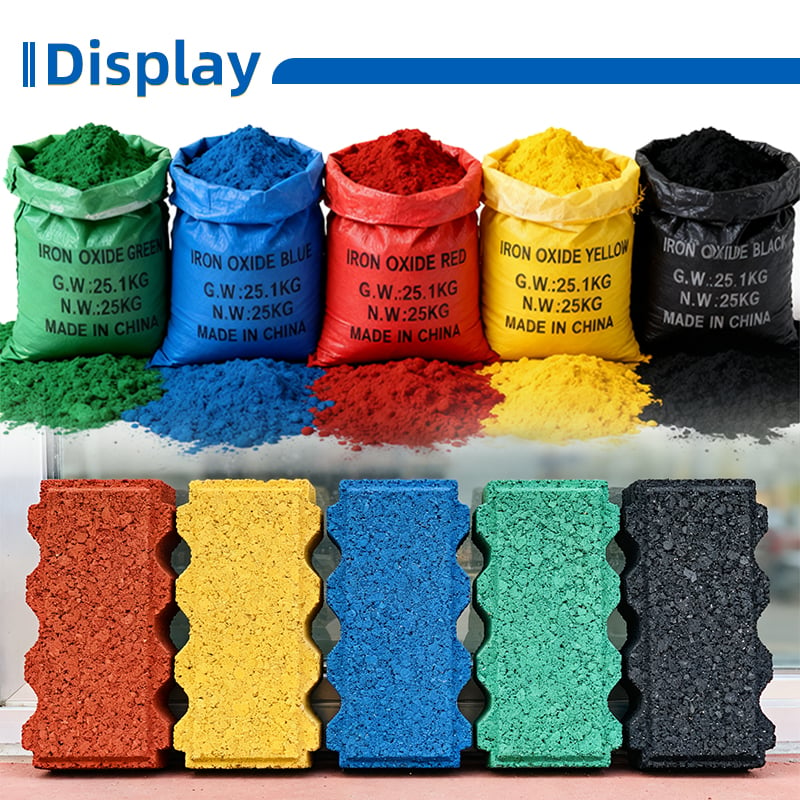
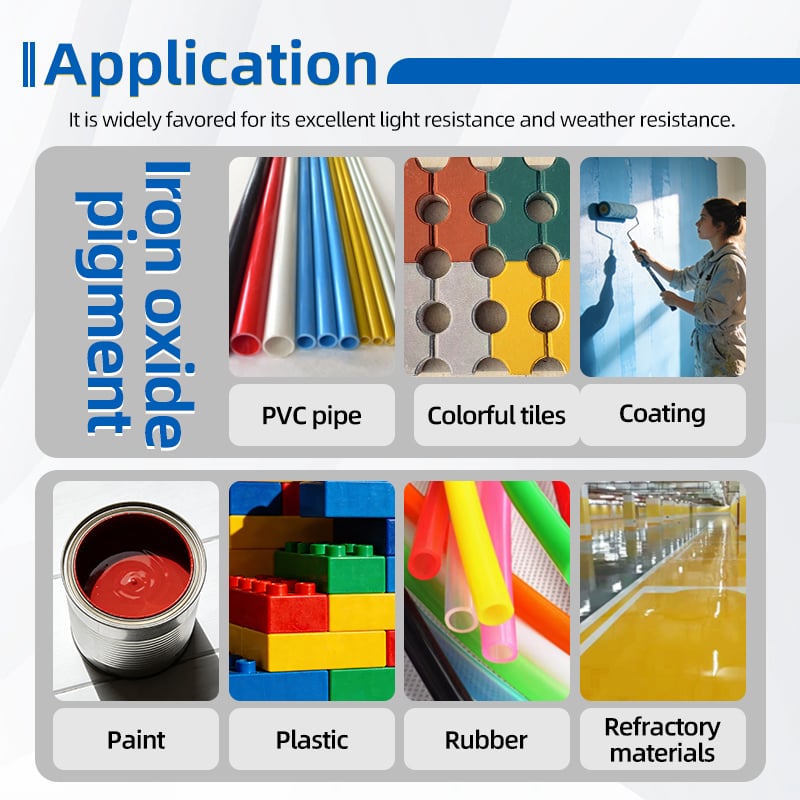
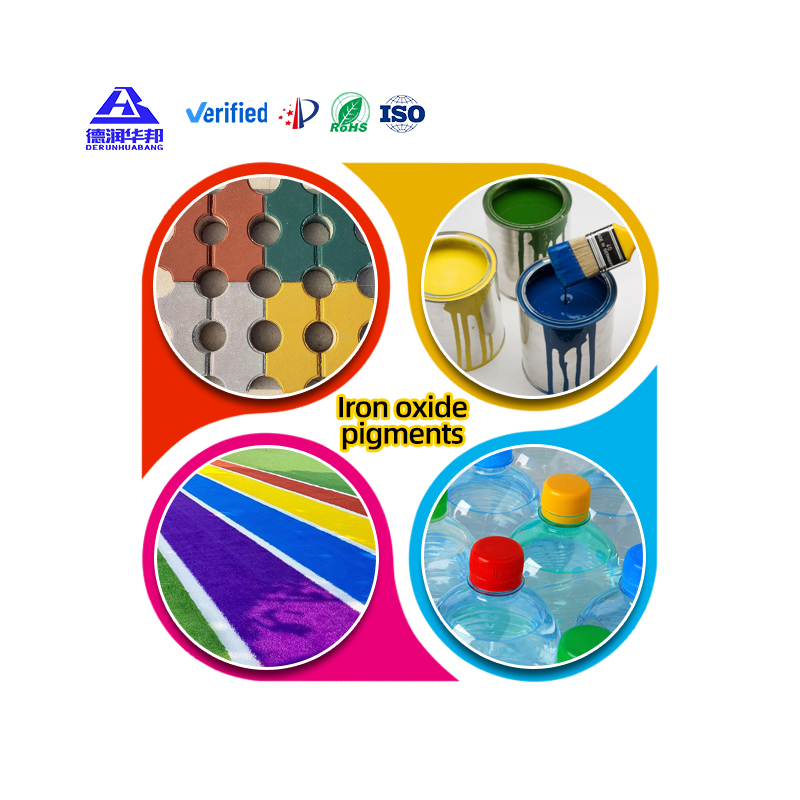
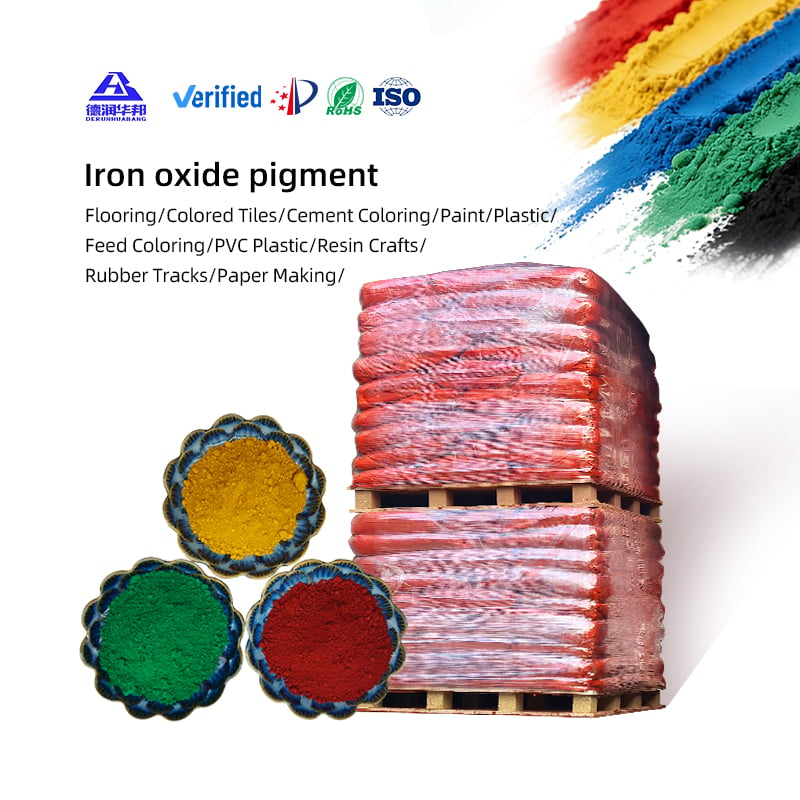
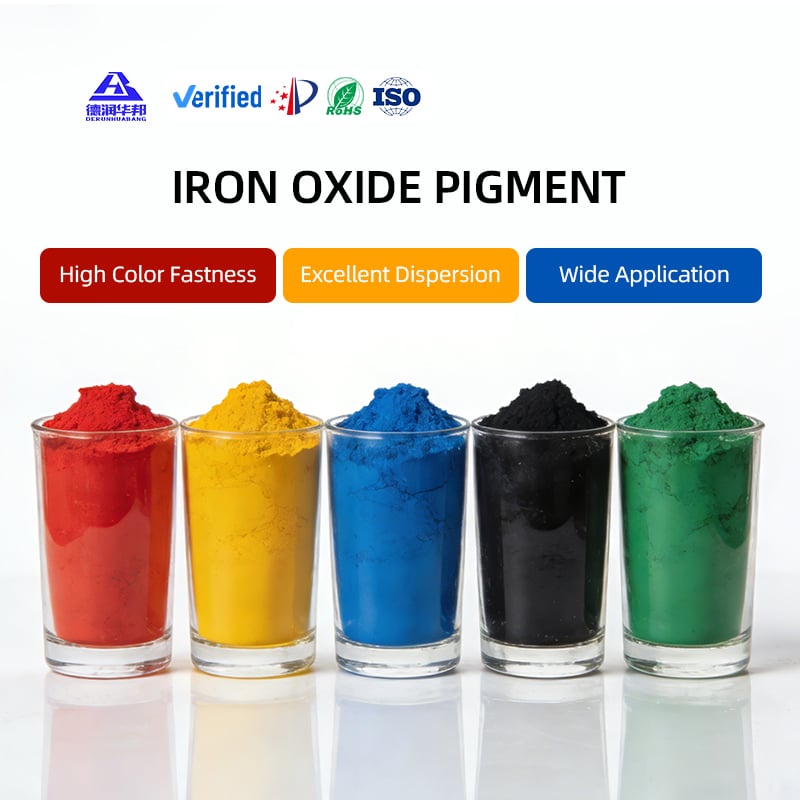
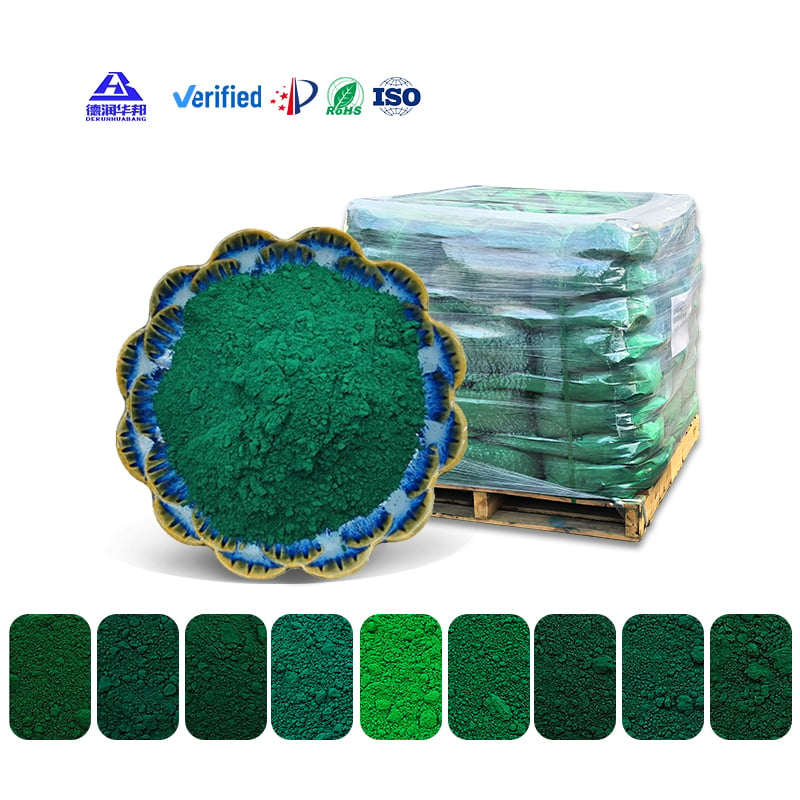
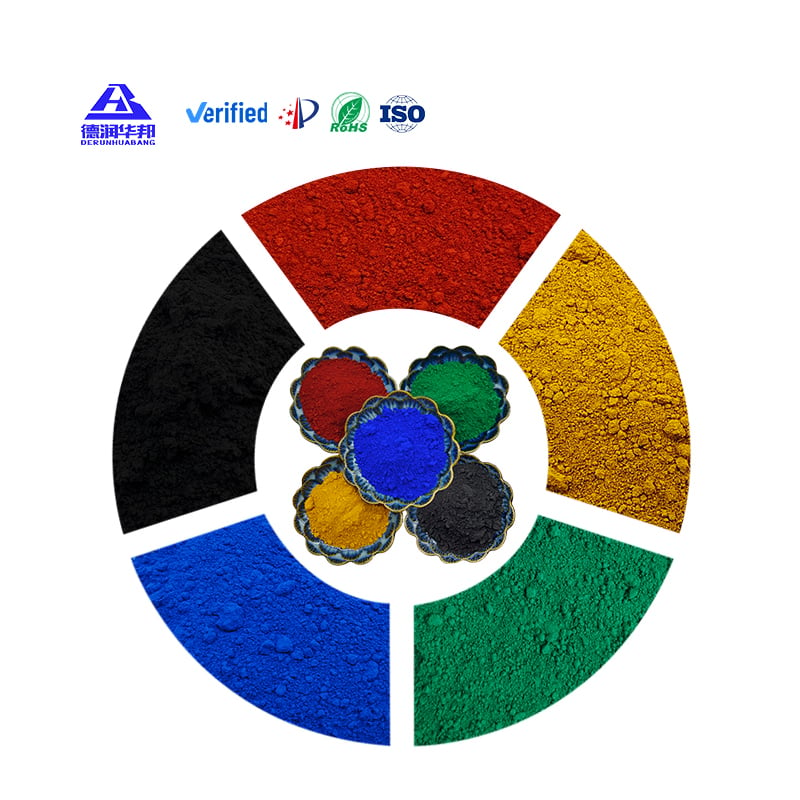
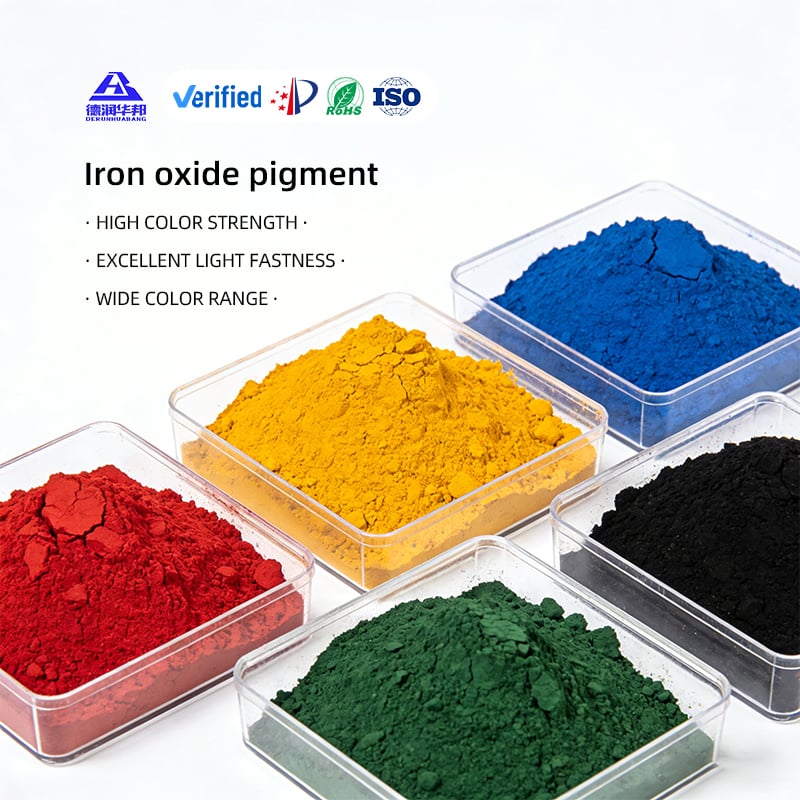
In concrete industry, iron oxide pigment serves as essential cement additive that seamlessly combines coloring functionality with structural compatibility, addressing both architectural aesthetics and engineering performance. When mixed into cement or concrete mixtures—whether ready-mix batches for large construction projects or on-site blends for small renovations—iron oxide pigment disperses uniformly without clumping, even when paired with common concrete additives like water reducers or air-entraining agents. This uniform dispersion tints concrete into custom shades that suit diverse architectural designs: soft terracotta for pedestrian plazas of large commercial complexes, rich charcoal for exterior facades of modern residential buildings, and muted ochre for heritage restoration projects aiming to match original stone hues. Unlike organic pigments that may react with cement’s alkaline components and degrade concrete strength, iron oxide pigment has neutral chemical nature, preserving critical compressive and tensile properties required for load-bearing structures while adding aesthetic value. It also enhances concrete’s resistance to UV radiation and environmental erosion—concrete tinted with iron oxide pigment maintains its original shade even after years of exposure to harsh sunlight, heavy rain, and de-icing salts in cold regions, preventing unsightly surface discoloration and maintaining visual consistency across entire projects. This unique blend of form and function makes it ideal for decorative concrete applications ranging from stamped concrete patios in residential yards and decorative wall panels in office lobbies to large-scale public art installations, where both structural reliability and visual appeal are non-negotiable.
Automotive coatings benefit significantly from iron oxide pigment’s exceptional durability and color stability, addressing strict industry standards for appearance, longevity, and environmental resistance. The automotive coating process relies on iron oxide pigment across multiple layers to deliver comprehensive performance: in primer coatings, iron oxide pigment acts as dual-function component—serving as corrosion inhibitor that forms tight, adherent layer on metal substrates (such as steel or aluminum car bodies) and blocking moisture penetration to prevent rust formation, while also providing uniform color base that enhances topcoat coverage. In mid-coat formulations, it adjusts hue and opacity to achieve custom shades, from classic reds and deep blues to trendy matte finishes, ensuring consistency across vehicle production lines. In topcoat formulations, high-purity iron oxide pigment delivers consistent, high-gloss hues that resist fading from prolonged sunlight exposure (even in tropical regions with intense UV radiation) and damage from road debris, rain, and salt spray (common in coastal or winter areas). Its excellent dispersion ability—achieved through precise particle size control during processing—ensures uniform color across entire vehicle body, including complex curves and narrow gaps, avoiding streaks, blotches, or color variations that compromise aesthetic quality. This performance is critical across all vehicle types: commercial trucks rely on it to maintain branding colors through long-haul journeys, while luxury passenger cars depend on it to preserve showroom-worthy appearance for years. By reducing fading and chipping, iron oxide pigment enhances vehicle resale value and minimizes need for costly touch-ups, making it a staple in automotive coating formulations worldwide.
Ink industry leverages iron oxide pigment’s strong tinting strength, dispersion ability, and chemical stability to create high-performance inks for diverse commercial and industrial applications. When integrated into ink formulations—whether for printing, marking, or decoration—iron oxide pigment provides intense, opaque colors that stand out vividly on various substrates, from porous paper and flexible plastic to rigid metal and textured fabric. Its superior tinting strength means small amounts of pigment can achieve bold hues, reducing material costs while ensuring color consistency across large print runs. Key to its success in inks is resistance to external factors: water resistance prevents smudging on outdoor posters or beverage packaging exposed to rain; oil resistance ensures clarity on food cans or machinery labels that may come into contact with lubricants; and friction resistance maintains legibility on high-wear items like shipping boxes or tool handles. Iron oxide pigment also exhibits excellent compatibility with different ink binders and printing technologies: water-based inks for eco-friendly packaging use it to achieve bright colors without toxic solvents; solvent-based inks for industrial markings rely on it to adhere to metal surfaces; and UV-curable inks for plastic products leverage its stability under UV curing processes. Specific applications highlight its versatility: packaging inks for cereal boxes and detergent bottles use it to create eye-catching brand colors that resist fading on store shelves; industrial marking inks for pipes and construction materials use it to print durable labels that remain legible in harsh job site conditions; and screen-printing inks for textiles use it to create long-lasting designs on workwear and outdoor fabrics. Its stable chemical nature prevents ink degradation during storage—even in extreme temperature conditions—extending shelf life and reducing waste from expired or separated inks.
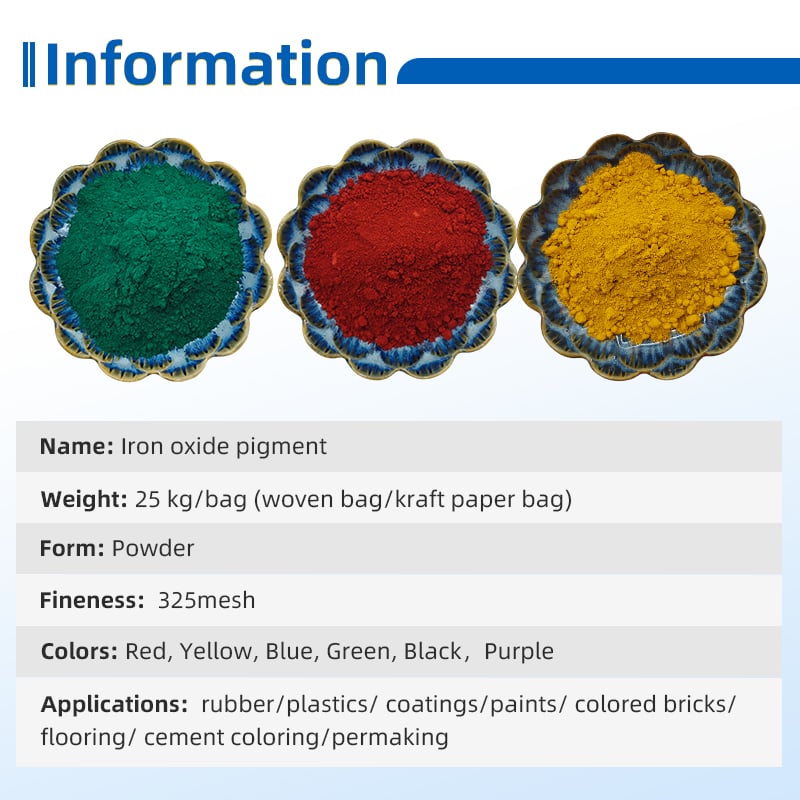
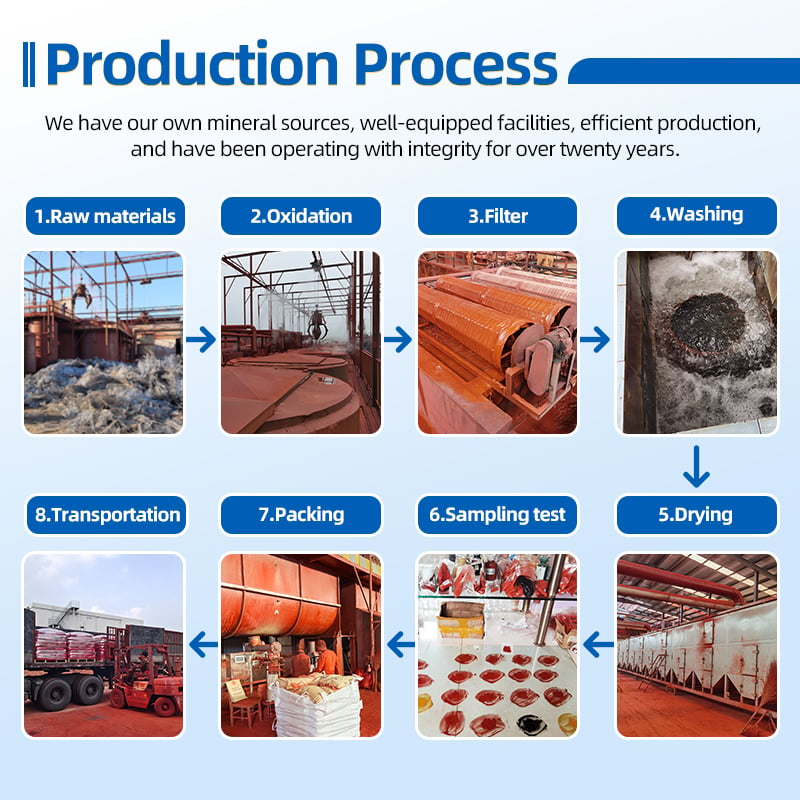
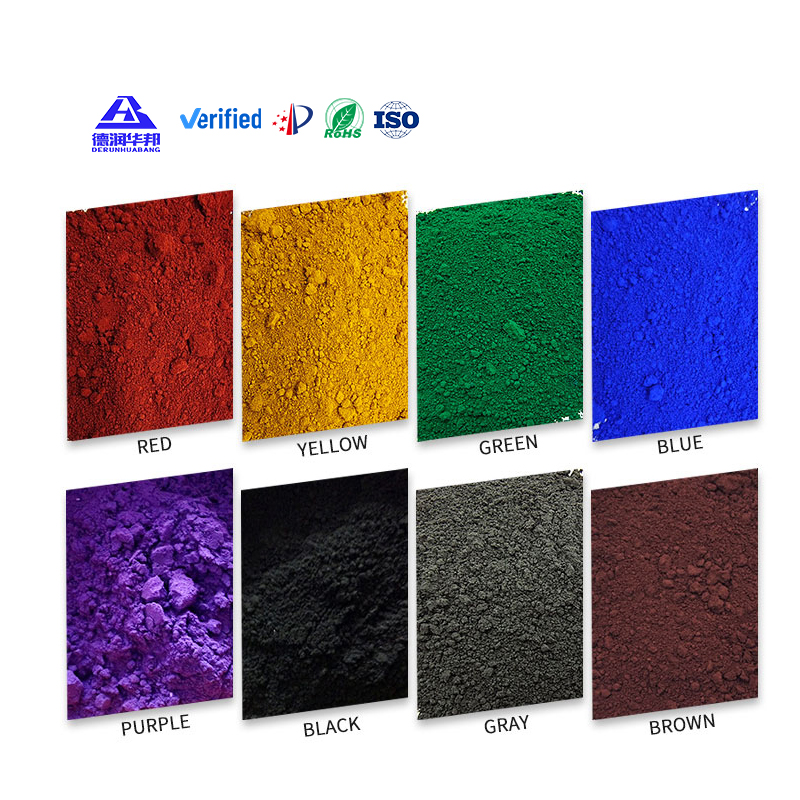
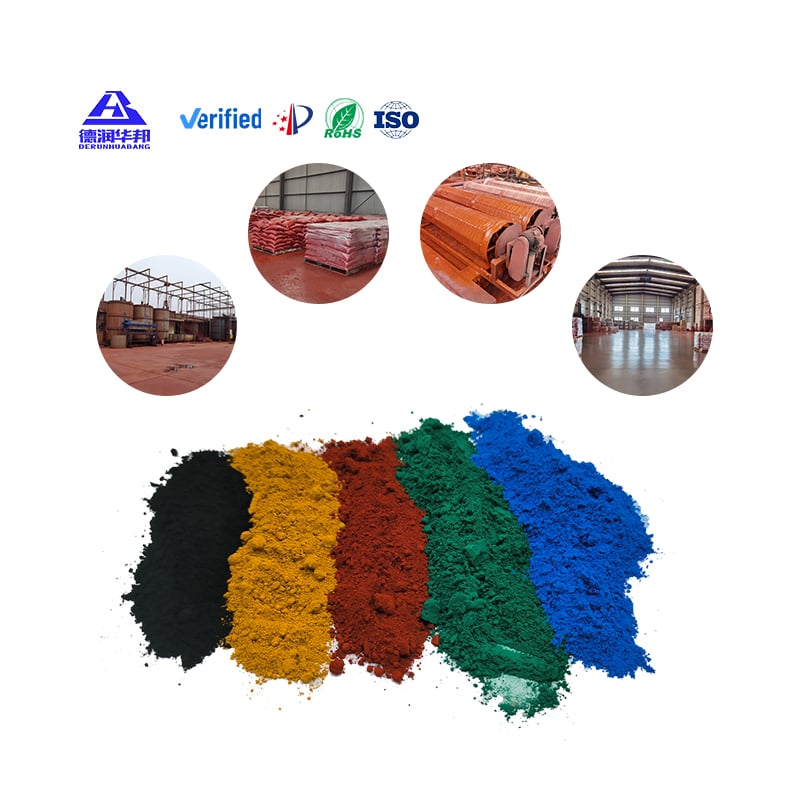
Processing of iron oxide pigment is meticulously tailored to enhance its performance across concrete, automotive, ink, and coating industries, ensuring it meets sector-specific requirements. The process begins with raw material selection: natural iron oxide ores are mined and purified to remove impurities like silica or clay, while synthetic iron oxide is produced via controlled oxidation of iron compounds—both routes prioritize consistency in pigment composition. Core processing step is particle size refinement: raw pigments undergo grinding using equipment like ball mills or air-classified mills to achieve fine, uniform particle sizes (typically ranging from micro to nano scales, depending on application). This refinement critical for dispersion—fine particles mix evenly in concrete mixtures, coating resins, or ink binders, avoiding clumping that causes color variations. For applications requiring specific hues, different iron oxide variants are precision-blended: red iron oxide (from hematite) and yellow iron oxide (from goethite) are combined to create terracotta shades for concrete; black iron oxide (from magnetite) is mixed with red to achieve deep browns for automotive coatings. Color consistency is ensured via batch testing—each production lot is compared to standard samples to avoid shade variations. No toxic chemicals are used in refining or blending processes, maintaining non-toxic nature that suits consumer-facing products (like food packaging inks) and industrial applications (like concrete for playgrounds). Quality control measures are rigorous: tinting strength is tested via color matching against standards; dispersion uniformity is checked by examining thin films of pigmented materials under microscopes; weather resistance is verified by exposing pigmented samples to simulated sunlight and moisture for extended periods. These steps ensure every batch of iron oxide pigment delivers reliable performance across its intended applications.
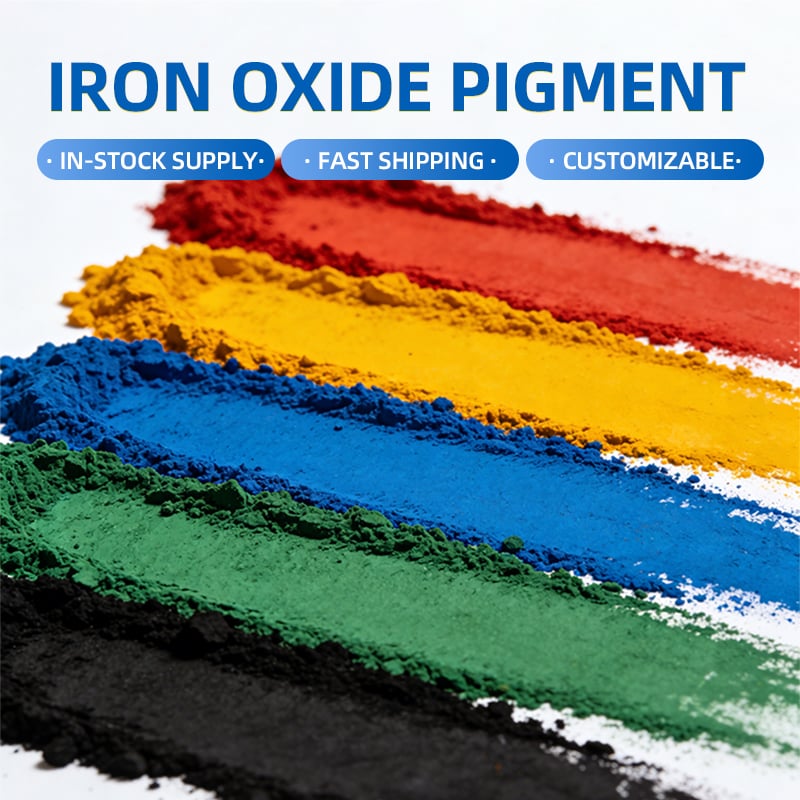
In conclusion, iron oxide pigment stands as irreplaceable material that drives both functionality and aesthetics across brick coatings paint materials, concrete industry cement additives, automotive coatings, and ink industry—bridging diverse manufacturing and construction needs with its unique combination of traits. Its color stability ensures long-lasting hues that resist fading from sunlight, moisture, and friction; weather resistance makes it suitable for outdoor and harsh-environment applications; chemical inertness preserves the structural integrity of materials like concrete and metal; and compatibility with varied binders and substrates allows seamless integration into countless formulations. These attributes make it superior to many synthetic alternatives, which often lack durability, require toxic stabilizers, or fail to maintain color consistency over time. Iron oxide pigment directly addresses core needs of each sector: in construction, it adds beauty without compromising strength; in automotive manufacturing, it protects metal and preserves appearance; in printing, it creates bold, durable marks on diverse surfaces. As industries evolve to meet growing demands for sustainability, durability, and cost-efficiency—such as the shift to eco-friendly water-based coatings or long-lasting infrastructure—iron oxide pigment remains well-positioned to adapt. Ongoing advancements in processing techniques, such as optimizing particle size for ultra-thin automotive topcoats or developing blended shades that mimic natural materials like stone or wood, further expand its application potential. By combining time-tested performance with continuous innovation, iron oxide pigment solidifies its position as cornerstone of industrial coloring and functional additives, supporting global manufacturing and construction sectors for years to come.
 ×
×