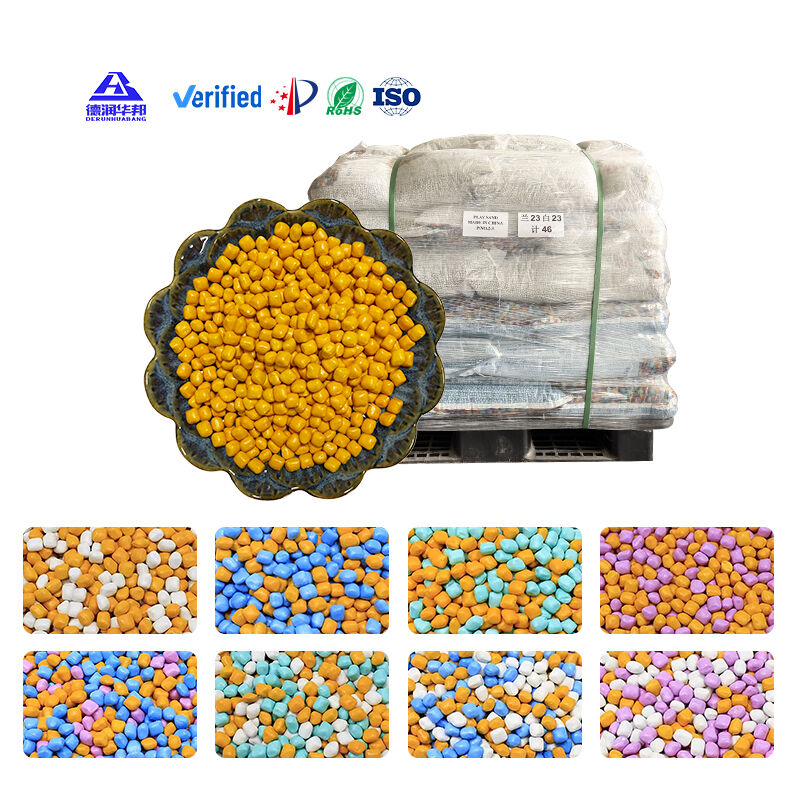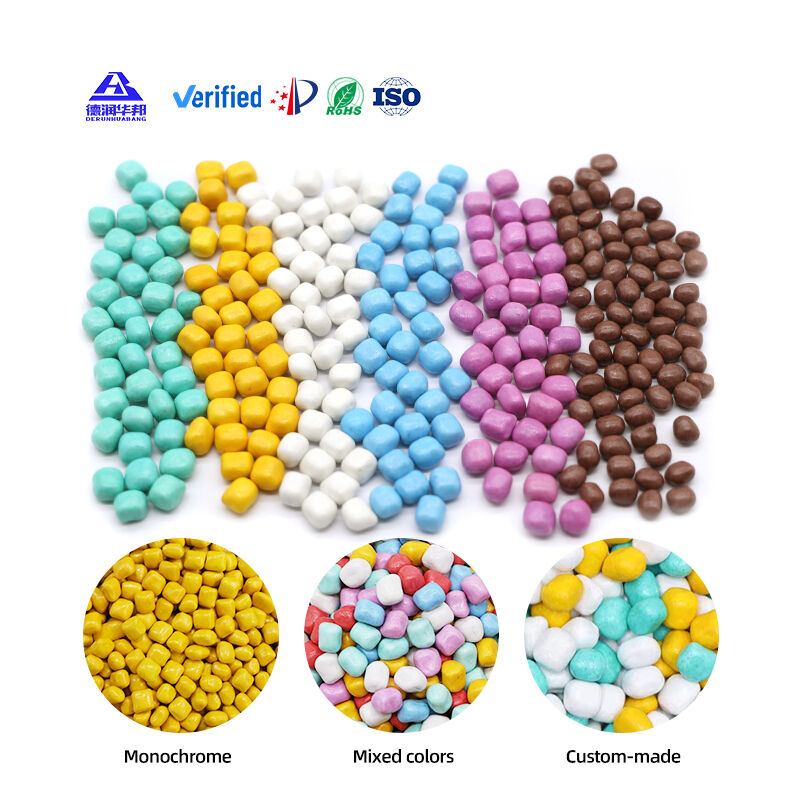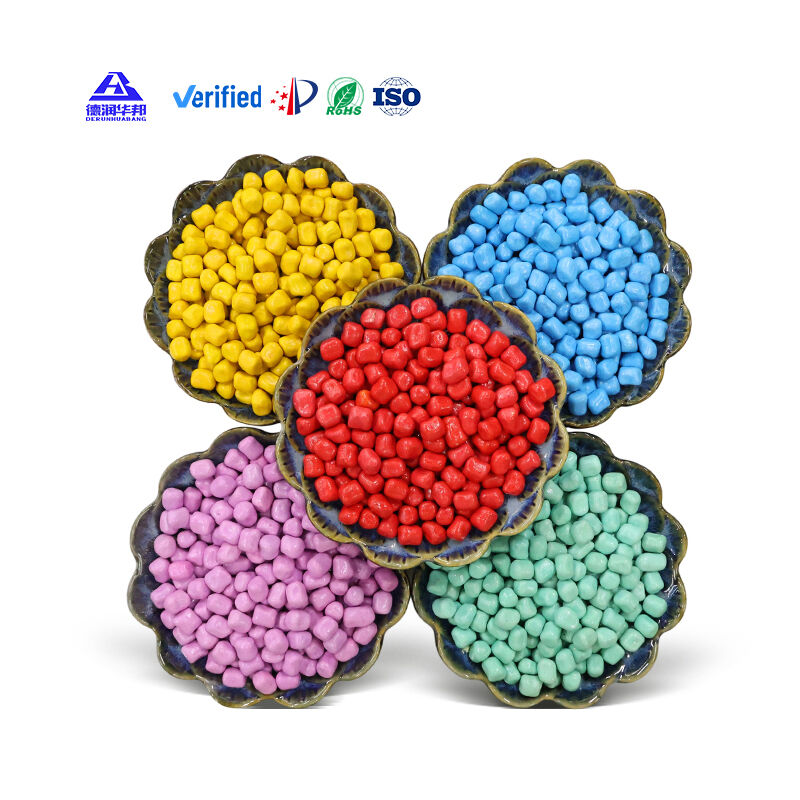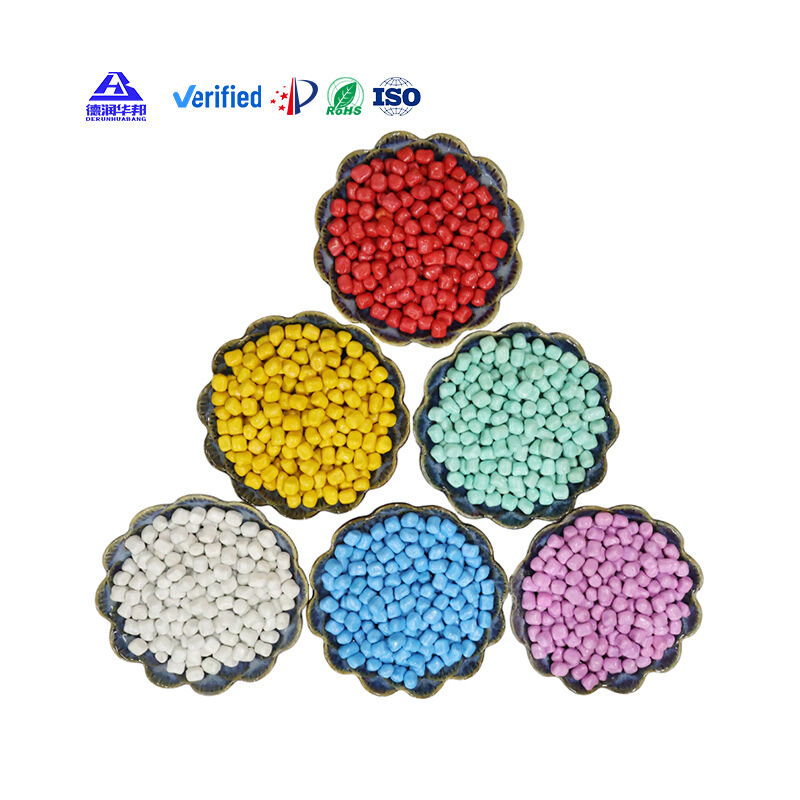


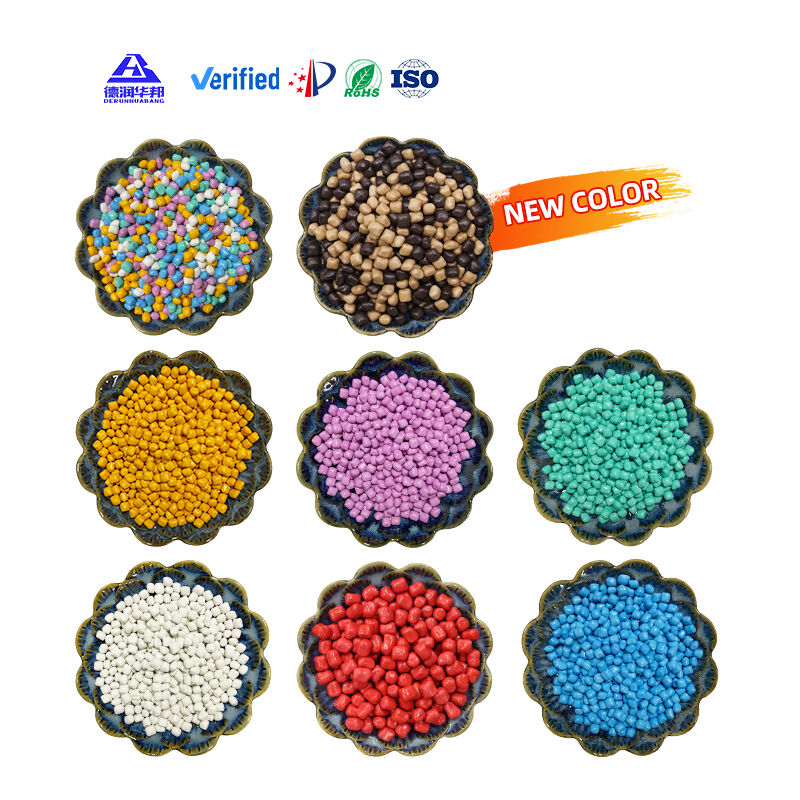
Against the global industrial trend of pursuing green, aesthetic, and high-performance development, an innovative inorganic functional filler—imitation ceramic particles—is emerging as a key material connecting traditional coatings, building materials, and high-end decorative fields. With core advantages of ceramic-like texture, adjustable particle size, and eco-friendly performance, imitation ceramic particles are evolving from a common auxiliary material to a core functional component in architectural coatings, industrial finishes, decorative materials, and other sectors, injecting strong momentum into the high-quality development of the industry. Known as the "new star of decorative fillers," this material is far more than an ordinary inorganic particle; it perfectly integrates natural mineral refinement and modern material modification technology, demonstrating irreplaceable value in enhancing coating texture, improving weather resistance, reducing costs, and achieving green environmental protection.
The core competitiveness of imitation ceramic particles lies in its unique inherent properties and customizable functional design. Mainly composed of high-purity silica and alumina, it undergoes precise grinding, high-temperature sintering, and surface modification processes, boasting uniform particle size distribution (ranging from 325 mesh to 2000 mesh), controllable hardness, and excellent ceramic-like luster and touch. It can be adjusted into different particle sizes and gloss levels according to application needs, with low water absorption, high chemical stability, and strong weather resistance. When added to coatings, it significantly enhances the hardness, scratch resistance, and stain resistance of the paint film, while endowing the coating with a delicate ceramic-like texture and matte/semi-gloss aesthetic effect. Produced from natural inorganic minerals as raw materials, the whole production process is low-carbon and environmentally friendly, with zero harmful volatile substances and compliance with international environmental protection standards such as REACH and RoHS. The closed production process and low energy consumption technology make it a typical green and low-carbon material, aligning with the global "dual carbon" development goals.
Beyond its core performance advantages, imitation ceramic particles deliver tailored solutions for diverse industries with their wide-ranging application adaptability. In the coating industry, it serves as a key functional filler for architectural interior/exterior wall coatings, 2K polyurethane matte finishes, and high-end decorative paints, effectively improving paint film flatness, enhancing texture, and reducing the use of expensive pigments and resins. In the building materials sector, it is widely used in decorative putty, artistic coatings, and imitation ceramic tile materials, providing a lightweight, cost-effective alternative to traditional ceramic materials while maintaining a similar decorative effect. In the industrial manufacturing field, it is applied to plastic modification, rubber products, and surface treatment of metal components, improving the wear resistance and surface finish of products. In the daily chemical and decorative materials industry, it becomes an important additive for high-end decorative paints and craft coatings, with its application scenarios continuously expanding. Its excellent compatibility with solvent-based and water-based systems, stable performance under extreme temperatures, and strong anti-aging ability make it a versatile functional material suitable for various complex application environments.
Currently, the imitation ceramic particles industry is entering a golden era of technological innovation and market expansion. Breakthroughs in precision grading, surface modification, and functional compounding technologies have transformed products from general-purpose to high-end customized, precisely meeting the market demand for high-performance, aesthetic, and eco-friendly fillers in coatings, building materials, and related fields, with the market share of high-value-added products steadily increasing. Processing technology is upgrading towards intelligence and refinement; technologies such as automated particle size screening, constant-temperature sintering control, and green surface modification have achieved a particle size accuracy of 99.2%, controlled the batch-to-batch difference rate within 1.2%, reduced comprehensive energy consumption by 22.3%, and cut production costs by 15.6%. As a major country in non-metallic mineral resources, China has abundant raw material reserves for imitation ceramic particles, has built a complete industrial chain integrating raw material processing, deep modification, and terminal application, with products exported to many countries and regions worldwide, and high-end customized products are accelerating the substitution of imported materials.
Driven by the dual global trends of green development and aesthetic upgrading, the strategic value of imitation ceramic particles has become increasingly prominent. It perfectly aligns with the development goals of low-carbon environmental protection, circular economy, and high-end manufacturing, providing solid material support for the transformation and upgrading of the coatings and building materials industries. The global market size exceeded USD 3.8 billion in 2025, and the Chinese market exceeded RMB 5.2 billion; it is estimated that the market size of high-end customized imitation ceramic particles will reach RMB 45 billion by 2030. From an ordinary filler to a "texture enhancer" for coatings and a "lightweight substitute" for building materials, imitation ceramic particles are breaking traditional application boundaries, proving that innovative inorganic materials can not only support the stable development of the industry but also lead the green and aesthetic upgrading of the manufacturing sector. It is no longer a niche auxiliary material, but a core basic material for building a green, high-quality, and aesthetic modern industrial system, driving the global coatings and building materials industry toward a sustainable and high-value future.