Description
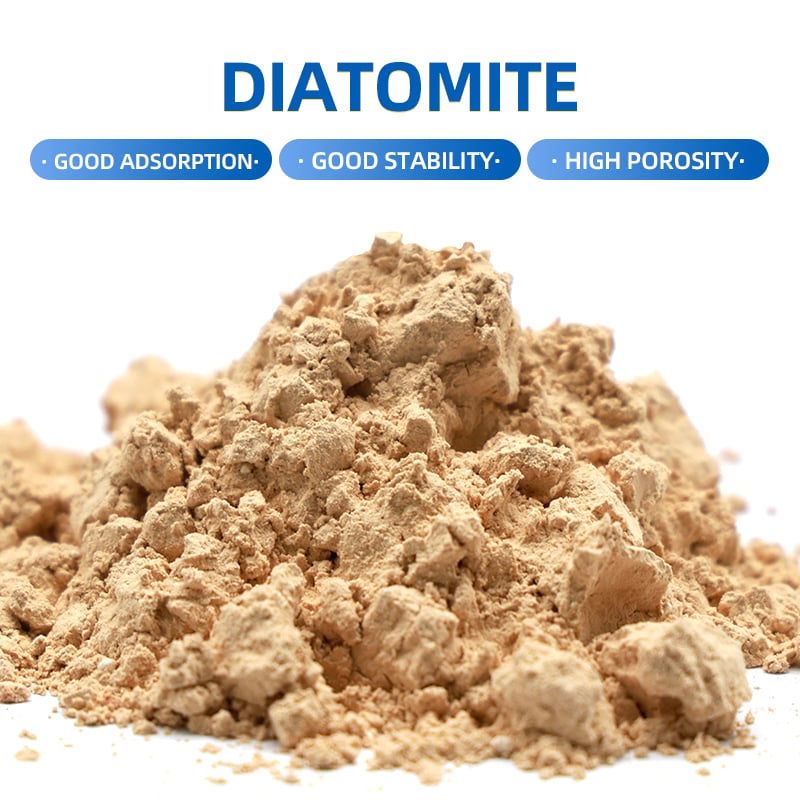
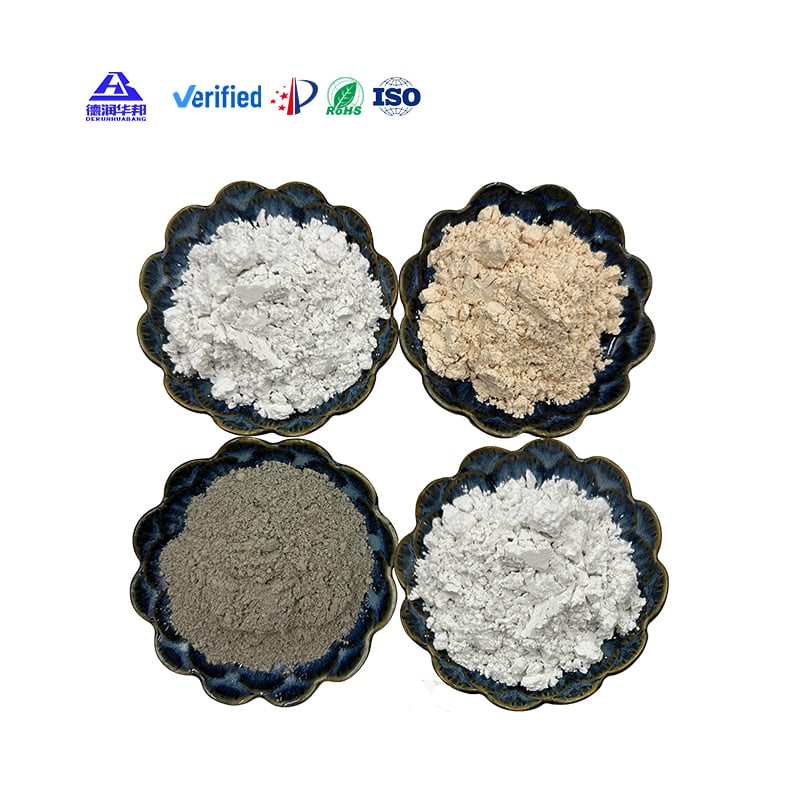
Diatomite powder, a sedimentary rock meticulously crafted by nature over millennia, owes its origin to the siliceous exoskeletons of diatoms—microscopic algae that thrived in ancient aquatic ecosystems. These diatoms, with their unique cell walls made of opaline silica, accumulated on the bottoms of lakes, rivers, and oceans over geological time scales. When these aquatic environments dried up or underwent significant changes, the diatom remains were compacted and cemented together, forming vast deposits of diatomite. Composed primarily of amorphous silica, this naturally occurring powder exhibits a unique frustule structure, characterized by intricate nanoporous architectures that contribute to its exceptional functionality. The nanopores within the frustules are not only highly ordered but also vary in size and shape, creating a complex network that maximizes the surface area available for various interactions.
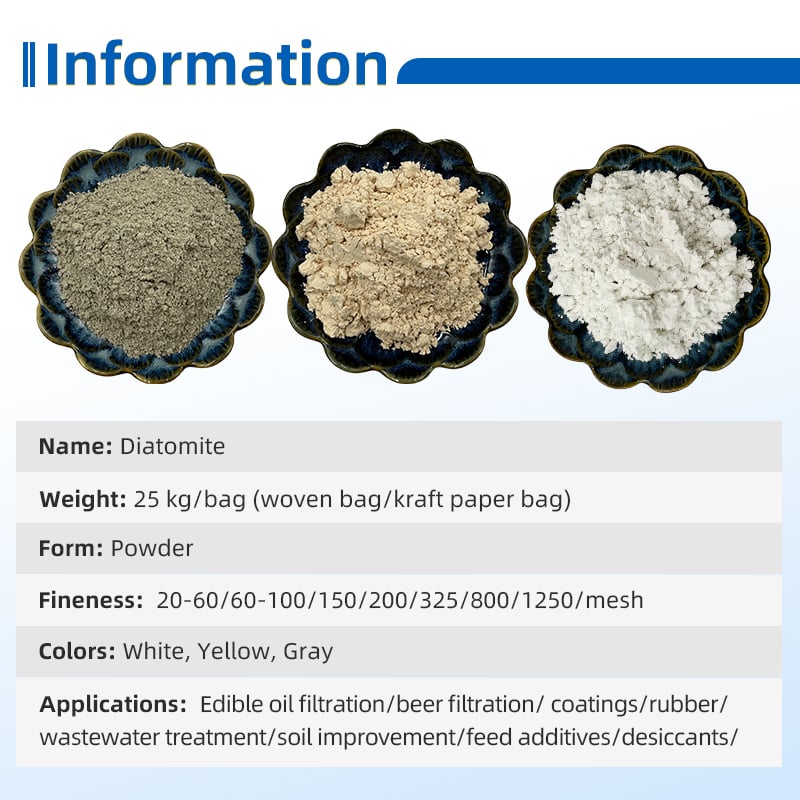
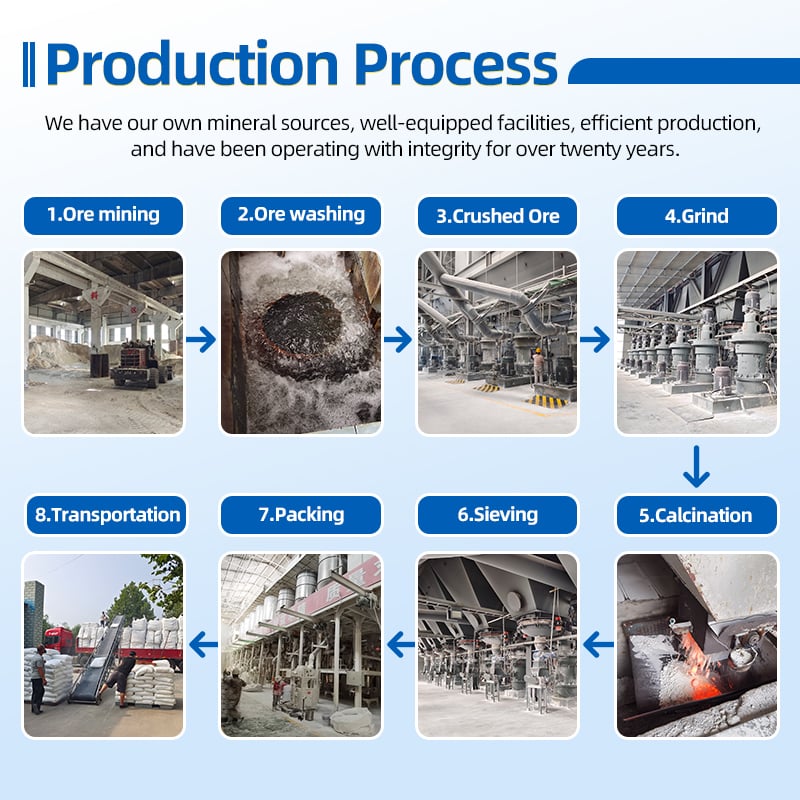
The diatomite extraction process involves meticulous mining from sedimentary deposits, which can be found in many parts of the world, including the United States, Europe, and Asia. These deposits are often located in areas that were once ancient lakes or seabeds. Once mined, the raw diatomite ore undergoes a series of purification steps to remove impurities such as clay, sand, and organic matter. This purification process typically includes washing, screening, and sometimes chemical treatments to enhance the quality of the final product. Following purification, the diatomite is milled to achieve a fine, homogeneous powder with a median particle size typically ranging from 10 to 200 micrometers. The milling process is carefully controlled to ensure consistent particle size distribution, as this directly impacts the performance of diatomite in various applications.
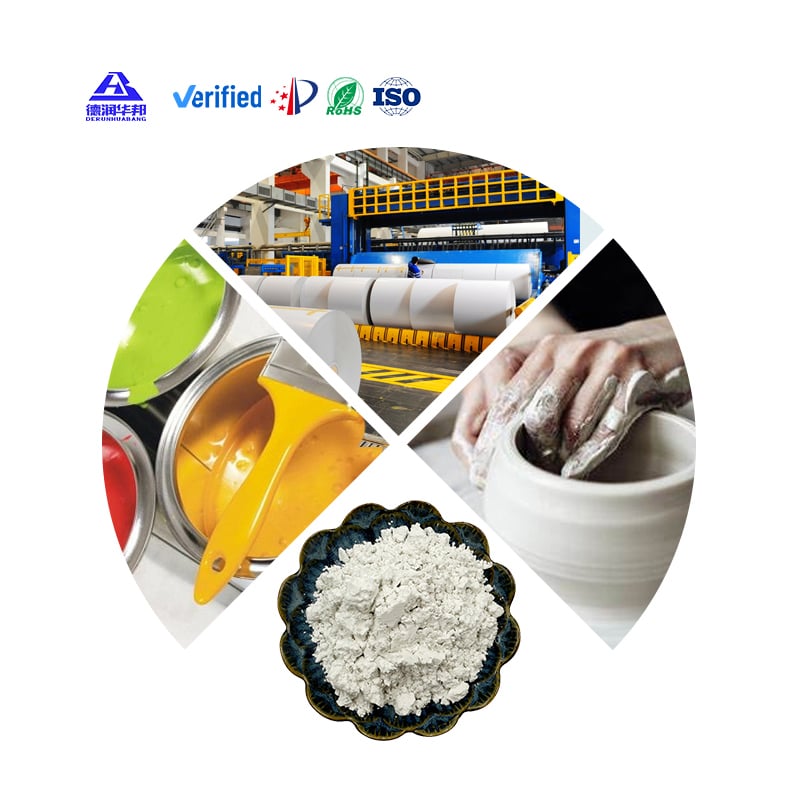
In the paper and pulp industry, diatomite powder serves as a multifunctional additive, leveraging its distinctive physical and chemical properties to enhance product performance. Its high surface area, typically ranging from 15 to 60 m²/g, and porous structure endow it with excellent adsorption capabilities, making it an ideal filler and coating agent. The high surface area means that diatomite powder can interact with a large number of substances, whether it's other components in the paper pulp or ink during the printing process. The porous nature allows it to trap and hold onto small molecules, which is crucial for its role in adsorption and retention.
The powder's inherent whiteness, often exceeding 90% on the ISO brightness scale, further enhances its appeal, as it can significantly improve the optical properties of paper products without compromising their mechanical strength. This high level of whiteness is a result of the pure silica composition and the unique structure of diatomite. Unlike many other fillers that may have a slightly off - white or colored hue, diatomite's natural whiteness provides a clean and bright base for paper products.
As a filler, diatomite powder plays a pivotal role in optimizing paper opacity. Opacity, a critical parameter for various paper grades, determines the paper's ability to conceal underlying text or images. By incorporating diatomite powder into the pulp mixture, paper manufacturers can achieve superior opacity levels through a combination of light scattering and absorption mechanisms. The powder's porous structure acts as a microscopic light diffuser, redirecting incident light and reducing transmission through the paper matrix. This results in a perceptible increase in paper thickness and opacity, even when using minimal amounts of pulp.
For instance, in the production of offset printing paper, the addition of diatomite powder can enhance opacity by up to 15%, enabling the creation of high - quality printed materials with sharp, clear images and text. In magazine printing, where vivid colors and sharp details are essential, diatomite - filled papers can display photographs and graphics with greater clarity. The light - scattering properties of diatomite work in tandem with the ink to create a more visually appealing printed product. Moreover, in the case of newsprint, where cost - effectiveness and readability are key, diatomite can improve the opacity of the paper, allowing for better legibility of the printed text while keeping production costs in check.
In addition to its opacity - enhancing properties, diatomite powder also contributes to the mechanical integrity of paper products. Unlike synthetic fillers that may compromise paper flexibility and strength, diatomite powder integrates seamlessly into the paper matrix, reinforcing its structural framework. The powder's irregular particle shape and surface roughness promote strong interfacial bonding with the cellulose fibers, enhancing tear resistance and tensile strength. This makes paper products containing diatomite powder more durable and resilient, capable of withstanding the rigors of handling, folding, and transportation without compromising their aesthetic appeal.
In the packaging industry, for example, paperboard boxes made with diatomite - enhanced paper are better able to withstand the stresses of stacking, shipping, and handling. They are less likely to tear or deform, ensuring that the contents remain protected. In the case of paper bags, the added strength from diatomite powder allows them to carry heavier loads without breaking. This mechanical improvement is also beneficial for specialty papers used in applications such as bookbinding, where the paper needs to be flexible enough to be folded and stitched but strong enough to withstand frequent use.
As a coating agent, diatomite powder revolutionizes the printing performance of paper products. The powder's fine particle size and smooth surface texture enable the creation of uniform, high - quality coating layers that enhance ink adhesion and distribution. By filling in the microscopic voids and irregularities on the paper surface, diatomite powder creates a smooth, flat substrate that promotes even ink transfer during the printing process. This results in sharper, more vibrant prints with reduced smudging and improved color accuracy.
Moreover, the powder's porous structure facilitates efficient ink absorption, preventing ink pooling and reducing drying times. In high - speed printing applications, such as digital printing and gravure, the use of diatomite powder - based coatings can significantly enhance production efficiency by minimizing downtime and reducing the need for frequent ink adjustments. In digital printing, where speed and precision are crucial, the fast - drying properties of diatomite - coated papers allow for continuous printing without the risk of smudging or misalignment. In gravure printing, which is commonly used for large - scale printing of magazines and packaging materials, the improved ink distribution and absorption mean that fewer printing defects occur, leading to higher - quality output and lower production costs.
One of the most significant advantages of diatomite powder in the paper industry is its potential to reduce pulp consumption. Pulp, the primary raw material in paper production, is derived from wood fibers and is both costly and environmentally intensive to produce. By substituting a portion of pulp with diatomite powder, paper manufacturers can achieve substantial cost savings without sacrificing product quality. The powder's high filler loading capacity, typically ranging from 10% to 30% by weight, allows for significant pulp reduction while maintaining key paper properties such as strength, opacity, and printability.
This not only reduces production costs but also contributes to sustainable resource management by conserving valuable wood resources and minimizing the environmental impact of paper manufacturing. For every ton of diatomite powder used as a filler instead of pulp, a significant amount of wood can be saved. This reduction in wood consumption helps to slow down deforestation, which is a major environmental concern. Additionally, the energy required to process pulp is much higher than that needed for diatomite powder, so using diatomite can also lead to a reduction in energy consumption and associated greenhouse gas emissions.
Furthermore, diatomite powder offers several environmental benefits, making it an attractive choice for eco - conscious paper manufacturers. As a natural, renewable resource, diatomite extraction has a relatively low environmental footprint compared to synthetic fillers. The extraction process can be managed in an environmentally sustainable way, with proper reclamation of the mined areas. Additionally, the powder's biodegradability and non - toxicity ensure that paper products containing diatomite powder are safe for both human use and environmental disposal. This aligns with the growing consumer demand for sustainable and eco - friendly paper products, providing a competitive edge to manufacturers who prioritize environmental stewardship. In an era where consumers are becoming more environmentally aware and demanding sustainable products, the use of diatomite powder in paper manufacturing can be a significant marketing advantage, helping companies to attract more customers and build a positive brand image.
 ×
×