Diatomite emerges as a nature-endowed eco-friendly material that bridges sustainable development and circular economy, adapting innovatively to diverse demands of green infrastructure, fire-retardant materials, and textile dyeing filtration. Unlike synthetic materials relying on non-renewable resources like petroleum for manufacturing or emitting toxic volatile compounds during production, diatomite originates from fossilized diatoms—microscopic single-celled aquatic organisms with silica cell walls that multiplied in ancient oceans and lakes, then fossilized over millions of years under sedimentary pressure. This unique origin grants it inherent porous structure—each particle packed with tiny interconnected silica pores—and strong adsorption capacity that outperforms many synthetic adsorbents. These traits not only distinguish it from conventional industrial materials but also make it a cost-effective alternative to expensive synthetic additives. Serving as core component in air purification, water filtration, and interior renovation, diatomite transcends single-function roles to become multi-purpose solution blending natural properties, functional performance, and environmental responsibility, fitting seamlessly into modern eco-conscious industrial chains.
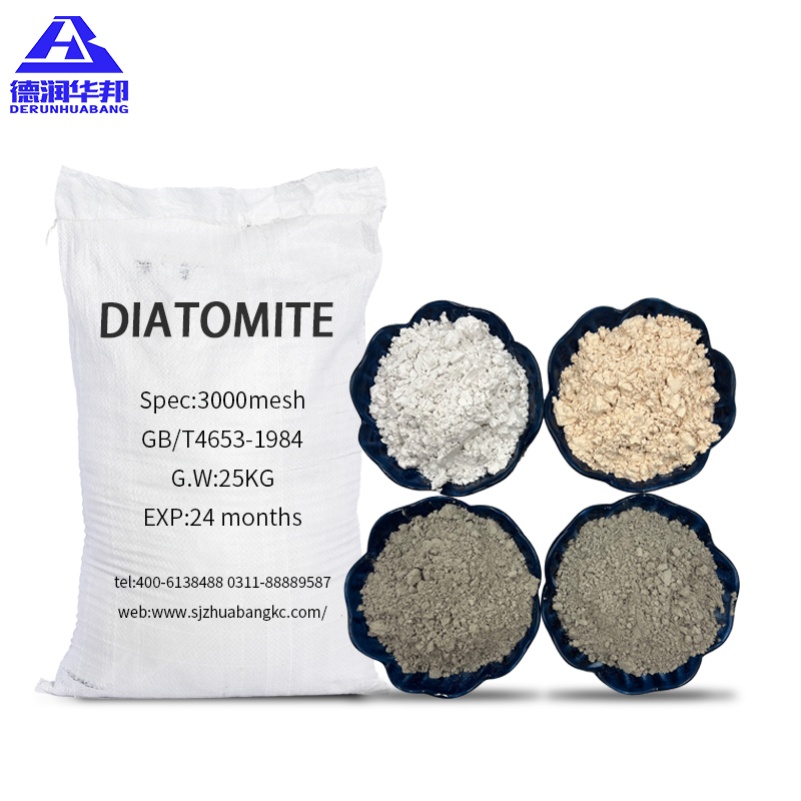
Resource foundation of Diatomite combines natural abundance and ecological harmony, with deposits distributed across continents to ensure stable supply. Diatomite forms through tens of millions of years of diatom accumulation in marine or freshwater basins, where specific environmental conditions—such as stable temperature, sufficient sunlight, and nutrient-rich water—promote massive diatom growth. Deposits differ by habitat to fit diverse new needs: marine diatomite, found in Nordic fjord sediments and Antarctic continental shelf deposits, benefits from cold, clean ocean environments to form finer, denser pores and stronger adsorption capacity, ideal for air purification, high-precision water filtration, and textile dyeing filtration; freshwater diatomite, accumulated in South American Andes plateau lakes (with low mineral content) and Asian river deltas, features larger, interconnected pores and superior heat insulation, suitable for green infrastructure and fire-retardant materials. Extraction adheres to strict eco-friendly standards enforced by regional environmental agencies: surface mining is exclusively adopted to avoid deep geological disturbance that could damage aquifers or soil ecosystems, and mined areas undergo systematic ecological restoration—replanting native xerophytes to stabilize arid mining zones, restoring aquatic vegetation near freshwater deposits, and setting up long-term monitoring stations to track soil and water quality. Circular economy is deeply practiced in waste reuse: coarse residues from diatomite purification, which still retain partial porous structure, are ground into irregular granules for green infrastructure insulation; fine dust generated during grinding and classification is recycled into fire-retardant material additives, not only minimizing resource waste but also reducing landfill pressure.
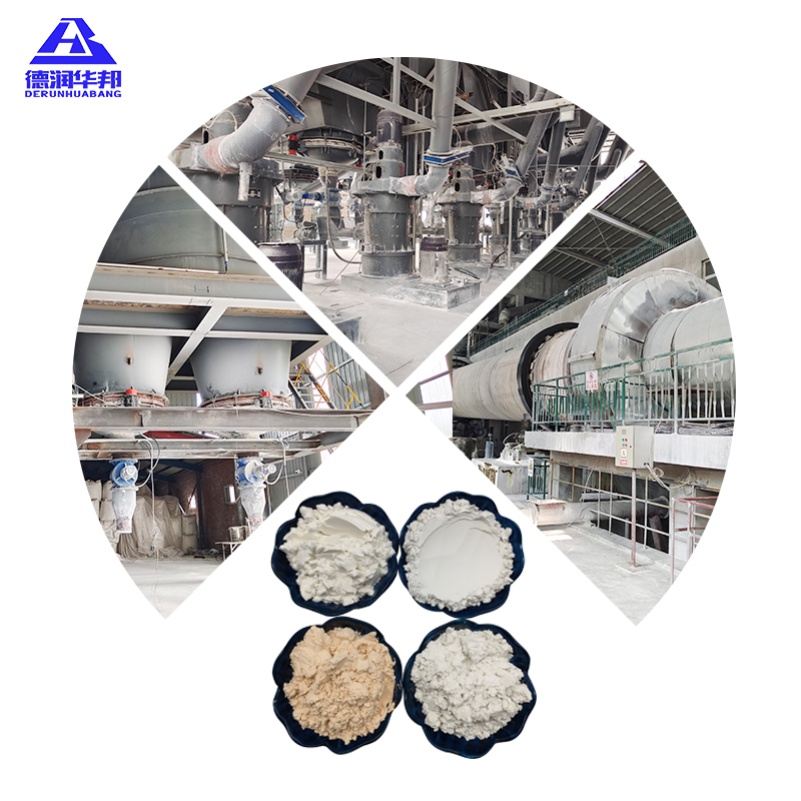
Production processes of Diatomite focus on preserving core properties and reducing environmental impact, with each step calibrated to avoid damaging its delicate silica structure. Processing relies on optimized physical methods to maintain porous structure and adsorption capacity: low-temperature airflow grinding (operating at controlled rotational speeds to prevent particle over-crushing) replaces high-temperature treatment, which would melt and collapse delicate silica pores by controlling particle collision force; air classification uses multi-stage cyclone separation to sort particles by size without any chemical reagents—ultra-fine powder (small enough to pass through fine sieves) for textile dyeing filtration and high-efficiency air filters, medium powder for smooth interior renovation coatings, coarse granules for rigid green infrastructure insulation. High-purity diatomite used for water filtration and textile dyeing undergoes closed-loop wet grinding: recycled deionized water acts as a grinding medium to avoid contamination, and the water is treated through sedimentation and ion exchange before being reused in subsequent batches, completely avoiding wastewater discharge. Novel vacuum activation technology further enhances adsorption capacity by gently extracting organic impurities trapped in pores during fossilization, opening blocked channels without altering pore structure. Wind-solar hybrid drying systems are widely adopted in the final processing stage, replacing coal or natural gas heating and cutting carbon footprint by a notable margin. These processes not only retain diatomite’s natural eco-friendly traits but also optimize its performance for targeted new applications, ensuring consistency across batches.
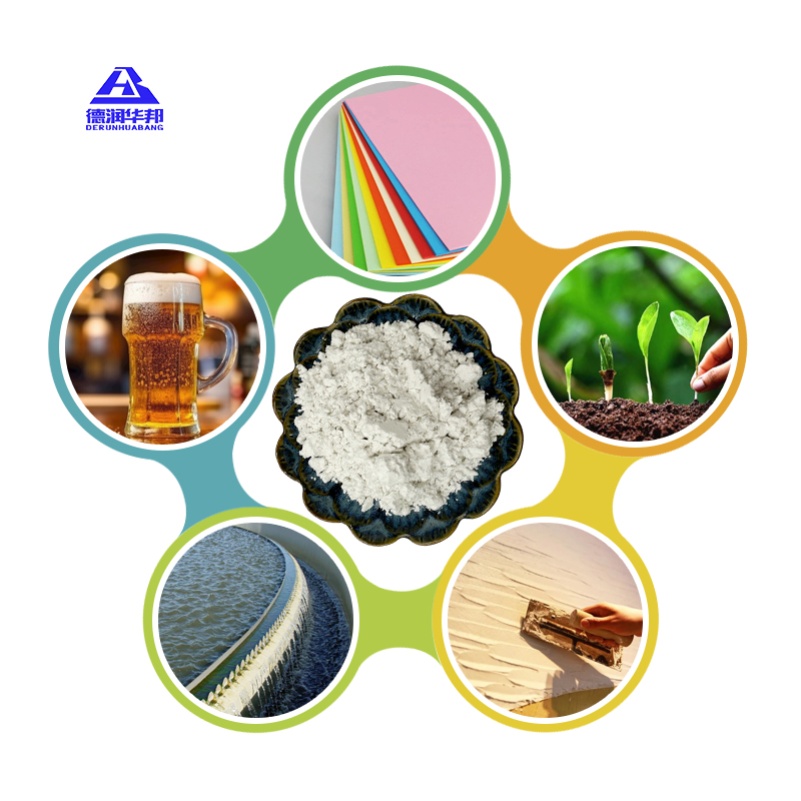
Core properties of Diatomite make it irreplaceable across industries, with each trait rooted in its unique silica-based porous structure. Porous structure—characterized by countless tiny interconnected pores forming a three-dimensional network and a vast internal surface area (often hundreds of square meters per gram)—enables exceptional adsorption capacity: it actively traps volatile organic compounds like formaldehyde and benzene from indoor air, captures dust, pollen, and fine particulate matter from industrial emissions, absorbs heavy metals such as lead and mercury, micro-pollutants, and dye molecules from textile wastewater, and enhances flame retardancy by trapping heat and slowing heat transfer. Breathability and moisture regulation, driven by capillary action in its porous network, realize dynamic control: in interior spaces, it absorbs excess moisture during rainy seasons or in high-humidity regions to prevent wall mold growth and furniture warping, and gradually releases stored moisture when air turns dry (such as in heated winter rooms), maintaining a comfortable relative humidity range. Chemical stability, a result of its inert silica composition, ensures long-term durability: it resists corrosion from industrial dyes, weak acids, and alkalis, making it suitable for harsh environments like textile dyeing facilities and industrial wastewater treatment systems, as well as long-term interior use without discoloration. Thermal insulation, derived from stagnant air trapped within its pores, adds significant value to green infrastructure and fire-retardant materials—reducing heat transfer through walls and roofs and slowing flame spread by insulating combustible materials.
Diatomite excels in diverse new application scenarios, with real-world projects demonstrating its versatility and performance advantages. Green infrastructure leverages its thermal insulation and breathability in practical applications: in Nordic countries, diatomite-based composite roadbed materials are used in highway construction to reduce temperature stress caused by freeze-thaw cycles, preventing pavement cracking in extreme winter weather; exterior wall insulation boards mixed with diatomite are widely applied in residential communities in Asia, lowering building energy consumption by blocking heat transfer and reducing air-conditioning load by a notable degree. Interior renovation integrates diatomite into everyday living spaces: diatomite coatings are applied to bedrooms and children’s rooms for their air-purifying ability, actively adsorbing formaldehyde released from wooden furniture and carpet adhesives; decorative stones mixed with diatomite offer a range of natural textures—from marble-like smoothness suitable for modern living rooms to sandstone-like granularity that complements traditional rustic styles. Air purification applies it in high-pollution scenarios: diatomite-based filters in printing factories capture volatile organic compounds and ink dust, improving workshop air quality and reducing worker exposure to harmful particles; industrial filters use it in metal processing plants to remove metal oxide dust from production emissions. Water filtration and textile dyeing filtration use granular diatomite as a core medium in multi-stage systems: in textile factories, it purifies wastewater containing reactive dye residues, allowing water to be recycled for production; in rural water treatment plants, it enhances drinking water clarity by absorbing micro-impurities. Fire-retardant materials are a key new application: diatomite mixed with eco-friendly flame retardants forms coatings for wooden structures in public buildings, slowing combustion and reducing smoke emission, which buys more time for evacuation in emergency situations.
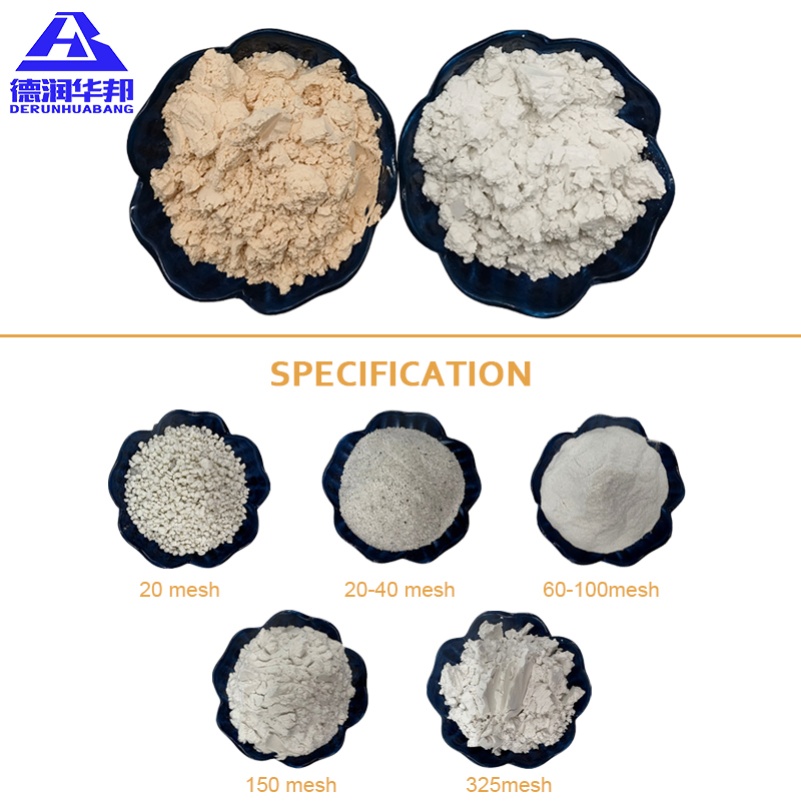
Quality control of Diatomite is tailored to specific new applications, with rigorous testing protocols to ensure consistent and reliable performance. For air and water treatment grades, adsorption efficiency tests are conducted using simulated working conditions such as exposing diatomite samples to dye solutions with known concentrations for textile dyeing filtration scenarios—to measure pollutant-trapping ability; pore size analysis is performed using microscopic imaging to ensure pores match the size of target contaminants (smaller pores for dye molecules, larger pores for suspended solids). For fire-retardant materials, vertical burning tests are carried out in controlled labs to assess flame spread rate and smoke density, while thermal stability tests expose samples to high temperatures for extended periods to verify durability. For green infrastructure materials, thermal conductivity tests measure heat transfer rates in climate-controlled chambers to confirm energy-saving effects, and breathability tests simulate humid and dry cycles to monitor moisture absorption and release rates. For textile dyeing filtration, dye adsorption rate tests track how quickly contaminants are removed, and flux tests measure water flow rate to ensure filtration efficiency does not compromise production speed. Recycled residues undergo strict purification processes—magnetic separation removes metal impurities picked up during mining, and particle size uniformity tests ensure consistent performance and are then subject to the same performance tests as virgin diatomite to meet industry standards. Many manufacturers also pursue third-party eco-certifications to verify that production processes align with international sustainability criteria, building trust among industrial clients.
 ×
×


