 ×
×
Zeolite is a class of hydrous aluminosilicate minerals of alkali or alkaline earth metals with a unique framework crystal structure. As a high-value functional inorganic mineral, it features uniform pores and cavities, and possesses core properties such as excellent ion exchange, selective adsorption and catalytic performance. It is an indispensable key material in environmental protection, petrochemical, building materials, and agricultural and animal husbandry industries, and is known as the "universal mineral" in industrial production with high application value and market potential.
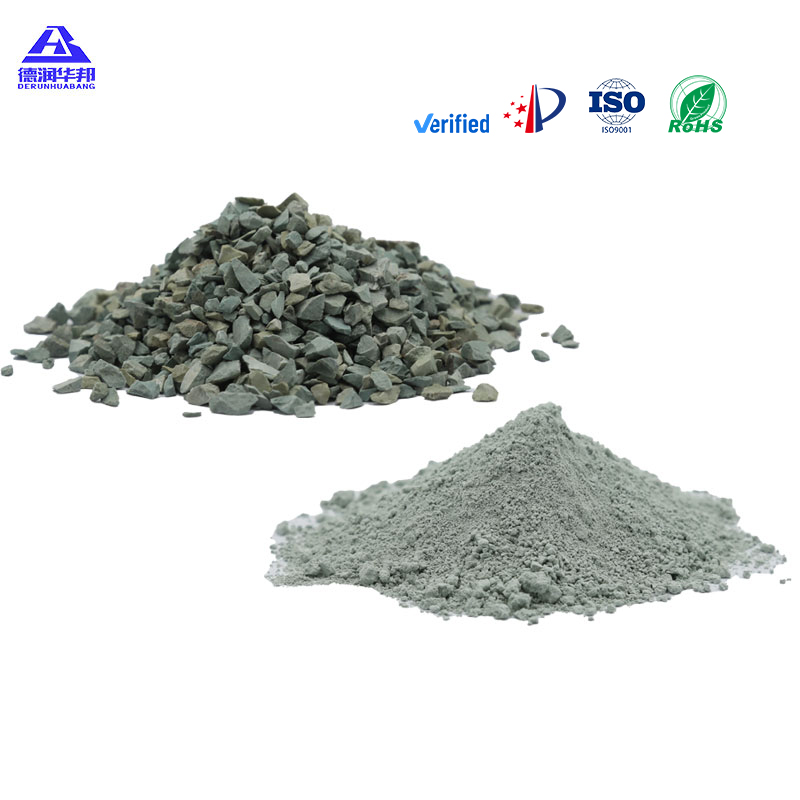
1.Meticulous Craftsmanship: Two Production Paths Ensure Controllable and Traceable Quality
(1)Natural Mineral Processing
Purified and processed from natural zeolite ores such as clinoptilolite and mordenite through processes such as crushing, grinding, wind separation and impurity removal, it retains the natural structural characteristics of zeolite, with low production cost and stable supply. It is suitable for general application scenarios with high cost-effectiveness requirements, such as soil improvement in agricultural and animal husbandry, civil deodorization, and basic building materials additives. The product quality conforms to the national standard GB/T 35805-2018, and the natural zeolite content is not less than 60% for qualified products.
(2)Chemical Modification
Adopting precise processes such as acid washing, salt treatment, and metal ion loading, the raw materials are based on natural zeolite, and the pore size distribution and surface properties of zeolite are adjusted to enhance its adsorption capacity, ion exchange efficiency and catalytic activity. The modified zeolite can realize the high-value utilization of low-grade natural zeolite ore, in line with the green production trend of resource recycling. The synthesized products have high performance (specific surface area ≥380m²/g, ammonia adsorption value ≥150mg/100g), uniform particle size, and stable performance, meeting the stringent requirements of high-end fields such as petrochemical catalysis, high-concentration wastewater treatment, and food-grade additives.
2.Core Features: Six Major Advantages Underpin "Abundant Value"
(1)Environmentally Friendly and Non-Toxic, Compliant and Worry-Free
Free of heavy metals and harmful substances, it complies with EU RoHS, SGS non-toxic testing and Chinese national standards. It can be directly used in food contact materials, feed additives, children's product accessories and other fields, and no secondary pollution will be generated during use, which is a green and environmentally friendly functional material.
(2)Weather-Resistant and Stable, Long Service Life
It has excellent thermal stability and chemical stability, can withstand high temperature (up to 800℃ without structural damage), acid and alkali corrosion, and is not affected by natural factors such as ultraviolet radiation, rain and humidity. It can maintain stable performance for a long time in outdoor and harsh industrial environments, and is a "long-life functional material" for industrial equipment and environmental protection facilities.
(3)Excellent Adsorption and Ion Exchange Performance
The unique framework pore structure brings a huge internal specific surface area (up to 500m²/g after dehydration), which can selectively adsorb gas, liquid molecules and heavy metal ions (such as NH4+, Pb2+, Cr6+). It has high cation exchange capacity (CEC ≥100cmol(+)/kg), and can realize the exchange of metal ions in the solution, which is the core advantage for water treatment, gas purification and soil heavy metal remediation.
(4)High Catalytic Activity, Wide Application Range
It has good catalytic performance and can be used as a catalyst or catalyst carrier directly. It has the characteristics of high catalytic efficiency, anti-toxicity and easy recovery. It can be applied to petrochemical cracking, organic synthesis, VOCs degradation and other catalytic reactions, and can improve the reaction efficiency and product purity of industrial production.
(5) Good Dispersibility and Convenient Construction
It can be processed into powder, particles, blocks and other forms according to application needs, and has good dispersibility in water-based and solvent-based systems. It is easy to mix with cement, coating, plastic and other materials, and is suitable for various processing technologies such as mixing, granulation, and molding. The construction process is simple and the operation threshold is low.
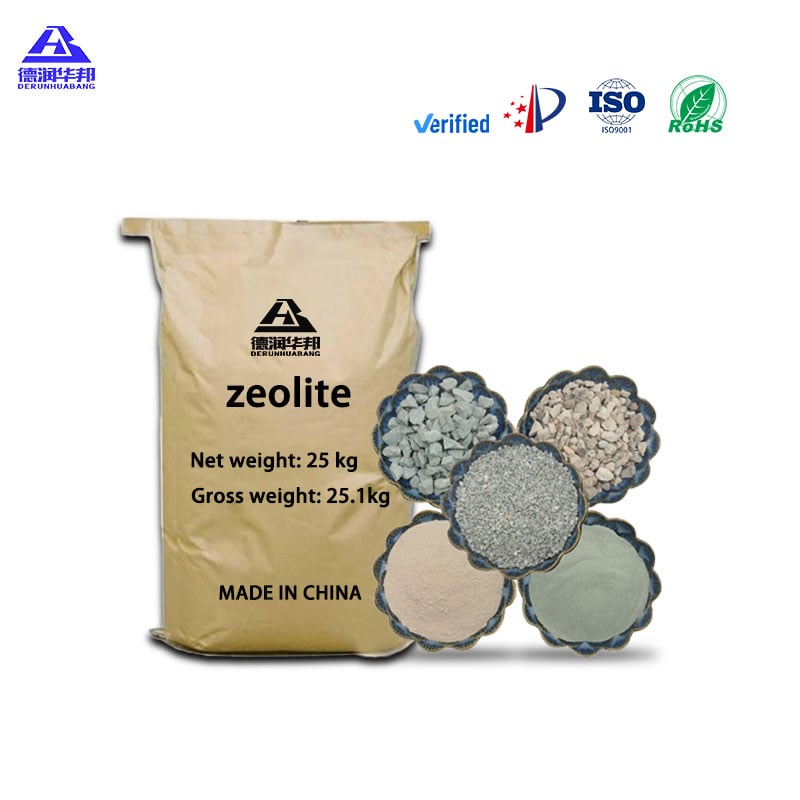
3.Empowering All Industries: From Basic Building Materials to High-End Manufacturing, Covering All Sectors
Cement admixture, lightweight aggregate, lightweight high-strength plates: Zeolite is added to cement to improve the strength and durability of concrete, reduce cracking; lightweight aggregate and plates made of zeolite have the characteristics of light weight, heat insulation and fire resistance, suitable for green building construction; building stone and inorganic foaming materials: utilize the porous structure of zeolite to achieve heat insulation and sound absorption effects, and improve the comprehensive performance of building materials.
Catalyst and carrier, molecular sieve, desiccant: Zeolite is the core catalyst for petroleum cracking, isomerization and reforming, which can improve the processing efficiency and product quality of petroleum; molecular sieve made of zeolite can separate and purify gas and liquid (such as air separation, natural gas dehydration); it is a high-efficiency desiccant for chemical production, with strong water absorption and recyclable use.
Wastewater and waste gas treatment, soil remediation: It can adsorb and remove ammonia nitrogen, heavy metal ions and organic pollutants in industrial and domestic wastewater, and the treatment efficiency is as high as 90%+; it can adsorb sulfur dioxide, nitrogen oxides and other harmful gases in industrial waste gas, and purify the air; it can repair soil polluted by heavy metals and improve soil quality by ion exchange and adsorption.


