





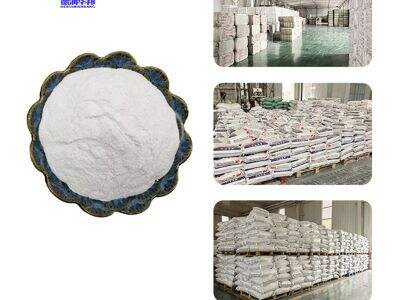
Cellulose-based bioplastics is made from natural stuff that come from plants. This kind of plastic getting more popular because it much better for environment than those traditional plastics from petroleum. At Huabang, we working on high-quality cellulose bioplastics that strong, can use in many things, and very versitile. These bioplastics break down easier and dont harm the earth so much like regular ones. Knowing the science about cellulose and how it turn into bioplastic important for business and also consumers.
The Benefits of Cellulose-Based Bioplastics for Wholesale Buyers
Wholesale buyers can get many good things when choose cellulose-based bioplastics from Huabang. First, they renewable, come from plants that we can grow again. This big because it reduce using fossil fuels which limited and make pollution. Buyers can feel good that they picking product kinder to planet. And another thing, these bioplastics very versitile. Can use for packaging, disposable spoons and forks, even farm films. So wholesale people can sell wide range products to meet different customer need. Also they got good strenght, flexible, and can look feel like normal plastic. This let buyers sell items that people want eco friendly but without lose quality. Lastly, since more people know about environment problem, demand for sustainable stuff growing fast. Wholesale buyers who pick cellulose bioplastics will be ahead and attract more customers who care about earth. For instance, incorporating sustainable materials like Rubber or Zeolite can further enhance product offerings.
What Makes Cellulose-Based Bioplastics a Sustainable Choice?
Cellulose bioplastics consider sustainable for few reasons. First they made from natural things, so dont use up earth resources. Cellulose in many plants like tree and cotton, can harvest without too much harm. This help keep biodiversity and ecosystem healthy. Also when they break down, no bad chemicals left behind. They return to soil and make it better instead polluting. This much better than regular plastic which take hundred years to decompose and release toxins. In addition, making cellulose bioplastics usally need less energy than traditional one. So less greenhouse gas go to air, help fight climate change. Company like Huabang try hard to cut energy use but keep good quality. Finally, using this support circular economy, material can reuse or recycle, less waste. When business choose these, they not only smart for product but also help healthier planet for next generations. By choosing cellulose bioplastics, companies can also explore options like Mica powder for diverse applications.
Cellulose-based bioplastics are special plastic from natural plant materials. One biggest advantage is they more friendly to planet than regular plastic. Normal plastic come from oil, fossil fuel, make pollution and take long time break down. But cellulose from plants like trees grasses, can renew because we grow more. When cellulose bioplastic decompose, it happen quicker, less trash in landfill and ocean less polluted. By choosing this, we reduce waste amount. At Huabang we think using material that break natural way great for planet. Another advantage making them usally take less energy, so less CO2 in air help climate. Also protect animals better, because regular plastic animals eat can die, but these break to natural stuff safer. Overall advantages clear: renewable, faster breakdown, less energy, safer wildlife. Switching to cellulose bioplastics help make cleaner world.
Choosing right cellulose bioplastic for you need can seem hard but not really! First think what you use it for. Different product need different things. Like if food container, need safe for food and keep fresh. But if bags or packaging, need strong hold heavy. At Huabang we have various types for different use. Also consider where use, outside in rain or inside room temp? Some better for outdoor weather. Think how long need last, some long time some short only. Important check if compostable, because compostable ones turn to soil in compost good for enviroment. Read label and ask if not sure. Finally cost, sometime cellulose bit more expensive than normal but benefit for planet big. At Huabang we try give high quality but also affordable. By take time choose right one, you make smart choice help you and planet.
Demand for bioplastics growing all over world, and cellulose-based ones leading! Many people now aware regular plastic cause problem to enviroment, animals, even human health. This make business and people look for better option. Bioplastic especially cellulose popular because from natural. Companies like Huabang working to meet this with good quality product. As more want earth friendly, need for bioplastic keep growing. Many company want show they sustainable, reduce carbon foot print. This not just one place, happen worldwide! Government make rules to push bioplastic use, reduce plastic waste promote green. So more research to make them stronger cheaper available. Growing demand good sign for future. Show people care planet and ready change. By pick cellulose bioplastics, we all can help cleaner greener world!

