 ×
×
पोर्सिलेन के कण एक विशिष्ट औद्योगिक सामग्री के रूप में माने जाते हैं, जिनके अपने विशिष्ट भौतिक एवं रासायनिक गुण होते हैं और जो लक्षित विनिर्माण आवश्यकताओं को पूरा करने के लिए डिज़ाइन किए गए हैं; ये सामग्री निर्धारित उत्पादन क्षेत्रों में विश्वसनीय प्रदर्शन और बहुमुखी उपयोगिता प्रदान करती है, बिना प्रतिबंधित अनुप्रयोग क्षेत्रों में प्रवेश किए। यह सूक्ष्म रूप से निर्मित कणीय सामग्री को कठोर औद्योगिक मानकों को पूरा करने के लिए इंजीनियर किया गया है, जिसमें सुसंगत कण आकार, चिकनी सतह का बनावट और स्थिर संरचनात्मक विशेषताएँ शामिल हैं—जो इसे बच्चों के खिलौनों के निर्माण और औद्योगिक फिलर सूत्रों में एकीकरण के लिए आदर्श बनाती हैं, ये दोनों मुख्य क्षेत्र विश्वसनीय सामग्री प्रदर्शन और सुरक्षित संचालन विशेषताओं की मांग करते हैं। पोर्सिलेन के कणों के उत्पादन और उपयोग का प्रत्येक पहलू सामग्री की गुणवत्ता को उन्नत करने और विशिष्ट विनिर्माण आवश्यकताओं के अनुकूल बनाने पर केंद्रित है, जिससे उत्पादन प्रक्रियाओं और अंतिम उत्पाद की कार्यक्षमता के साथ सुग्घ अनुकूलता सुनिश्चित होती है, साथ ही सामग्री की सुरक्षा और उपयोगिता के लिए कठोर उद्योग मानकों का पालन भी किया जाता है।
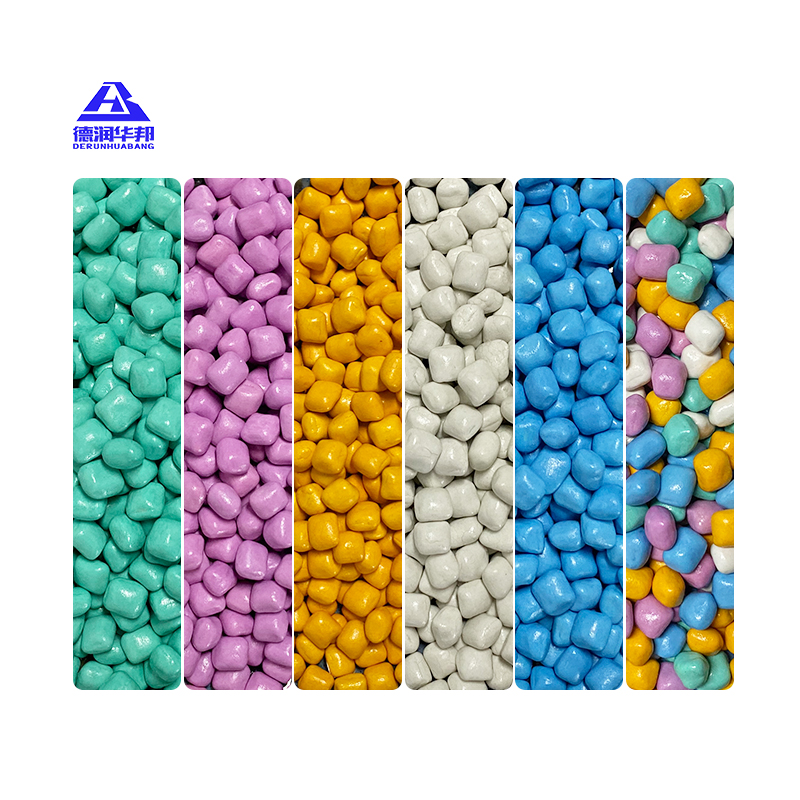
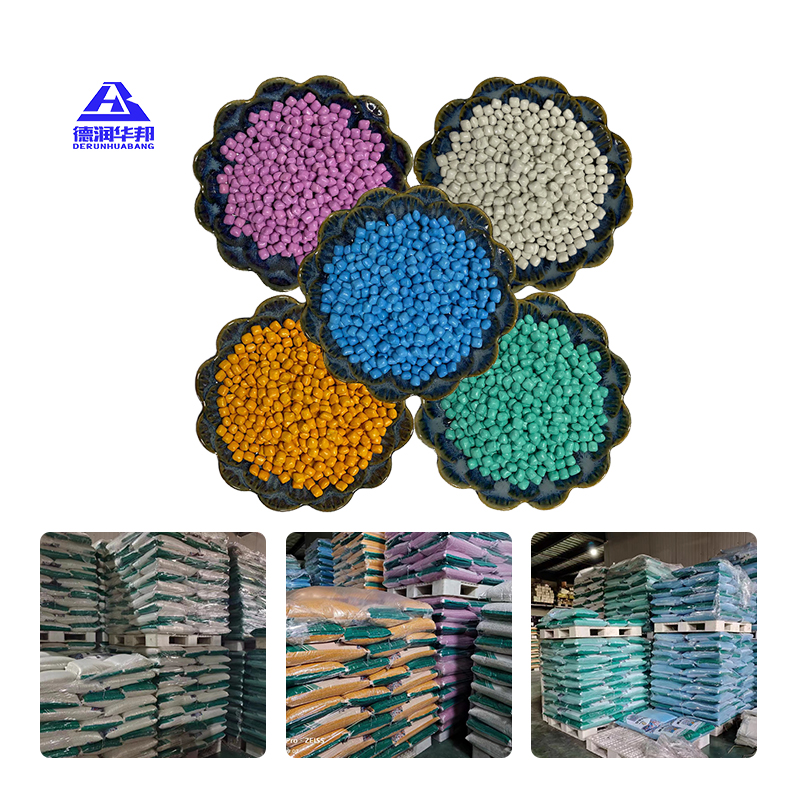
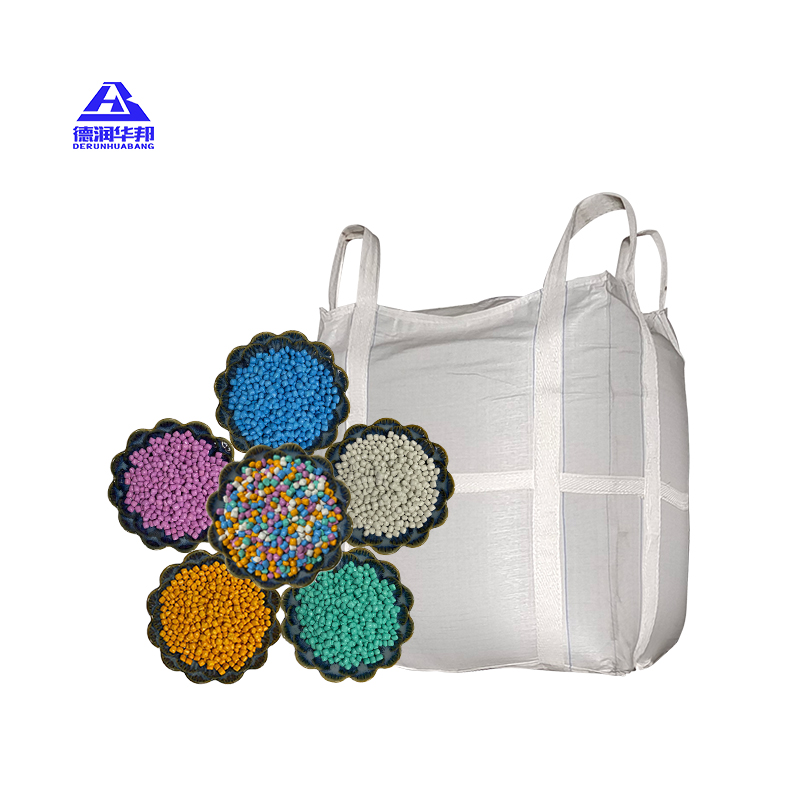
बच्चों के खिलौनों के निर्माण के क्षेत्र में, पोर्सिलेन के कण एक महत्वपूर्ण सामग्री घटक के रूप में कार्य करते हैं, जो विभिन्न खिलौना उत्पादों की गुणवत्ता, सुरक्षा और दीर्घायु को बढ़ाते हैं, जो शिशु वस्तुओं के कठोर निर्माण दिशानिर्देशों के अनुरूप हैं तथा विश्वसनीय सामग्री प्रदर्शन पर प्राथमिकता देते हैं। पोर्सिलेन के कणों की चिकनी, गैर-क्षरणकारी सतह खिलौनों के उपयोग के दौरान खरोंच या जलन के जोखिम को समाप्त कर देती है, जिससे वे मुलायम स्पर्श गुणों और स्थिर संरचनात्मक स्थायित्व की आवश्यकता वाले खिलौना घटकों के निर्माण के लिए एक उपयुक्त विकल्प बन जाते हैं। निर्माता खिलौनों की कठोरता और पहन-प्रतिरोध को बढ़ाने के लिए पोर्सिलेन के कणों को खिलौना ढांचों और संयोजित सामग्रियों में शामिल करते हैं, जिससे बार-बार संभालने और खेलने के बावजूद भी आसानी से टूटने, विकृत होने या सतह क्षति के जोखिम को रोका जा सकता है; इस प्रकार खिलौना उत्पादों के सेवा जीवन को बढ़ाया जाता है और प्रतिस्थापन की आवश्यकता को कम किया जाता है।
मूल संरचनात्मक मजबूती के अतिरिक्त, पोर्सिलेन के कण बच्चों के खिलौनों की सौंदर्यपूर्ण और कार्यात्मक सुधार के लिए योगदान देते हैं, जिससे खिलौनों में सूक्ष्म बनावट और भार संतुलन का समावेश होता है, जो समग्र खेल अनुभव और उत्पाद की आकर्षकता को बढ़ाता है। खिलौना निर्माता पोर्सिलेन के कणों की एकरूप कणाकारता का उपयोग करके ऐसे खिलौने बनाते हैं जिनमें भार का सुसंगत वितरण होता है, जिससे अत्यधिक हल्के या असंतुलित डिज़ाइनों से बचा जा सके जो खेलने की क्षमता को प्रभावित कर सकते हैं, और सतह के फिनिश को सुधारकर चिकनी, पॉलिश की गई उपस्थिति प्राप्त की जाती है जो दृश्य आकर्षण को बढ़ाती है। चाहे वे प्लास्टिक खिलौना संयोजकों, लकड़ी के खिलौना एक्सेसरीज़ या मॉल्ड किए गए खिलौना घटकों में शामिल किए गए हों, पोर्सिलेन के कण आधार भौतिक सामग्रियों के साथ सुग्ध रूप से मिल जाते हैं, जिससे खिलौने की मूल विशेषताओं को बनाए रखा जाता है जबकि उनकी टिकाऊपन और स्पर्शगत गुणवत्ता में वृद्धि की जाती है।
औद्योगिक फिलर अनुप्रयोगों में, पोर्सिलेन के कण भी कच्चे माल के मिश्रणों की कार्यक्षमता और प्रसंस्करण दक्षता को बढ़ाते हैं, जिससे निर्माण कार्यप्रवाह सरल हो जाते हैं और निर्माताओं के लिए उत्पादन संबंधी जटिलताएँ कम हो जाती हैं। पोर्सिलेन के कणों की चिकनी और स्वतंत्र-प्रवाही प्रकृति के कारण इन्हें आधार सामग्रियों के साथ आसानी से मिलाया जा सकता है, जिससे संयोजित मिश्रणों में समान वितरण सुनिश्चित होता है और उत्पाद के दोषों का कारण बनने वाले असमान वितरण को दूर किया जा सकता है। यह सुसंगत मिश्रण क्षमता उत्पादन चक्र को तीव्र करती है, कच्चे माल के अपव्यय को कम करती है और कम सामग्री संगतता या असमान फिलर एकीकरण के कारण उत्पादन में देरी के जोखिम को कम करती है। संबंधित औद्योगिक क्षेत्रों के निर्माता पोर्सिलेन के कणों पर निर्भर करते हैं ताकि फिलर सूत्रों को अनुकूलित किया जा सके, भरे हुए उत्पादों के प्रदर्शन में सुधार किया जा सके और स्थिर उत्पादन आउटपुट बनाए रखा जा सके।
पोर्सिलेन के कणों की विभिन्न आधार सामग्रियों के साथ उत्कृष्ट संगतता इनके उपयोग को खिलौना निर्माण और भराव सामग्री (फिलर) दोनों के क्षेत्रों में और अधिक विस्तारित करती है, जिससे इन्हें बहुलकों, रालों, बाइंडरों तथा अन्य औद्योगिक कच्ची सामग्रियों के साथ आसानी से एकीकृत किया जा सकता है। पोर्सिलेन के कणों की गुणवत्ता की स्थिरता इनकी एक प्रमुख विशेषता है, जहाँ मानकीकृत उत्पादन प्रक्रियाएँ प्रत्येक बैच में कणों के एकसमान आकार, आकृति तथा सामग्री गुणों की गारंटी देती हैं—जो खिलौना निर्माण और भराव सामग्री अनुप्रयोगों में उत्पाद की एकरूपता बनाए रखने के लिए अत्यंत महत्वपूर्ण है। स्थिर सामग्री विशेषताएँ बैच-से-बैच परिवर्तनों को समाप्त कर देती हैं, जिससे निर्माता सामग्री के व्यवहार की सटीक भविष्यवाणी कर सकते हैं, स्थिर उत्पादन पैरामीटर सेट कर सकते हैं तथा विश्वसनीय प्रदर्शन और एकरूप गुणवत्ता वाले अंतिम उत्पादों का उत्पादन कर सकते हैं।


