 ×
×
Imitation porcelain particles are environmentally friendly decorative functional particles prepared using inorganic minerals and modified silicates/carbonates as base materials. They are among the world's leading inorganic decorative fillers, widely used in building materials, coatings, plastics, decorative panels and other industries, and have core advantages such as environmental safety, weather resistance, durability and high cost performance.
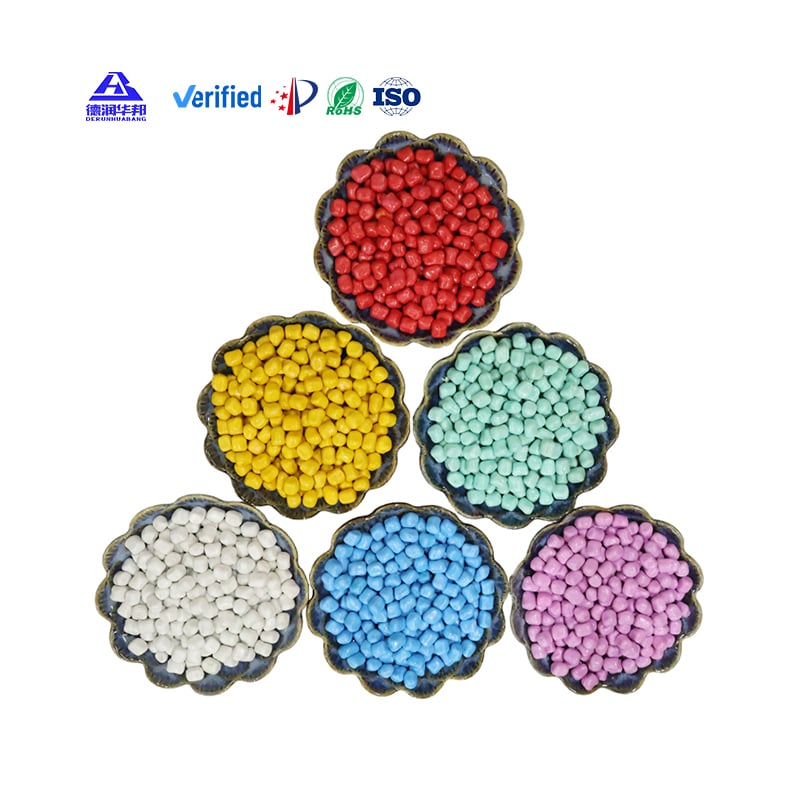
1. Meticulous craftsmanship: Two production paths ensure controllable and traceable quality
(1)Natural mineral processing
It is made from purified and processed natural minerals such as calcite, quartz, and porcelain stone, retaining the natural texture and being cost-effective. It is suitable for general scenarios where cost-effectiveness is a requirement (such as ordinary building material filling and wall decoration).
(2)Chemical synthesis
Employing precise processes such as precipitation, calcination, and surface modification, this method leverages industrial solid waste for resource recovery, turning waste into treasure and aligning with the trend of green production. The synthesized product boasts high purity, uniform particle size, and strong texture consistency, meeting the stringent requirements of high-end coatings, food contact materials, and high-end decorative panels.
2. Core Features: Six Major Advantages Underpin "Abundant Value"
(1)Environmentally friendly and non-toxic, compliant and worry-free
It contains no heavy metals, complies with EU REACH, RoHS and Chinese national standards, and can be used in children's toys, food contact materials and high-end interior decoration.
(2)Weather-resistant and lightfast, long-lasting and stable
It has extremely strong UV resistance, will not fade or chalk after long-term outdoor use, and is suitable for high-temperature and rainy environments. It is a long-lasting finishing material for building exterior walls and outdoor decoration.
(3)Acid and alkali resistant and corrosion resistant
It has excellent alkali resistance and is perfectly compatible with cement and lime systems; it is stable to weak acids and can resist industrial corrosion, making it the first choice for anti-corrosion coatings and imitation porcelain finishes.
(4)Strong tinting strength and excellent hiding power
A small amount is enough to achieve a rich color, effectively cover the base material, reduce material costs, and maximize cost-effectiveness.
(5)Good dispersibility and convenient construction
With fine particles, it is easily dispersed in water-based and solvent-based systems, and is suitable for various processes such as coatings, concrete, plastics, and imitation porcelain panels.
(6)Batch stability and controllable quality
Reputable manufacturers use the ISO9001 quality management system to ensure that each batch has consistent color, texture, and performance, thus avoiding production losses.
3. Empowering all industries: From basic building materials to high-end manufacturing, covering all sectors.
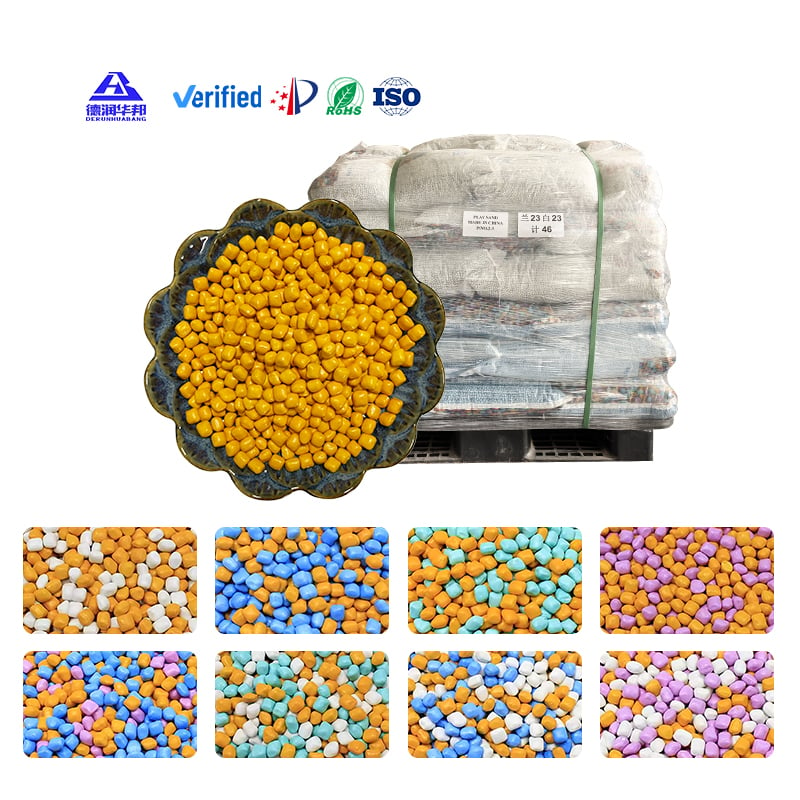
(1)Building Materials Industry
Colored concrete, imitation porcelain floor tiles, decorative tiles, and cultural stone: Using white/gray/colored particles to create a porcelain-like texture, these materials are resistant to sun and rain, maintaining their appearance for many years.
Interior and exterior wall coatings, putty, and artistic paints: Environmentally friendly and non-toxic, with a delicate texture, suitable for both residential and commercial decoration, and less prone to cracking after application.
Roads and infrastructure: Colored pavements and wear-resistant flooring, anti-aging, enhancing aesthetics and durability.
(2)Plastics and Rubber Industry
Pipes, toys, cables, and imitation porcelain products: High temperature resistant (some varieties can withstand 300℃), stable texture, meets environmental protection standards, and are suitable for children's toys and food packaging.
(3)Industrial Coatings and Corrosion Protection
Automotive paint, industrial paint, and imitation porcelain coating: enhances coating hardness and texture; Shipbuilding, bridge, and steel structure: core component of anti-corrosion decorative particles, resisting sea wind and moisture erosion and extending service life.


