 ×
×
In a world increasingly focused on sustainability and high-performance materials, wollastonite powder (CaSiO₃) is emerging as a game-changer across multiple industries. Known for its unique needle-like crystal structure, high thermal stability, and eco-friendly profile, this naturally occurring calcium silicate mineral is redefining how manufacturers approach strength, cost-efficiency, and environmental responsibility.
Unlike conventional fillers that merely dilute formulations, wollastonite actively enhances material performance. Its high aspect ratio fibers form a reinforcing network in composites, significantly improving tensile strength, dimensional stability, and heat resistance in plastics and rubber. In ceramics, it reduces shrinkage and cracking during firing, enabling faster production cycles and lower energy consumption—key advantages in an era of rising fuel costs and carbon constraints.
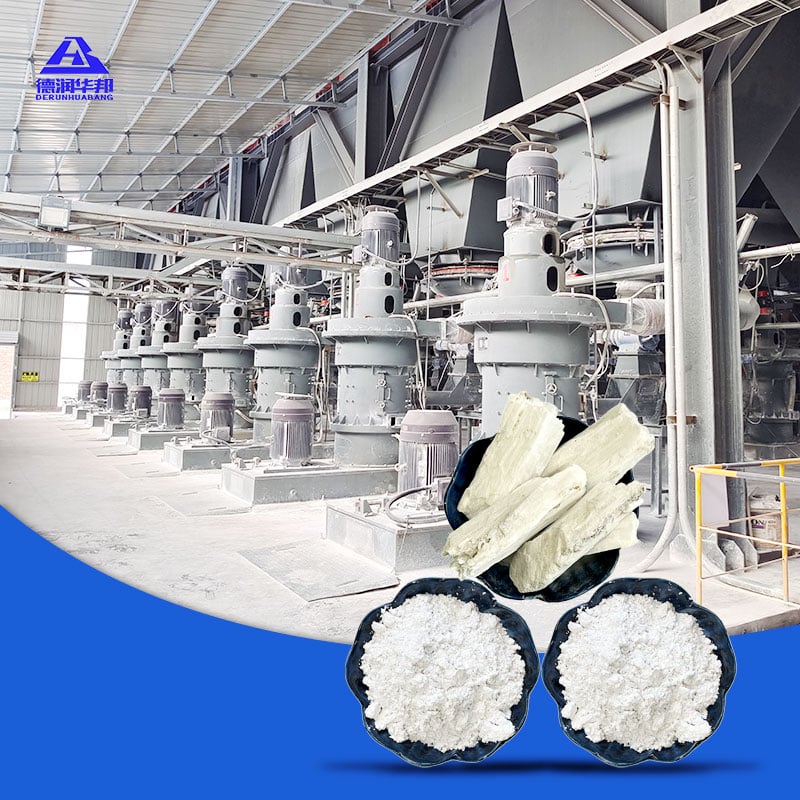
One of the most compelling aspects of wollastonite is its role in green construction. As a non-toxic, asbestos-free alternative, it’s widely used in fiber cement boards, fireproof panels, and lightweight insulation materials. Builders and architects are turning to wollastonite-enhanced products not only for their durability but also for their compliance with stringent indoor air quality and fire safety standards.
The coating industry has also embraced wollastonite for its superior optical and mechanical properties. With high brightness and excellent dispersion, it improves opacity and coverage in paints while reducing gloss—ideal for premium architectural and industrial coatings. Its low oil absorption allows for higher pigment loading and reduced resin use, directly cutting raw material costs without sacrificing quality.
Recent innovations have expanded wollastonite’s reach into advanced applications. Researchers are exploring its potential in bioceramics for bone graft substitutes due to its bioactive nature and compatibility with human tissue. Meanwhile, recycled and waste-derived wollastonite is being tested in asphalt modification, where early results show improved rutting resistance and longer pavement life.
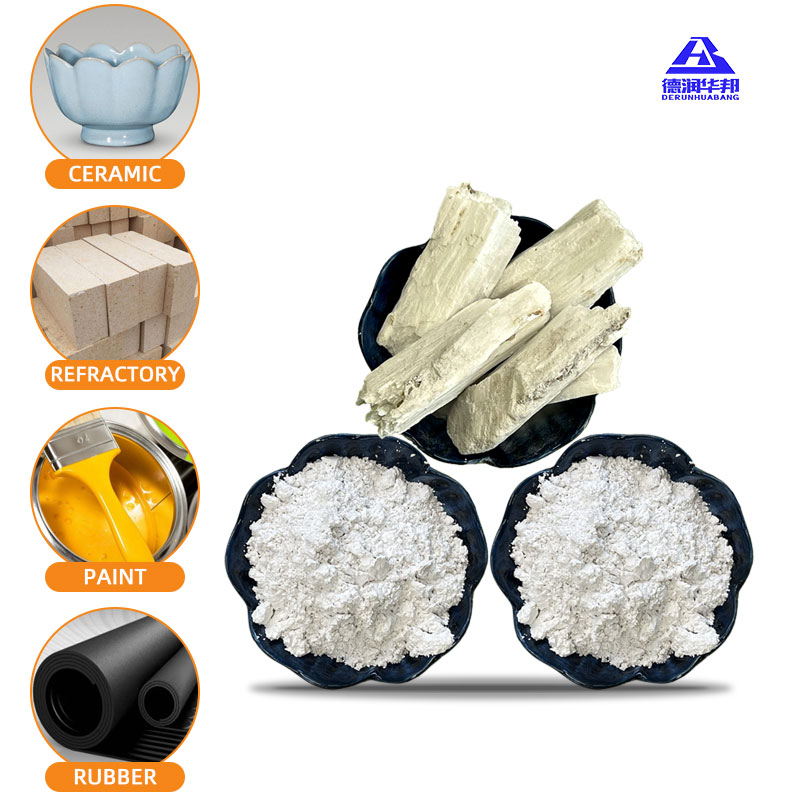
Global production is centered in China, India, the United States, and Mexico, with China leading in both reserves and processing innovation. Modern facilities now offer ultrafine, surface-modified grades tailored for high-tech applications, from automotive parts to electronic encapsulants.
As industries seek smarter, cleaner alternatives, wollastonite powder stands out—not just as a filler, but as a functional material driving the future of sustainable manufacturing.
Need me to put together a comparative analysis of wollastonite versus traditional fillers like talc and calcium carbonate? It could help clarify its performance edge in real-world applications.


