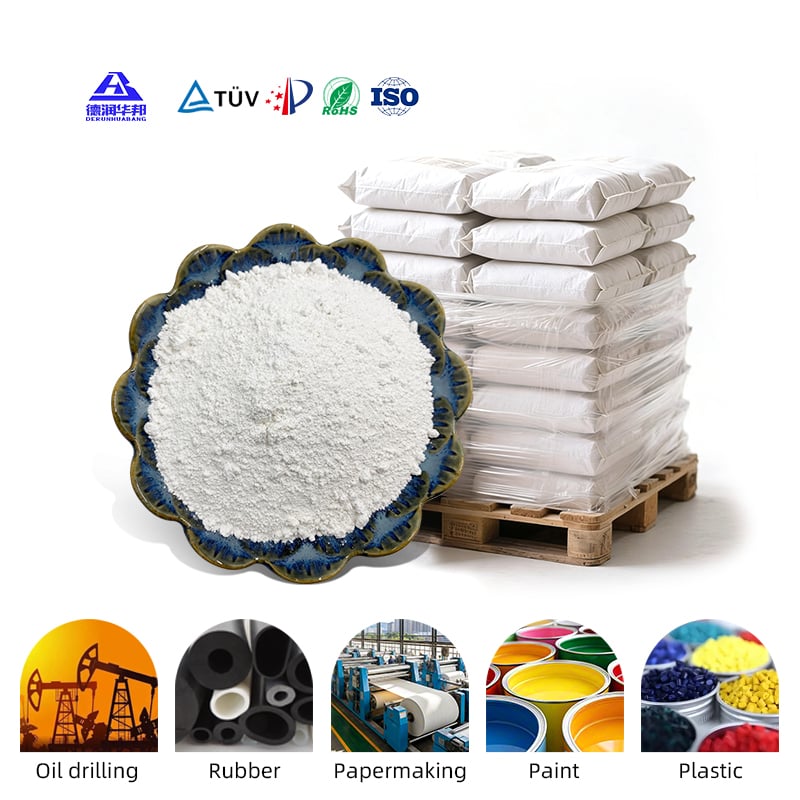
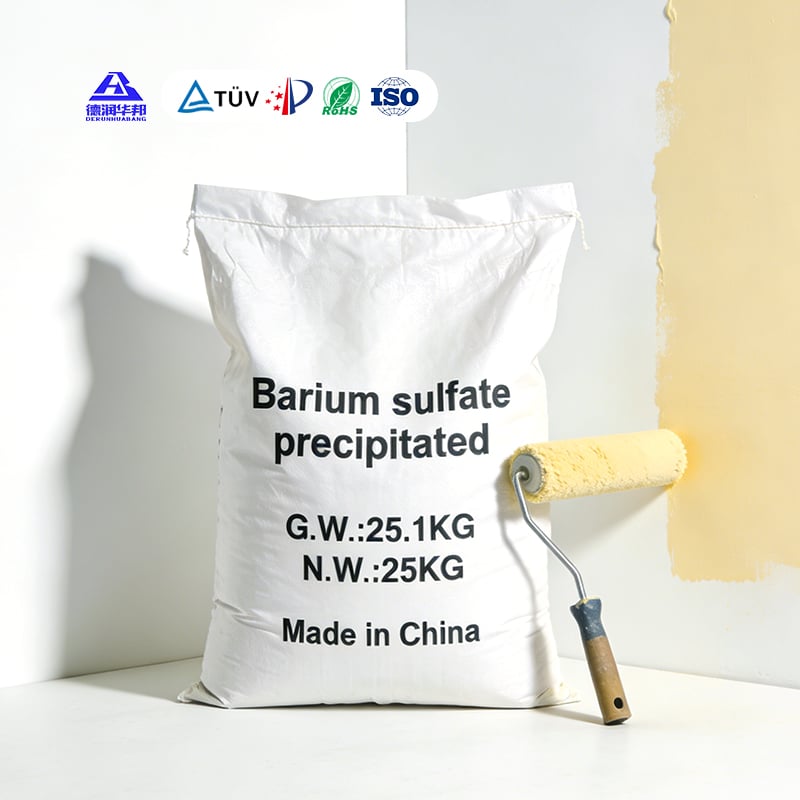
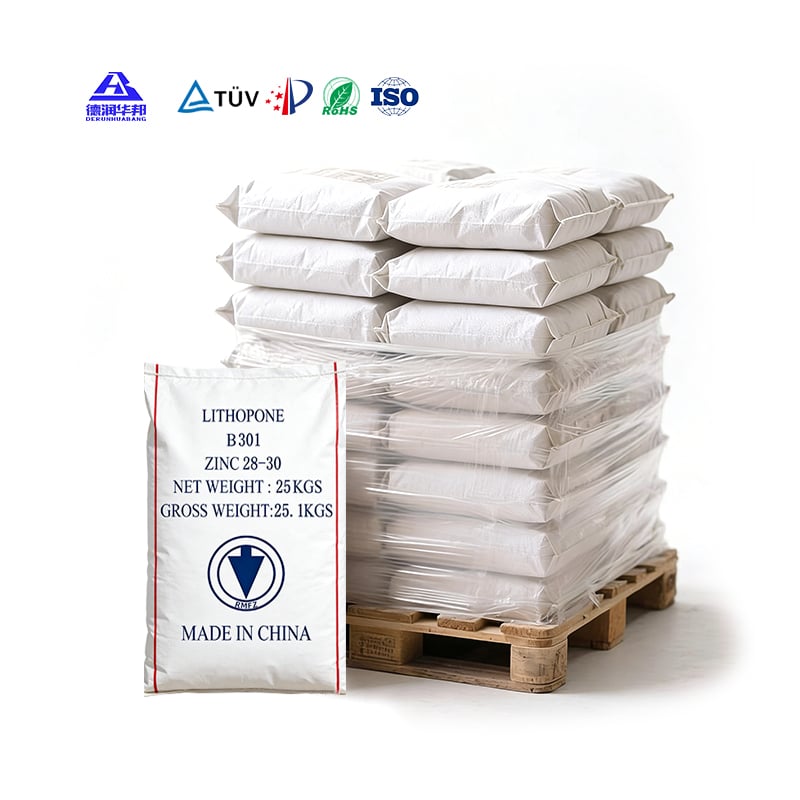
2026 թվականի մայիսի դրությամբ գլոբալ բարձր մաքրության բարիումի սուլֆատի շուկան ապրում է կայուն և հզոր աճ, որը պայմանավորված է պլաստմասսաներում, լաքերում, ներկերում, ռետինում և նոր էներգիայի, առողջապահության ոլորտներում մշակվող մշակումների համար մշտակայուն, էկոլոգիապես մաքուր և բարձր կատարողականությամբ օգտագործվող ֆունկցիոնալ միներալային նյութերի աճող պահանջարկով: Վերջին արդյունաբերական տվյալները ցույց են տալիս, որ 2026 թվականի առաջին եռամսյակում գլոբալ շուկայի ծավալը տարեկան 5,2 %-ով աճել է, իսկ կանխատեսումները վկայում են, որ շուկայի ընդհանուր չափը 2032 թվականին կգերազանցի 2,1 միլիարդ ԱՄՆ դոլարը՝ պայմանավորված ստորին շղթայի բարձր մակարդակի արտադրանքների արդիականացմամբ և կանաչ արտադրական տեխնոլոգիաների արագ ներդրմամբ:
Պլաստմասսայի և ֆունկցիոնալ ռետինի արդյունաբերությունը մնում է ամենամեծ վերջնական օգտագործողի շուկան՝ կազմելով ամբողջ համաշխարհային պահանջարկի 42%-ից ավելին, որտեղ բարձր մաքրության բարիումի սուլֆատը գնահատվում է իր չվարագույրվող քիմիական ակտիվության, բարձր խտության, ուժեղ փայլի պահպանման և լավ չափային կծկման կայունության համար: Այն լայնորեն օգտագործվում է բարձր որակի ճարտարապետական պլաստմասսաներում, շենքերի լուսամուտների պրոֆիլներում և հարվածային դիմացկուն ավտոմեքենաների բաղադրիչներում, որոնք արդյունավետորեն բարելավում են պոլիմերային արտադրանքների խտությունը, ճկունությունը և մակերեսի փայլը՝ նվազեցնելով վերջնական արտադրանքների բացակայության մակարդակը: Արևելյան Ասիայում, Եվրոպայում և Հյուսիսային Ամերիկայում սպառման անընդհատ բարձրացումը արագացրել է շուկայի ներթափանցումը, հատկապես բարձր վարկանիշ ունեցող սարքավորումների և ավտոմեքենաների զարդարման համար նախատեսված պլաստմասսաների ոլորտում:
Ներկերի և ֆունկցիոնալ ծածկույթների արդյունաբերության մեջ ավելի շատ ներկերի արտադրողներ և ծածկույթների մշակողներ են ներառում սինթետիկ նստվածքային բարիումի սուլֆատը բարձր որակի ավտոմեքենաների ՕԵՄ ներկերում, արդյունաբերական կոռոզիայի դեմ պաշտպանող ծածկույթներում և էկոլոգիապես մաքուր տպագրական ներկերում՝ շնորհիվ նրա առատ լուսաթափանցության, ցածր յուղի կլանման և ցածր մաշվելիության: Այն կարող է փոխարինել թանկ տիտանի դիօքսիդը որպես ֆունկցիոնալ լրացուցիչ, որը նշանակալիորեն բարելավում է ծածկույթների փայլը, հարթությունը և եղանակային դիմացկունությունը՝ միաժամանակ նվազեցնելով արտադրության ծախսերը, ինչը լավ համապատասխանում է սննդի հետ շփվող նյութերի և ցածր ածխածնի պահպանող ծածկույթների արտադրության պահանջներին և սերտիֆիկացված է՝ համապատասխանելով FDA-ի և Եվրամիության սննդի հետ շփվող նյութերի կանոնակարգերին:
Արդյունաբերության ծագող բարձր արժեքավոր ոլորտներում մոդիֆիկացված բարձր մաքրության բարիումի սուլֆատի կիրառման մասշտաբը արագ է ընդլայնվում: Նոր էներգիայի ոլորտում ուլտրամանր նստվածքային բարիումի սուլֆատը օգտագործվում է որպես լիթիումային մետաղական բաժանիչների անօրգանական լրացուցիչ նյութ և այնպիսի հիմնարար գործառնական ընդլայնիչ, որը կիրառվում է կապար-թթվային մետաղական բատարեակների բացասական էլեկտրոդներում՝ բատարեակների ջերմային կայունությունն ու շրջանային կյանքը բարելավելու նպատակով: Ուղեկցող առողջապահական և օրական քիմիական արտադրանքների ոլորտում մշակված բժշկական աստիճանի բարիումի սուլֆատը օգտագործվում է որպես անվտանգ համեմատական միջոց X-ճառագայթային ախտորոշման մեջ, ատամների վերականգնողական կոմպոզիտներում և մարսողական ուղու ռադիոպարզ պատրաստուկներում՝ իր լավ կենսահամատեղելիության, X-ճառագայթների կլանման ունակության և բարձր խտության շնորհիվ:
Տեխնոլոգիական նորարարությունները շարունակաբար վերաձևափոխում են արդյունաբերության ապրանքային համակարգը: շուկա է մտել բարիումի սուլֆատի նոր սերնդի՝ մակերևույթը մեծ ճշգրտությամբ մոդիֆիկացված բարձր մաքրության նյութը, որն ունի միջին մասնիկների չափս 2 մկմ-ից փոքր, ծանր մետաղների խառնուրդների վերացման 99,5 %-ից բարձր ցուցանիշ և օպտիմալացված մակերևույթային համատեղելիություն, ինչը հնարավորություն է տալիս ավելի լավ բավարարել բարձր ճշգրտության պահանջները բարձր մակարդակի արտադրության մեջ: Այս նորարարական մոդիֆիկացված ապրանքները սկսել են լայն կիրառում գտնել բարձր արժեքավորված հատվածներում, այդ թվում՝ բարձր թափանցելիությամբ ֆունկցիոնալ սննդի ստվարաթղթե մակարդակներում, ցածր VOC-ի պարունակությամբ միջավայրին անվտանգ ներքին պատերի ներկերում և բարձր կատարողականությամբ լիթիում-իոնային մետաղական բաժանիչների ծածկույթներում, որտեղ մաքրությունը, շրջակա միջավայրի պաշտպանությունը և ֆունկցիոնալ կայունությունը հիմնարար պահանջներ են:
Կայունությունը շուկայի աճի հիմնարար ներքին շարժիչ ուժն է: Ի տարբերություն բարձր արտանետումներ առաջացնող քիմիական սինթեզի վրա հիմնված ընդհանուր ֆունկցիոնալ լրացուցիչների՝ բարիումի սուլֆատը կարող է ստացվել բարիտի միներալների ցածր արտանետումներ առաջացնող տեղումային նստեցման միջոցով, իսկ մաքրման գործընթացում էներգաօգտագործումը օպտիմալացված է: Ներկայումս արդյունաբերության առաջատար արտադրող ձեռնարկությունների 78 %-ից ավելին իրականացրել է «կանաչ» հանքարդյունաբերական կառավարում, խոնավ գործընթացի էներգախնայող տեղումային նստեցման տեխնոլոգիա և երկրորդային արտադրանքների համալիր վերամշակման համակարգեր, ինչը զգալիորեն նվազեցնում է արտադրության գործընթացի շրջակա միջավայրի վրա ունեցած ազդեցությունը: Շուկայի մեծամասնության հիմնական բարձր մաքրության արտադրանքները ստացել են ISO 14001 շրջակա միջավայրի կառավարման սերտիֆիկատ, RoHS-ի անվտանգության սերտիֆիկատ և սննդի արտադրության համար անվտանգության սերտիֆիկատ, ինչը հետագայում ամրապնդում է դրանց մրցակցային առավելությունը կայուն ֆունկցիոնալ նյութերի շուկայում:
Աշխարհային մատակարարման համակարգի հասունությունը վերջին տարիներին զգալիորեն բարելավվել է: Հիմնական առաջատար ձեռնարկությունները ընդլայնել են ուղղահայց ինտեգրումը՝ սկսած հումքային մետաղների հետախուզումից մինչև վերջնական արտադրանքների խորը մշակումն ու փոփոխությունը, ինչպես նաև ստեղծել են տարածաշրջանային մշակման և բաշխման կենտրոններ Չինաստանում, Հյուսիսային Ամերիկայում և Արևմտյան Եվրոպայում՝ որպես հիմնական պահանջարկի շուկաներ, ինչը արդյունավետորեն կարճացրել է մատակարարման ցիկլը: Սակայն այս ոլորտը դեռևս դիմական է որոշ մարտահրավերների, այդ թվում՝ տարբեր հանքավայրերից ստացվող հումքային հանքաքարի որակի անհամասեռությունը, Եվրոպայում և Հյուսիսային Ամերիկայում մաքրության ու ծանր մետաղների սահմանային նորմերի ավելի խիստ դառնալը և մեծ ծավալներով հանքային արտադրանքների տրանսպորտավարձերի աճը: Այդ պատճառով առաջատար ձեռնարկությունները մեծացնում են ներդրումները բարձրակարգ ինտելեկտուալ ավտոմատացված քիմիական սինթեզի արտադրական գծերում, բարձր արժեքավոր փոփոխությունների տեխնոլոգիաների հետազոտությունների և մշակման ոլորտում, ինչպես նաև թվային մատակարարման շղթայի կառավարման համակարգերում՝ արտադրանքի որակը կայունացնելու և ընդհանուր շահագործման ծախսերը նվազեցնելու նպատակով:
Արդյունաբերության վերլուծաբանները նշեցին, որ հանքային մշակման ձեռնարկությունների, նոր էներգիայի նյութերի հետազոտական հաստատությունների և սպառման վերջնական բրենդերի միջև խորը համատեղ նորարարությունը կլինի արդյունաբերության համար նոր աճի տարածք բացելու բանալին: Լիթիում-իոնային բաժանիչների համար բարձր մաքրության մոդիֆիկացված բարիումի սուլֆատը, ախտորոշական պատկերավորման արտադրանքների համար բժշկական մաքրության մշակված բարիումի սուլֆատը և վերացվող կենսաբանական նյութերի համար մշտակայուն ֆունկցիոնալ լցոնիչը բացում են արդյունաբերության համար նոր կիրառման սցենարներ՝ ընդգրկելով նոր էներգիայի, առողջապահության և կանաչ արտադրության ոլորտները:
Բարձր մաքրության բարիումի սուլֆատի շուկան ապագայում կշարունակի աճել իր էկոլոգիապես անվտանգ պաշտպանության հատկանիշների, առատ մշակման կարողության և լայն կիրառման հնարավորությունների շնորհիվ, դառնալով ավելի կարևոր արժեքավոր կանաչ ֆունկցիոնալ միներալային նյութ աշխարհում իրականացվող ցածր ածխածնի շրջակա միջավայրի պաշտպանության և բարձր մակարդակի ինտելեկտուալ արտադրության վերափոխման գործընթացում: