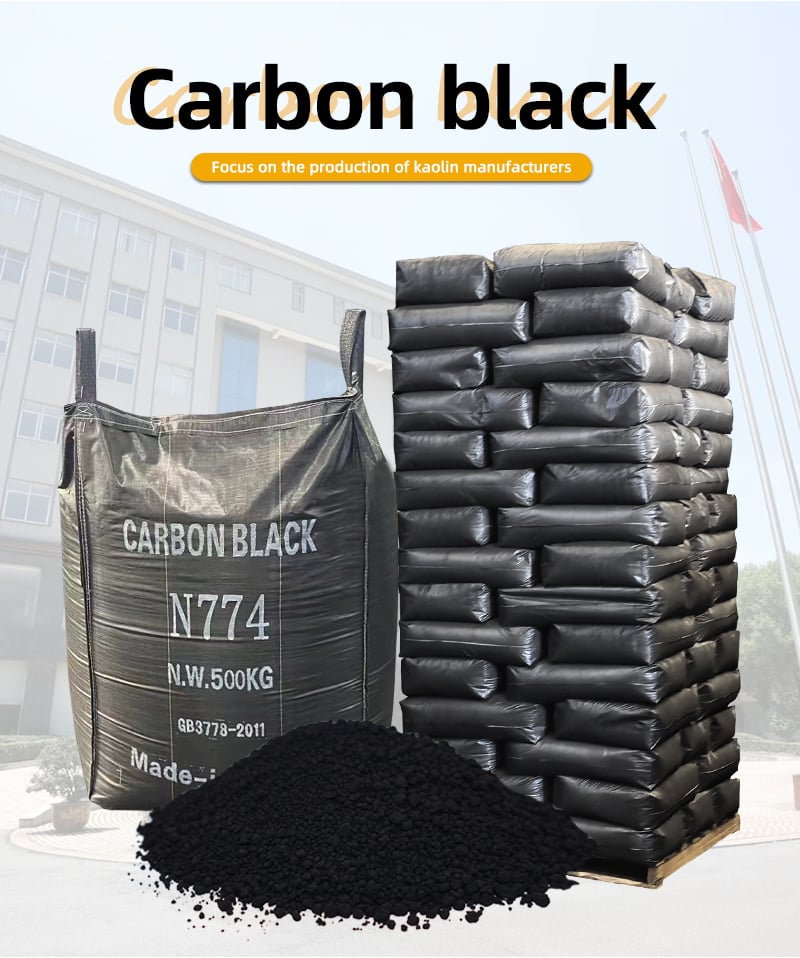
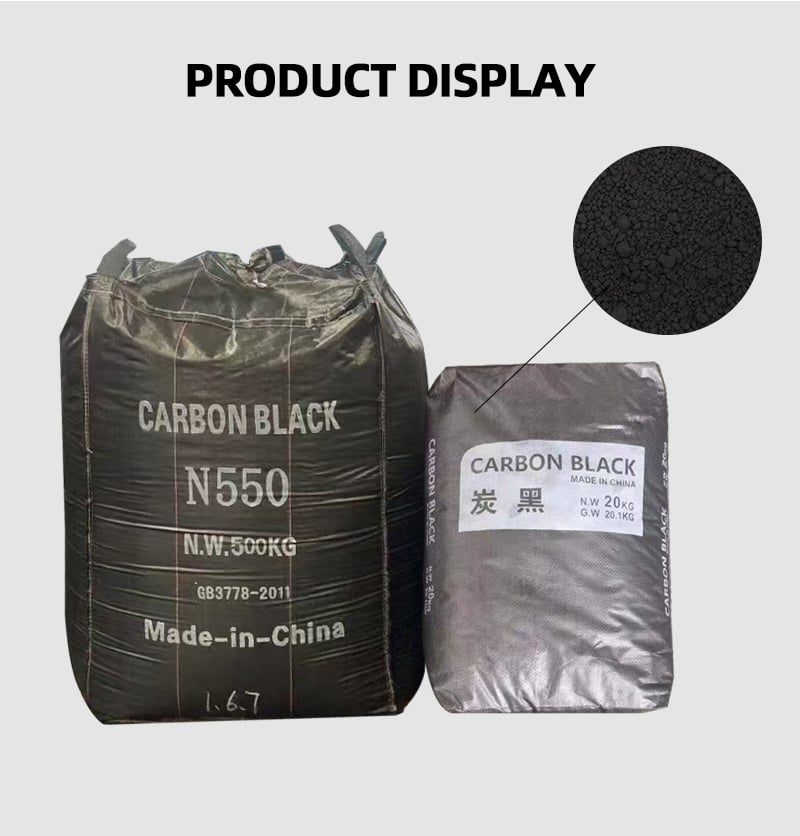
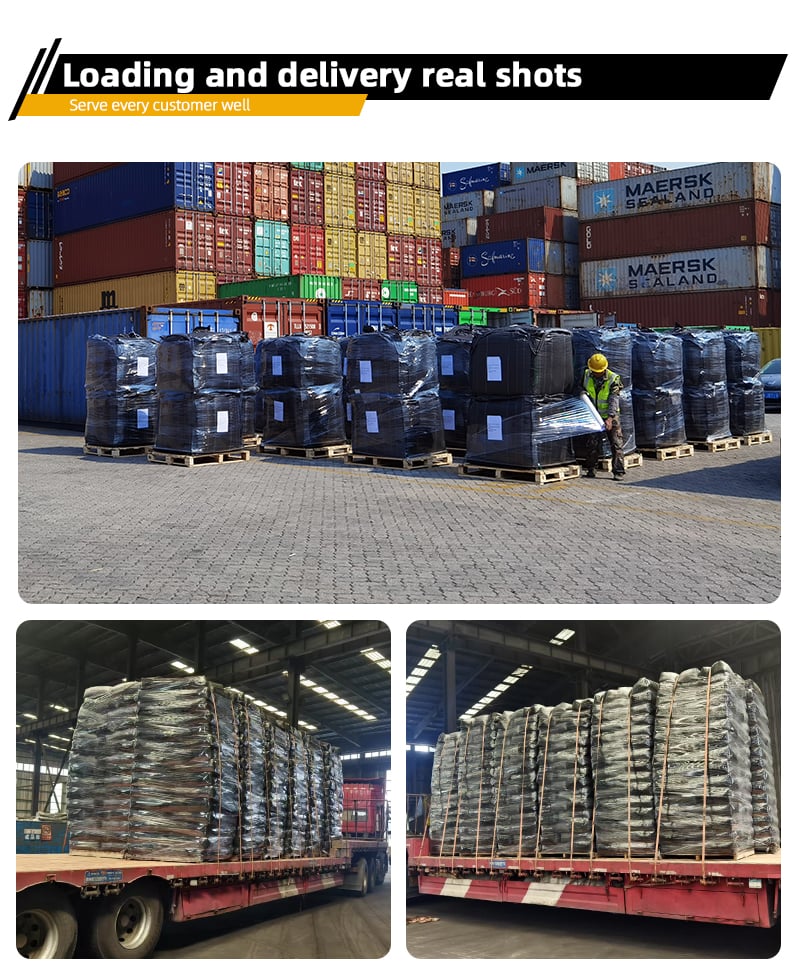
Carbon Black stands as cornerstone in global manufacturing, a material shaped by controlled incomplete combustion of organic feedstocks, resulting in fine particulate matter with unique physical and chemical traits that make it indispensable across diverse industrial sectors. This material exists in both natural and synthetic forms, but synthetic carbon black dominates industrial use due to consistent quality and tailored properties. Natural carbon black forms through natural processes like forest fires or volcanic activity, but such sources lack uniformity needed for industrial applications. Synthetic carbon black production involves precise control of combustion conditions, adjusting factors like temperature, fuel type, and air flow to create particles with specific sizes, surface areas, and structures. These adjustments allow manufacturers to tailor carbon black to meet exact needs of different end uses, from reinforcing rubber in tires to providing deep tint in coatings.

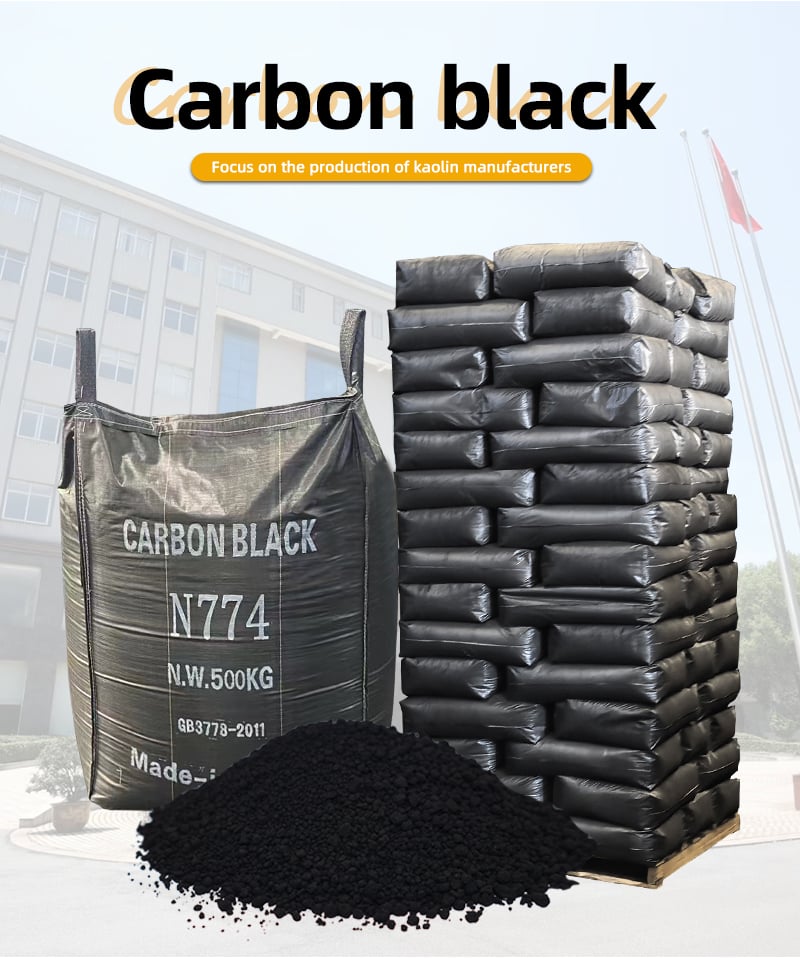
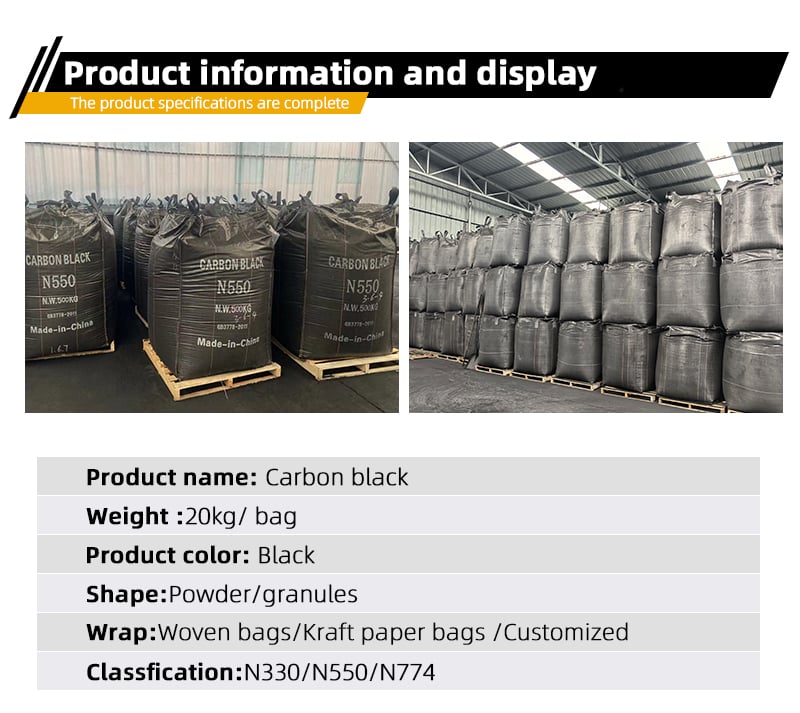
Core traits of carbon black lie in its high surface area, porous structure, and inherent properties like tinting strength, reinforcing ability, and conductivity. High surface area comes from tiny particle size, which creates large contact area between carbon black and host materials like rubber or plastic. This contact enables strong bonding, enhancing overall performance of composite materials. Porous structure adds to adsorption capacity, making carbon black useful in applications like water treatment or catalyst supports, though its primary industrial roles focus on reinforcement and coloring. Tinting strength refers to ability to impart color, with carbon black delivering intense black hues that resist fading over time. Reinforcing ability makes it critical in rubber products, where it strengthens molecular bonds in rubber polymers, increasing durability and resistance to wear. Conductivity, present in certain grades, allows carbon black to dissipate static electricity, a key feature in applications like plastic packaging for electronics or industrial hoses.
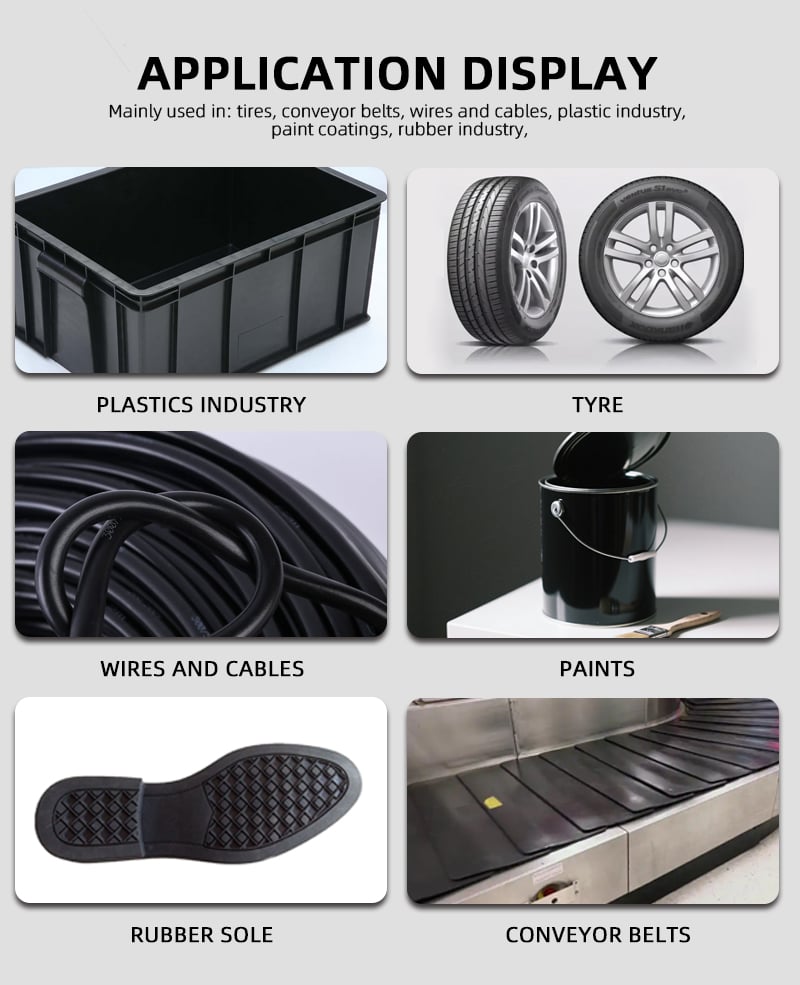
Rubber industry represents largest consumer of carbon black, with tire manufacturing accounting for significant portion of demand. Carbon black’s reinforcing properties transform raw rubber into durable material capable of withstanding rigorous conditions of road use. In tire production, different parts of tire rely on specific grades of carbon black to meet distinct performance requirements. Tire treads, which bear brunt of contact with road, use carbon black grades optimized for high abrasion resistance. These grades create strong bonds with rubber polymers, reducing wear and extending tire lifespan. Drivers benefit from longer-lasting tires that maintain grip even after thousands of kilometers of use. Tire sidewalls, which require flexibility to withstand bending and stretching, use carbon black grades that enhance elasticity while providing UV protection. Without carbon black, sidewalls would degrade quickly under sunlight, leading to cracking and premature tire failure. Tire carcasses, the internal structure that supports tire load, use carbon black to reinforce strength, ensuring tire can carry heavy loads without deformation. Beyond tires, non-tire rubber products like seals, gaskets, conveyor belts, and hoses depend on carbon black. Seals and gaskets use carbon black to improve resistance to oils and chemicals, ensuring they maintain integrity in industrial machinery. Conveyor belts, used in mining and manufacturing, rely on carbon black for abrasion resistance, handling heavy loads and rough materials without wearing thin. Hoses used to transport fluids or gases use carbon black to enhance flexibility and durability, preventing cracks and leaks.
Plastic industry leverages carbon black for multiple functions, including coloring, UV protection, conductivity, and reinforcement. As a coloring agent, carbon black provides uniform, intense black color to plastic products, from automotive trim to household appliances. Unlike organic dyes that may fade or bleed, carbon black retains color even in harsh environments, making it ideal for outdoor plastic products like garden furniture or construction materials. UV protection is another key role—carbon black absorbs UV radiation, preventing plastic from becoming brittle and discolored over time. Plastic pipes used in outdoor plumbing, for example, contain carbon black to resist sun damage, ensuring they remain functional for decades. Conductive grades of carbon black are used in plastic products that require static dissipation, such as packaging for electronic components. These grades form a network of conductive pathways within plastic, safely redirecting static electricity that could damage sensitive electronics. Reinforcement in plastics is less prominent than in rubber, but carbon black still enhances mechanical properties like tensile strength and impact resistance. Plastic crates used for shipping heavy goods, for instance, contain carbon black to increase load-bearing capacity and reduce breakage.
Coatings industry relies on carbon black for its tinting strength, durability, and weather resistance. Industrial coatings, used to protect machinery, structures, and equipment, incorporate carbon black to provide corrosion resistance and UV protection. Factory equipment exposed to outdoor elements or harsh chemicals benefits from coatings containing carbon black, as the material forms a barrier that prevents rust and degradation. Architectural coatings, including exterior and interior paints, use carbon black to create deep, long-lasting black and gray hues. Exterior house paints with carbon black maintain their color even after years of exposure to rain, snow, and sunlight, reducing the need for frequent repainting. Interior paints use carbon black for accent walls or decorative finishes, providing rich color that complements various design styles. Specialty coatings, such as those used in automotive refinishing or industrial flooring, depend on carbon black for consistent color and performance. Automotive refinish coatings use carbon black to match original factory colors, ensuring seamless repairs. Industrial flooring coatings, designed to withstand heavy foot traffic and chemical spills, use carbon black to enhance durability and slip resistance.
Printing ink industry is another major user of carbon black, valued for its tinting strength, dispersibility, and lightfastness. News ink, used in newspaper printing, relies on carbon black for its ability to provide clear, readable text on paper. The material disperses evenly in ink formulations, ensuring consistent coverage across large print runs. Packaging ink, used on food and consumer product packaging (avoiding direct contact with food, adhering to restrictions), uses carbon black to create bold logos and text that resist smudging and fading. These inks must maintain integrity during shipping and storage, and carbon black’s durability ensures labels remain legible. Industrial marking inks, used to mark parts and components in manufacturing, use carbon black for its resistance to abrasion and chemicals. These inks create permanent marks that withstand processing and handling, helping with inventory tracking and quality control. Specialty inks, such as those used in security printing or textile printing, use carbon black for specific properties like opacity or conductivity.
Other industrial applications of carbon black extend into diverse sectors, each leveraging its unique properties. In battery manufacturing, conductive grades of carbon black are used as additives in electrode materials. These grades improve electrical conductivity of electrodes, enhancing battery performance and charging efficiency. Rechargeable batteries used in consumer electronics and electric vehicles benefit from carbon black’s ability to increase energy density and extend cycle life. In sealant and adhesive industries, carbon black enhances flexibility, adhesion, and weather resistance. Construction sealants used to fill gaps in buildings contain carbon black to resist UV damage and maintain flexibility in temperature fluctuations. Adhesives used in industrial bonding applications use carbon black to improve bond strength and durability. In concrete and construction materials, carbon black acts as a coloring agent for decorative concrete products like pavers, tiles, and countertops. It provides uniform black color that resists fading, enhancing aesthetic appeal of architectural elements. Carbon black also improves durability of concrete, reducing cracking and shrinkage over time.
Production of carbon black involves several methods, each tailored to produce specific grades with distinct properties. Furnace black process is most common, accounting for majority of global production. This process involves injecting liquid or gaseous hydrocarbons into a high-temperature furnace, where they undergo incomplete combustion. The resulting carbon black is collected, cooled, and processed into pellets or powder. Furnace black process allows for precise control of particle size and surface area, producing grades suitable for rubber, plastic, and coating applications. Channel black process, an older method, involves passing natural gas over heated metal channels, where carbon black deposits on channel surfaces. This process produces fine-particle carbon black with high tinting strength, ideal for coatings and inks. Thermal black process uses thermal decomposition of hydrocarbons without oxygen, producing large-particle carbon black with low surface area. This grade is used in applications requiring conductivity or low reinforcement, such as plastic pipes and cables. Each production method is optimized for energy efficiency and environmental performance, with modern facilities incorporating emissions control systems to reduce environmental impact.
Quality control is critical in carbon black production, ensuring consistent properties across batches. Manufacturers conduct rigorous testing throughout production process, from raw material inspection to finished product analysis. Raw materials like hydrocarbons are tested for purity and consistency, as impurities can affect final carbon black properties. During production, samples are taken at various stages to monitor particle size, surface area, and structure. Particle size is measured using specialized equipment that analyzes light scattering patterns, ensuring particles meet specified dimensions. Surface area is determined through adsorption tests, which measure amount of gas adsorbed on carbon black surface. Structure, referring to how particles aggregate, is assessed using electron microscopy and sedimentation tests. Finished carbon black undergoes additional testing for tinting strength, reinforcing ability, and conductivity, depending on intended application. These tests ensure carbon black meets industry standards and customer requirements, providing reliable performance in end products.
Sustainability has become a key focus in carbon black industry, with manufacturers adopting eco-friendly practices to reduce environmental footprint. Energy efficiency is a priority, with modern production facilities using waste heat recovery systems to capture and reuse heat generated during combustion. This heat is used to power other parts of facility or generate electricity, reducing reliance on fossil fuels. Raw material sustainability is another area of focus, with some manufacturers exploring bio-based feedstocks like vegetable oils or agricultural waste. These feedstocks reduce dependence on petroleum-based hydrocarbons and lower carbon emissions. Emissions control technologies, such as scrubbers and filters, are used to reduce air pollutants like sulfur dioxide and particulate matter. Wastewater treatment systems ensure any water used in production is treated and reused or discharged safely. Recycling and circular economy practices are also gaining traction—waste carbon black from manufacturing processes is collected and reused in lower-grade applications, reducing waste.
Global market for carbon black is driven by demand from manufacturing sectors across regions. Asia Pacific is largest market, fueled by rapid growth in automotive and construction industries in countries like China and India. Automotive production in these regions requires large volumes of carbon black for tire manufacturing, while construction booms drive demand for carbon black in plastics and coatings. Europe and North America are mature markets, with demand focused on high-performance carbon black grades for specialty applications like electric vehicle tires and advanced coatings. These regions also prioritize sustainable carbon black grades, driving innovation in eco-friendly production methods. Latin America and Middle East Africa are emerging markets, with growing manufacturing sectors increasing demand for carbon black in rubber and construction materials. Global supply chains ensure carbon black is distributed efficiently to customers worldwide, with production facilities located near major manufacturing hubs to reduce transportation costs and delivery times.
Customer support and technical service play key roles in carbon black industry, with manufacturers working closely with clients to meet specific needs. Technical teams provide expertise in selecting right carbon black grade for each application, considering factors like performance requirements, production processes, and cost constraints. For example, a tire manufacturer developing high-performance tires for electric vehicles may receive guidance on choosing carbon black grades that enhance durability and reduce rolling resistance. Custom formulation services are available for clients with unique needs, such as specialty coatings requiring specific tinting strength or conductivity. Manufacturers also provide training and resources to help clients optimize use of carbon black, including mixing guidelines and quality control protocols. After-sales support ensures any issues are resolved quickly, minimizing production downtime for clients. This collaborative approach helps build long-term partnerships between carbon black manufacturers and their customers.
 ×
×