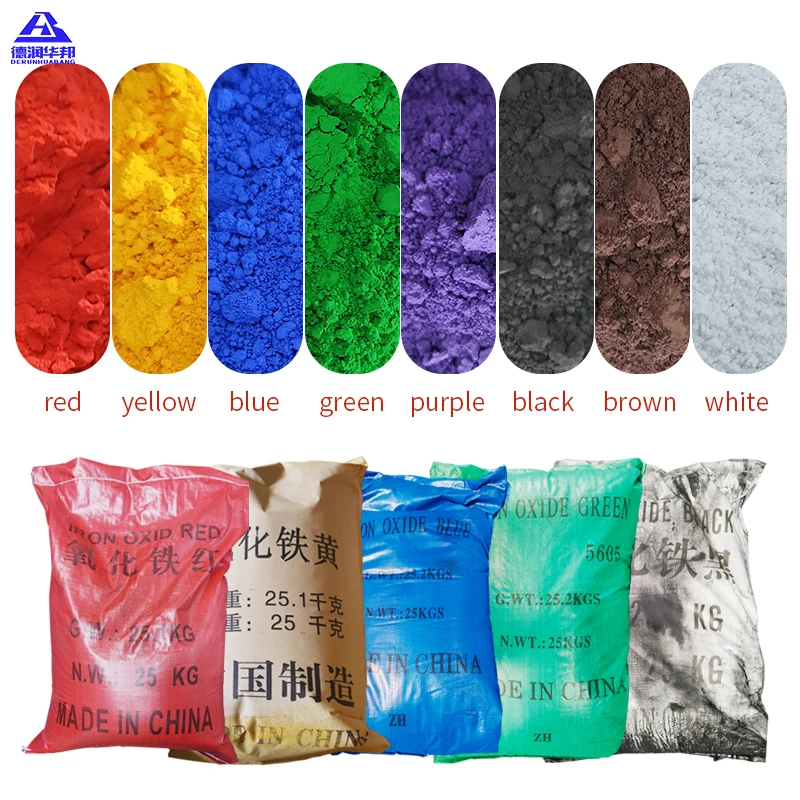
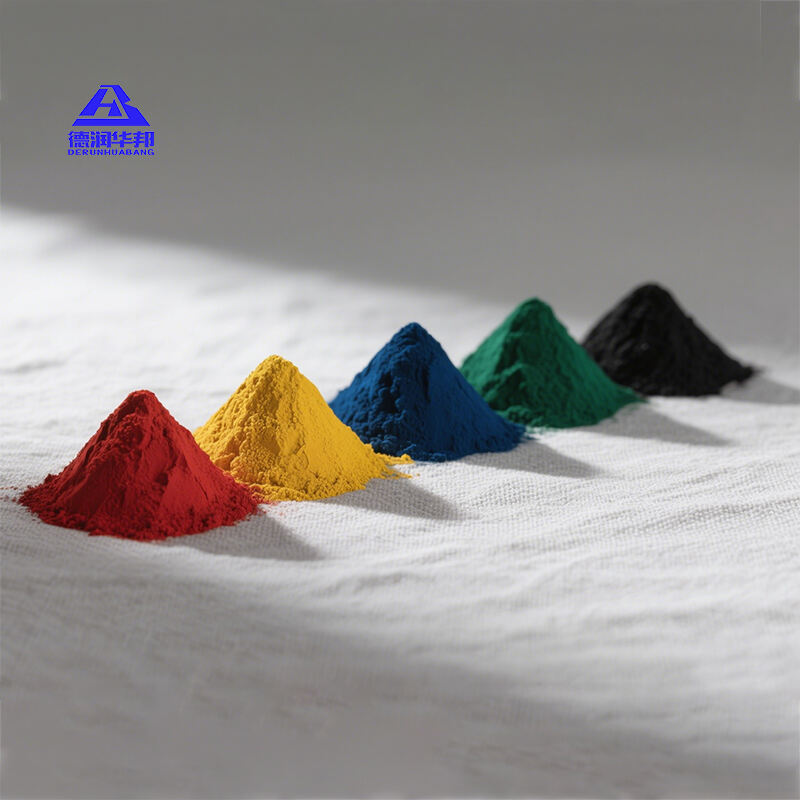
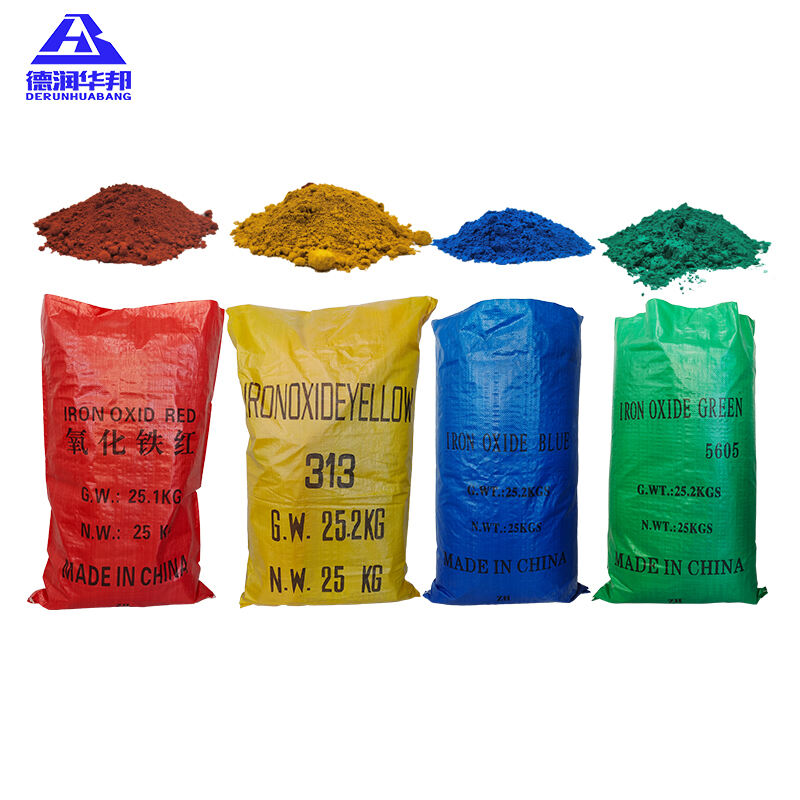
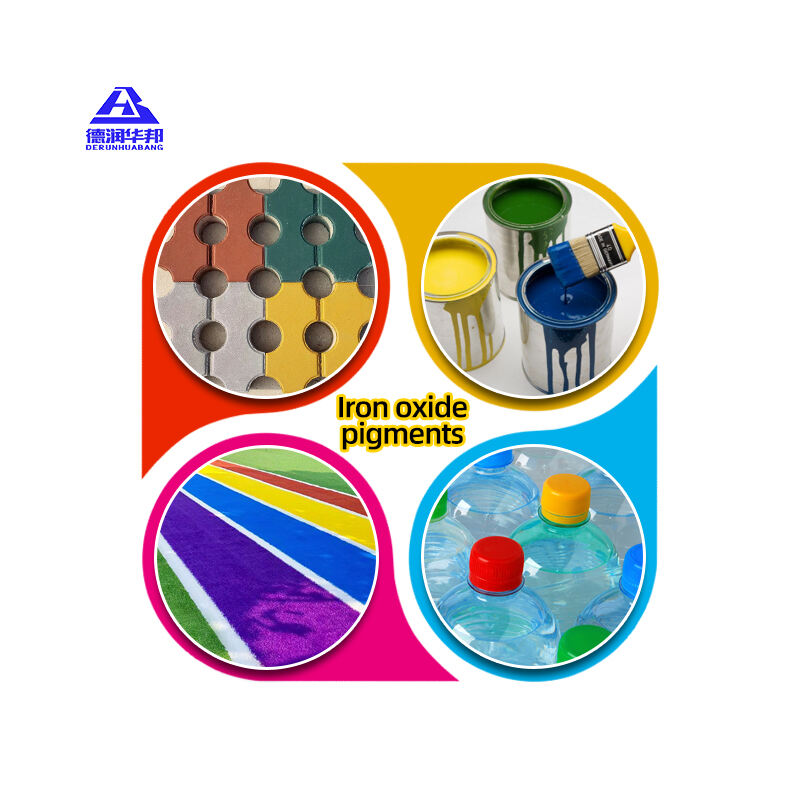
Iron Oxide Pigments stand as bridge between natural resource utilization and high-value industrial production, carrying dual attributes of ecological compatibility and functional excellence. Unlike synthetic pigments relying on petrochemical raw materials, these pigments draw strength from earth’s inherent resources and industrial recycling systems, forming unique industrial chain that aligns with global sustainable manufacturing and circular economy trends. Their color expression, rooted in iron’s oxidation characteristics, delivers stable hues that resist time and environmental erosion, making them core materials in construction, coating, decorative, and emerging industrial fields. As industries pursue low-carbon transformation and consumers demand durable, eco-friendly products, iron oxide pigments break through traditional application boundaries, integrating into urban renewal, rural revitalization, and high-tech manufacturing scenarios, demonstrating enduring vitality and innovative potential.
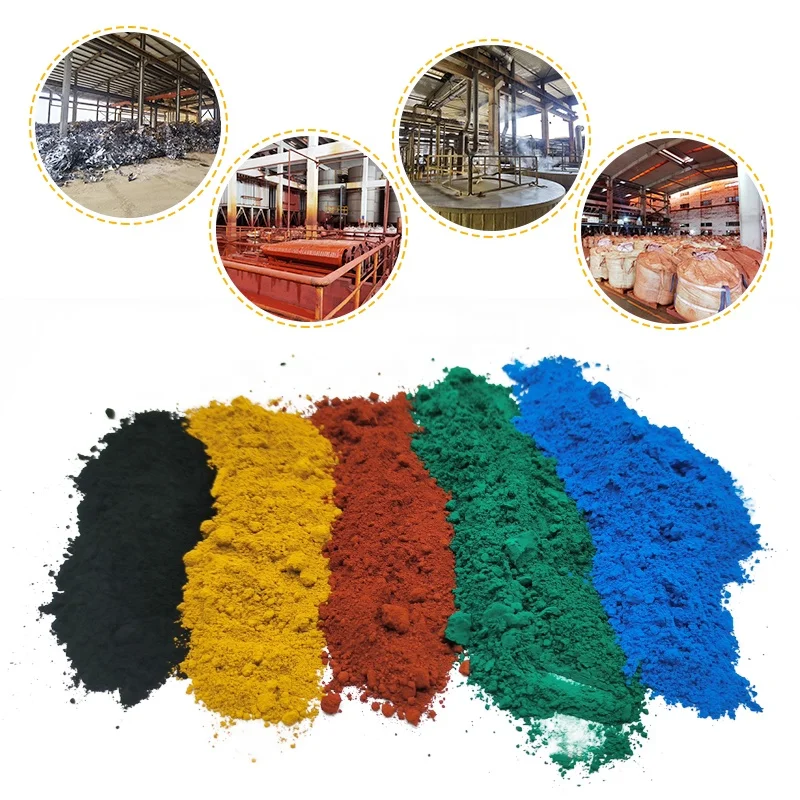
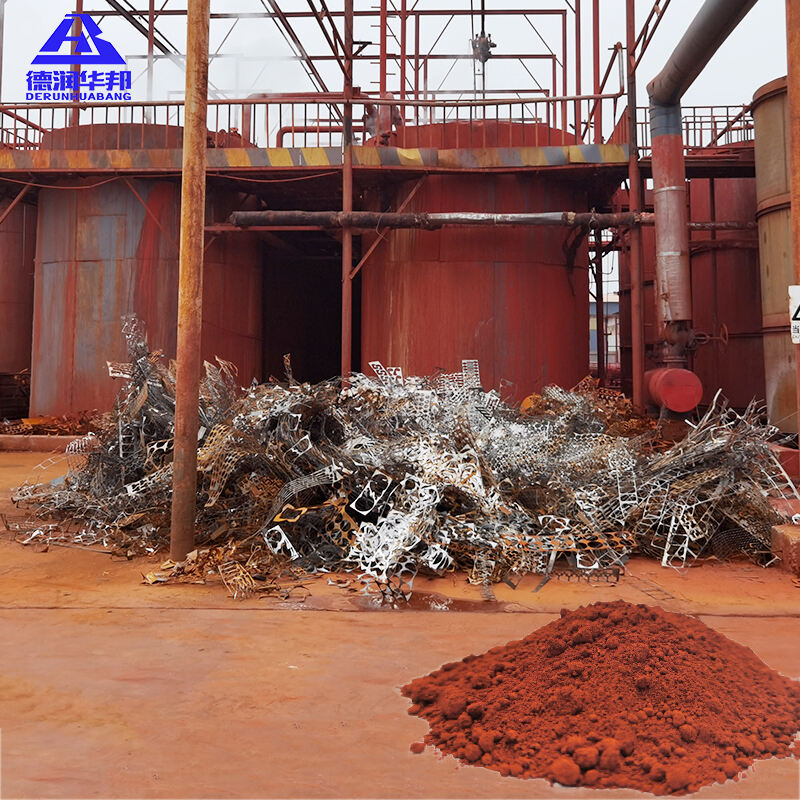
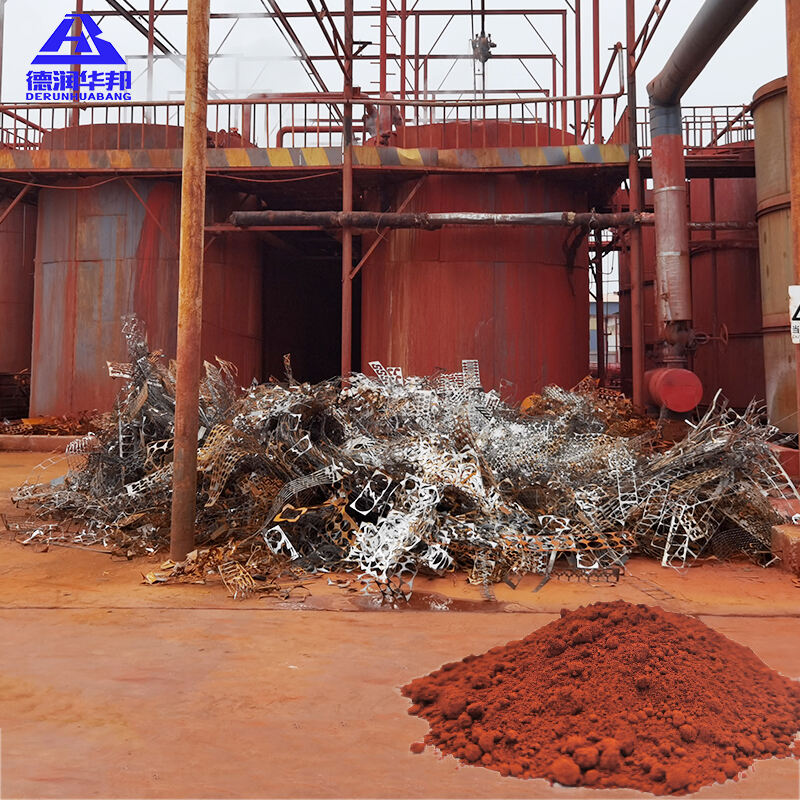
Production system of Iron Oxide Pigments embodies harmony between natural extraction and circular economy, ensuring resource efficiency while maintaining product consistency. Natural iron oxide minerals, formed through millions of years of geological evolution, serve as foundational raw materials—hematite (red), goethite (yellow), limonite (brown), and magnetite (black) are distributed across continents, with mining activities adhering to strict ecological protection standards. In Australia’s Pilbara region, hematite mines adopt strip mining with minimal vegetation disturbance; after extraction, topsoil is preserved and reused for reforestation, with native grasses and shrubs planted to restore ecological balance. Mined ores undergo physical processing: crushing into coarse particles, magnetic separation to remove non-iron impurities, and grinding into fine powders with particle size adjusted for specific applications—finer grades for coatings, coarser grades for concrete. Synthetic production, by contrast, relies on iron-containing byproducts from steel and metallurgical industries, such as iron sulfate, iron chloride, and oxide scale. These byproducts, once landfilled as waste, are now converted into high-quality pigments through controlled chemical reactions: iron sulfate is calcined to form red iron oxide; iron chloride reacts with alkaline solutions to precipitate yellow iron oxide; oxide scale is reduced and reoxidized to produce black iron oxide. Synthetic processes feature closed-loop water recycling, with process water treated and reused to minimize discharge; waste heat from calcination is captured to heat production workshops, reducing fossil fuel consumption. This dual production model not only secures raw material supply but also reduces industrial waste, embodying circular economy principles.
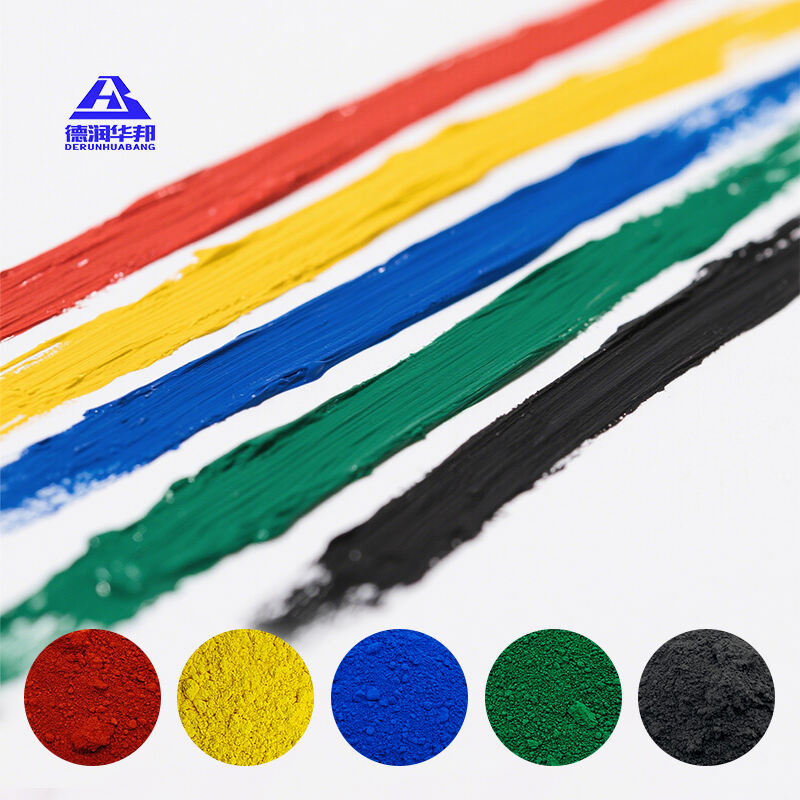
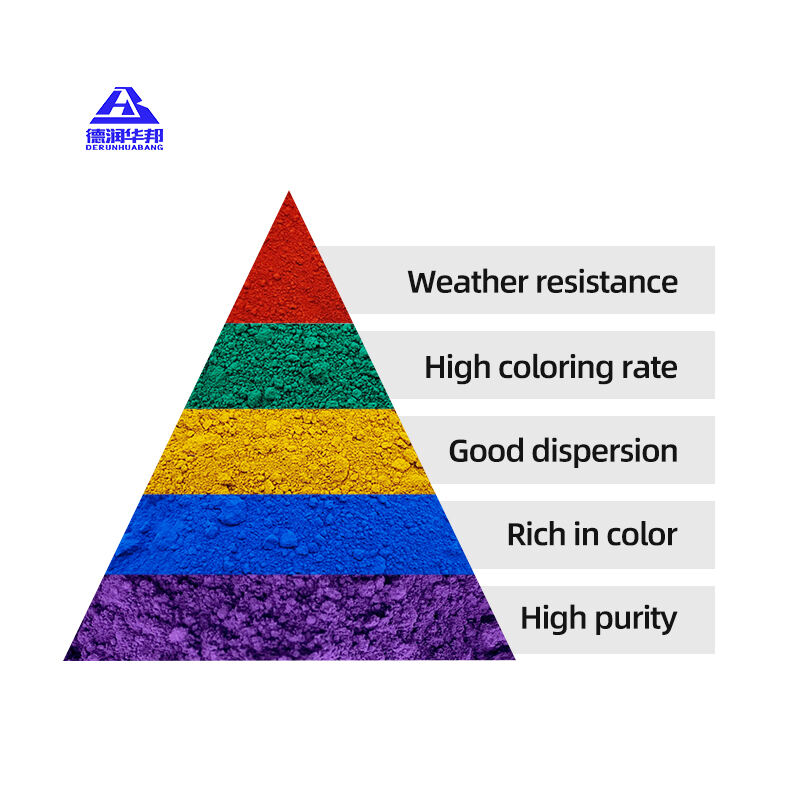
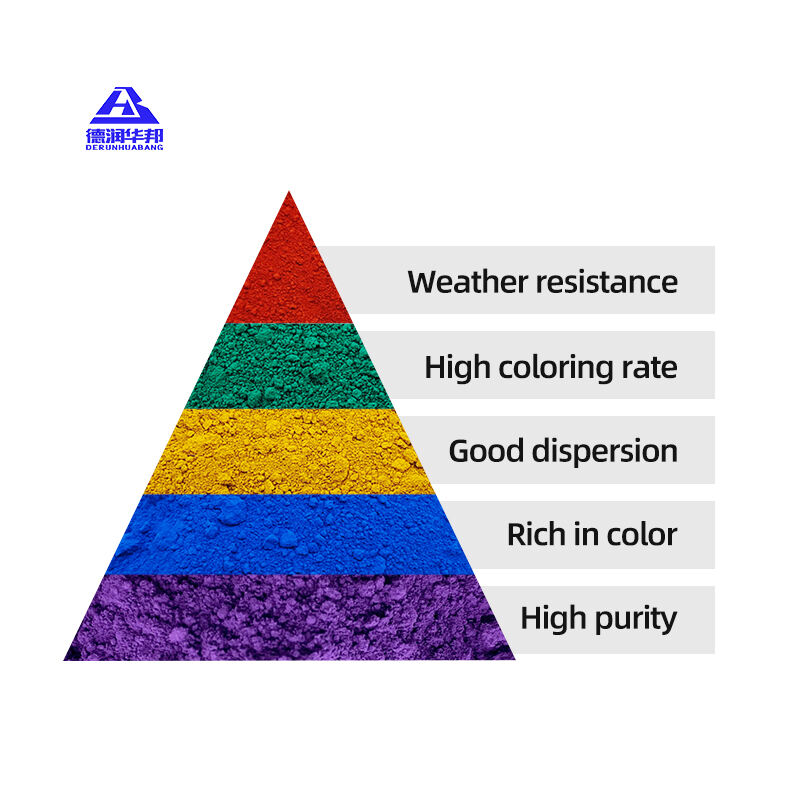
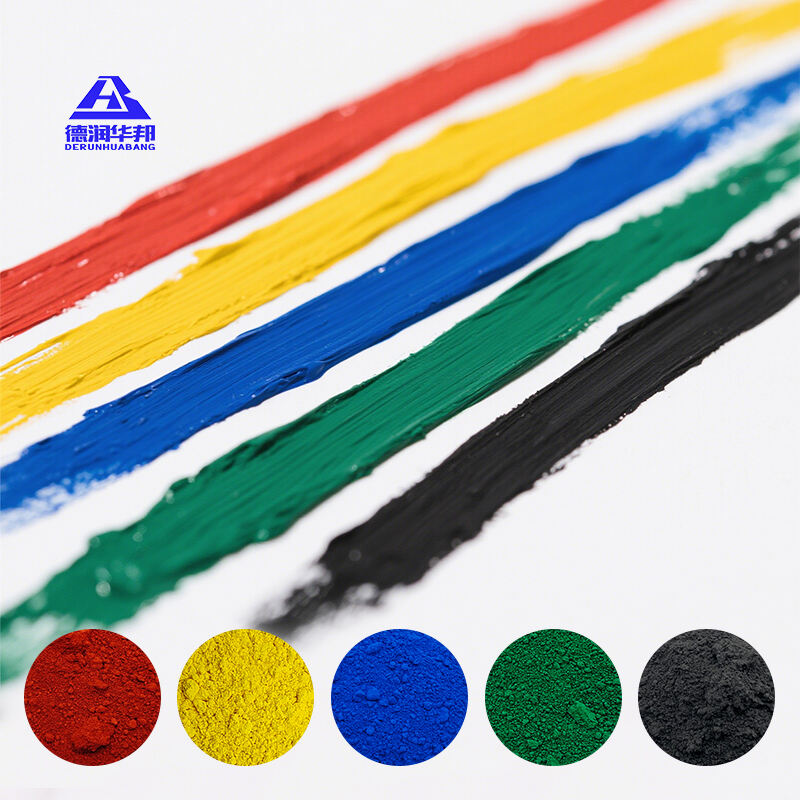
Color characteristics of Iron Oxide Pigments stem from their crystal structure and chemical composition, granting them unparalleled durability and versatility in color expression. Red iron oxide, with rhombohedral crystal structure, reflects red light wavelengths to produce hues ranging from bright scarlet to deep burgundy; its crystal lattice is dense and stable, resisting UV radiation and chemical erosion. Yellow iron oxide, with orthorhombic crystal structure, absorbs blue and green light to form soft tones from lemon yellow to amber, with surface hydroxyl groups enhancing dispersion in water-based systems. Brown iron oxide, a solid solution of red and yellow variants, adjusts color depth through proportion control, creating tan, coffee, and chestnut shades that mimic natural soil and stone. Black iron oxide, with cubic spinel structure, absorbs most visible light to form pure black, with high magnetic properties making it suitable for functional applications beyond coloring. Key advantage of these pigments is color retention—unlike organic pigments that fade due to molecular breakdown under sunlight, iron oxide pigments retain original hues for decades. In tropical regions with intense UV radiation, exterior walls tinted with red iron oxide pigments maintain vibrancy after 25 years; in industrial zones with high chemical exposure, brown iron oxide-tinted coatings on equipment resist acid and alkali corrosion without discoloration. High tinting strength is another core merit—small amounts of pigment can color large volumes of base materials, reducing material usage and transportation costs, which aligns with sustainable manufacturing goals.
Construction industry integrates Iron Oxide Pigments into diverse scenarios from urban renewal to rural revitalization, blending functionality, aesthetics, and ecology. Urban micro-renewal projects, a key trend in modern cities, use iron oxide pigments to upgrade old communities and public spaces. In Rotterdam, Netherlands, an old industrial zone renovation used brown and gray iron oxide pigments to tint concrete pavement and seating facilities; the earthy hues blend with preserved factory relics, creating industrial-style public square that attracts residents and tourists. Pigmented concrete’s abrasion resistance withstands high foot traffic, reducing maintenance needs. Rural revitalization projects in China use iron oxide pigments in village construction: red iron oxide-tinted roof tiles replace traditional clay tiles, resisting rain and snow erosion while retaining rural architectural style; yellow iron oxide-tinted exterior paints for farm stays create warm, welcoming atmospheres that appeal to urban tourists. Green building projects, such as passive houses in Germany, use iron oxide pigments in lightweight concrete exterior panels—yellow pigments reflect sunlight to reduce indoor cooling demand in summer, while pigmented panels’ thermal insulation performance lowers heating energy consumption by 40%. Infrastructure projects like pedestrian bridges and bike lanes use red and yellow iron oxide pigments to tint anti-slip coatings, improving safety while adding visual appeal to urban transportation networks. Construction engineers value that iron oxide pigments are compatible with various binders (cement, lime, gypsum) without affecting structural strength, adapting to diverse construction technologies.
Coating industry leverages Iron Oxide Pigments to develop products for emerging needs, from eco-friendly architectural coatings to high-performance industrial coatings. Architectural coatings segment prioritizes low-VOC (volatile organic compound) formulations, with iron oxide pigments playing key role in color development. Interior wall paints use blended iron oxide pigments to create popular neutral tones: beige (yellow + brown), gray (black + white), and terracotta (red + brown) – these hues are soft and versatile, matching diverse interior styles. Exterior wall coatings use single-component iron oxide pigments for durable finishes: red coatings for villa facades convey vitality; yellow coatings for commercial buildings enhance brand visibility. Industrial coatings target extreme environment protection: offshore oil platforms use brown iron oxide-tinted anti-corrosion coatings, which form dense protective film against saltwater and wave impact, extending platform service life by 50%. Automotive aftermarket coatings use black iron oxide pigments in primer layers, improving adhesion between metal surfaces and topcoats while preventing rust. Emerging coating applications include flexible coatings for solar panels—red iron oxide pigments are added to flexible polymeric coatings, which conform to curved panel surfaces and resist UV-induced brittleness, maintaining power generation efficiency. Paint manufacturers note that iron oxide pigments’ good dispersion in water-based and solvent-based systems ensures uniform color, avoiding streaks and spots in finished coatings.

Decorative and art industries use Iron Oxide Pigments to create immersive and durable works, spanning interior design, public art, and cultural creativity. Interior design trends emphasize natural and tactile elements, making iron oxide pigments popular in textured finishes. Boutique hotels in Japan use red iron oxide-tinted lime plaster on lobby walls, with manual troweling creating uneven surfaces that reflect light to form dynamic shadows, pairing with bamboo furniture to evoke zen atmosphere. Residential interiors use iron oxide pigmented concrete countertops and backsplashes—brown and red pigments are mixed to form marbled effects, combining durability of concrete with unique aesthetics of natural stone. Public art projects use iron oxide pigments for outdoor installations: in Copenhagen’s waterfront park, a large-scale mural uses weather-resistant red, yellow, and brown iron oxide pigments to depict local marine life; the mural retains bright colors despite rain and strong winds. Cultural and creative industries integrate iron oxide pigments into handcrafted products: pottery makers in Italy use red iron oxide pigments to create traditional terracotta wares, with pigment mixed into clay to ensure color penetration; paper artists use yellow iron oxide pigments to dye handmade paper for book covers and decorative scrolls, with natural hue conveying eco-friendly concept. Interior designers highlight that iron oxide pigments’ color stability ensures decorative elements retain original appearance for years, avoiding frequent replacement and waste.
Industrial manufacturing sectors beyond construction and coatings embrace Iron Oxide Pigments to enhance product performance and market competitiveness. Plastics and rubber industries are major consumers: yellow iron oxide pigments tint plastic outdoor furniture, preventing UV-induced fading and brittleness; black iron oxide pigments reinforce rubber conveyor belts, increasing wear resistance and extending service life. Ceramic industry uses iron oxide pigments in glaze and body coloring: brown pigmented glazes on floor tiles mimic natural travertine, with subtle color variations adding authenticity; red pigmented ceramic bricks for fireplace surrounds resist high temperatures without discoloration. 3D printing industry, an emerging field, uses iron oxide pigments to color printing materials: pigmented concrete for 3D-printed buildings creates custom-colored structural components, with red and brown pigments matching architectural design themes; pigmented plastics for 3D-printed consumer goods (such as phone cases and home decor) add aesthetic value while maintaining durability. Electronic manufacturing uses iron oxide pigments in heat-dissipating materials: black iron oxide pigments are added to plastic casings of power adapters, improving heat conduction and preventing overheating. Manufacturers across sectors appreciate that iron oxide pigments are non-toxic and comply with global safety standards, making them suitable for consumer products ranging from children’s toys to household appliances.
Urban landscape and public facility construction rely on Iron Oxide Pigments to create durable, aesthetically pleasing spaces that serve community needs. Urban parks use iron oxide pigments in decorative and functional elements: yellow pigmented concrete benches resist rain and sun damage; brown pigmented gravel in garden paths blends with flowers and shrubs. Children’s playgrounds use red and yellow iron oxide pigments to tint rubber safety surfaces, with bright colors attracting children while non-toxic properties ensuring safety. Public transportation facilities, such as subway stations and bus stops, use iron oxide pigments in wall finishes and signage: gray pigmented walls hide dirt and reduce cleaning frequency; red and yellow pigmented signs improve visibility for passengers. Street lighting poles and traffic bollards use black iron oxide-tinted coatings, resisting weathering and graffiti—graffiti can be cleaned without damaging underlying color. Landscape architects emphasize that iron oxide pigments’ natural hues integrate with urban ecosystems, avoiding harsh colors that disrupt natural scenery; their durability reduces maintenance costs for public facilities, easing financial burden on municipalities.
Quality control system of Iron Oxide Pigments covers entire production chain, ensuring consistency and performance across batches. Raw material inspection is rigorous: natural ores are tested for iron content and impurity levels using X-ray fluorescence spectrometry; synthetic byproducts are analyzed for chemical composition to ensure reaction stability. In-process monitoring tracks key parameters: particle size is measured with laser diffraction analyzers; color coordinates are checked with spectrophotometers to maintain batch uniformity. Final product testing includes multiple performance evaluations: light resistance testing exposes pigments to simulated sunlight for 1000 hours to verify color retention; weather resistance testing uses cyclic temperature and humidity changes to assess durability; compatibility testing mixes pigments with common base materials (cement, paint resin, plastic pellets) to ensure no adverse reactions. Each batch is accompanied by detailed quality report, including test data and production records, to ensure traceability. Manufacturers also obtain international certifications such as ISO 9001 (quality management) and ISO 14001 (environmental management), validating their commitment to quality and sustainability.
Cultural heritage protection and restoration use Iron Oxide Pigments to preserve historical artifacts and buildings, leveraging their natural origins and color stability. Ancient murals and rock paintings, such as those in Spain’s Altamira Caves, use natural iron oxide pigments that have retained colors for tens of thousands of years; modern restoration projects use identical natural pigments to repair damaged sections, ensuring visual consistency. Historical building renovations, such as Italy’s Renaissance palaces, use natural red iron oxide pigments to replicate original terracotta facades—pigments are ground to match historical particle size, with binding agents (lime, casein) identical to those used in ancient times. Museum exhibits use iron oxide pigments to restore artifacts: ancient Chinese pottery with iron oxide decorations is repaired using matching pigments, with color mixed to match aged appearance. Conservation experts value that iron oxide pigments are chemically inert and compatible with historical materials, avoiding damage to artifacts; their color stability ensures restored works retain authenticity for future generations.
Technological innovation drives continuous upgrading of Iron Oxide Pigments, expanding application boundaries and enhancing performance. Nanotechnology has been applied to develop nano-sized iron oxide pigments, which have better dispersion and tinting strength—smaller particle size allows uniform distribution in thin coatings, reducing pigment usage by 30% while maintaining color intensity. Surface modification technology improves compatibility with different base materials: silane-modified iron oxide pigments disperse evenly in hydrophobic plastic systems; acrylic-modified pigments enhance adhesion in water-based paints. Smart pigments with responsive properties are under development: temperature-sensitive iron oxide pigments change color when exposed to high temperatures, potentially used in fire safety coatings for buildings; light-sensitive variants adjust color depth based on sunlight intensity, suitable for adaptive building facades. Water-based iron oxide dispersions have replaced traditional solvent-based products in eco-friendly coatings, eliminating VOC emissions and improving workplace safety. These innovations not only enhance product performance but also align with low-carbon and high-tech development trends, opening new markets for iron oxide pigments.
Global market of Iron Oxide Pigments shows steady growth, driven by sustainable manufacturing and infrastructure development. Asia-Pacific region is largest producer and consumer, with China, India, and Southeast Asian countries leading demand—rapid urbanization in these regions fuels construction of residential buildings, roads, and public facilities. China, with complete industrial chain from raw material mining to pigment production, accounts for significant share of global output. Europe and North America focus on high-end applications, such as cultural heritage restoration, eco-friendly coatings, and 3D printing materials, with strict quality and environmental requirements driving demand for premium pigments. Emerging markets in Africa and Latin America are growing rapidly, with infrastructure investment and urbanization boosting demand for iron oxide pigments in construction and coatings. Market competition focuses on sustainability, innovation, and customization—leading manufacturers invest in R&D to develop low-carbon production technologies and custom color blends; small and medium-sized enterprises specialize in niche markets such as art materials and heritage restoration. Market reports predict continuous growth, with urban renewal, green building, and 3D printing emerging as key growth drivers.
Case studies from around world demonstrate innovative applications and value of Iron Oxide Pigments. Urban Renewal Project in Barcelona, Spain, used iron oxide pigments to transform old industrial area into cultural district: brown pigmented concrete floors, red pigmented facade panels, and yellow pigmented seating created cohesive, industrial-style space that attracts 2 million visitors annually. Pigmented materials have withstood high foot traffic and Mediterranean climate for 10 years with no visible fading. Green Building Project in Vancouver, Canada, used iron oxide pigments in cross-laminated timber (CLT) coatings: brown pigments enhanced wood’s natural appearance while adding UV protection, extending CLT service life by 20 years. The project achieved LEED Platinum certification, with iron oxide pigments contributing to its sustainable credentials. Heritage Restoration Project in Kyoto, Japan, used natural iron oxide pigments to repair 17th-century temple murals: red and yellow pigments matched original hues, with natural binding agents ensuring compatibility with historical plaster. The restored murals have retained colors for 15 years under controlled museum conditions. These cases prove that iron oxide pigments can meet diverse needs across industries, from functional infrastructure to cultural heritage protection.
Sustainability value of Iron Oxide Pigments extends beyond production to entire lifecycle. In production phase, natural mining with ecological restoration and synthetic production from recycled byproducts reduce carbon footprint; closed-loop processes minimize water and energy consumption. In application phase, pigmented materials have long lifespans, reducing replacement frequency and waste—pigmented concrete roads last twice as long as non-pigmented alternatives, reducing construction waste. In end-of-life phase, pigmented concrete can be crushed and reused as aggregate; waste coatings containing iron oxide pigments can be processed to recover pigments, realizing resource recycling. Environmental certifications such as EU ECOLABEL, US Green Seal, and China’s Green Product Certification recognize these sustainability merits, making iron oxide pigments preferred choices for eco-friendly projects. Consumers and enterprises increasingly prioritize these certifications when selecting materials, driving market shift toward sustainable iron oxide pigments.
Future development of Iron Oxide Pigments will focus on three directions: deepening circular economy integration, developing high-performance variants, and expanding smart applications. Circular economy will see more efficient use of iron-containing waste, with manufacturers partnering with steel companies to secure high-quality byproducts; carbon capture technology may be integrated into calcination processes to reduce emissions. High-performance pigments will target extreme environments, such as high-temperature coatings for industrial furnaces and corrosion-resistant coatings for marine structures. Smart applications will include commercialization of responsive pigments for adaptive building facades and safety coatings; integration with digital technologies such as AI-driven color matching systems will improve customization efficiency. As global society advances toward carbon neutrality and smart urbanization, iron oxide pigments will play increasingly important role in building sustainable, durable, and aesthetically pleasing built environments.
In conclusion, Iron Oxide Pigments are not just industrial materials but carriers of sustainable development and innovative design. Their production system balances natural resource utilization and circular economy; their color characteristics combine durability and versatility; their applications span construction, coating, decoration, and emerging high-tech fields. From urban renewal projects that revitalize old spaces to heritage restoration that preserves historical memory, from eco-friendly buildings that reduce energy consumption to smart coatings that adapt to environments, iron oxide pigments demonstrate diverse value. Cultural connections link modern applications to ancient civilizations, adding emotional depth to their functional merits. As industries evolve and technologies advance, iron oxide pigments will continue to innovate, remaining core materials in global sustainable manufacturing and circular economy. Their ability to blend functionality, aesthetics, and sustainability ensures they will shape built environment for generations to come, contributing to greener, more durable, and more beautiful world.
 ×
×