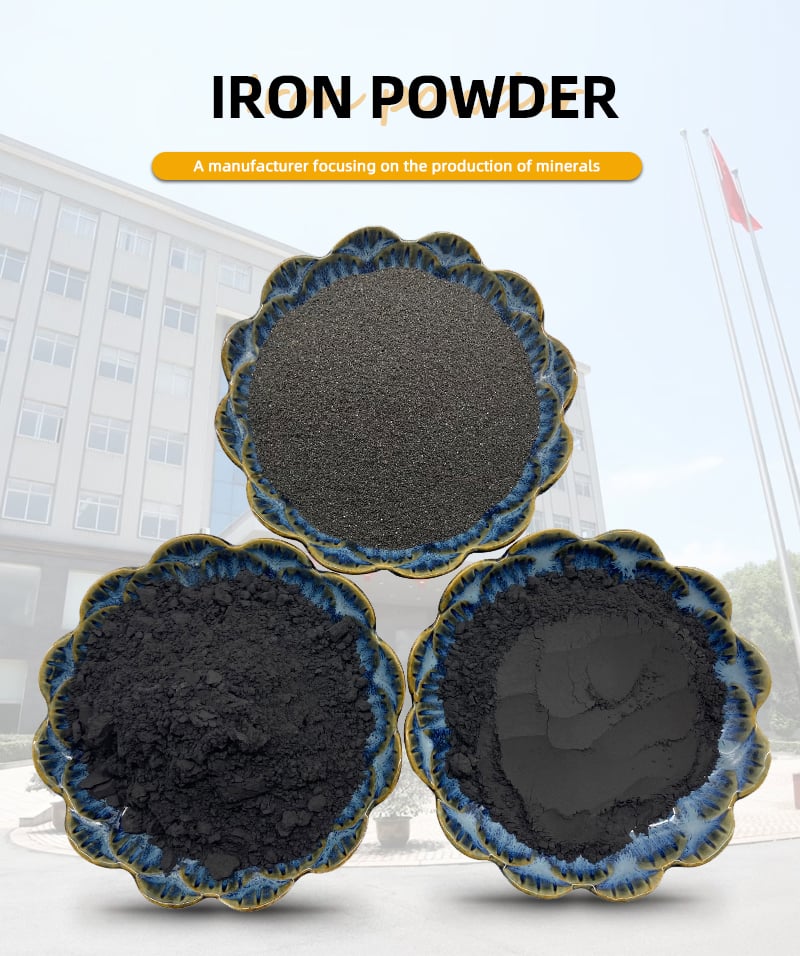
Iron powder is a versatile metal material that plays vital roles in various industrial sectors and technological innovations. Its unique combination of magnetic properties, formability, and cost-effectiveness makes it indispensable in many production processes. Unlike some specialized materials, iron powder is widely available and can be tailored to meet specific requirements through different processing methods. From consumer electronics to automotive industries, iron powder’s presence is felt in numerous products that people use daily, supporting their functionality and reliability.
One key application of iron powder lies in smart home devices, particularly in sensors that enable automatic control and interaction. Sensors used in smart thermostats, motion detectors, and door/window sensors rely on magnetic components to detect changes in environment or movement. Iron powder serves as a core material in these magnetic components, as it can be formed into precise shapes and exhibits stable magnetic responsiveness. When processed into fine particles and combined with binding agents, iron powder creates magnetic cores that enhance sensor sensitivity. For example, motion detectors in smart homes use such cores to pick up subtle magnetic field changes caused by moving objects, triggering timely responses like turning on lights or sending alerts. This application highlights how iron powder contributes to convenience and safety in modern living environments.
In electric vehicle components manufacturing, iron powder has become a crucial material for improving performance and reducing costs. Electric motors, which are heart of electric vehicles, require magnetic cores with high magnetic permeability to convert electrical energy into mechanical energy efficiently. Iron powder, when processed through sintering and pressing techniques, forms dense magnetic cores that meet these demands. These cores minimize energy loss during operation, allowing electric vehicles to achieve longer driving ranges. Additionally, iron powder is used in manufacturing structural components of electric vehicle batteries, such as heat-dissipating plates. Its good thermal conductivity helps dissipate heat generated by batteries during charging and discharging, preventing overheating and extending battery lifespan. As electric vehicle market expands, demand for high-quality iron powder tailored to these applications continues to grow.
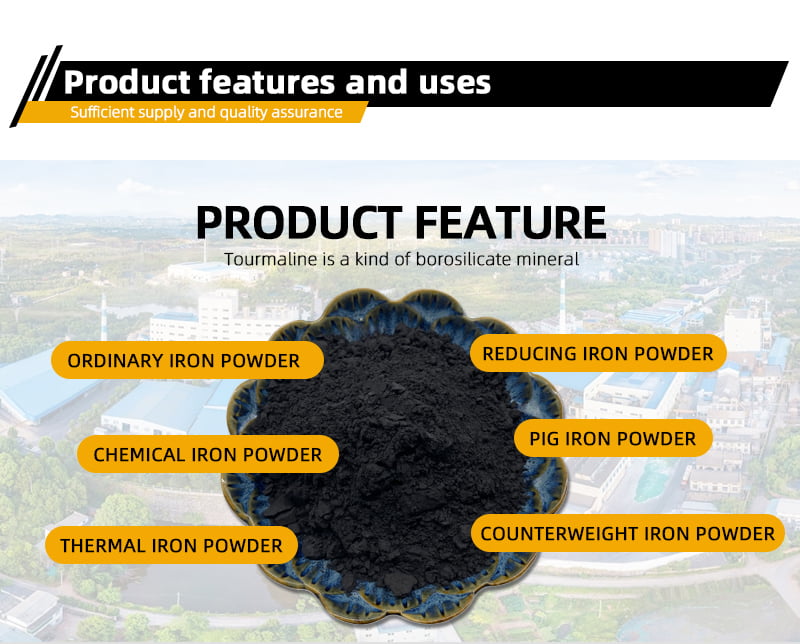
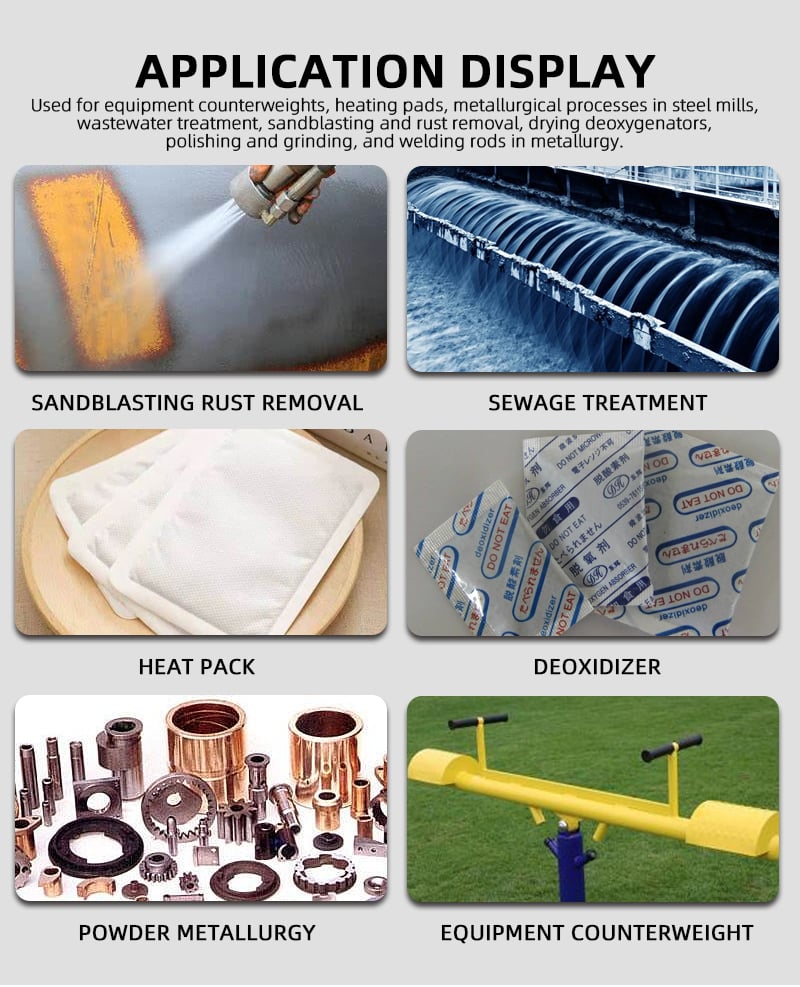
Magnetic storage media production is another sector where iron powder plays a fundamental role. Traditional storage devices like hard disk drives and magnetic tapes use magnetic layers to record and store data. Iron powder, with its excellent magnetic retention, is a key ingredient in these magnetic layers. Through specialized coating processes, fine iron powder particles are evenly distributed on storage substrates, forming thin layers that can hold magnetic signals representing data. Engineers adjust particle size and surface treatment of iron powder to improve data storage density and durability. Even with rise of solid-state drives, magnetic storage remains widely used in large-scale data centers due to its cost-effectiveness, and iron powder continues to be a critical material for this purpose. This application demonstrates iron powder’s importance in preserving and managing digital information.
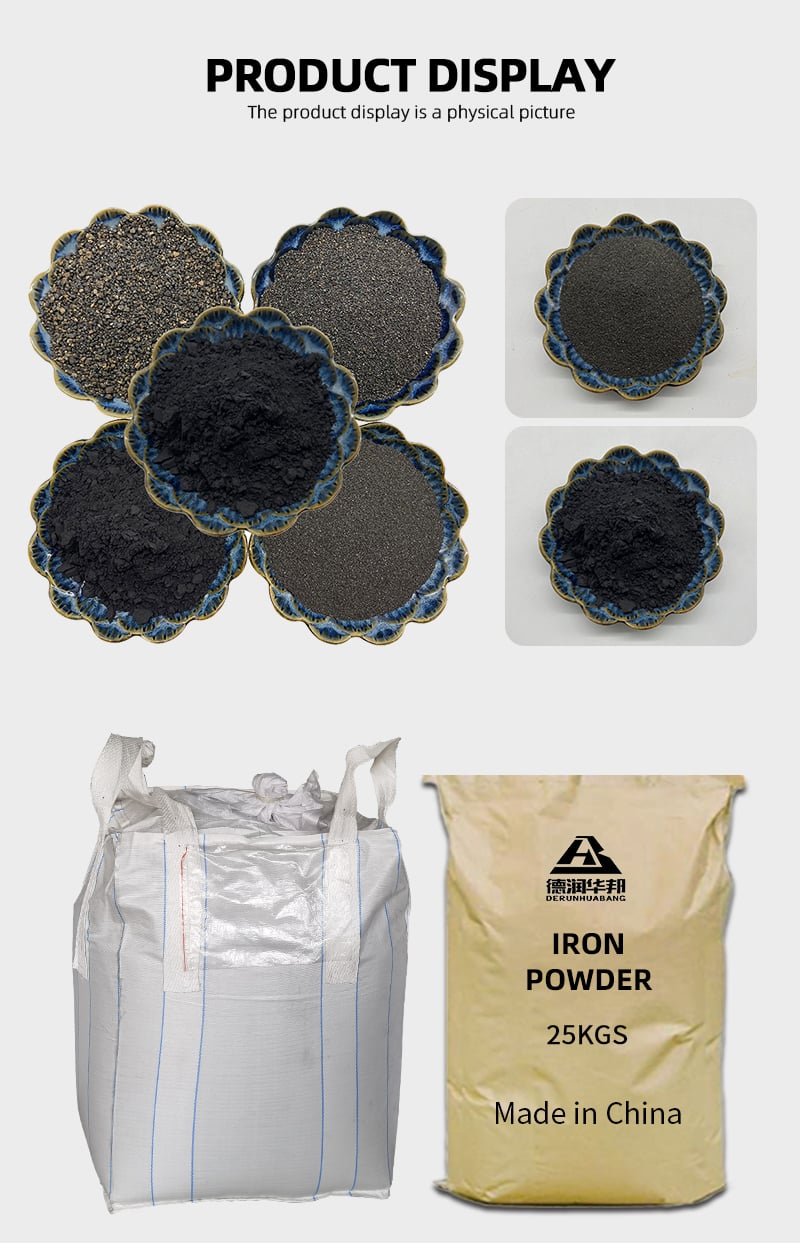
Iron powder also finds applications in metal additive manufacturing, commonly known as 3D printing. This innovative production method builds parts layer by layer, and iron powder serves as a primary feedstock for printing metal components. Iron powder used in 3D printing must have uniform particle size and good flowability to ensure smooth printing and consistent part quality. Parts printed with iron powder include custom mechanical components for industrial machinery and specialized parts for medical equipment (excluding direct body contact applications). The ability to print complex shapes with iron powder reduces material waste compared to traditional machining, as only necessary amount of powder is used. This makes iron powder a sustainable choice for small-batch production and custom manufacturing needs.


Processing techniques greatly influence properties of iron powder and its suitability for different applications. Common methods include atomization, where molten iron is sprayed into fine droplets that solidify into powder, and reduction, where iron oxides are converted into iron powder using reducing agents. Atomization produces iron powder with irregular shapes and dense structures, ideal for magnetic cores and 3D printing. Reduction method yields iron powder with porous structures, suitable for applications requiring high adsorption capacity. Manufacturers carefully select processing methods based on desired particle size, shape, and magnetic properties, ensuring iron powder meets specific application requirements.
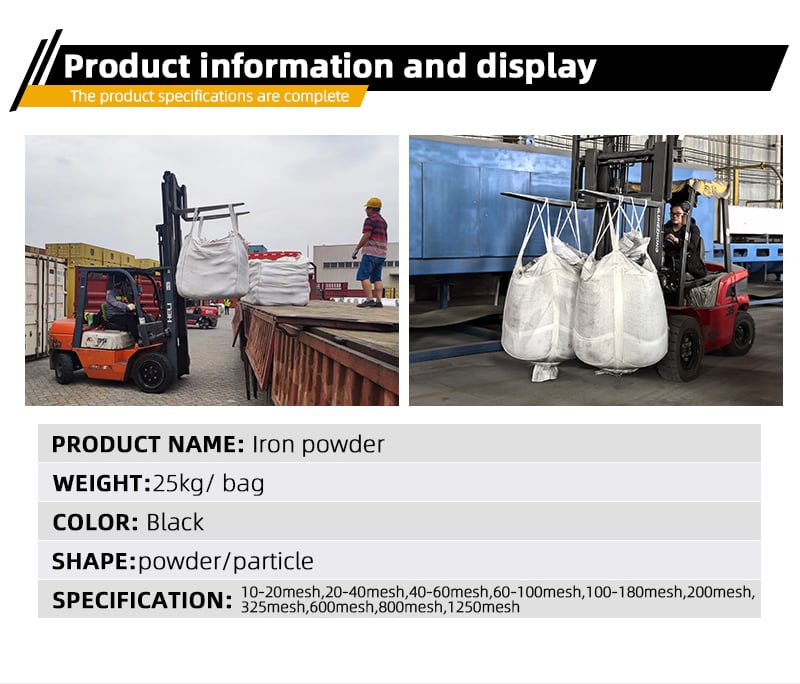
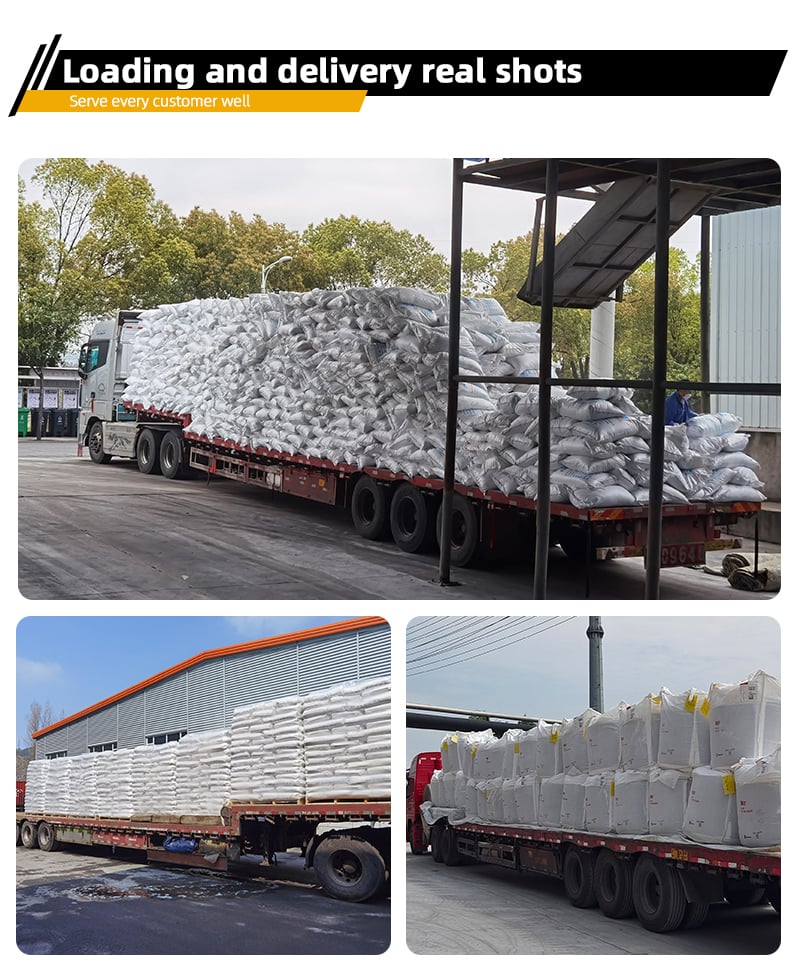
Despite its many advantages, iron powder requires proper handling and storage to maintain its properties. It is prone to oxidation when exposed to air and moisture, which can reduce its magnetic performance and formability. To prevent this, iron powder is often packaged in vacuum-sealed bags or stored in dry, inert environments. Additionally, during transportation, measures are taken to avoid excessive vibration that could cause powder agglomeration.
 ×
×