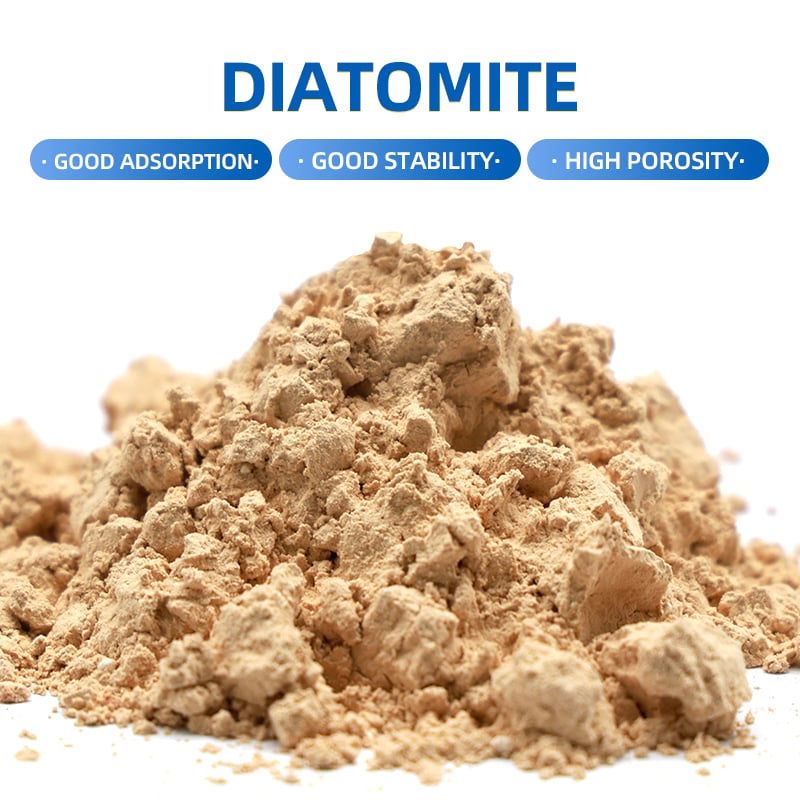
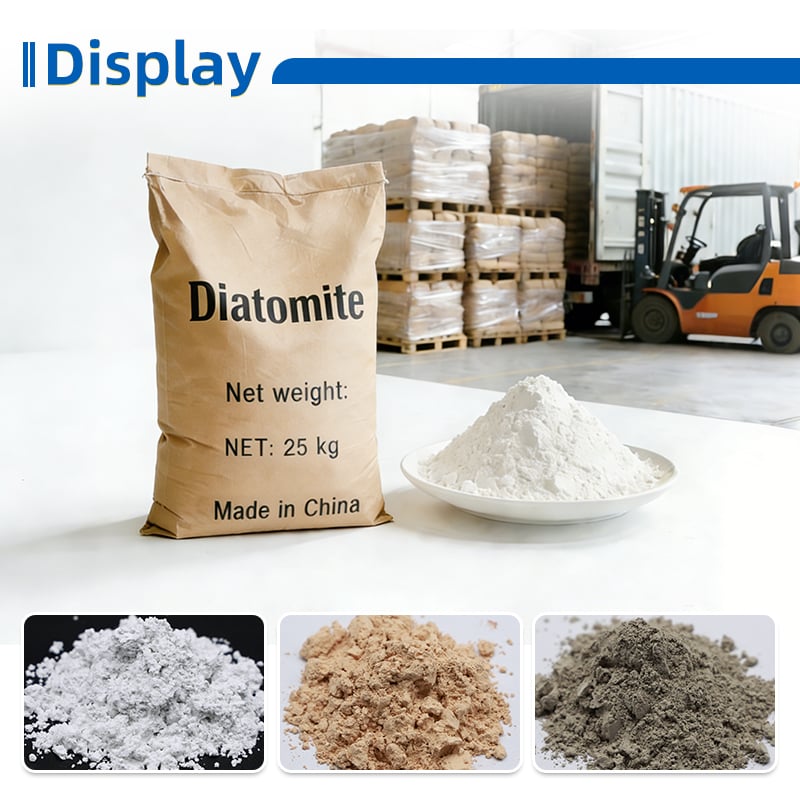
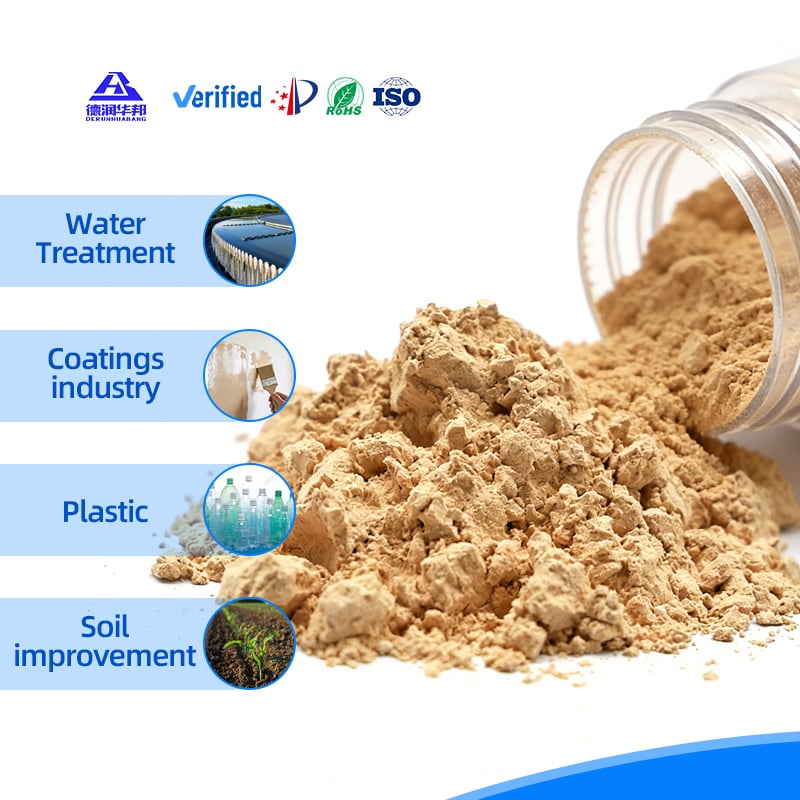
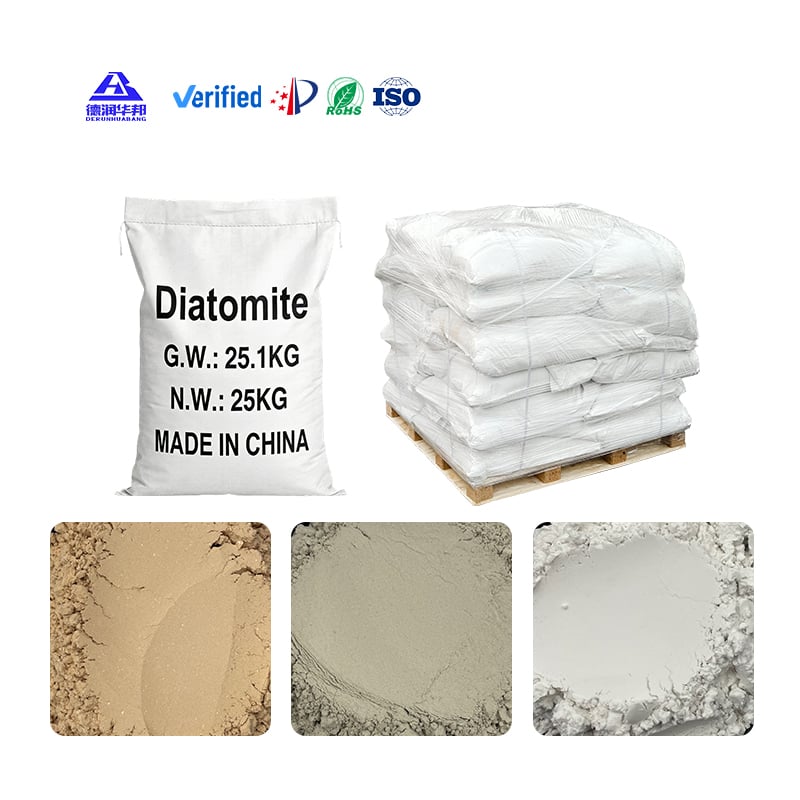
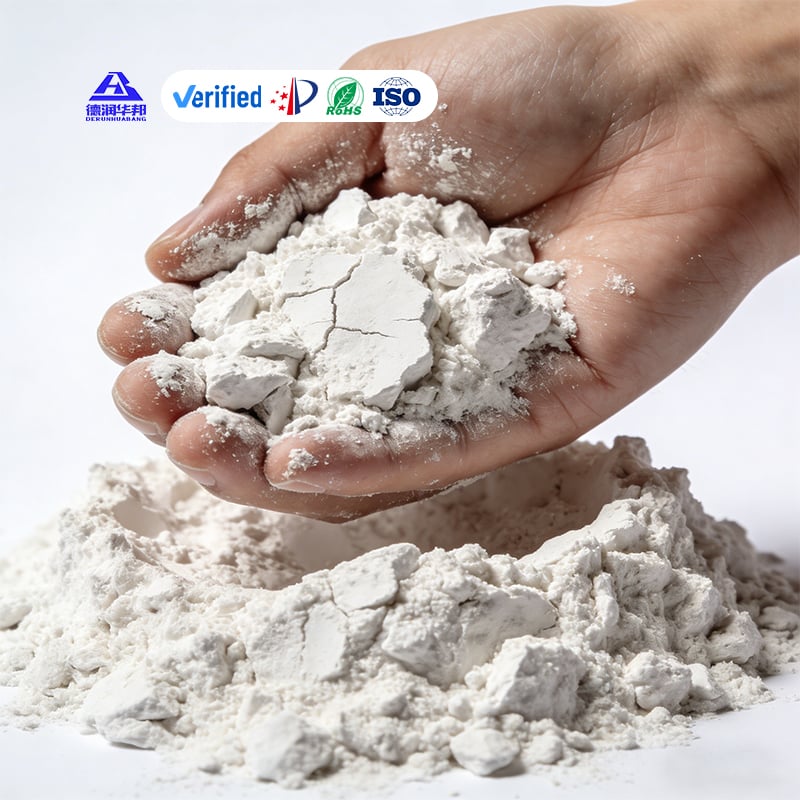
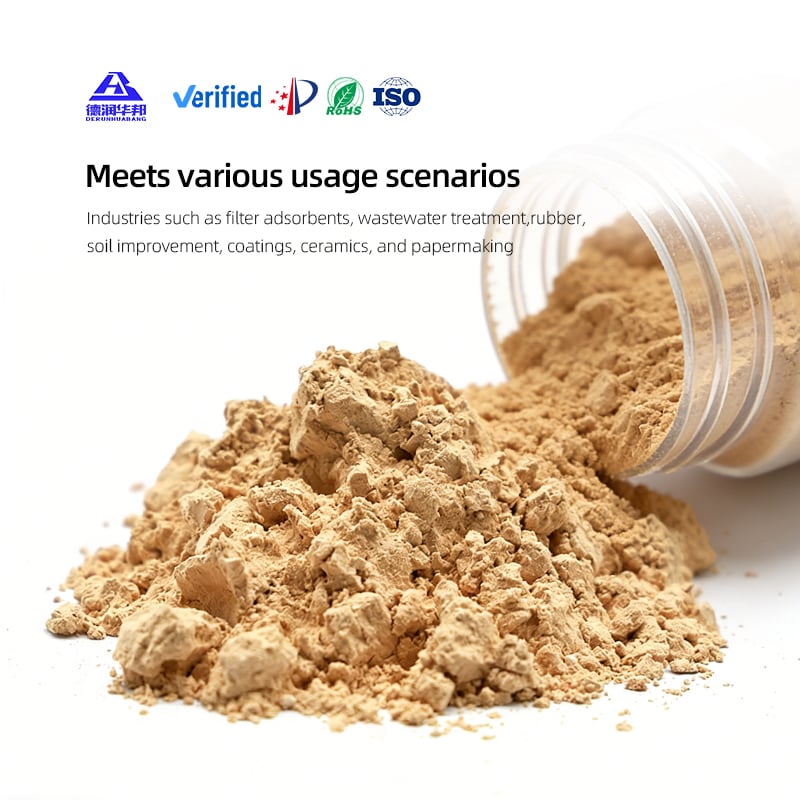
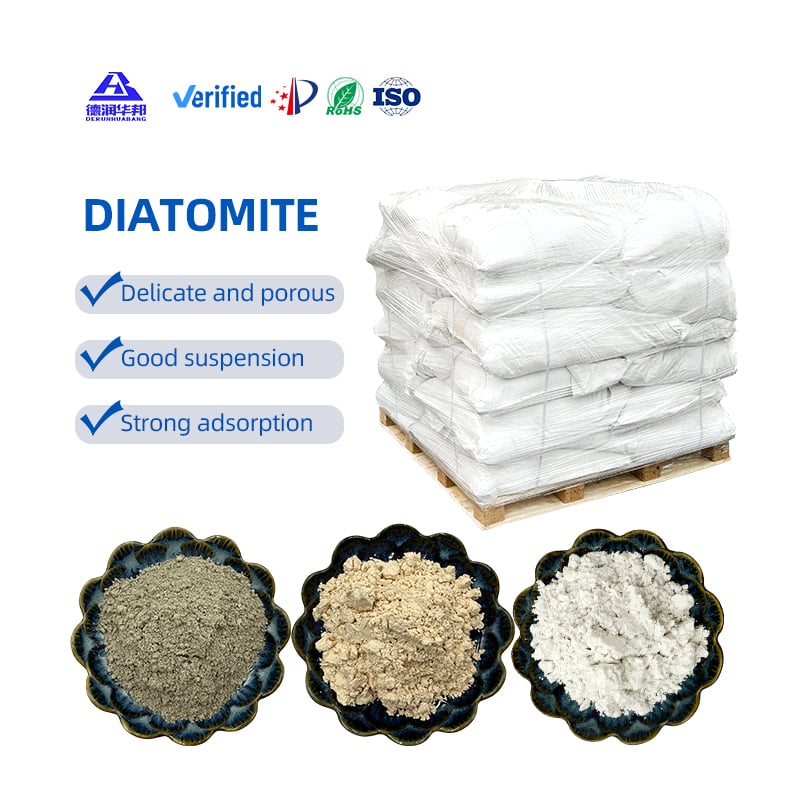
Diatomaceous earth, commonly referred to as diatomite, is natural sedimentary material formed exclusively from fossilized remains of diatoms—microscopic aquatic organisms that secrete delicate, silica-based shells called frustules. These tiny, single-celled organisms thrive in diverse water bodies, from warm tropical lakes and shallow coastal bays to cold ocean depths and freshwater rivers, adapting to varying temperatures and nutrient levels. As diatoms complete their life cycles (which typically last just days to weeks), their frustules—tough and resistant to decomposition—sink steadily to the bottom of these water bodies, forming thin layers over time. Over millions of years, these layers accumulate to great thickness, and geological processes take hold: gradual compaction from the weight of overlying sediment squeezes out excess water, while mineral-rich fluids seep through the layers, cementing frustules together into solid, porous deposits of diatomaceous earth. Most striking characteristic of diatomaceous earth is its intricate porous structure, a direct replica of the frustules’ honeycomb-like, ribbed, or spiny shapes. This structure creates enormous internal surface area—often hundreds of square meters per gram—which endows diatomaceous earth with strong adsorption, efficient filtration and excellent insulating capabilities. These core traits are what make it indispensable across a wide range of industrial applications, from purification to construction.
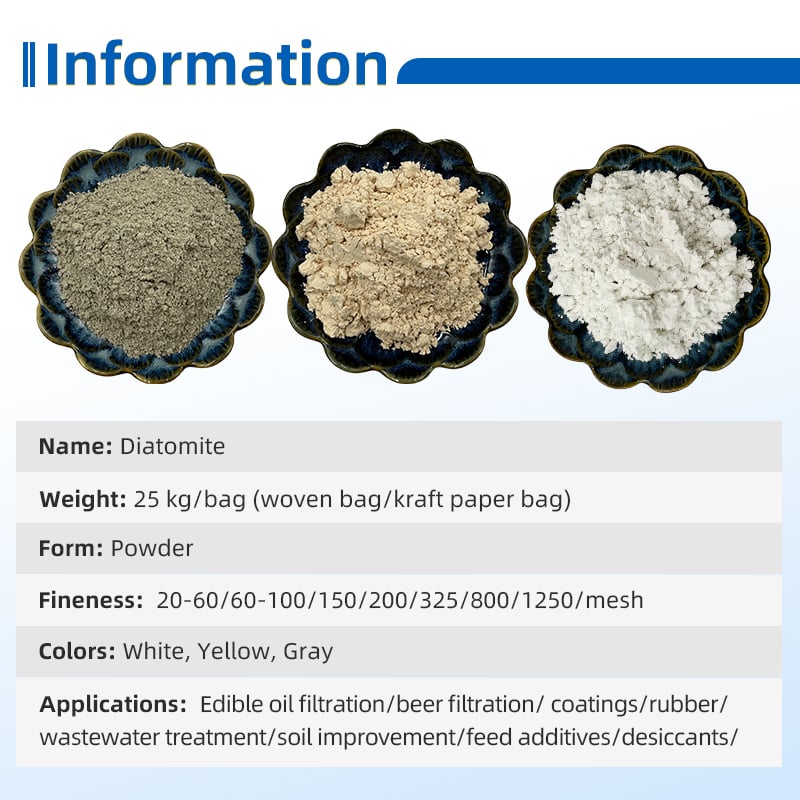
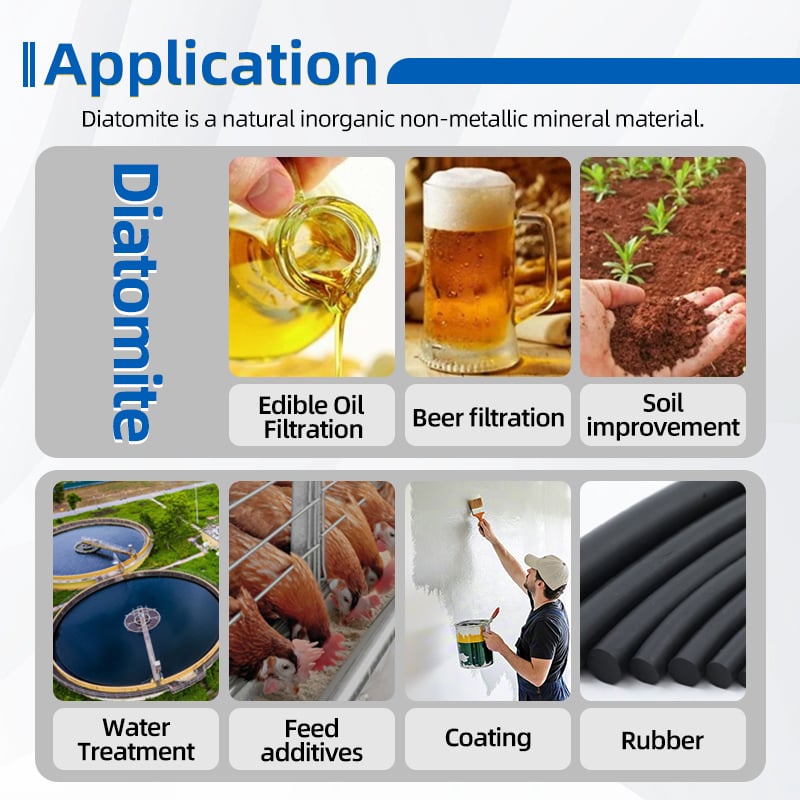
Filtration is one of most mature and widespread applications of diatomaceous earth, leveraging its porous framework to act as natural filter medium that can capture tiny particles—some as small as a few micrometers—invisible to naked eye. In industrial production, countless sectors rely on diatomaceous earth for precise liquid purification. For example, in chemical industry, diatomaceous earth is used to filter volatile solvent solutions and high-purity reagent liquids used in pharmaceutical intermediates (non-medical) and electronic component manufacturing. It traps even trace particulate impurities that could contaminate final products or clog delicate production equipment like microreactors. In oil refining industry, it is a key component in filtering crude oil derivatives such as lubricating oils, diesel and jet fuels (non-aviation use), removing fine particulate matter and sticky colloidal substances that would degrade oil’s lubricating properties or cause engine deposits. Besides liquid filtration, diatomaceous earth also plays vital role in air filtration. When processed into fine powders and bonded into porous filter cartridges, it is used in industrial dust collectors for sectors like metal processing, cement production and woodworking. These cartridges trap dust, metal shavings and harmful particulate fumes from production lines, significantly improving air quality in workshops and reducing risks of respiratory hazards for workers.
Wastewater treatment is another key application field where diatomaceous earth demonstrates outstanding performance, especially as global focus on water conservation and pollution control intensifies. With increasing environmental awareness, treating industrial and domestic wastewater to meet strict discharge standards has become global priority for governments and enterprises alike. Diatomaceous earth’s strong adsorption capacity—rooted in its porous structure—makes it ideal material for wastewater purification, as it can target multiple contaminants simultaneously. When added to wastewater tanks, diatomaceous earth particles disperse evenly and adsorb organic pollutants (like synthetic dyes from textiles), heavy metal ions (such as lead and cadmium from electronics manufacturing) and suspended solids (like sludge from paper mills) onto their porous surfaces. These adsorbed particles then naturally aggregate into larger, denser flocs, which settle quickly under gravity—eliminating need for expensive mechanical separation equipment. Compared with synthetic flocculants (which often contain toxic chemicals and take years to degrade), diatomaceous earth is non-toxic, biodegradable and leaves no harmful residues, avoiding secondary pollution to water bodies. Many textile factories and printing plants, for instance, use diatomaceous earth-based treatment systems to remove stubborn dye residues (like reactive dyes and disperse dyes) from wastewater, achieving discharge standards efficiently while lowering long-term treatment costs.
In construction industry, diatomaceous earth has emerged as highly sought-after material for green buildings, a sector growing rapidly amid global push for energy efficiency and low-carbon living. Its inherent lightweight and insulating properties perfectly meet demands for energy-saving construction, as lightweight materials reduce structural load of buildings (lowering construction costs for foundations) while insulation cuts energy waste. When added to wall materials—such as diatomite gypsum boards, interior wall putties and eco-friendly coatings—it creates thermal barrier that slows heat transfer. For example, buildings using diatomaceous earth wall panels can reduce energy consumption for heating in winter by up to thirty percent and cooling in summer by similar margins, directly aligning with energy conservation and carbon reduction goals. Moreover, diatomaceous earth’s excellent moisture-regulating ability sets it apart from traditional building materials. It can actively absorb excess moisture in air during humid seasons (preventing wall mildew, peeling and mold growth that harms indoor air quality) and release stored moisture back into air when humidity drops—maintaining indoor humidity between forty and sixty percent, range most comfortable for human health. These properties make diatomaceous earth-based materials particularly popular in residential communities, office buildings and healthcare facilities (non-medical areas) pursuing eco-friendly certifications like LEED or BREEAM.
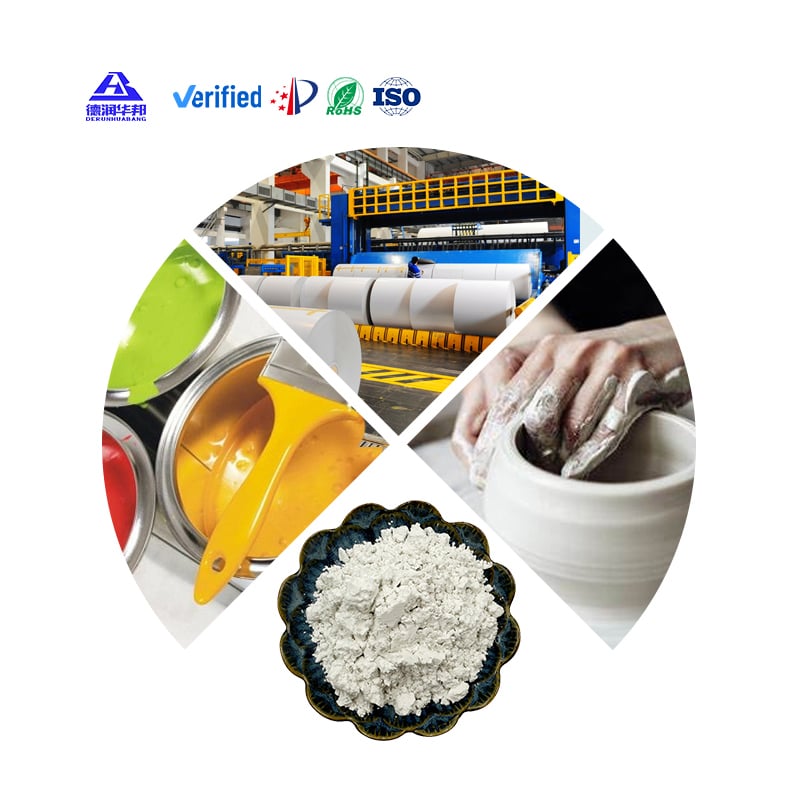
Beyond aforementioned applications, diatomaceous earth serves as versatile functional additive in multiple industries, thanks to its chemical inertness and structural stability. In plastic and rubber manufacturing, it is widely used as reinforcing filler that enhances product performance while cutting costs. When mixed into plastic composites for products like water pipes, outdoor furniture and electrical enclosures, diatomaceous earth particles disperse uniformly to boost mechanical strength (resisting cracking and impact), wear resistance (extending product lifespan) and heat stability (preventing deformation in high temperatures). For rubber products like sealing rings and conveyor belts, it improves tensile strength and reduces shrinkage during curing—all while replacing up to twenty percent of expensive raw polymers, lowering production costs significantly. In coating industry, it acts as high-performance matting agent that creates desirable finishes. Diatomaceous earth particles—with their irregular shapes and porous surfaces—scatter light evenly on dried coating surfaces, eliminating excessive gloss and creating smooth, matte or semi-matte finishes favored in architectural coatings (for walls and ceilings) and furniture coatings (for wooden cabinets and floors). Manufacturers can adjust particle size of diatomaceous earth to control matte intensity, offering flexible solutions for different design needs. Additionally, diatomaceous earth is used as carrier in catalyst industry. Its large surface area provides abundant attachment points for catalyst particles , while its inert nature ensures it does not react with reactants or products. This improves catalytic efficiency in chemical reactions like organic synthesis and petroleum processing, reducing energy consumption and byproduct formation.
 ×
×