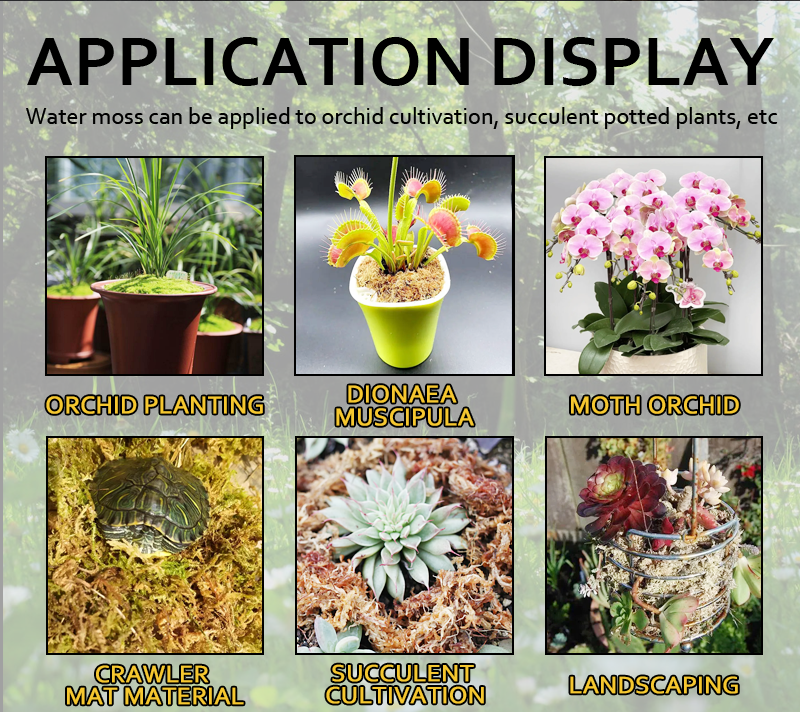
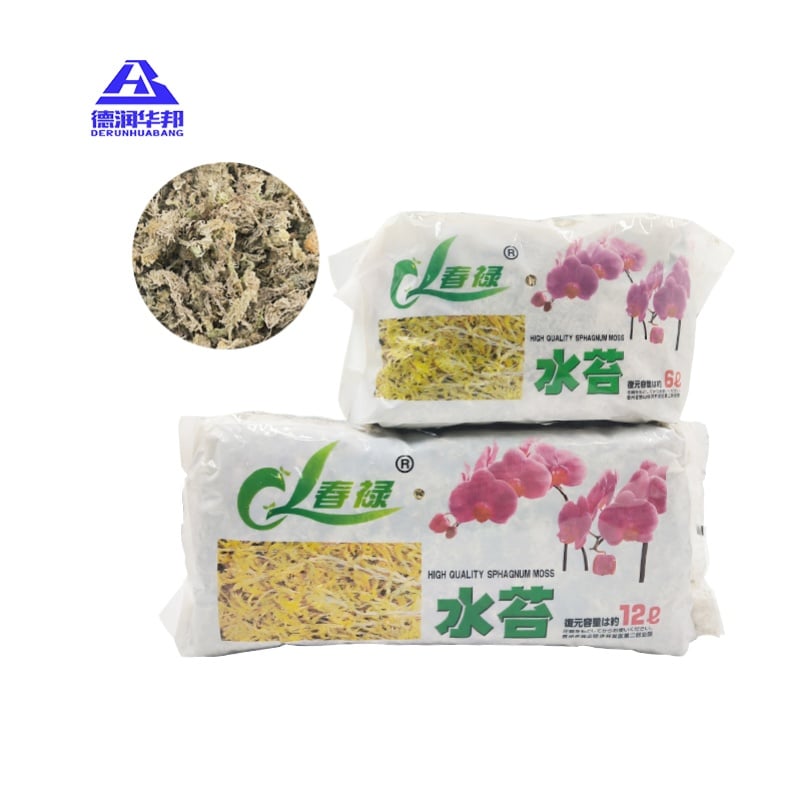
Harvesting adheres to strict eco-friendly standards to avoid wetland degradation, with regional variations tailored to local ecosystems. In Canada, harvesters use hand tools to selectively collect mature moss patches that have reached full growth (typically three to five years old), leaving a 10-centimeter layer of young moss and root systems intact to regenerate naturally. They follow rotational harvesting schedules, dividing wetlands into sections and allowing each section to recover for at least five years before re-collection. In New Zealand, alpine moss harvesting is regulated by government agencies: harvesters must obtain permits, attend wetland conservation training, and submit annual regeneration reports with photos of harvested areas. Post-harvest, disturbed areas are restored with native vegetation: in peatlands, workers replant sphagnum moss fragments collected from healthy patches to accelerate regrowth; in alpine regions, they sow native grass seeds like tussock to stabilize soil and create shaded microclimates that favor moss growth. Some producers even partner with conservation organizations to fund wetland restoration projects, ensuring harvested areas remain ecologically viable. Diverse application scenarios highlight sphagnum moss’s versatility, with innovative uses emerging in eco-conscious industries. In floral arrangement, luxury florists use it to create “zero-waste” bouquets: moss is shaped into small nests to hold individual blooms, then assembled into arrangements without glue or wire. These bouquets can be disassembled after use, with the moss composted and flowers recycled into potpourri. For biodegradable packaging, organic food companies in Europe use sphagnum moss mats to cushion delicate produce like strawberries and asparagus during transportation. The mats absorb excess moisture to prevent mold growth and release small amounts of natural antimicrobial compounds that extend shelf life. Unlike plastic foam, which requires special disposal, these mats decompose completely in home compost bins within three months. In indoor greenery, sphagnum moss is a key component in vertical garden systems for commercial buildings: mixed with coconut coir and natural binders, it forms lightweight, flexible growing mats that adhere to walls. These mats retain moisture for wall-mounted plants like pothos and string of pearls, reducing watering frequency by 50% compared to traditional potting soil. It also enhances green roof installations in urban areas: layers of moss placed between drainage sheets and vegetation reduce stormwater runoff by absorbing rainwater, then slowly releasing it back into the atmosphere. This not only eases pressure on municipal drainage systems but also insulates buildings, reducing heating costs in winter and cooling costs in summer. Quality control for sphagnum moss is rigorous and tailored to specific applications, with third-party testing common in premium markets. For cultivation use, lab tests measure water retention rate by soaking moss samples in dechlorinated water for 24 hours, then weighing them at 24-hour intervals to monitor moisture release—top-grade cultivation moss must retain at least 15 times its weight in water for 72 hours without waterlogging. For decorative moss, fiber strength tests involve gently stretching samples to ensure they resist breakage during shaping, and color consistency is checked under natural and artificial light to ensure uniform appearance in displays. For packaging, compression tests simulate transportation conditions: moss mats are pressed with standardized weights to verify they regain shape after pressure, preventing damage to delicate produce. Biodegradation tests place samples in controlled compost environments, with pass criteria requiring 90% decomposition within six months. Recycled moss waste—such as trimmings from decoration production and used cultivation moss—finds new life in multiple ways: ground into fine particles, it is mixed into potting soil to enhance moisture retention; compressed into small discs, it serves as biodegradable seed starters that can be planted directly into soil, eliminating plastic seed trays. This closed-loop system ensures minimal waste and maximizes the material’s ecological value. In addition to these mainstream uses, sphagnum moss is gaining traction in ecological restoration projects. It is used to stabilize soil in areas affected by wildfires or mining: layers of moss are spread over bare soil, where they retain moisture and prevent erosion while providing a suitable environment for native plant seeds to germinate. In wetland restoration, moss fragments are introduced to degraded bogs to accelerate peat formation, helping to rebuild carbon-sequestering ecosystems. These emerging applications further solidify sphagnum moss’s role as a versatile, eco-friendly material that aligns with global sustainability goals.
 ×
×