Ბენტონიტის ფხვნილი მრავალფუნქციური მინერალური მასალაა, რომელიც მნიშვნელოვნად განსაზღვრავს საინდუსტრიო სექტორების მრავალრიცხოვანი საწარმოების ძირეულ მუშაობას და სთავაზობს უნიკალურ ფიზიკურ თვისებებს, რომლებიც ამოხსნის საწარმოების მნიშვნელოვან პრობლემებს და ამაღლებს საინდუსტრიო შემადგენლობების საერთო ეფექტურობას. ეს გასუფთავებული მინერალური ფხვნილი, რომელიც მიიღება ბუნებრივი თიხის საბადოებიდან და დამუშავებულია მისი ძირეული თვისებების ოპტიმიზაციის მიზნით, საინდუსტრიო სამუშაო პროცესებში საერთოდ საყრდენი კომპონენტია, რომლებიც საინდუსტრიო საწარმოების სიმდგრადობას, მუდმივობას და ფუნქციონალურ ეფექტურობას უპირატესობას ანიჭებენ, ხოლო შეზღუდული გამოყენების სფეროების გარეშე მიმართულია მხოლოდ საინდუსტრიო წარმოებას, მშენებლობას და მასალების დამუშავების მომდევნო სეგმენტებზე. ბენტონიტის ფხვნილის გამოყენების ყველა ასპექტი მის შინაგან შესაძლებლობაზე დაფუძნებულია მასალების თვისებების მოდიფიცირების, სტრუქტურული მდგრადობის გაძლიერების და წარმოების პროცესების გამარტივების მიზნით, რაც მის გამოყენებას საერთაშორისო დონეზე საინდუსტრიო ოპერატორებისთვის უჩანავო ასეტად ქმნის, რომლებიც საკუთარი პროდუქტების ხარისხის და ექსპლუატაციური მდგრადობის გასაუმჯობესებლად სტანდარტების შესანარჩუნებლად მოითხოვენ მაღალი სამუშაო ეფექტურობის უზრუნველყოფას.
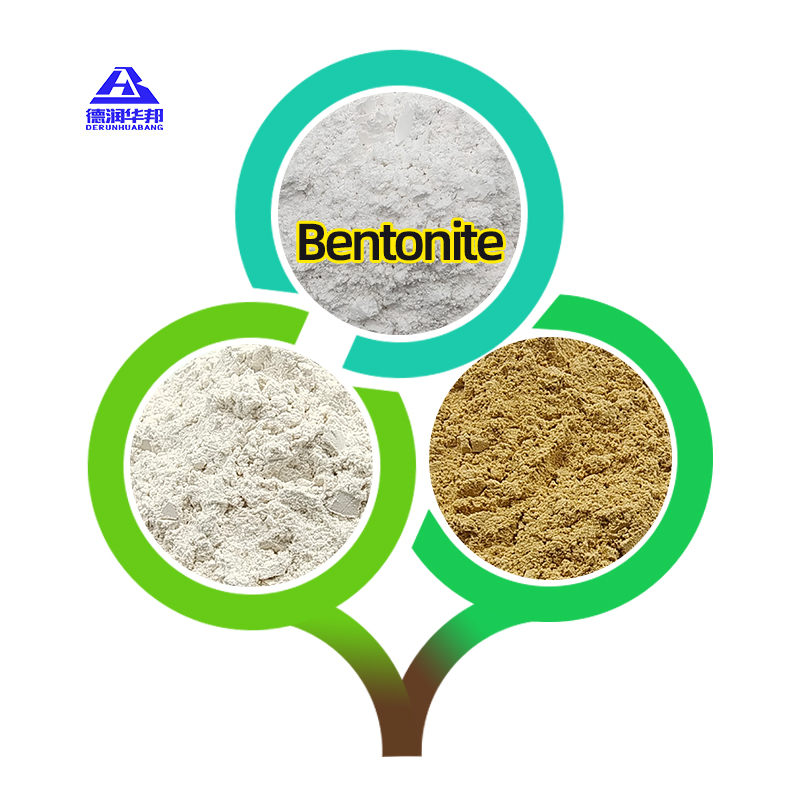

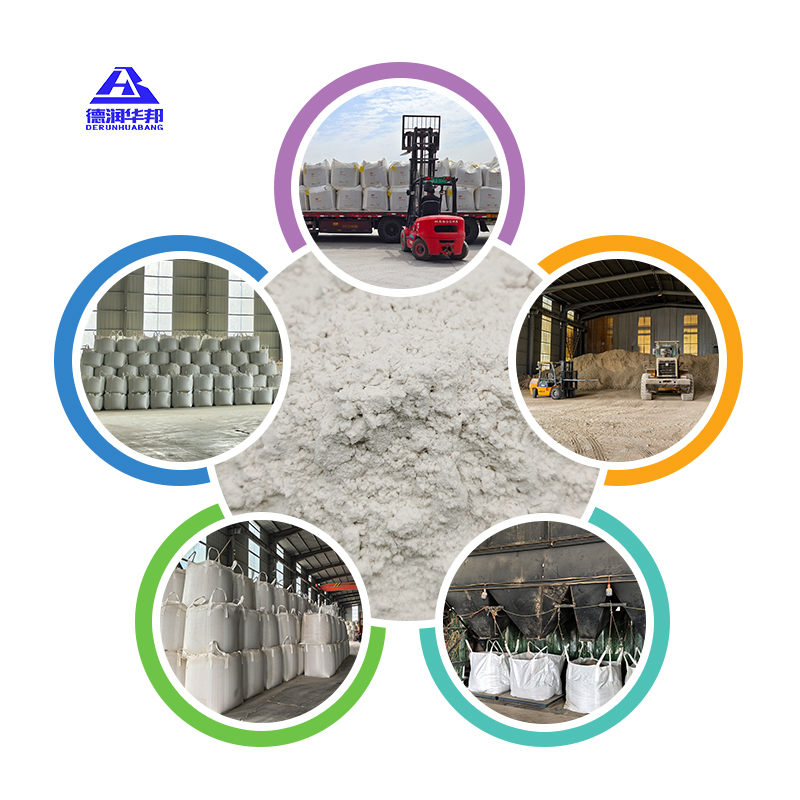
Საყრელი და მეტალურგიული დამზადების ოპერაციებში ბენტონიტის ფხვნილი მნიშვნელოვან როლს ასრულებს როგორც დამაკავშირებელი საშუალება, რომელიც აძლიერებს ქვიშის ფორმებსა და საშუალებებს, რაც უზრუნველყოფს სტრუქტურულ სტაბილურობას მაღალტემპერატურიანი მეტალის ჩასხმისა და ფორმირების პროცესების დროს. ბენტონიტის ფხვნილის უნიკალური ლეპტი და სითბოს მიმართ მდგრადობის თვისებები მჭიდროდ აკავშირებს თავისუფალ ქვიშის ნაკრებს, რის შედეგად წარმოიქმნება მკვრივი, მიმდგრადი ფორმები, რომლებიც ინარჩუნებენ თავიანთ ფორმასა და გაზომვის სიზუსტეს სითბოს ექსტრემალური პირობების ქვეშ ასევე, რაც თავიდან აიცილებს ფორმების ჩამოვარდნას, დაშლას ან დეფორმაციას, რომელიც შეიძლება დააზიანოს დამზადებული მეტალურგიული ნაკეთობები. წარმოებლები ბენტონიტის ფხვნილზე ეყრდნობიან დასამზადებლად დამდგარი ნაკლიერების შემცირების, დამზადებული მეტალურგიული ნაკეთობების ზედაპირის ხარისხის გაუმჯობესების და ფორმების მასალების სამსახურის ხანგრძლივობის გაზრდის მიზნით, რაც ამცირებს მასალების სიკარგს და წარმოების დაყოვნებას, ხოლო ასევე უზრუნველყოფს სამრეწველო მეტალურგიული დამზადების მკაცრ ხარისხის სტანდარტებს. ბენტონიტის ფხვნილის გარეშე საყრელი წარმოება განიცდის მაღალ უეფექტობას, არასტაბილურ დასამზადებლად მიღებულ შედეგებს და დაზიანებული პროდუქციის და ხშირად მეორედ ფორმების შეცვლის გამო გაზრდილ ხარჯებს.
Მშენებლობისა და სამოქალაქო ინჟინერიის სექტორი ძლიერ არის დამოკიდებული ბენტონიტის ფხვნილზე, რათა გადაჭრას მიწის სტაბილიზაციის, ქვემიწა სტრუქტურების მხარდაჭერის და წყალგაუმტარობის აპლიკაციების მნიშვნელოვანი გამოწვევები, რაც მოიცავს მასშტაბურ ინფრასტრუქტურულ პროექტებს და სპეციალიზებულ მშენებლობის სამუშაო პროცესებს. ბენტონიტის ფხვნილი წყალთან შერევის შემდეგ გამოირჩევა განსაკუთრებული შეშუშებისა და დასახურების შესაძლებლობით და ქმნის სიმჭიდროვის მაღალი და წყალგაუმტარო ბარიერს, რომელიც თავისდათავად არღვევს მიწისქვეშა წყლის შემოსვლას, მიწის ეროზიას და სტრუქტურულ არასტაბილურობას ტუნელებში, სარემონტო სამუშაოებში, დიაფრაგმულ კედლებში და ქვემიწა მშენებლობის პროექტებში. ამასთანავე, ის მოქმედებს როგორც სტაბილიზატორი მოძრავი ან სუსტი მიწის ფორმაციების შემთხვევაში, აუმჯობესებს მიწის კოეზიას და ტვირთის მოსატანად შესაძლებლობას, რაც ხელს უწყობს მძიმე მშენებლობის ტვირთების მოსატანად და აუზრუნველყოფს აშენებული სტრუქტურების გრძელვადი სიმტკიცეს. მშენებლობის ჯგუფები იყენებენ ბენტონიტის ფხვნილს რთული ქვემიწა მშენებლობის ამოცანების გამარტივების, პროექტის უსაფრთხოების გასაუმჯობესებლად და სტრუქტურული დაშლების რისკის შესამცირებლად, რაც მის გამოყენებას საერთაშორისო მშენებლობის ლანდშაფტში მდგრადი ინფრასტრუქტურის განვითარების მნიშვნელოვან მასალას ხდის.
Ჭარბი სითხის შედგენილობის მომზადება წარმოადგენს ბენტონიტის ფხვნილის კიდევა ერთ მნიშვნელოვან საინდუსტრიო გამოყენებას, სადაც ის არის ძირეული კომპონენტი, რომელიც ოპტიმიზაციას ახდენს საჭარბის შესრულებას და იცავს საჭარბის აღჭურვილობას რესურსების ძიებისა და ქვემიწა საჭარბის მოქმედებების დროს. ბენტონიტის ფხვნილი ამაღლებს საჭარბის სითხის სიბლანტეს და სიცხელის გამოყოფის თვისებებს, რაც ამცირებს საჭარბის ბურღის და გარშემო მდებარე ქანებს ან ნიადაგს შორის ხახუნს, ამცირებს აღჭურვილობის აბრაზიულ მოხმარებას და უზრუნველყოფს უფრო მოსახერხებელ საჭარბის პროცესს. ამასთანავე, ის ქმნის დამცავ ფილტრის ფენას ჭარბის კედლებზე, რაც ასტაბილურებს ჭარბის სტრუქტურას, თავის არ იძლევა კედლების ჩამოვარდნას და ეფექტურად ატარებს ბურღის ნაკვეთებს ზედაპირზე, რათა შეინარჩუნოს საჭარბის გზების გასუფთავება. ეს ფუნქციონალობა ხდის ბენტონიტის ფხვნილს საჭიროების გარეშე არსებულ საშუალებას ეფექტური და უსაფრთხო საჭარბის მოქმედებების გასანახლებლად, რაც უზრუნველყოფს მუდმივ შესრულებას სხვადასხვა გეოლოგიურ პირობებში და ამცირებს დასტურის გამო აღჭურვილობის გაუმჯობესების ან ჭარბის არასტაბილურობის პრობლემების გამო წარმომავალ დასტურს.