×
×
Zeolite is a porous aluminosilicate material valued for adsorption, ion exchange, molecular sieving and catalytic behaviour. Natural zeolite is widely considered for water and wastewater treatment, odor control, animal-care products, horticultural media, soil conditioning and selected construction applications, while synthetic zeolite serves more specialized uses such as detergents, catalysts and molecular sieves. This buyer-focused guide from [Company Name] explains the difference between natural and synthetic products, the specifications that influence performance, and the documents purchasing teams should review before ordering powder or granules.
Zeolites are hydrated aluminosilicates containing alkaline or alkaline-earth metals. Their crystalline frameworks contain connected channels and cavities on a microscopic scale. Water molecules and exchangeable cations can occupy these internal spaces, giving zeolite its characteristic adsorption and ion-exchange properties.
The U.S. Geological Survey reports that approximately 40 natural zeolite minerals have been identified, including clinoptilolite, chabazite, mordenite, analcime and several others. More than 150 synthetic structures have also been produced. These materials do not perform identically: framework type, mineral purity, exchangeable cations, pore dimensions and processing conditions all influence the result.
Clinoptilolite-rich material is one of the most common natural products in commercial trade. After mining, natural zeolite may be crushed, dried, milled, screened or granulated into grades for different applications. Buyers should confirm the dominant mineral phase and test data rather than assuming that every material sold under the same name has equal adsorption or exchange performance.
Natural zeolite forms in geological environments, often when volcanic ash reacts with alkaline water over long periods. Commercial ore can contain the target mineral together with clay, quartz, feldspar or other associated phases. Beneficiation and size classification help create powder and granular products, but the mineralogical composition still depends on the deposit.
Its relative availability and functional pore structure make natural zeolite useful in bulk applications such as odor control, pet litter, horticulture, soil amendment and wastewater treatment. Performance should be evaluated by application-specific testing because exchange capacity and mineral purity vary among deposits.
Synthetic zeolite is manufactured under controlled chemical conditions to obtain a selected framework, composition and pore size. Common commercial types include zeolites A, X, Y and ZSM-5. The more uniform pore structure enables applications that require selective molecular separation, controlled catalysis or standardized detergent performance.
Natural and synthetic materials should not be treated as direct substitutes without technical evaluation. A project involving gas separation, petroleum refining or a defined molecular sieve normally requires a purpose-designed synthetic grade. A bulk soil conditioner or odor-control product may instead use processed natural material.
The negatively charged aluminosilicate framework is balanced by exchangeable cations. Under suitable conditions, those cations can be exchanged with ions present in a liquid. This property is measured through cation exchange capacity, commonly abbreviated as CEC.
CEC is useful for screening natural zeolite, but it is not a complete performance guarantee. Test method, mineral purity, competing ions, pH, contact time and particle size all affect actual removal or retention. Buyers should compare results produced by the same method and validate the material in the intended system.
The internal pore network can adsorb water and selected molecules. Scientific reviews identify zeolites as important adsorbents for drying, purification and separation processes. Natural zeolite may also help manage moisture and odor in bulk applications, subject to grade suitability.
Adsorption capacity depends on framework type, pore accessibility, activation, temperature and the target substance. Suppliers should not make universal removal claims without test conditions and supporting data.
Uniform pores allow certain zeolite structures to separate molecules according to size and shape. This molecular-sieve behaviour is especially important in synthetic products used for gas drying, air separation, hydrocarbon processing and other demanding industrial operations.
When a buyer requires a molecular sieve, the inquiry should identify the target molecule, feed composition, operating temperature, pressure, regeneration method and required product form. General natural zeolite powder is not automatically equivalent to a specified molecular-sieve product.
Porous structure, internal surface area and exchange sites make processed material useful as a carrier, filter medium or functional mineral. Particle size and granule strength determine how easily the product can be handled and how much pressure drop or dust may develop in a packed bed.
Natural zeolite is used in water and wastewater systems as an ion-exchange or filtration medium. Clinoptilolite-rich grades are frequently evaluated for ammonium management and other treatment objectives. Actual capacity depends strongly on water chemistry, competing ions, contact time and regeneration conditions.
A buyer sourcing zeolite for water treatment should provide an analysis of the incoming water, target contaminant, required outlet level, flow rate, bed dimensions and operating cycle. Bench or pilot testing is necessary before full-scale use. For drinking water or regulated discharge, the selected grade and complete treatment system must meet the applicable local requirements.
Natural zeolite is used in soil conditioners and growing media because its pore structure and ion-exchange behaviour can influence water and nutrient management. It may be blended with soil, compost, fertilizer or horticultural substrates, depending on crop and cultivation practice.
Agricultural buyers should compare mineralogy, CEC, particle size, pH, moisture and impurity data. Application rate and agronomic benefit must be evaluated under local soil, climate and crop conditions; a mineral specification alone does not guarantee a particular yield outcome.
The USGS identifies pet litter and animal feed among major markets for natural zeolites. Porous granules can support liquid uptake and odor-control functions in litter and bedding systems. Fine powder may be considered in other formulations where permitted.
Feed-related use is regulated and requires more than a general industrial data sheet. Buyers must confirm legal status, purity, contaminant limits, traceability and documentation for the destination market. Industrial or construction grade material should never be assumed suitable for feed.
Natural zeolite can be used as a mineral component in cementitious and construction products. Its chemical reactivity, water demand and particle characteristics may influence processing and final properties. Suitability depends on mineral composition, fineness, mix design and curing conditions.
Construction customers should conduct formula trials and verify relevant standards before approval. The supplier should provide consistent chemistry and particle-size information for the chosen grade.
Granular or powdered zeolite may be used in absorbent products, carriers and odor-management formulations. For these applications, buyers often consider absorption behaviour, bulk density, granule strength, dust level, particle size and compatibility with the target liquid or active ingredient.
Disposal and handling requirements depend on what the material absorbs. Used product can take on the hazards of the captured substance, so the finished process needs an appropriate safety and waste-management plan.
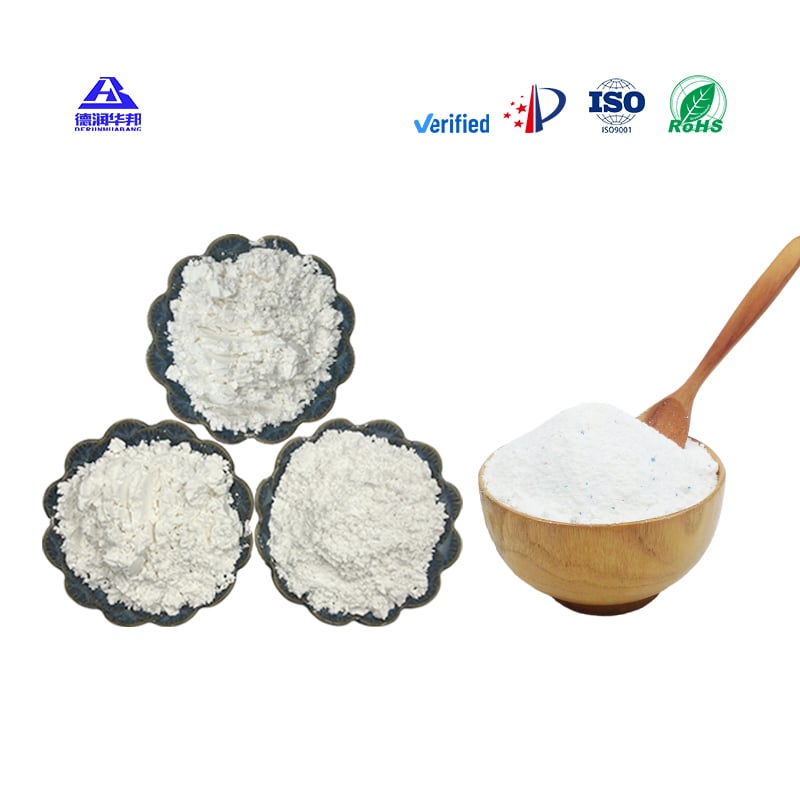
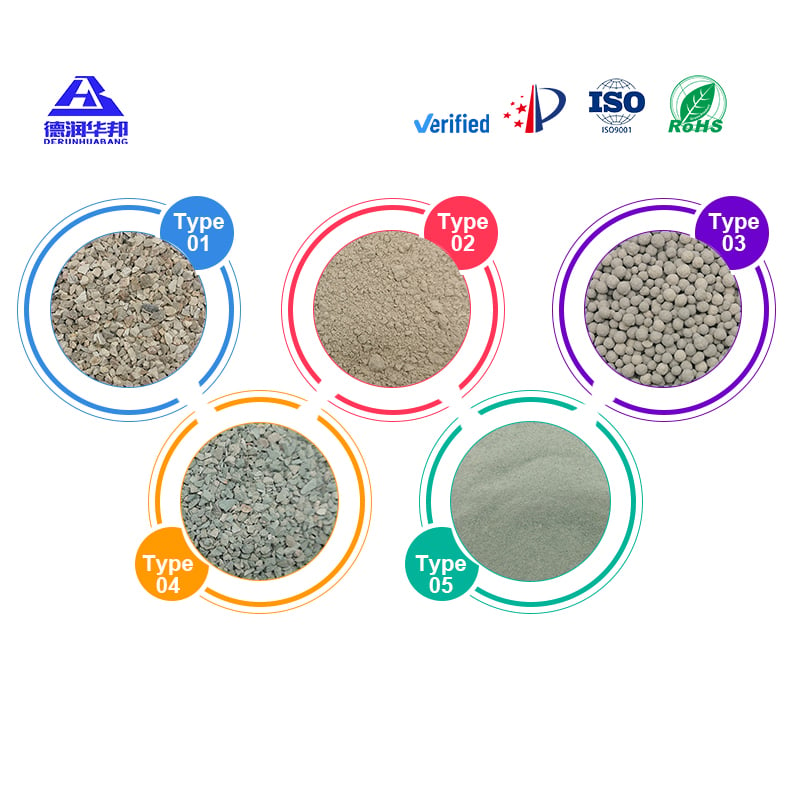
Fine powder offers a larger external surface area and is suitable for dry blends, soil products, construction formulations and selected carrier applications. Fineness can improve dispersion but may increase dust and complicate handling. Particle-size distribution and moisture should be included in the purchase specification.
Granules are commonly selected for filter beds, litter, odor control and applications where flow through a packed layer is important. Buyers should compare size distribution, fines content, attrition resistance, bulk density and pressure-drop behaviour. Weak granules can break down during transport or operation and create unwanted dust or channel blockage.
Some products are washed, thermally activated, ion-exchanged or otherwise modified to change adsorption or exchange behaviour. The term “activated” is not a universal specification. Buyers should ask what treatment was applied, which property was changed and what test data supports the claimed benefit.