 ×
×

In the global wave of industrial transformation towards greenization, high-value, and intelligence, a natural, high-performance non-metallic mineral is emerging as a key link connecting traditional industries with emerging fields. Bentonite, a clay mineral with montmorillonite as its core component, is evolving from a traditional industrial additive to a core functional material in environmental governance, new energy, high-end manufacturing, and other sectors, injecting strong momentum into the high-quality development of industries. Known as the "universal clay," this mineral is far from an ordinary clay; it is a product of the in-depth integration of natural mineral properties and modern material science, demonstrating irreplaceable value in cost reduction, efficiency improvement, green emission reduction, and functional innovation.
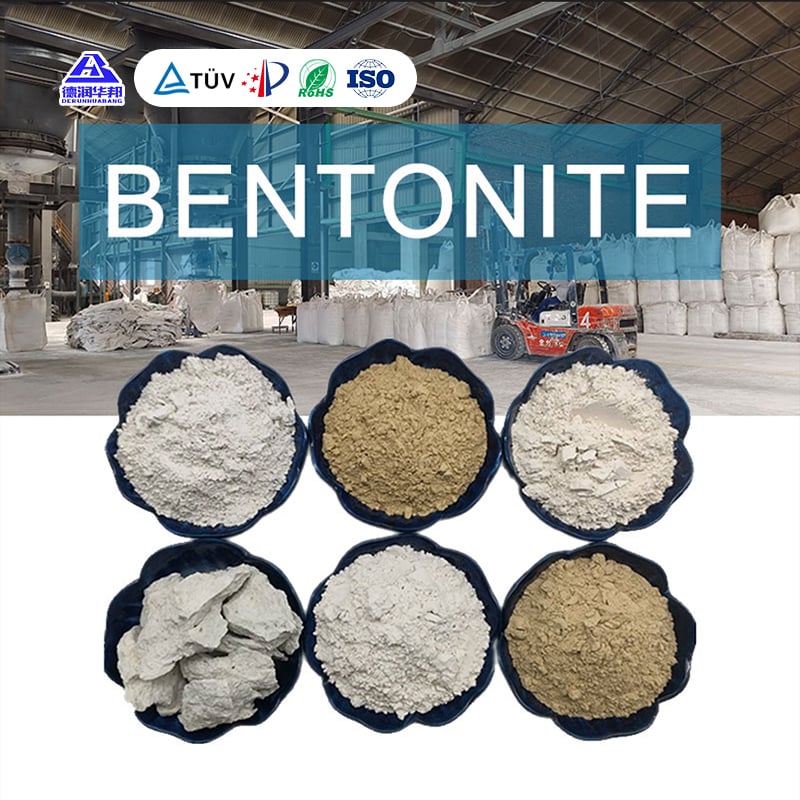
The core magic of bentonite lies in its inherent natural advantages and customizable modification capabilities. Composed primarily of high-purity montmorillonite, it is rich in exchangeable cations between layers. After physical purification and chemical modification (such as sodium activation, organic intercalation, and nanonization), it exhibits superior water absorption, high expansibility, strong adsorption, excellent cohesion, and ion exchange capacity — sodium-based bentonite can expand 10–30 times in volume after absorbing water, efficiently adsorbing heavy metals, organic pollutants, and microplastics, while also possessing excellent plasticity and suspension stability. Produced using natural minerals as raw materials, it undergoes integrated dry/wet processing, intelligent mineral processing, and green modification processes, with low energy consumption and low emissions throughout the entire process. The popularization rate of closed-circuit water circulation systems exceeds 80%, aligning with the "dual carbon" goals. From raw ore to functional materials, bentonite is recyclable and has a long service life, reducing costs for downstream enterprises and minimizing industrial waste emissions, making it a veritable green basic material.
In addition to its core performance advantages, bentonite provides practical solutions for various industries with its full-scenario application capabilities. In the traditional industrial sector, it serves as a core raw material for foundry sand binders, metallurgical pellet binders, and drilling mud, ensuring stable production and improving product qualification rates. In the environmental protection field, as a high-efficiency adsorbent and anti-seepage barrier, it is widely used in soil remediation, industrial wastewater treatment, landfill anti-seepage, and nuclear waste storage, with an annual demand growth rate of over 8%. In the new energy track, it is used in lithium battery separator coatings, electrode additives, and solid electrolyte research and development, becoming a key material for the energy storage industry. In people's livelihood and agriculture, it is a main raw material for high-clumping cat litter, feed additives, and soil conditioners, covering pet care, animal husbandry, planting, and other scenarios. In building materials and medicine, it can be used as waterproof sealing materials, pharmaceutical carriers, and cosmetic additives, with its application boundaries continuously expanding. Its weather resistance, corrosion resistance, and strong stability make it suitable for harsh working conditions such as indoor and outdoor environments, high and low temperatures, serving as a cross-field universal functional cornerstone.
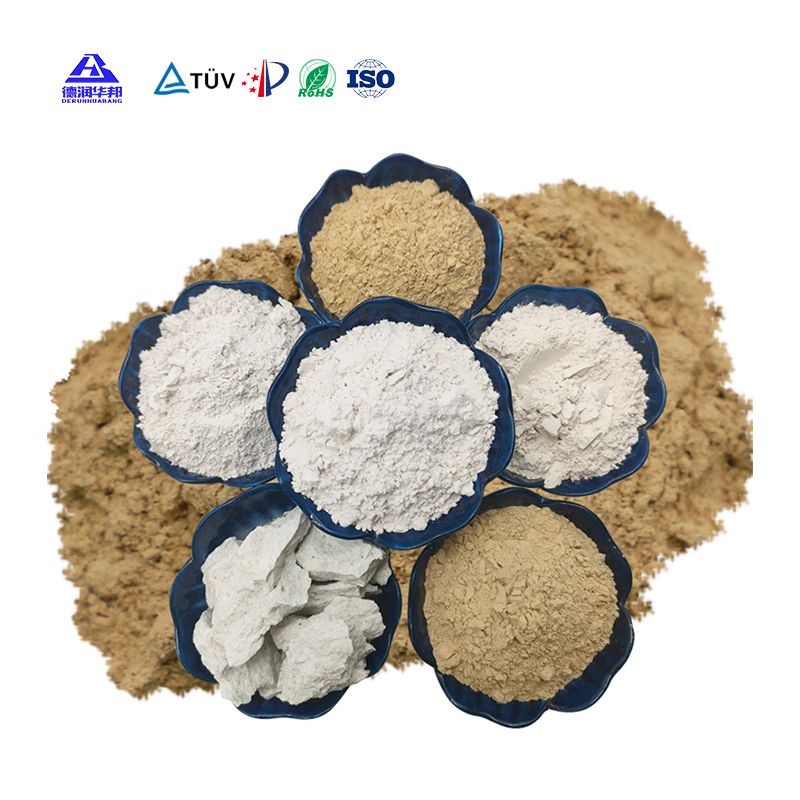
Currently, the bentonite industry is entering a golden period of technological innovation and market expansion. Breakthroughs in nanonization, organification, and functional modification technologies have transformed products from general-purpose to customized, enabling them to accurately meet high-end needs in environmental protection, new energy, precision manufacturing, and other fields, with the proportion of high-value-added products continuously increasing. Processing technology is upgrading towards intelligence; technologies such as AI ore blending, hyperspectral sorting, and continuous sodium activation reactions have achieved a sorting accuracy of 91.3%, controlled the batch-to-batch difference rate within 1.7%, reduced comprehensive energy consumption by 18.7%, and cut carbon emissions by 31.4%. As a global major country in bentonite resources (with proven reserves exceeding 3 billion tons, and key producing areas including Jianping in Liaoning and Xinjiang), China has built a complete industrial chain from raw ore mining, intensive processing to end-user applications, exporting products worldwide, and high-end functional materials are accelerating the replacement of imports.
Driven by the dual global trends of green development and industrial upgrading, the strategic value of bentonite has become increasingly prominent. It perfectly aligns with the development goals of carbon reduction, circular economy, and high-end manufacturing, providing material support for the transformation of traditional industries and the rise of emerging industries. The global market size reached over 6 billion US dollars in 2025, and the Chinese market exceeded 8.5 billion yuan; it is estimated that the market size of high-end functional materials will reach 86 billion yuan by 2030. From industrial "monosodium glutamate" to environmental "guardian" and new energy "core auxiliary material," bentonite is breaking application boundaries, proving that basic materials can not only support the efficient operation of industries but also lead green innovation. It is no longer a niche mineral, but a core basic material for building a green, intelligent, and high-value modern industrial system, driving the global industry towards a sustainable future.


