



Globalios pramonės transformacijos, žemo anglies kiekio perėjimo bei aukšto lygio gamybos ir naujų medžiagų sparčios plėtros fone netikminiai mineraliniai ištekliai tapo neišvengiamu šiuolaikinės ekonomikos augimo pagrindu. Kaip tipiškas hidratuotas aliuminio silikatas, susidaręs dėl ilgalaikio feldspato ir kitų uolienų mineralų orinimo bei pakeitimo, kaolino argilas taip pat plačiai žinomas kaip kinų molis, jis vertinamas dėl savo gryno baltumo ir aukštų visapusiškų savybių. Šimtmečiais jis iš tradicinės keramikos ir porceliano žaliavos pavirto daugiafunkcine strategine mineraline žaliava, kuri naudojama tiek tradicinėse pramonėse, tiek pažangiojoje gamyboje, naujosios energijos bei žaliųjų ekologinių sektoriuose. Vadinamas „universalia balta pramonine medžiaga“, kaolinas sujungia natūralią puikumą, subrendusią perdirbimo technologiją ir įvairialypę taikymo vertę. Jis pasiekia įspūdingų rezultatų produktų našumo optimizavime, sąnaudų kontroliavime, energijos taupyme ir emisijų mažinime bei pramonės kokybės gerinime beveik visose srityse, tvirtai užimdams pagrindinės žaliavos vietą, palaikančią pastovią pasaulinės pramonės grandinės raidą.
Kaolino išskilusios visapusiškos savybės kyla iš jo unikalių sluoksniuotų kristalų struktūros ir puikių priskirtų fizikinių bei cheminių charakteristikų. Gamtinis kaolinas turi smulkių dalelių dydį, minkštą tekstūrą, gryną baltumą, žemą abrazyvumą bei puikią plastikumą ir klijavimąsi. Pagrindinė jo cheminė sudėtis – kaolinitas, kuris pasižymi stabiliomis cheminėmis savybėmis, stipriu rūgščių ir šarmų atsparumu, geromis elektrinės izoliacijos savybėmis ir išskirtine terminės stabilumo savybe. Aukštos kokybės kaolinitas paprastai turi baltumą virš 92 %, o geležies ir titano priemaišos yra mažos, todėl išvengiama nusidažymo ir našumo prastėjimo žemesniųjų gamybos grandžių produktuose. Dėka šiuolaikinių giliosios perdirbimo technologijų – tokio kaip smulkinimas, plovimas, smėlio pašalinimas, magnetinis atskyrimas, ultra-smulkus malimas, kaitinimas (kalcinavimas) ir paviršiaus modifikavimas – žaliavinis kaolinito rūdos gali būti perdirbtas į klasifikuotus produktus skirtingoms taikymo sritims. Kalcinuotas kaolinitas įgauna pagerintą baltumą, poringumą ir terminę stabilumą; paviršiaus modifikuotas kaolinitas pasiekia geresnę suderinamumą su organinėmis medžiagomis, pvz., polimerais ir danga. Visas šiuolaikinio kaolinito perdirbimo gamybos procesas remiasi uždarosios vandens cirkuliacijos sistema, intelektualiu rūdos rūšiavimu ir energiją taupančiais kaitinimo įrenginiais, kad būtų pasiektas efektyvus išteklių naudojimas, mažas vandens suvartojimas ir sumažintos anglies emisijos. Nesant nuodingų medžiagų ir radioaktyvių elementų, kaolinitas visą savo naudojimo laikotarpį yra saugus ir ekologiškai nekenksmingas. Dauguma kaolinito produktų taip pat gali būti perdirbti ir pakartotinai naudojami tam tikrose taikymo srityse, visiškai atitinkant aplinkosaugos ratukinės ekonomikos principus ir pasaulines anglies mažinimo tikslus.
Pasinaudodamas savo išsklaidytais turto privalumais, kaolinas sukūrė išplėstą taikymo sritį, apimantą tradicines pagrindines pramonės šakas, kasdieninius vartojimo prekių gamybos sektorius, aukštos kokybės pramonę, naujosios energijos ir aplinkos apsaugos pramonę, parodydamas stiprią prisitaikomąją gebą ir rinkos gyvybingumą.
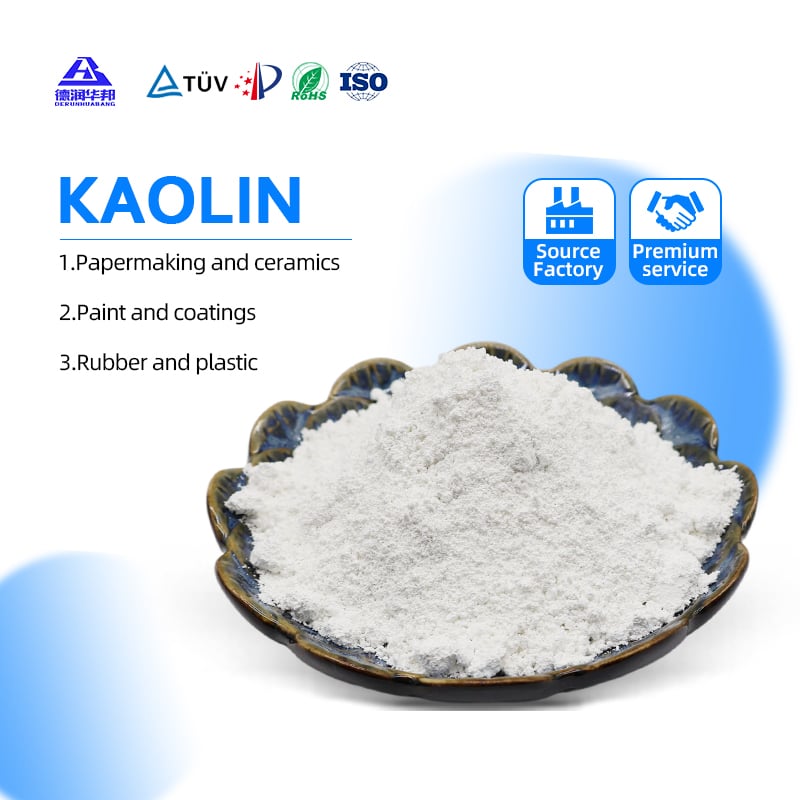
Tradicinėje pramonės srityje kaolinas yra neišvengiamas pagrindinis žaliavinis medžiagų komponentas ir funkcinis priedas. Keramikos pramonė yra klasikinė ir didžiausia kaolino taikymo sritis. kaolinas dėl savo puikių plastinių, formuojamųjų ir sinteravimo savybių kaolinas yra pagrindinė žaliava kasdieninėms keraminėms, statybinėms keraminėms, meno porceliano ir pramoninėms specialiosioms keraminėms gaminiams. Jis efektyviai sumažina kaitinimo temperatūrą, pagerina gaminio tankumą, paviršiaus lygumą ir glazūros blizgesį, taip pat sumažina gamybos kaštus ir energijos suvartojimą. Popieriaus gamybos pramonėje kaolinas naudojamas kaip aukštos kokybės pildymo medžiaga ir dengiamoji dažymo pigmentinė medžiaga. Jis padidina popieriaus baltumą, lygumą, nepermatomumą ir spausdinamumą, gerina paviršiaus atsparumą dilimui ir sumažina medienos celiuliozės masės naudojimą, padedant popieriaus pramonei pasiekti išteklių taupymą ir žaliąją gamybą. Dažų ir dažymo pramonėje kaolinas veikia kaip puikus funkcinis plečiamasis komponentas. Jis pagerina dažų uždengiamąją galia, orų atsparumą, šluostymo atsparumą ir pakabos stabilumą, sumažina brangaus titano dioksido kiekį ir mažina VOC (organinių tirpiklių) emisijas, todėl tampa pagrindine medžiaga aplinkai draugiškiems vandens pagrindu paremtiems dažams, statybiniams dažams ir pramoninėms apsauginėms dengiamosioms medžiagoms. Gumos ir plastiko gaminiuose kaolinas tarnauja kaip sustiprinamasis ir pildymo komponentas, kuris gali padidinti gaminių standumą, matmeninę stabilumą, karščiui atsparumą ir senėjimui atsparumą bei efektyviai kontroliuoti gamybos kaštus.
Kasdieninėje chemijoje, maisto ir farmacinėje pramonėje kaolinas yra plačiai pripažintas dėl savo saugumo, švelnumo ir smulkaus teksto. Kosmetikoje ir asmens priežiūros produktuose aukštos kokybės kaolinas naudojamas veido kaušėse, kūno priežiūros produktuose ir dantų pastose. Jis puikiai sugeria perteklinį riebalų ir nešvarumų kiekį odos paviršiuje, o jo švelnios savybės nejučiamai veikia žmogaus odą. Maisto pramonėje maisto klasės kaolinas gali būti naudojamas kaip priešsukibimo priemonė, filtravimo pagalbinė medžiaga ir aiškinimo priemonė, atitinkanti griežtus maisto saugos standartus. Farmacinėje srityje medicininio lygio kaolinas taikomas kaip pagalbinė medžiaga išorinėms tepalams ir virškinimą skatinančioms priemonėms, pasinaudojant jo stabiliomis fizinėmis savybėmis ir gerąja biologine suderinamumu. Be to, kaolinas taip pat dažnai naudojamas spaudos dažuose, šilumai atspariose medžiagose, suvirinimo medžiagose ir kitose pramonėse, užtikrinant įvairių tradicinių sektorių stabilią veikimą.
Kai klesti naujosios energijos, elektroninės informacinės technologijos ir aukštos kokybės gamybos pramonės šakos, didelės grynumo, ultrafino ir modifikuoto kaolino reikšmė kaip pagrindinė technologinės inovacijos pagalbinė medžiaga vis labiau auga. Naujosios energijos baterijų pramonėje ypač apdorotas kalcinuotas kaolinas naudojamas kaip baterijų separatorių dengiamoji medžiaga. Tai žymiai pagerina separatorių atsparumą aukštai temperatūrai, izoliacinį gebėjimą ir praduriamumą, optimizuoja bendrą litio jonų akumuliatorių saugumą bei ciklinį tarnavimo laiką ir svarbiai prisideda prie energijos kaupimo įrangos bei naujosios energijos transporto priemonių saugaus ir stabilaus veikimo. Elektronikos gamybos pramonėje aukštos izoliacinės savybės ultrafino kaolino taikymas elektroninėse keraminėse medžiagose, izoliacinėse medžiagose ir elektroninių komponentų pildikliuose atitinka elektronikos gaminių aukštus reikalavimus dėl izoliacijos, atsparumo aukštai temperatūrai ir tikslumo. Aukštos kokybės kompozitinių medžiagų srityje paviršiaus modifikuotas kaolinas maišomas į inžinerines plastmassas ir aukštos našumo kompozitines medžiagas, kad būtų padidinta jų mechaninė stiprybė, liepsnoje atsparumas ir anti-branduolinis (anti-senėjimo) gebėjimas, tenkinant tiksliai apdorojamų detalių, kosminės technikos komplektuojamųjų dalių ir aukštos kokybės įrangos gamybos poreikius.
Šiuo metu pasaulinė kaolino pramonė juda link gilesnio perdirbimo, aukštos kokybės individualizuotų gaminių gamybos, protingos gamybos ir žaliųjų gamybos procesų. Technologijų pažangos – valymo, ultrafino perdirbimo, tikslaus kaitinimo ir sudėtinės modifikacijos – skatinama kaolino produktai palaipsniui keičiasi nuo žemo vertės pirminių rūdos miltelių į aukšto vertės diferencijuotus funkcionalius medžiagų gaminius. Aukštos kokybės produktai, tokie kaip ultrafinkas kaolinas, kaitintas kaolinas ir paviršiaus modifikuotas kaolinas, nuolat didina savo rinkos dalį, kuriamas visuotinei pramonės pelningumui ir pagrindinei konkurencingumui reikšmingas poveikis. Pažangios protingos gamybos linijos leido automatizuoti komponentų dozavimą, tikrinti kokybę realiuoju laiku ir atlikti bežmoginį rūšiavimą, dėl ko efektyviai stabilizuojama produkto kokybė, sutrumpinami gamybos ciklai ir dar labiau sumažinamos bendros energijos sąnaudos bei teršalų išmetimas. Pasauliniu mastu kaolino ištekliai yra išsisklaidę keliose žemynuose, o Azijos ir Ramiojo vandenyno regionas tapo dinamiškiausia vartojimo rinka, kurią varo keramikos, popieriaus gamybos, naujosios energijos ir elektronikos pramonės sparčius vystymasis.
Kinija pasižymi dideliais kaolino ištekliais, visomis rūšimis mineralų ir aukštos kokybės žaliava, todėl ji įeina į pasaulio pagrindinių kaolino išteklių savininkų ir gamintojų penketuką. Po dešimtmečių pramonės plėtros Kinijoje susiformavo visiškai užbaigtas pramonės grandinės ciklas, apimantis gavybą, pirminį perdirbimą, gilų perdirbimą, funkcionalų modifikavimą, tyrimus ir plėtojimą bei galutinį taikymą. Metinė bendroji perdirbimo galia išlieka viena iš pasaulio lyderių. Kinijos kaolino produktai apima nuo paprastų pramonės klasės medžiagų iki aukštos grynumo elektronikos, maisto ir medicinos klasės produktų, o jų specifikacijos yra visiškai išplėtotos ir kokybė – stabilioji. Visiškai patenkinant milžinišką vidinę rinkos paklausą, vietiniai kaolino produktai eksportuojami į dešimtis šalių ir regionų visame pasaulyje. Tuo pat metu vietos įmonės ir mokslinių tyrimų įstaigos nuolat stiprina tyrimų ir plėtojimo pastangas, susijusias su aukštos kokybės funkcionaliais kaolino produktais, nuolat įveikdamos raktines technines kliūtis naujosios energijos, elektronikos medžiagų ir aukštos kokybės dailidžių dažų srityse. Aukštos kokybės produktų importo pakeitimo tempai greitėja, dar labiau stiprinant pramonės grandinės nepriklausomą valdymą ir padidinant tarptautinės rinkos įtaką.
Žvelgiant į ateitį, pasaulinės žaliosios, mažo anglies kiekio plėtros siekis, tradicinės gamybos modernizavimas bei naujų pramonės šakų sparčius plėtimasis skatins kaolino rinkos paklausą ir užtikrins pastovią jos augimą. Pramonės statistika rodo, kad 2025 m. pasaulinės kaolino rinkos apimtis viršijo 8,9 mlrd. JAV dolerių, o Kinijos vidaus rinkos apimtis viršijo 76 mlrd. kiniečių juanų. Naujosios energijos ir aukštos kokybės medžiagų sektorių skatinama aukštos kokybės funkcinio kaolino produktų rinka per artimiausius penkerius metus, kaip tikimasi, išlaikys daugiau nei 11 % metinį sudėtinį augimo tempą, todėl šioje srityje yra didžiulių plėtros galimybių.
Nuo senovinių porceliano gamybos žaliavų iki šiuolaikinių daugiafunkcionių naujų medžiagų – kaolino, šio švariai balto gamtinio mineralo – jis visą laiką lydėjo žmonijos civilizacijos pažangą. Jis ne tik padeda išsaugoti ir modernizuoti tradicines pramonės šakas, bet taip pat skatina naujų strateginių pramonės šakų technologinį novatoriškumą ir aukštos kokybės vystymąsi. Ateityje nuolat tobulėjant apdorojimo technologijoms ir plečiantis taikymo sritims kaolinis toliau atvers naują vertę ir taps neišvengiamą pagrindine medžiaga, kurios reikia statant žaliau, efektyviau ir aukštesnio lygio šiuolaikinę pramonės sistemą visame pasaulyje.

