Product info
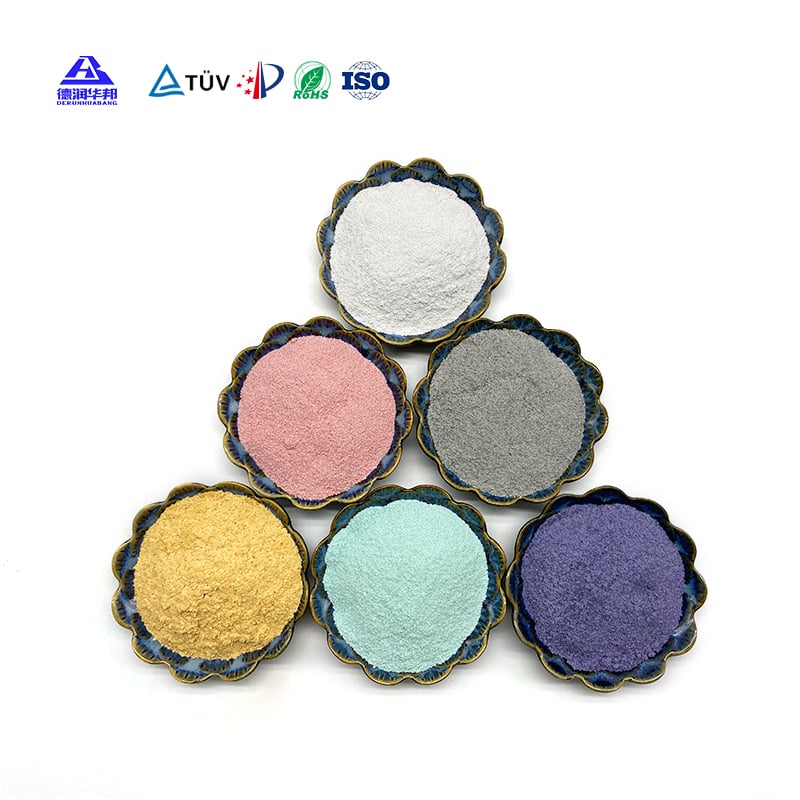
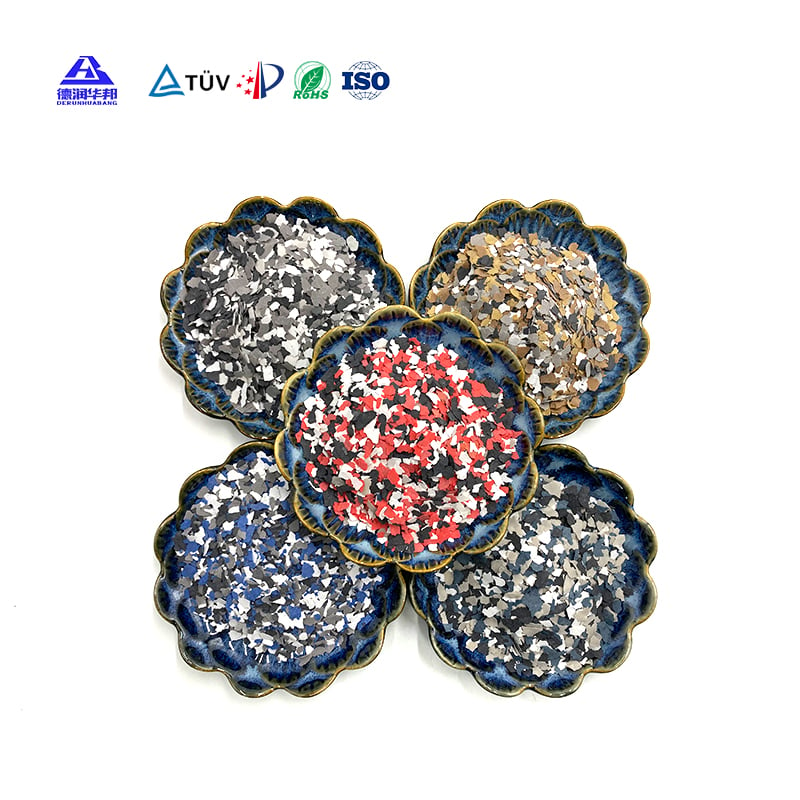
Micronized mica flakes, a transformative additive in the realm of ceramic glazing, have revolutionized the manufacturing processes for tableware, tiles, and decorative ceramics. Their unique physical properties, when integrated into ceramic glazes, significantly enhance the products' aesthetic appeal, durability, and functionality.
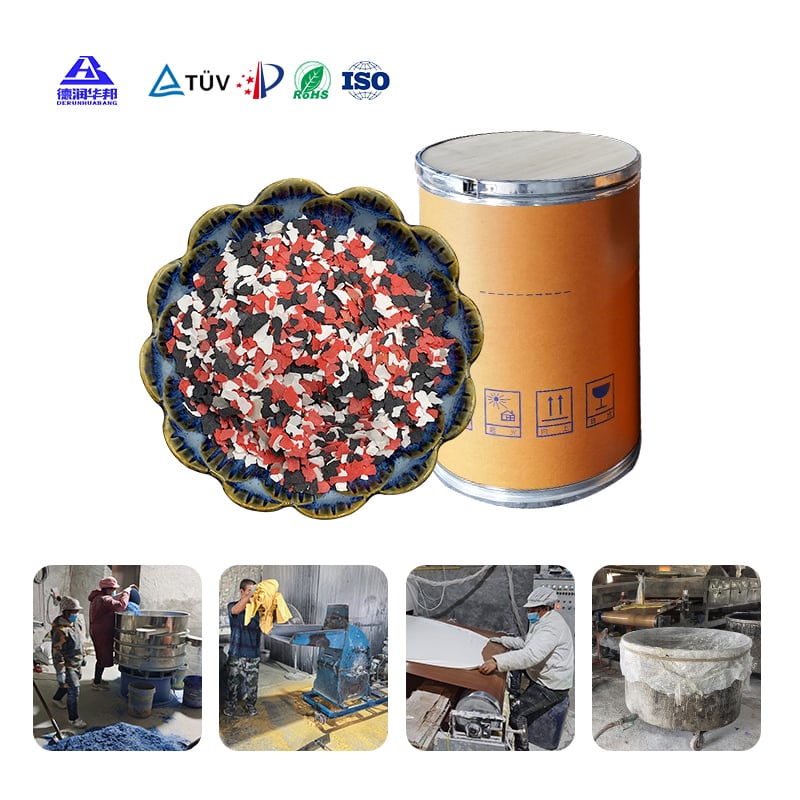
China, particularly the provinces of Anhui and Zhejiang, stands as a global powerhouse in the production of micronized mica flakes. These regions boast geological formations rich in mica deposits, which are ideally suited for the micronization process. Through advanced grinding techniques, the mica is processed into ultra-fine particles, ensuring seamless integration into ceramic glazes and uniform distribution across surfaces. This meticulous production process guarantees consistent quality, making Chinese-sourced mica flakes highly sought after in the international ceramic market.
Application in Tableware Glazes
In the production of tableware, micronized mica flakes play a pivotal role in elevating both the form and function of the final product. When incorporated into glazes, they impart a smooth, glossy finish that not only enhances the visual appeal but also provides practical benefits. The resultant surface is highly resistant to scratches caused by utensils, maintaining the pristine appearance of the tableware over time. Additionally, the unique structure of the mica flakes creates a non-stick surface, facilitating easy cleaning and preventing food residues from adhering. This feature is particularly valuable in modern households and commercial establishments, where efficiency and hygiene are paramount.
Advantages in Tile Glazes
For tiles used in various applications, such as kitchens, bathrooms, and flooring, mica-enhanced glazes offer significant performance improvements. One of the key advantages is enhanced water resistance. The mica flakes form a protective barrier on the tile surface, reducing water absorption and preventing staining. This is especially crucial in areas prone to moisture, such as bathrooms, where it helps inhibit mold growth and maintain a clean environment. Furthermore, the scratch-resistant properties of mica-infused glazes ensure that tiles retain their original luster even under heavy foot traffic, making them a durable and cost-effective choice for both residential and commercial projects.
Aesthetic Enhancement in Decorative Ceramics
In the realm of decorative ceramics, including vases, sculptures, and wall art, micronized mica flakes serve as a catalyst for creativity. Their ability to reflect light creates a dynamic visual effect, adding depth and dimension to the ceramic pieces. As light interacts with the surface, subtle color variations and a pearlescent sheen emerge, transforming ordinary ceramics into works of art. This optical property not only enhances the decorative value but also provides a unique selling point in the market. Unlike some traditional glaze additives that may fade or lose their luster over time, mica flakes maintain their integrity, ensuring that decorative pieces remain vibrant and attractive for years to come.
Chinese Production Excellence
Chinese producers of micronized mica flakes have established a reputation for excellence through their commitment to innovation and quality control. They collaborate closely with ceramic manufacturers, offering customized solutions to meet specific production requirements. This includes adjusting the particle size of the mica flakes to suit different glaze types, ranging from matte to high-gloss finishes, and optimizing the formulation for various firing temperatures. Rigorous quality control measures are in place to ensure that the mica flakes are free from impurities, which could potentially cause defects such as bubbles or discoloration in the glaze.
Geographical and Logistical Advantages
The geographical location of China's mica production regions offers significant logistical advantages. Proximity to major ceramic production hubs, such as Jingdezhen—the renowned "Porcelain Capital of China"—enables efficient supply chain management. This close proximity allows for quick delivery of mica flakes, reducing lead times and supporting ceramic manufacturers in meeting production deadlines. Additionally, China's well-developed port infrastructure, particularly in Shanghai and Xiamen, provides seamless access to global markets. This logistical efficiency ensures that Chinese-sourced mica flakes are readily available to ceramic brands worldwide, enabling them to produce high-quality, competitive products.
In conclusion, micronized mica flakes have emerged as an indispensable component in the ceramic industry, offering a wide range of benefits across various applications. China's dominance in the production of these flakes, coupled with its advanced manufacturing capabilities and strategic geographical location, positions it as a key player in the global ceramic supply chain. As demand for high-quality, aesthetically pleasing, and durable ceramic products continues to grow, the role of Chinese-sourced micronized mica flakes is set to become even more significant in the years to come.
 ×