Iron oxide pigments represent inorganic colorants crafted from iron-derived precursors, spanning hues from vivid oranges and earthy terracottas to deep umbers and solid blacks. Unlike other inorganic colorants that offer limited shade ranges, these pigments deliver diverse, pure tones that suit varied aesthetic needs. They carry inherent resilience that makes them ideal for high-wear, high-exposure applications—settings where fragile colorants fail to maintain integrity, such as busy urban roads, outdoor art installations, or industrial workspaces. Core properties such as color retention, resistance to physical abrasion, and ability to bond with diverse matrices define their value, ensuring hues stay true against heavy use, harsh weather (including blizzards, heatwaves, and salt spray), and chemical exposure (like industrial cleaners or oil residues). Unlike transient colorants that chip, fade, or dissolve over time, these pigments lock in color at molecular level, becoming backbone for products requiring unwavering reliability in demanding environments.
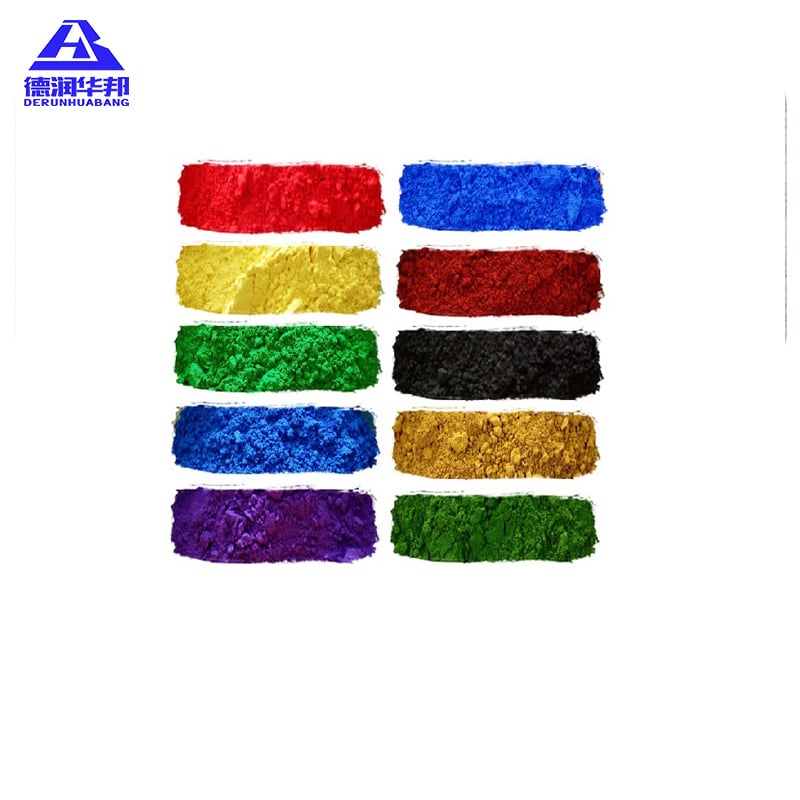
Crafting iron oxide pigments involves precision-driven synthetic processes, with focus on controlling particle properties to match end-use needs—road marking pigments require larger, more rugged particles, while fine art ink pigments need ultra-fine, uniform grains. Key steps include selecting iron precursors (such as iron salts or oxides), regulating reaction conditions (including temperature and pH balance) to form uniform pigment particles, and refining surface characteristics to boost compatibility with target formulations. Producers adjust particle morphology—shaping size and structure—to enhance tinting intensity and dispersion; well-formed particles blend seamlessly into resins, inks, or dyes without clumping, ensuring consistent color across batches and eliminating streaky finishes. Surface treatment adds thin coatings (often silane or fatty acid derivatives) to improve adhesion, allowing pigments to bond tightly with substrates ranging from porous asphalt to smooth paper and leather. Rigorous testing includes accelerated weathering trials, abrasion resistance tests, and color matching analysis, ensuring each batch meets strict industry expectations for performance and consistency.
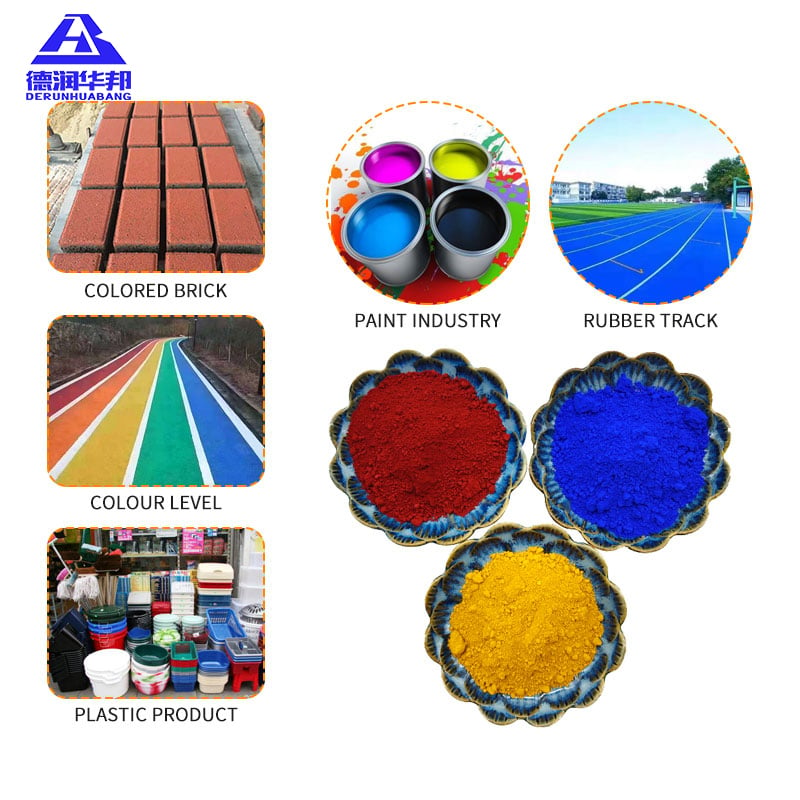
Road marking sector depends on iron oxide pigments for creating visible, durable traffic lines and symbols that are critical to road safety. Pigments blend with reflective agents (such as glass beads) and binding resins (like acrylic or epoxy) to form coatings that stand out sharply on asphalt or concrete, even in low light or heavy rain. Hues like bright reds (for stop lines) and yellows (for center lines) retain vividness despite constant vehicle traffic, rain, snow, and prolonged UV exposure—unlike weaker colorants that fade to pale shades within months. These pigments resist wear from tire friction, road sweeping, and harsh de-icing chemicals, extending lifespan of road markings from months to years and reducing maintenance frequency and costs. Ability to mix with reflective glass beads enhances nighttime visibility by bouncing light back to drivers’ headlights, ensuring lanes, crosswalks, and hazard zones (like school zones or construction areas) remain clear even after dark.
Fine art ink industry incorporates iron oxide pigments for formulating professional inks used in printmaking, calligraphy, and fine art digital printing—applications where color accuracy and longevity are non-negotiable. Artists and printers value these pigments for pure, consistent hues that reproduce accurately across different papers (from thick watercolor paper to thin rice paper) without shifting tone. Pigments offer excellent lightfastness, meeting strict standards for archival materials and ensuring printed artworks, limited-edition prints, and historical documents retain original colors for decades (even centuries) without fading or yellowing. They disperse evenly in ink vehicles (whether water, oil, or alcohol-based), creating smooth-flowing inks that apply cleanly—whether used in screen printing for large-format posters, lithography for detailed illustrations, or digital fine art printers for photo-realistic works. Compatibility with water-based and oil-based ink systems adds versatility, allowing creators to achieve diverse textures (from matte washes to glossy overlays) and effects (like gradient blends or sharp lines).
Industrial primer sector uses iron oxide pigments as foundational colorants that enhance both aesthetics and functionality of primers—base coats that prepare surfaces for topcoats. Pigments add color to primers while improving hiding capability, covering substrate imperfections (like scratches, stains, or uneven color) and creating uniform base that ensures topcoats adhere evenly and look consistent. They bond tightly with metal (steel, aluminum), wood, and concrete substrates, boosting primer adhesion and creating stable foundation for subsequent coating layers—preventing peeling or flaking. Resistance to corrosion and moisture helps protect substrates during storage (such as metal parts in warehouses) and early stages of use (like construction components exposed to rain), extending overall lifespan of coated products. Pigments blend with anti-corrosive additives (such as zinc phosphate) to strengthen protective properties, making primers suitable for industrial machinery (factory equipment), structural components (bridge beams), and architectural surfaces (building exteriors).
Leather dyeing industry relies on iron oxide pigments for coloring leather goods such as high-end bags, dress shoes, belts, and furniture upholstery—products where color depth and durability are key to quality. Pigments penetrate leather fibers evenly (even in textured or grained leathers), creating rich, consistent colors that resist rubbing (from daily use) and fading (from sunlight or moisture). They adhere well to both natural (cowhide, sheepskin) and synthetic leather, maintaining color integrity even with frequent contact with skin oils, water splashes, or leather conditioners. Dye formulators appreciate how these pigments mix with leather finishes (such as waxes or clear coats), allowing for matte, satin, or glossy effects without compromising color depth or creating uneven patches. Ability to withstand leather processing steps—such as tanning (with vegetable or chrome tans) and finishing (stretching, buffing)—ensures color stability throughout production, avoiding discoloration or fading during manufacturing.
Key attributes driving iron oxide pigments’ appeal include strong tinting intensity, exceptional abrasion resistance, and reliable dispersion—traits that address core pain points across industries. Tinting intensity means small pigment amounts create bold, full colors, reducing material usage and production costs (critical for large-scale applications like road markings or industrial primers). Abrasion resistance makes them suitable for high-wear applications like road markings (constant tire friction) and leather goods (daily handling), where constant friction would degrade lesser colorants to dull shades or expose bare substrates. Reliable dispersion ensures uniform color distribution, avoiding streaks (in inks), spots (in primers), or uneven lines (in road markings) in final products—saving time and resources on rework. Chemical inertness prevents reactions with other formulation components (like resins, additives, or solvents), maintaining stability in diverse environments—from acidic industrial settings (chemical plants) to alkaline concrete substrates (roadways).
 ×
×


