 ×
×
In an era defined by the urgent pursuit of cleaner technologies, circular resource cycles, and eco-conscious industrial design, 4A zeolite powder has emerged as a foundational yet underappreciated force driving sustainable transformation across global markets. As a synthetic microporous aluminosilicate with a precisely engineered 4Å (0.4 nm) pore structure, this white, odorless crystalline material is no longer confined to niche chemical applications. It now plays a pivotal role in redefining environmental performance in detergents, water treatment, gas separation, and advanced materials—offering scalable, non-toxic, and energy-efficient solutions.
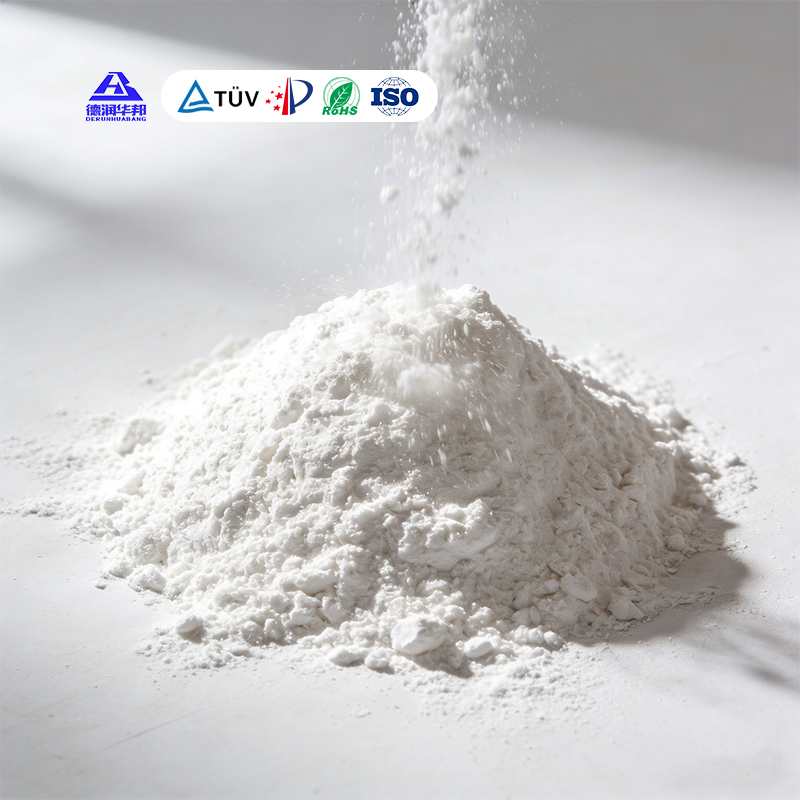
What sets 4A zeolite powder apart is its dual functionality as an ion exchanger and molecular sieve, enabling it to selectively capture cations like calcium and magnesium from water while adsorbing small polar molecules such as ammonia and moisture. Unlike traditional phosphate-based additives, it is biodegradable, non-polluting, and fully compatible with modern green chemistry principles. With global demand for eco-friendly detergent builders rising steadily, 4A zeolite has become the go-to alternative to banned phosphates, particularly in Europe and China, where environmental regulations are tightening.
Beyond household applications, 4A zeolite powder is advancing sustainability through innovative waste-to-resource technologies. Researchers have successfully synthesized high-purity 4A zeolite from coal fly ash—a major industrial byproduct—achieving a specific surface area of up to 605.6 m²/g and ion exchange capacity close to commercial-grade products . This not only reduces reliance on virgin raw materials but also mitigates landfill burden and environmental contamination. Furthermore, ultrafast Joule heating methods can now activate low-grade kaolin in under 20 seconds, drastically cutting energy consumption compared to conventional calcination processes.
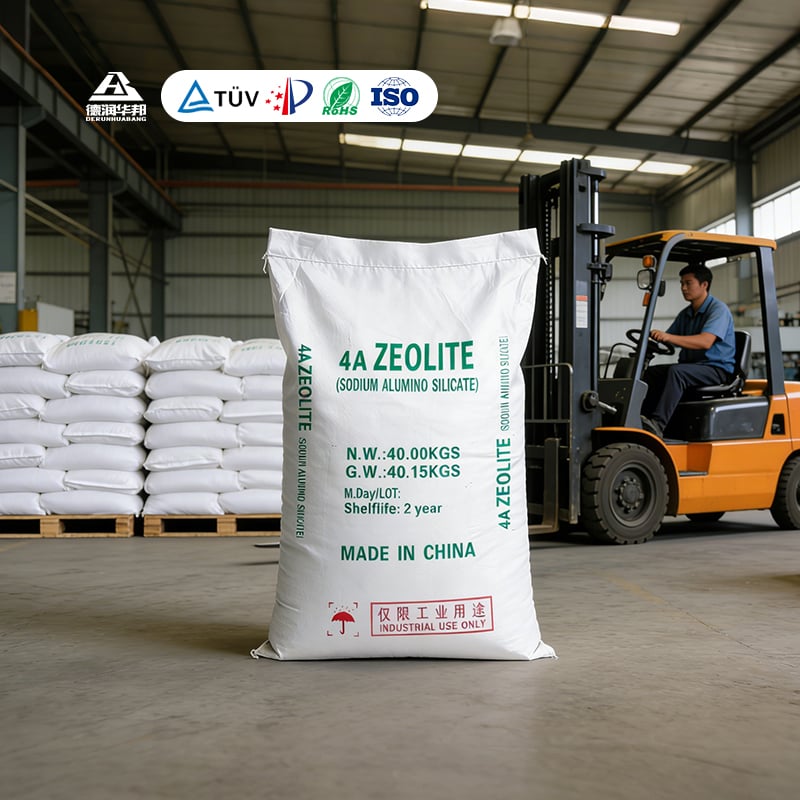
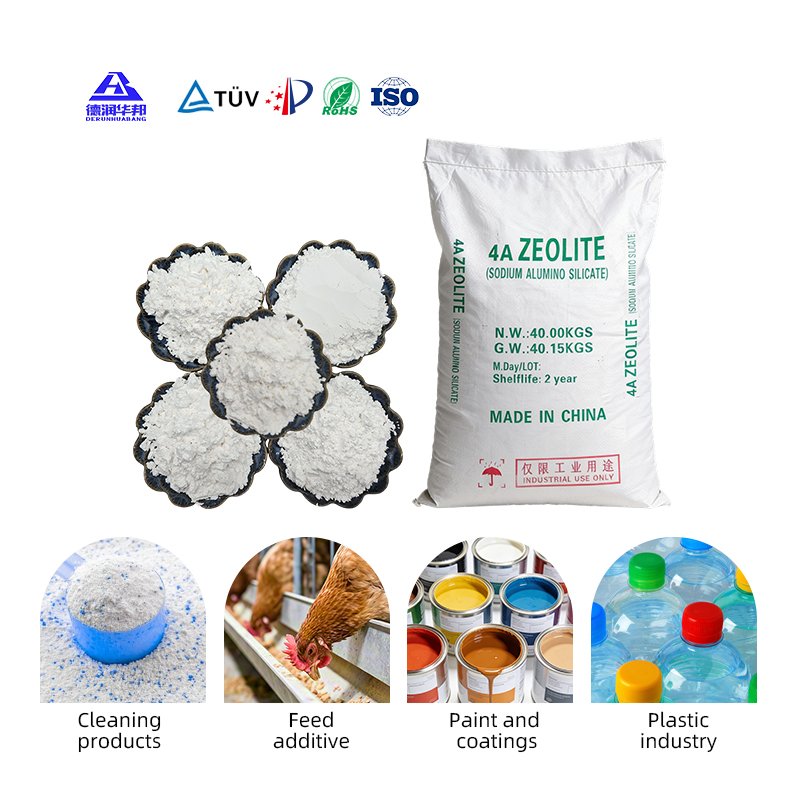
As sustainability becomes a non-negotiable criterion in material selection, 4A zeolite powder stands at the intersection of environmental responsibility and industrial performance—proving that even the smallest pores can make the biggest impact.


