 ×
×
Bentonite is an indispensable clay material in oilfield drilling fluids, acting as a core additive to stabilize wellbores, suspend drill cuttings and control fluid loss. Among various types, sodium-based bentonite, calcium-based bentonite and organic bentonite are the most widely used, each with unique performance and application scenarios in drilling operations.
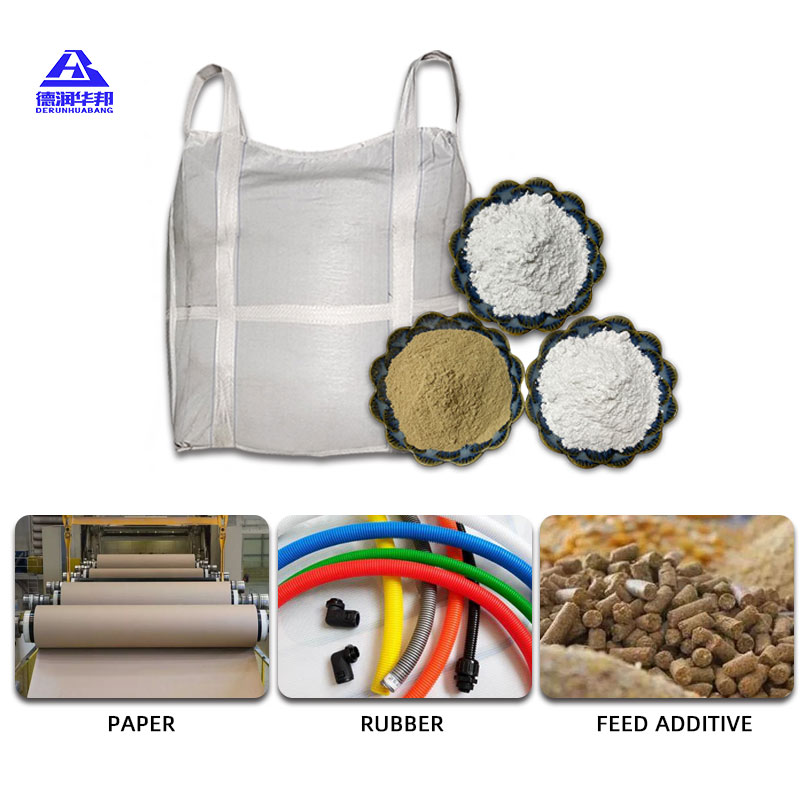
Sodium-based bentonite is the most commonly used inorganic bentonite in water-based drilling fluids. It features excellent hydration and swelling properties, forming a dense, high-viscosity gel structure when mixed with water. This type delivers outstanding fluid loss control, strong thixotropy and high shear strength, effectively protecting wellbore stability, preventing formation collapse and carrying drill cuttings smoothly. It complies with API industry standards and is ideal for conventional shallow to medium-depth well drilling in freshwater-based mud systems.
In contrast, calcium-based bentonite has limited hydration capacity, with lower swelling rate, viscosity and gel strength compared to sodium-based bentonite. Its fluid loss control effect is relatively poor, and it performs unstably in salt-containing formations. It is mostly used for low-demand shallow well drilling or as a cost-effective auxiliary material after sodium modification, suitable for simple geological conditions with low drilling fluid performance requirements.
Organic bentonite is a modified product obtained by treating natural bentonite with organic quaternary ammonium salts, turning it from hydrophilic to lipophilic. It is specially designed for oil-based and synthetic-based drilling fluids, excelling in high-temperature stability, cuttings suspension and rheology adjustment. It performs reliably in complex formations such as deep wells, high-temperature wells, salt-rock and water-sensitive formations, effectively avoiding clay hydration and swelling, protecting reservoir permeability and ensuring smooth drilling in harsh environments.
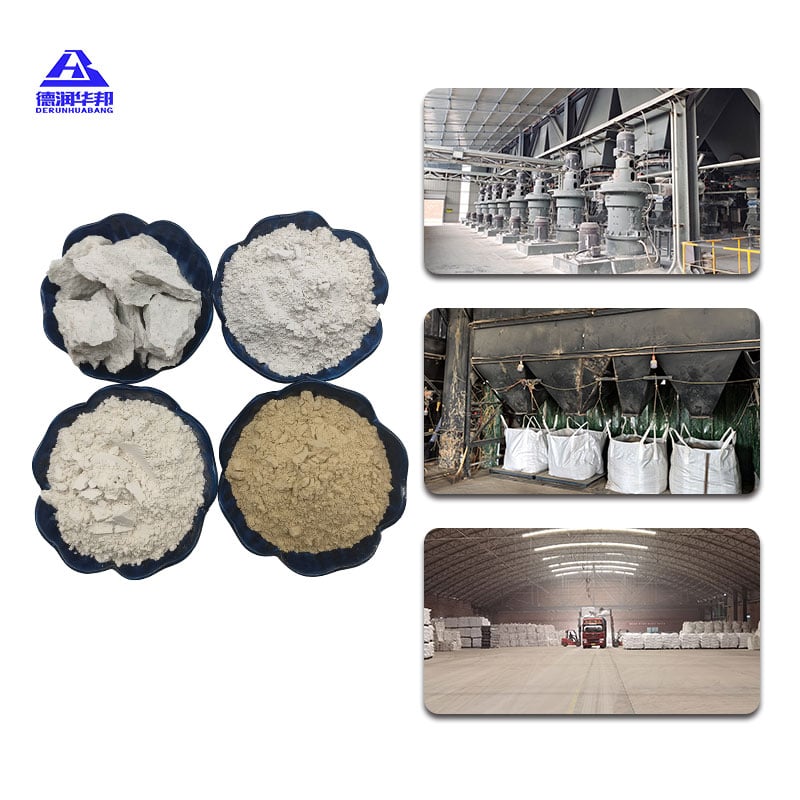
| Type | Application System | Key Strength | Best For |
|---|---|---|---|
| Sodium-Based | Water-based fluids | High swelling, fluid loss control | Shallow to medium-depth wells |
| Calcium-Based | Low-demand water-based | Cost-effective, simple conditions | Shallow wells, simple geology |
| Organic | Oil-based / synthetic-based | High-temp stability, rheology | Deep wells, complex formations |
The core difference lies in their application systems and adaptability: Sodium-based bentonite dominates conventional water-based drilling fluids with balanced performance; Calcium-based bentonite is a low-cost option for simple working conditions; Organic bentonite is irreplaceable for high-performance oil-based drilling fluids in complex deep wells. Choosing the right bentonite type is critical to optimizing drilling fluid performance, reducing operational risks and improving drilling efficiency.


