



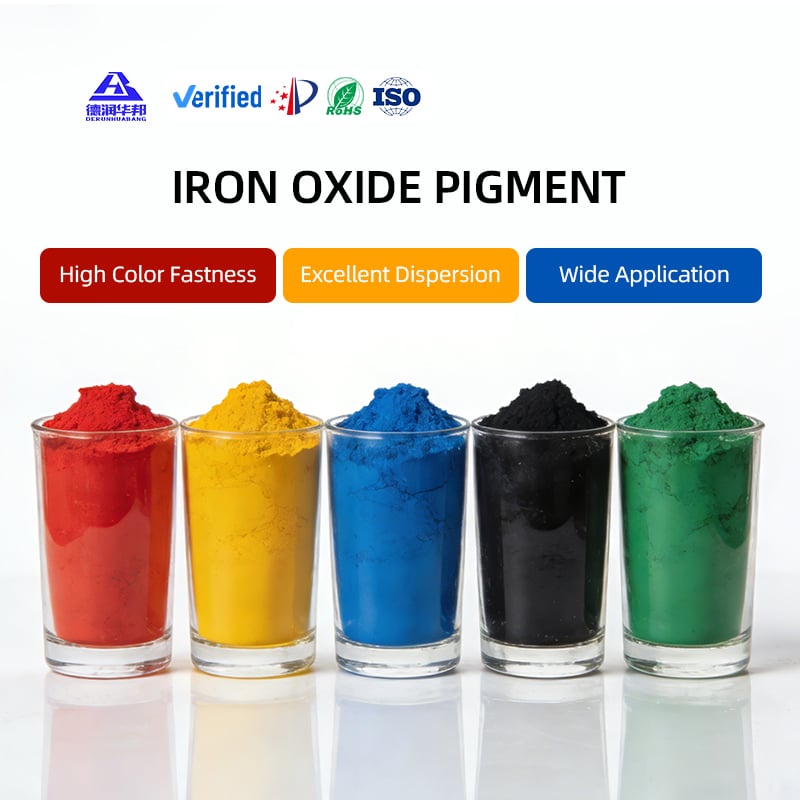
По состоянию на середину 2026 года мировой рынок пигментов оксидов железа переживает устойчивый период динамичного роста, обусловленный ускоряющимся глобальным бумом в сфере инфраструктуры, ужесточением экологических норм в отношении синтетических органических красителей и растущими предпочтениями потребителей к нетоксичным, долговечным и устойчивым к ультрафиолетовому излучению неорганическим пигментам. Согласно последним отраслевым данным, в первом квартале 2026 года выручка мирового рынка увеличилась на 5,1 % по сравнению с аналогичным периодом предыдущего года; согласно консолидированным прогнозам, общий объём рынка, оценённый примерно в 2,8 млрд долларов США в 2026 году, превысит 4,2 млрд долларов США к 2034 году за счёт активной урбанизации в странах с формирующейся экономикой и повсеместного внедрения цветного архитектурного бетона и технологий «прохладных крыш».
Сектор строительных и отделочных материалов по-прежнему является основой рынка, на его долю приходится около 46 % совокупного мирового спроса. В этой категории синтетические пигменты красного оксида железа (α-Fe₂O₃), желтого оксида железа (α-FeOOH) и черного оксида железа (Fe₃O₄) высоко ценятся за исключительную стойкость к атмосферным воздействиям, высокую колерующую способность, устойчивость к щелочам и ультрафиолетовому излучению, а также полную совместимость с цементными матрицами. Эти пигменты незаменимы для окрашивания бетонных тротуарных плит, кровельной черепицы, архитектурного литого камня, кладочных блоков, строительных растворов и асфальта, обеспечивая цветостойкость на десятилетия без выцветания. Масштабное развитие инициатив в области «умных городов» и программ доступного жилья в Китае, Индии, странах Юго-Восточной Азии и на Ближнем Востоке, а также растущий архитектурный тренд на использование цветных и текстурных бетонных фасадов в Северной Америке и Европе привели к устойчивому росту применения высококачественных пигментов оксида железа в строительстве.
В отрасли лакокрасочных материалов — которая составляет примерно 37 % рынка пигментов на основе оксидов железа — эти пигменты служат основой для промышленных, автомобильных, морских и декоративных красочных составов. Их химическая инертность, непрозрачность, высокая способность к перекрытию и устойчивость к теплу, кислотам и щелочам делают их предпочтительным выбором по сравнению с органическими пигментами в приложениях, требующих длительной внешней долговечности. Расширение глобального рынка водных и низколетучих архитектурных покрытий — подкрепленное ужесточением нормативных ограничений на выбросы ЛОС в соответствии с такими регуляторными актами, как Директива ЕС 2004/42/CE и китайский стандарт GB 18582-2020 — дополнительно ускоряет замену растворимых в органических растворителях органических пигментов вододиспергируемыми марками оксидов железа. Современные микронизированные и поверхностно-модифицированные пигменты на основе оксидов железа обеспечивают время диспергирования менее 15 минут в водных системах — это ключевое преимущество для высокопроизводительных промышленных линий нанесения покрытий.
В секторе пластмасс и резины пигменты на основе оксида железа играют ключевую роль при окрашивании профилей из ПВХ, полимерных концентратов на основе полиолефинов, внутренних автомобильных компонентов, синтетических спортивных покрытий и резиновых напольных покрытий. Термостойкость материала до 300 °C для отдельных марок, а также его неподвижность и отсутствие деформации в матрице из полиолефинов обеспечили ему статус основного колоранта для долговечных пластиковых изделий. Быстро растущий сегмент древесно-полимерных композитов (WPC) для настилов и фасадных панелей — который, по прогнозам, к 2030 г. превысит 12 млрд долларов США на мировом уровне — представляет собой особенно перспективную нишу, где пигменты на основе оксида железа обеспечивают сохранение естественного, деревоподобного цвета, требуемого потребителями для зон отдыха на открытом воздухе.
В высокодоходных специализированных областях применение ультрачистых и наноструктурированных пигментов оксида железа расширяется заметными темпами. В секторе косметики и средств личной гигиены — нишевом рынке, оцениваемом примерно в 312 млн долларов США в 2025 году и прогнозируемом к росту до 519 млн долларов США к 2034 году — косметические оксиды железа являются доминирующими неорганическими колорантами в основах, помадах, тенях для век, румянам и солнцезащитных средствах благодаря их дерматологической инертности, гипоаллергенности и одобрению регуляторными органами в соответствии с требованиями FDA 21 CFR и Регламента ЕС по косметике № 1223/2009. В пищевой и фармацевтической промышленности высокочистые оксиды железа используются в качестве пигментов для покрытия таблеток и одобренных для контакта с пищевыми продуктами колорантов, соответствующих строгим стандартам содержания тяжёлых металлов ниже 10 ppm. В секторе передовых керамических материалов и электроники точно сконструированные порошки оксида железа применяются в качестве предшественников ферритов для мягких магнитных компонентов, пигментов для тонеров и полировальных агентов для полупроводниковых подложек.
Переход к устойчивым и энергоэффективным покрытиям стимулировал появление нового поколения функциональных пигментов на основе оксидов железа. Пигменты на основе оксидов железа с отражением в ближней инфракрасной (ИК) области — так называемые «холодные» пигменты, особенно темно-коричневые и черные марки — разработаны таким образом, чтобы отражать значительную часть солнечного инфракрасного излучения, сохраняя при этом полную насыщенность цвета в видимом диапазоне. Эти продукты, применяемые в кровельной черепице, металлических кровельных листах и внешних фасадных покрытиях, позволяют снизить температуру поверхности на 8–15 °C, что соответствует экономии энергии на охлаждение зданий на 15–30 % в жарком климате. Сегмент пигментов для «холодных» крыш растет со среднегодовым темпом роста (CAGR), составляющим около 8,5 %, благодаря обязательным строительным нормам в отношении «холодных» крыш в Калифорнии, Австралии, странах Совета сотрудничества арабских государств Залива (ССАГЗ) и передовых тропических городских центрах.
Технологические инновации переопределяют иерархию продукции в отрасли. Новое поколение прозрачных пигментов оксида железа с размером первичных частиц менее 100 нанометров вышло на высокодоходные рынки, обеспечивая исключительно высокую прозрачность, яркую насыщенность цвета и эффективное поглощение ультрафиолетового излучения, что делает их предпочтительным выбором для металлизированных базовых покрытий автомобилей, отделочных составов для древесины и высококачественных печатных красок. В то же время гранулированные и уплотнённые «беспылевые» марки оксида железа быстро завоёвывают популярность на автоматизированных бетонных узлах, где они повышают безопасность труда, исключают перекрёстное загрязнение и позволяют точно дозировать цвет с помощью пневматических транспортных систем. В сфере керамической струйной печати дисперсии оксида железа с размером частиц менее одного микрометра обеспечивают цифровое декорирование керамогранитной плитки с качеством фотографического изображения, заменяя традиционные технологии трафаретной печати.
Устойчивость является фундаментальным внутренним драйвером долгосрочной эволюции рынка. В отличие от синтетических органических пигментов, которые зачастую получают из нефти и производство которых требует больших энергозатрат, оксиды железа производятся тремя основными способами: процесс Лаукса (непосредственное восстановление нитробензола железом), осаждение из сульфата железа(II) (сопутствующего продукта производства диоксида титана и линий травления стали) и процесс Пеннимана–Цофа (окисление стальной стружки); все эти способы используют промышленные побочные продукты в качестве исходных материалов. Процесс Лаукса, разработанный компанией LANXESS, особенно примечателен своей атомной эффективностью и цикличностью: одновременно с высококачественными пигментами оксидов железа он позволяет получать аналин. Ведущие производители добились сокращения углеродного следа до 35 % по сравнению со стандартными марками за счёт утилизации тепла отходящих газов и замкнутых систем водоснабжения; более 68 % поставщиков первого уровня сегодня имеют сертификаты ISO 14001 по экологическому менеджменту, соответствуют требованиям REACH и имеют сертификаты ISO 9001 по управлению качеством. Растущее число производителей также получило одобрение COSMOS и ECOCERT на натуральные косметические пигменты, а также сертификаты халяль и кошер для пищевых красителей, что ещё больше укрепляет позиции оксидов железа как наиболее устойчивых неорганических пигментов.
Глобальная цепочка поставок пигментов на основе оксидов железа достигла зрелой, диверсифицированной и устойчивой структуры. Китай стал крупнейшим в мире производителем и экспортером, обеспечивая более 55 % мирового объема синтетических оксидов железа; основные производственные кластеры сосредоточены в провинциях Чжэцзян, Цзянсу, Хунань и Хэнань. Индия стремительно наращивает мощности, используя побочные продукты отечественного черной металлургии для производства пигментов по конкурентоспособным ценам. Ведущие международные компании — включая LANXESS (Германия), Cathay Industries/OXERRA Group (глобальная компания) и Huntsman (США) — поддерживают стратегически распределенные производственные мощности в Европе, Северной Америке и Азиатско-Тихоокеанском регионе; так, LANXESS эксплуатирует крупнейшее в мире предприятие по производству синтетических оксидов железа в Крефельде-Уэрдингене (Германия). Однако отрасль продолжает сталкиваться с устойчивыми вызовами: волатильность цен на исходное сырье — железо и серную кислоту, всё более жёсткие нормативы по сбросу сточных вод при нейтрализации сульфата железа(II), рост энергозатрат на процессы кальцинирования и сушки, а также логистические перебои, влияющие на поставки пигментов в больших объёмах на развивающиеся рынки. В ответ отраслевые лидеры делают ставку на инвестиции в системы управления осаждением с применением ИИ для обеспечения стабильной цветовой согласованности между партиями, технологии высоконапорных ленточных фильтров для снижения энергозатрат на сушку, а также платформы прослеживаемости партий на основе блокчейна, обеспечивающие документально подтверждённое происхождение продукции с точки зрения устойчивого развития для брендов, ориентированных на экологическую ответственность.
Аналитики отрасли подчеркивают, что межотраслевое сотрудничество между химиками-пигментологами, разработчиками покрытий, учеными в области строительных материалов и стратегами по круговой экономике станет катализатором следующей волны роста. Пигменты с отражением ближнего инфракрасного излучения (NIR) для климатически устойчивой городской инфраструктуры, нанодисперсные прозрачные оксиды железа для покрытий, совместимых с LiDAR-системами автономных транспортных средств, и фармацевтические оксиды железа в микронизированной форме для маркеров точечной доставки лекарств определяют новые рубежи отрасли, охватывая «умные города», экологичную мобильность и персонализированную медицину.
Благодаря беспрецедентной долговечности, нетоксичному профилю безопасности, универсальной цветовой гамме — от красного, желтого и черного до коричневого — и экономически эффективной производственной модели, основанной на принципах круговой экономики, рынок пигментов на основе оксидов железа находится на пути к устойчивому росту и играет ключевую роль как материал-энаблер в глобальных усилиях по обеспечению устойчивого строительства, «зеленой» химии и высокопроизводительной промышленной колеровки.

