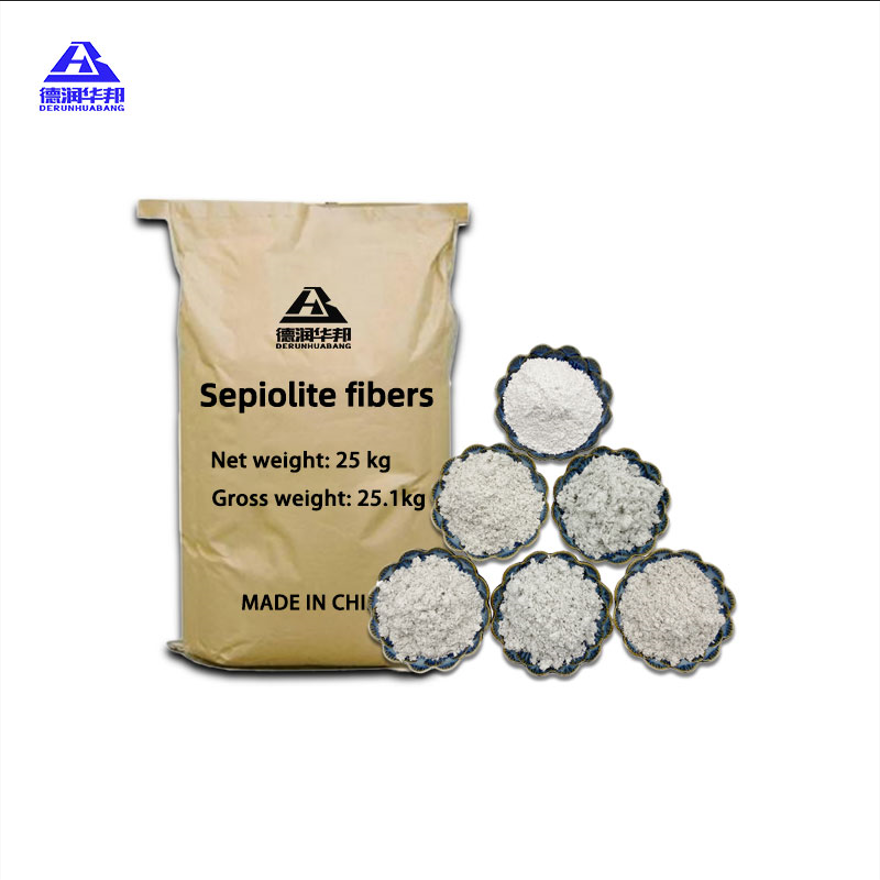
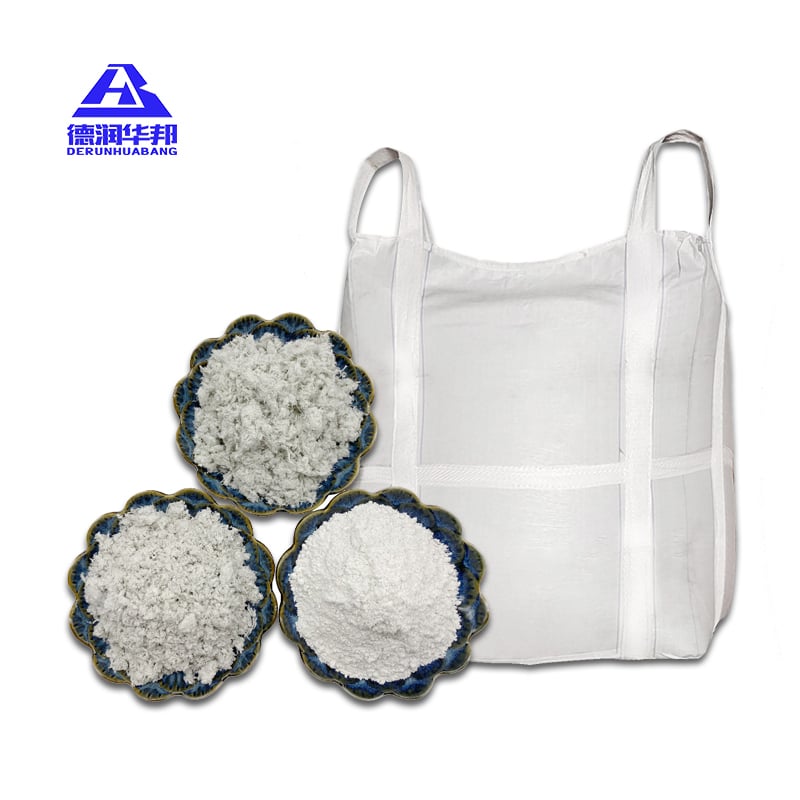
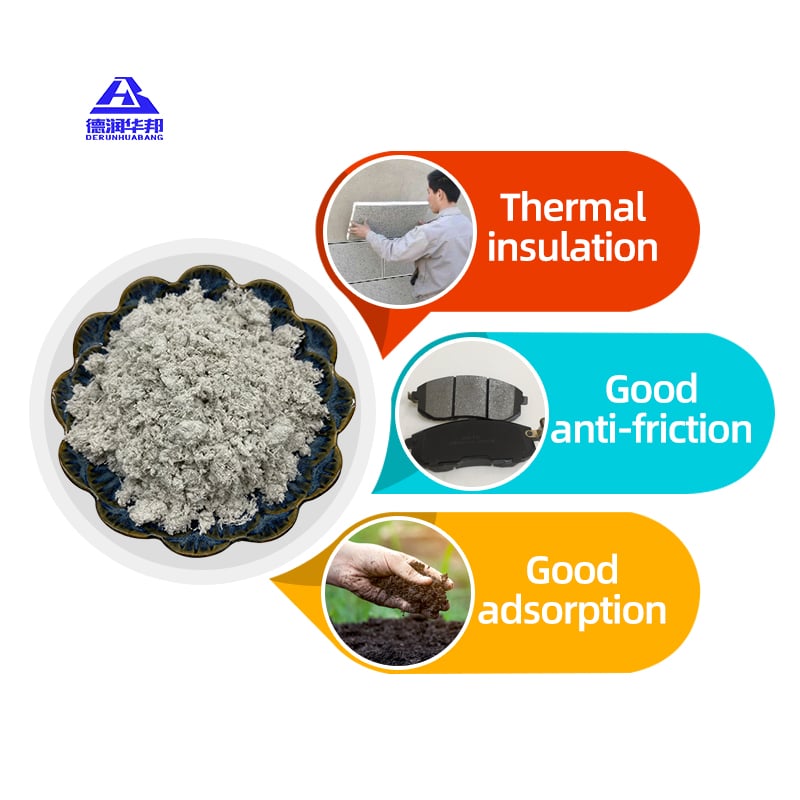
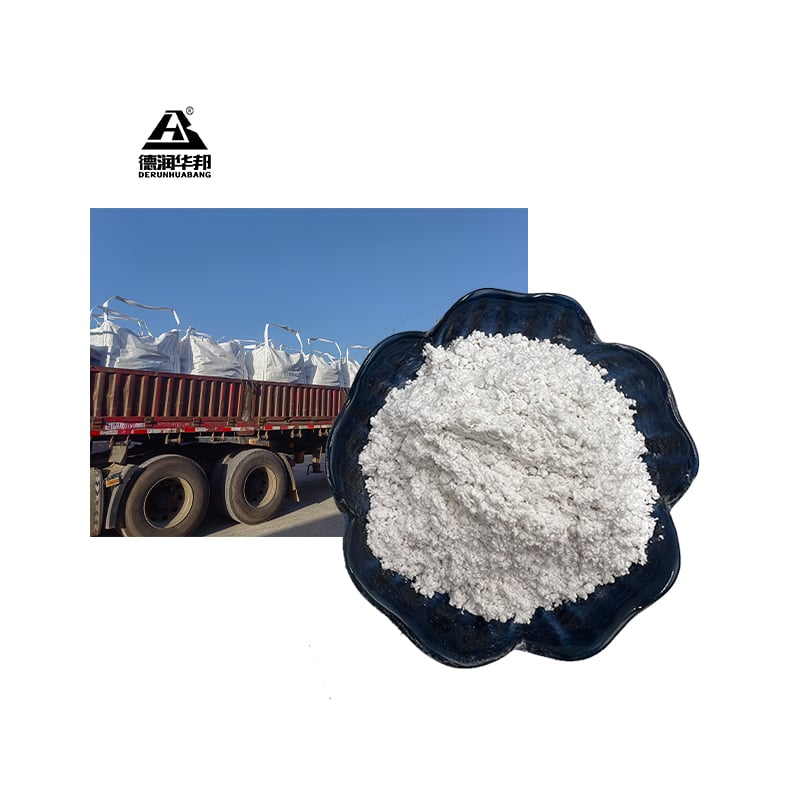
Sepiolite Fiber is natural magnesium silicate mineral distinguished by its unique crystal structure and fibrous morphology. It forms in specific geological settings where magnesium rich clays interact with alkaline solutions over prolonged periods, resulting in formation of slender, needle like crystals that aggregate into fibrous bundles. Key structural feature of Sepiolite Fiber is its intricate porous network, composed of parallel channels running along fiber axis and interconnected micro voids. This structure is preserved through gentle mining and processing methods, which avoid crushing delicate fiber bundles and ensure retention of inherent properties that set it apart from other mineral fibers.
Fundamental properties of Sepiolite Fiber include strong adsorption capacity, excellent thermal stability and good mechanical reinforcement. Porous network provides extensive surface area, allowing Sepiolite Fiber to adsorb large quantities of liquids, gases and dissolved substances. Surface hydroxyl groups enhance this adsorption by forming bonds with target molecules, enabling selective capture of specific impurities. Thermal stability is another standout trait—Sepiolite Fiber maintains structural integrity at elevated temperatures without melting or decomposing, making it suitable for high heat environments. Additionally, its fibrous nature enables it to interlock with other materials, providing mechanical reinforcement that improves durability and strength of composite products.
Refractory materials industry leverages thermal stability and reinforcement properties of Sepiolite Fiber to great effect. When incorporated into refractory bricks, mortars and coatings, Sepiolite Fiber acts as reinforcing phase that reduces brittleness and prevents cracking. Its needle like fibers interweave within refractory matrix, creating flexible network that absorbs thermal stress during heating and cooling cycles. Porous structure of Sepiolite Fiber also improves thermal insulation of refractory materials by trapping air within voids, reducing heat transfer. This combination of reinforcement and insulation makes refractory products containing Sepiolite Fiber ideal for use in furnaces, kilns and industrial heaters, where they withstand extreme temperatures and frequent thermal cycling.
Adsorbent regeneration is specialized application area where Sepiolite Fiber demonstrates unique value. Unlike many adsorbents that become waste after saturation, Sepiolite Fiber can be regenerated repeatedly through thermal or chemical treatments. When used to adsorb organic solvents or industrial contaminants, saturated Sepiolite Fiber undergoes low temperature heating to release adsorbed substances, restoring its adsorption capacity. This regenerability reduces waste generation and lowers operational costs for industries relying on adsorption processes. Additionally, Sepiolite Fiber’s structural stability during regeneration ensures consistent performance across multiple cycles, making it preferred choice for solvent recovery systems and industrial purification processes.
Specialty fillers sector benefits from versatile properties of Sepiolite Fiber, which enhances performance of diverse products. In rubber manufacturing, Sepiolite Fiber acts as filler that improves tensile strength and abrasion resistance of rubber compounds. Its fibrous structure bonds well with rubber polymers, creating composite that maintains flexibility while increasing durability. In ceramic production, adding Sepiolite Fiber reduces shrinkage during firing and improves fracture toughness of ceramic products. For putties and sealants, Sepiolite Fiber provides thixotropic properties that prevent sagging during application and improve adhesion to various substrates. These applications highlight ability of Sepiolite Fiber to adapt to different matrices and enhance specific performance characteristics.

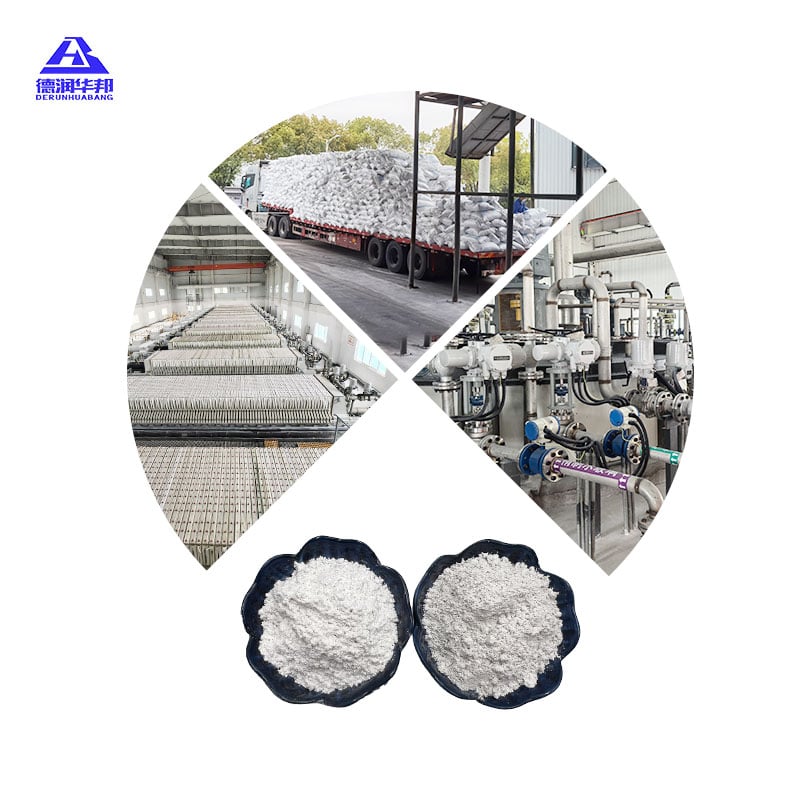
Processing of Sepiolite Fiber is tailored to preserve its fibrous structure and porous network. After mining from deposits, raw material undergoes drying to reduce moisture content, followed by gentle crushing to break apart aggregates without damaging individual fibers. Screening processes separate fiber bundles from impurities such as sand and clay. For specialized applications, surface modification may be employed—for example, treating with organic silanes to improve compatibility with polymer matrices, or acid washing to expand pore size and enhance adsorption capacity. These processing steps are designed to be cost effective and scalable, supporting widespread industrial use of Sepiolite Fiber.
Unique combination of natural origin, versatile properties and recyclability positions Sepiolite Fiber as valuable material for future industrial development. Ongoing research explores new applications, including use as carrier for industrial catalysts and additive in high performance ceramics. As industries seek materials that balance performance and cost efficiency, Sepiolite Fiber’s ability to deliver adsorption, reinforcement and thermal stability makes it increasingly relevant. With continued advancements in processing and modification technologies, Sepiolite Fiber will expand its presence across refractory, adsorption and specialty filler sectors, solidifying its role as essential industrial mineral.
 ×
×