 ×
×
In the global coatings, plastics, printing and cosmetics industries, organic and inorganic pigments are two indispensable colorants, each with unique properties and applicable scenarios. Understanding their core differences, application boundaries and usage precautions is critical for manufacturers and formulators to achieve optimal color performance and product stability.
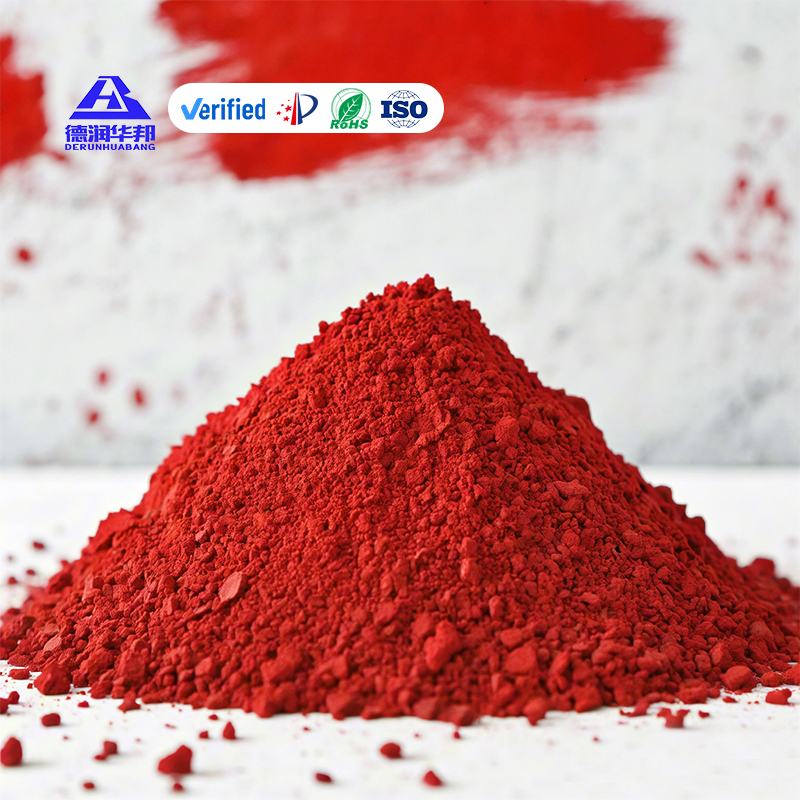
Fundamentally, inorganic pigments are mineral-derived compounds, mainly composed of metal oxides, sulfides and salts, such as iron oxides (77491, 77492, 77499), titanium dioxide and ultramarine. Organic pigments, by contrast, are carbon-based synthetic compounds, including azo, phthalocyanine and quinacridone pigments, featuring complex molecular structures. In terms of performance, inorganic pigments stand out for excellent lightfastness, heat resistance, weather resistance and chemical stability, with strong hiding power and lower cost. Organic pigments boast brighter, purer and more saturated colors, wider color gamut and higher tinting strength, but their durability is relatively weaker than inorganic alternatives.
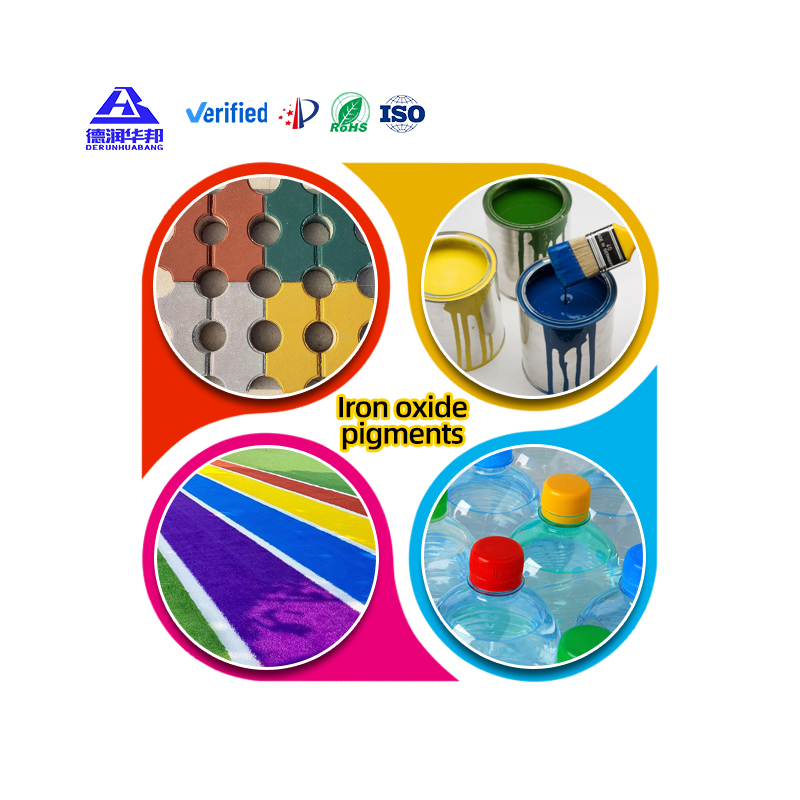
In application scenarios, inorganic pigments dominate long-lasting outdoor and high-stability products. They are widely used in architectural exterior coatings, automotive primers, colored concrete, ceramic glazes and industrial plastics, thanks to their anti-fading and anti-aging properties. Organic pigments are preferred for products requiring vivid color presentation, such as high-end coatings, packaging printing inks, cosmetic color cosmetics, food packaging plastics and textile printing, where bright and diverse color effects are prioritized.
There are key precautions when using these two pigments. For inorganic pigments, pay attention to heavy metal content in some varieties (e.g., cadmium and lead pigments) to comply with environmental and food-contact regulations; avoid excessive grinding to prevent color deviation. For organic pigments, control processing temperature to avoid thermal discoloration, and select high-performance organic pigments for outdoor applications to reduce fading. In practical formulation, mixing organic and inorganic pigments is a common practice to balance color vibrancy and durability, reducing production costs while meeting product performance requirements.
With the rising demand for eco-friendly and high-performance colorants, both pigment types are undergoing technological upgrades. Inorganic pigments are developing towards low-heavy-metal and high-color purity, while organic pigments are improving in weather resistance and heat stability. Choosing the right pigment according to product use environment, performance requirements and regulatory standards is the core to ensuring product quality.


