×

Get in touch

Others
Home> Products> Others
  • Sphagnum moss for sustainable living circular economy green decoration moisture retention eco friendly cultivation porous structure water holding capacity floral arrangement biodegradable packaging indoor greenery
  • Sphagnum moss for sustainable living circular economy green decoration moisture retention eco friendly cultivation porous structure water holding capacity floral arrangement biodegradable packaging indoor greenery
  • Sphagnum moss for sustainable living circular economy green decoration moisture retention eco friendly cultivation porous structure water holding capacity floral arrangement biodegradable packaging indoor greenery
  • Sphagnum moss for sustainable living circular economy green decoration moisture retention eco friendly cultivation porous structure water holding capacity floral arrangement biodegradable packaging indoor greenery
  • Sphagnum moss for sustainable living circular economy green decoration moisture retention eco friendly cultivation porous structure water holding capacity floral arrangement biodegradable packaging indoor greenery
  • Sphagnum moss for sustainable living circular economy green decoration moisture retention eco friendly cultivation porous structure water holding capacity floral arrangement biodegradable packaging indoor greenery
  • Sphagnum moss for sustainable living circular economy green decoration moisture retention eco friendly cultivation porous structure water holding capacity floral arrangement biodegradable packaging indoor greenery
  • Sphagnum moss for sustainable living circular economy green decoration moisture retention eco friendly cultivation porous structure water holding capacity floral arrangement biodegradable packaging indoor greenery
  • Sphagnum moss for sustainable living circular economy green decoration moisture retention eco friendly cultivation porous structure water holding capacity floral arrangement biodegradable packaging indoor greenery
  • Sphagnum moss for sustainable living circular economy green decoration moisture retention eco friendly cultivation porous structure water holding capacity floral arrangement biodegradable packaging indoor greenery
  • Sphagnum moss for sustainable living circular economy green decoration moisture retention eco friendly cultivation porous structure water holding capacity floral arrangement biodegradable packaging indoor greenery
  • Sphagnum moss for sustainable living circular economy green decoration moisture retention eco friendly cultivation porous structure water holding capacity floral arrangement biodegradable packaging indoor greenery

Sphagnum moss for sustainable living circular economy green decoration moisture retention eco friendly cultivation porous structure water holding capacity floral arrangement biodegradable packaging indoor greenery

Description

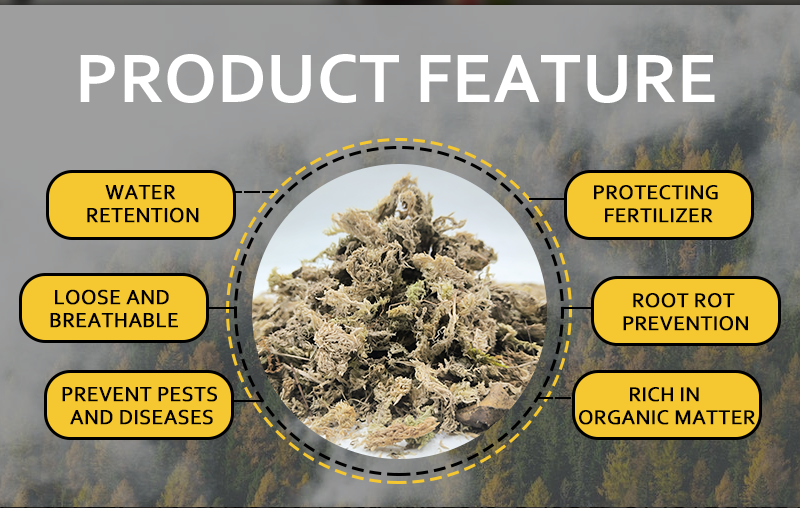
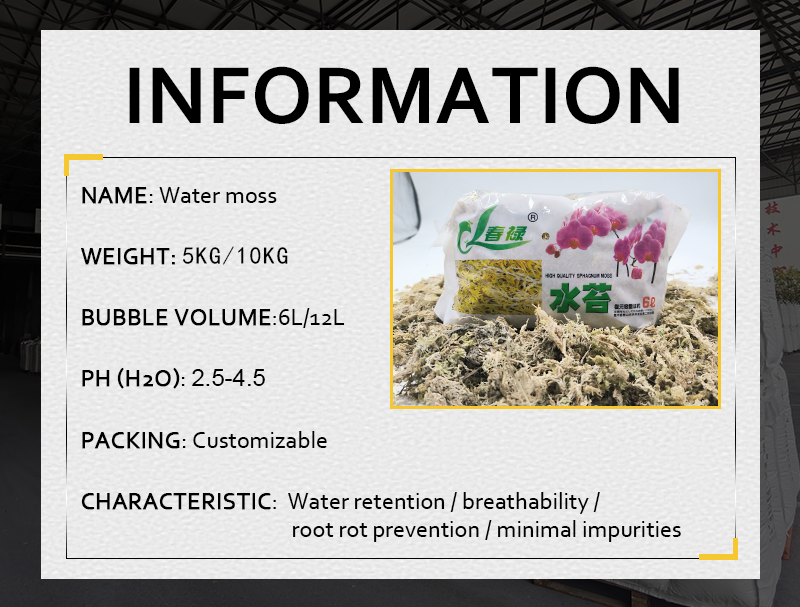
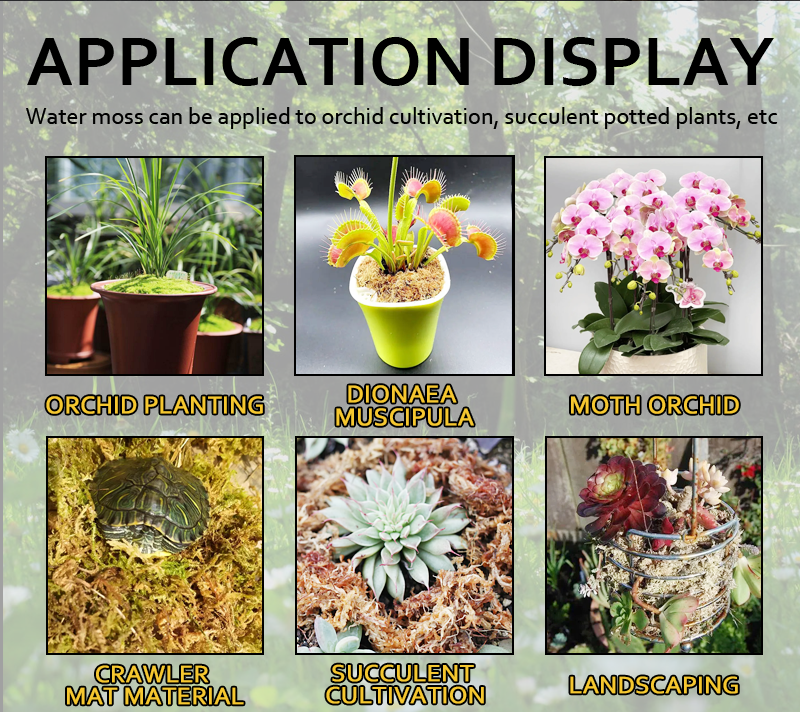
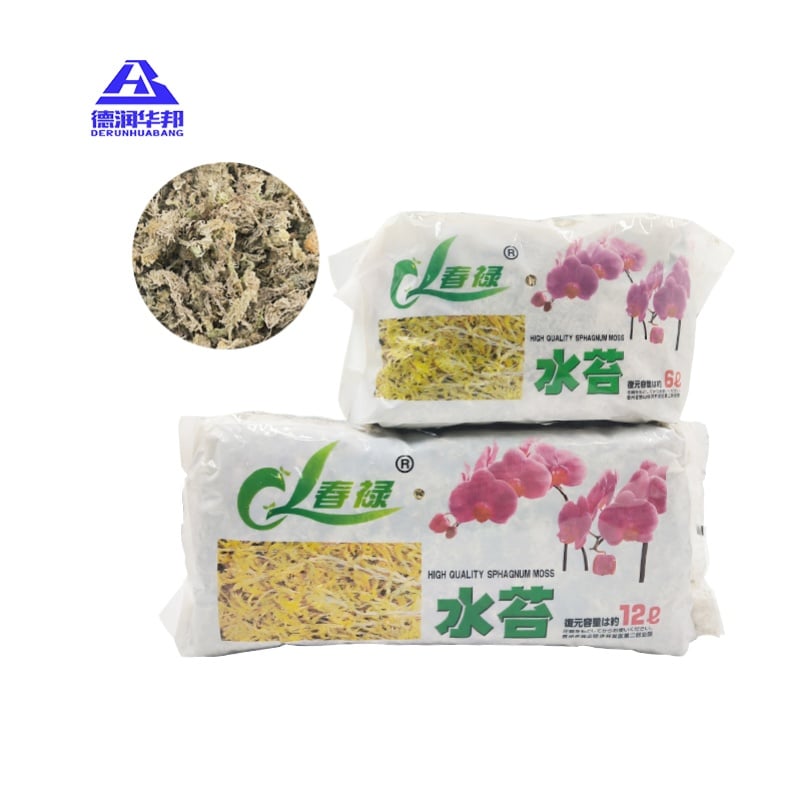
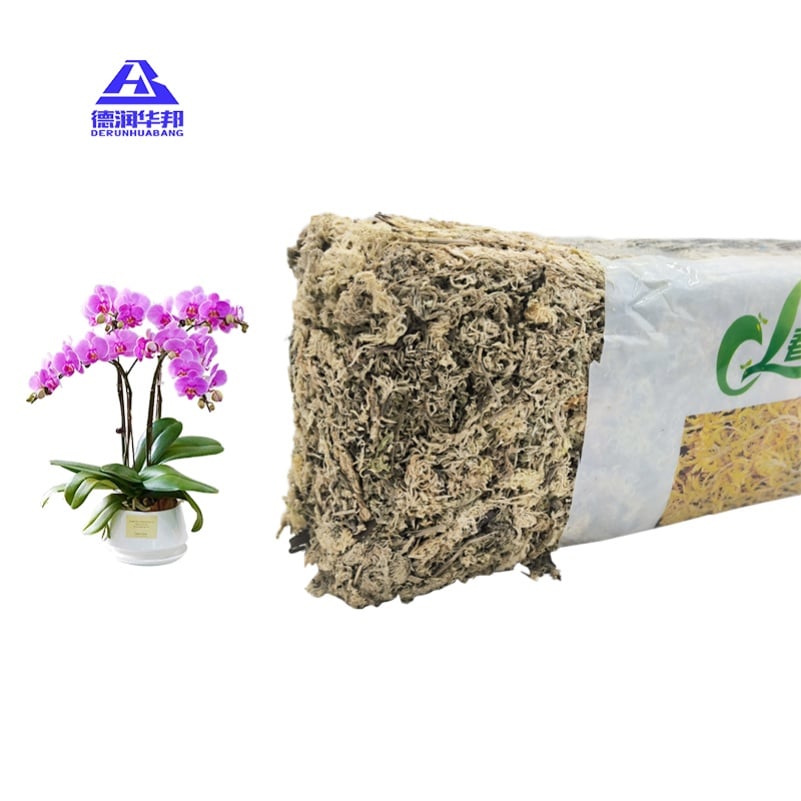
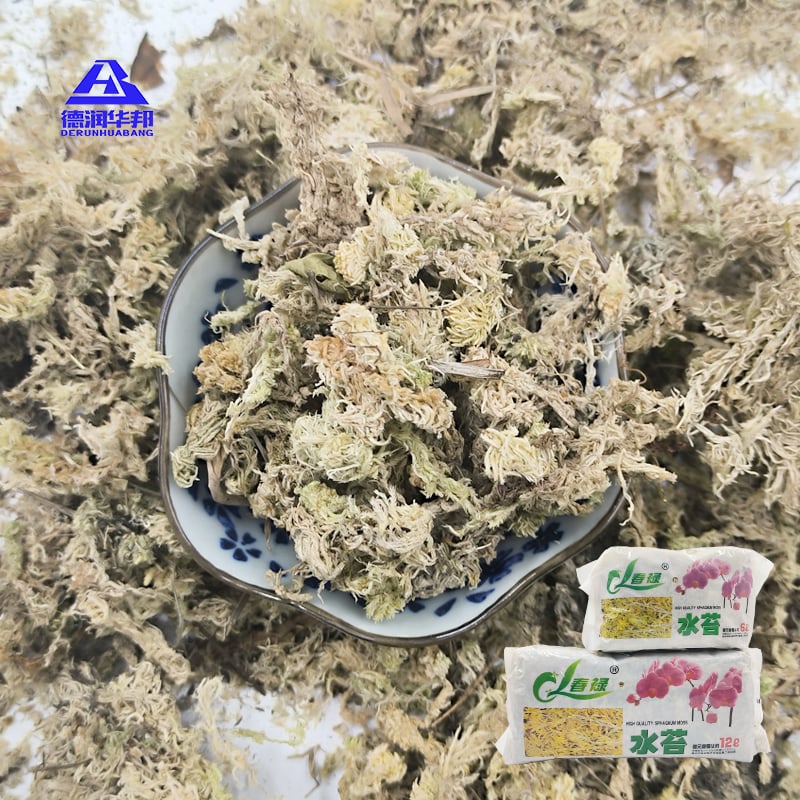
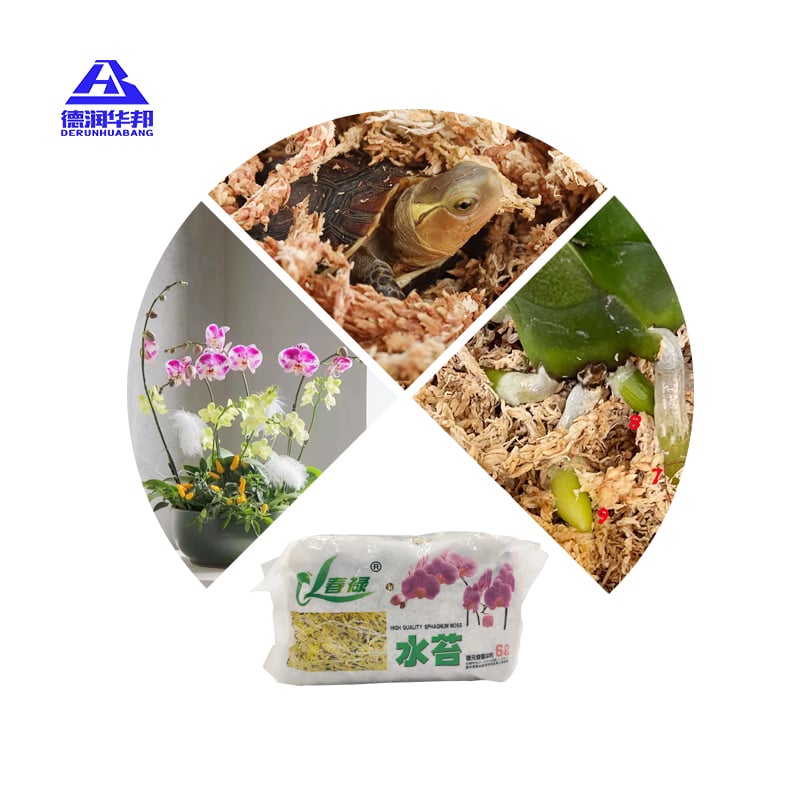
Sphagnum moss stands as nature-gifted eco-friendly material that links sustainable living and circular economy, adapting innovatively to diverse demands of green decoration, floral arrangement, and biodegradable packaging. Unlike synthetic materials such as plastic foam or chemical-based fillers that rely on petroleum-derived manufacturing and emit toxic fumes during production or decomposition, sphagnum moss originates from natural wetland ecosystems—thriving in waterlogged peatlands, acidic marshes, and cool alpine bogs where it grows slowly and accumulates over seasons. This unique growth environment shapes its inherent porous structure, formed by delicate, branching cell networks that trap air and water, and exceptional water holding capacity that allows it to retain multiple times its weight in moisture without becoming waterlogged. These traits not only distinguish it from conventional decorative materials like artificial moss (which lacks breathability and degrades into microplastics) or synthetic packaging (which persists in landfills for decades) but also make it a versatile choice for scenarios requiring both functionality and eco-friendliness. Serving as core component in moisture retention for potted plants, indoor greenery displays, and eco friendly cultivation of delicate flora such as orchids and ferns, sphagnum moss transcends single-function roles to become multi-purpose solution blending natural aesthetics, practical performance, and environmental responsibility. Post-harvest processing of sphagnum moss adheres to eco-friendly principles to preserve its core properties: harvested moss is first air-dried in shaded, well-ventilated areas for several weeks, with frequent turning to ensure even drying—direct sunlight is strictly avoided as it can brittle fibers and reduce water holding capacity by damaging cell walls. Then, it undergoes multi-stage physical cleaning: first passing through coarse sieves to remove large debris like twigs and stones, then through finer sieves to sift out small soil particles, and finally hand-sorted by workers trained to spot and remove invasive plant seeds that could disrupt ecosystems if accidentally introduced. No chemical detergents or disinfectants are used; instead, some producers use ultraviolet light to neutralize any surface pathogens while preserving natural microbial balance. For specific applications, moss is further tailored: decorative moss for interior displays is gently steamed at mild temperatures to soften fibers and enhance flexibility, making it easier to shape into wreaths or wall art; moss for packaging is pressed into thin, resilient mats using low-pressure machines that retain porous structure—these mats are then cut into custom sizes to fit different produce containers. Core properties of sphagnum moss extend beyond basic water retention—its naturally acidic pH level, a result of organic acid secretion during growth in bog environments, creates hostile conditions for harmful fungi and bacteria that cause root rot. This makes it particularly valuable for cultivating orchids, which have sensitive aerial roots; wrapping orchid roots in moist sphagnum moss provides constant moisture while preventing rot, a significant improvement over synthetic growing media that often harbor pathogens. The porous structure also facilitates efficient gas exchange: tiny air pockets within the moss allow oxygen to reach roots while expelling carbon dioxide, ensuring healthy root respiration even when fully moist—a key advantage over dense synthetic media like peat moss substitutes that often suffocate roots in wet conditions. In floral arrangement, these traits translate to extended vase life: high-end florists wrap flower stems in damp sphagnum moss before arranging, then cover the moss with natural fabric ribbons. This setup slows water loss through transpiration, keeping blooms like roses and lilies fresh for three to five days longer than traditional plastic-wrapped bouquets. Additionally, the moss’s natural green hue complements floral displays, eliminating the need for artificial greenery accents.
01.jpg02.jpg
水苔_02.png水苔_03.png水苔_04.png水苔_05.png水苔_07.png水苔_08.png
09.jpg10.jpg
Resource foundation of Sphagnum moss combines natural renewal and ecological harmony, making it a model of sustainable resource use. Sphagnum moss grows in water-saturated, low-nutrient environments across the globe—northern temperate peatlands in Canada and Russia (rich in organic matter from decaying plant material) and alpine marshes in New Zealand and the European Alps (with cool, mineral-rich water) are prime habitats. Each region yields moss with distinct traits: Canadian peatland moss has ultra-dense pores that retain up to 20 times its weight in water, making it perfect for cultivation and packaging; New Zealand alpine moss features thicker, more resilient fibers and vibrant emerald green hues, ideal for long-lasting green decoration that resists fading. Its growth process plays a critical ecological role: as it grows, it absorbs carbon dioxide from the atmosphere and stores it in slow-decaying layers, forming peat that acts as natural carbon sink. Healthy peatlands store more carbon per unit area than tropical rainforests, making sustainable moss harvesting a way to support climate regulation while utilizing a renewable resource.
Harvesting adheres to strict eco-friendly standards to avoid wetland degradation, with regional variations tailored to local ecosystems. In Canada, harvesters use hand tools to selectively collect mature moss patches that have reached full growth (typically three to five years old), leaving a 10-centimeter layer of young moss and root systems intact to regenerate naturally. They follow rotational harvesting schedules, dividing wetlands into sections and allowing each section to recover for at least five years before re-collection. In New Zealand, alpine moss harvesting is regulated by government agencies: harvesters must obtain permits, attend wetland conservation training, and submit annual regeneration reports with photos of harvested areas. Post-harvest, disturbed areas are restored with native vegetation: in peatlands, workers replant sphagnum moss fragments collected from healthy patches to accelerate regrowth; in alpine regions, they sow native grass seeds like tussock to stabilize soil and create shaded microclimates that favor moss growth. Some producers even partner with conservation organizations to fund wetland restoration projects, ensuring harvested areas remain ecologically viable. Diverse application scenarios highlight sphagnum moss’s versatility, with innovative uses emerging in eco-conscious industries. In floral arrangement, luxury florists use it to create “zero-waste” bouquets: moss is shaped into small nests to hold individual blooms, then assembled into arrangements without glue or wire. These bouquets can be disassembled after use, with the moss composted and flowers recycled into potpourri. For biodegradable packaging, organic food companies in Europe use sphagnum moss mats to cushion delicate produce like strawberries and asparagus during transportation. The mats absorb excess moisture to prevent mold growth and release small amounts of natural antimicrobial compounds that extend shelf life. Unlike plastic foam, which requires special disposal, these mats decompose completely in home compost bins within three months. In indoor greenery, sphagnum moss is a key component in vertical garden systems for commercial buildings: mixed with coconut coir and natural binders, it forms lightweight, flexible growing mats that adhere to walls. These mats retain moisture for wall-mounted plants like pothos and string of pearls, reducing watering frequency by 50% compared to traditional potting soil. It also enhances green roof installations in urban areas: layers of moss placed between drainage sheets and vegetation reduce stormwater runoff by absorbing rainwater, then slowly releasing it back into the atmosphere. This not only eases pressure on municipal drainage systems but also insulates buildings, reducing heating costs in winter and cooling costs in summer. Quality control for sphagnum moss is rigorous and tailored to specific applications, with third-party testing common in premium markets. For cultivation use, lab tests measure water retention rate by soaking moss samples in dechlorinated water for 24 hours, then weighing them at 24-hour intervals to monitor moisture release—top-grade cultivation moss must retain at least 15 times its weight in water for 72 hours without waterlogging. For decorative moss, fiber strength tests involve gently stretching samples to ensure they resist breakage during shaping, and color consistency is checked under natural and artificial light to ensure uniform appearance in displays. For packaging, compression tests simulate transportation conditions: moss mats are pressed with standardized weights to verify they regain shape after pressure, preventing damage to delicate produce. Biodegradation tests place samples in controlled compost environments, with pass criteria requiring 90% decomposition within six months. Recycled moss waste—such as trimmings from decoration production and used cultivation moss—finds new life in multiple ways: ground into fine particles, it is mixed into potting soil to enhance moisture retention; compressed into small discs, it serves as biodegradable seed starters that can be planted directly into soil, eliminating plastic seed trays. This closed-loop system ensures minimal waste and maximizes the material’s ecological value. In addition to these mainstream uses, sphagnum moss is gaining traction in ecological restoration projects. It is used to stabilize soil in areas affected by wildfires or mining: layers of moss are spread over bare soil, where they retain moisture and prevent erosion while providing a suitable environment for native plant seeds to germinate. In wetland restoration, moss fragments are introduced to degraded bogs to accelerate peat formation, helping to rebuild carbon-sequestering ecosystems. These emerging applications further solidify sphagnum moss’s role as a versatile, eco-friendly material that aligns with global sustainability goals.

Inquiry