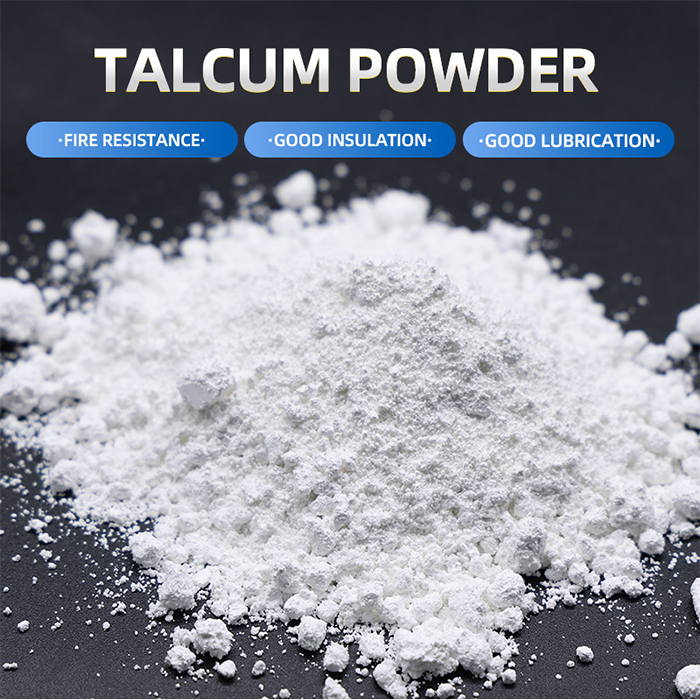
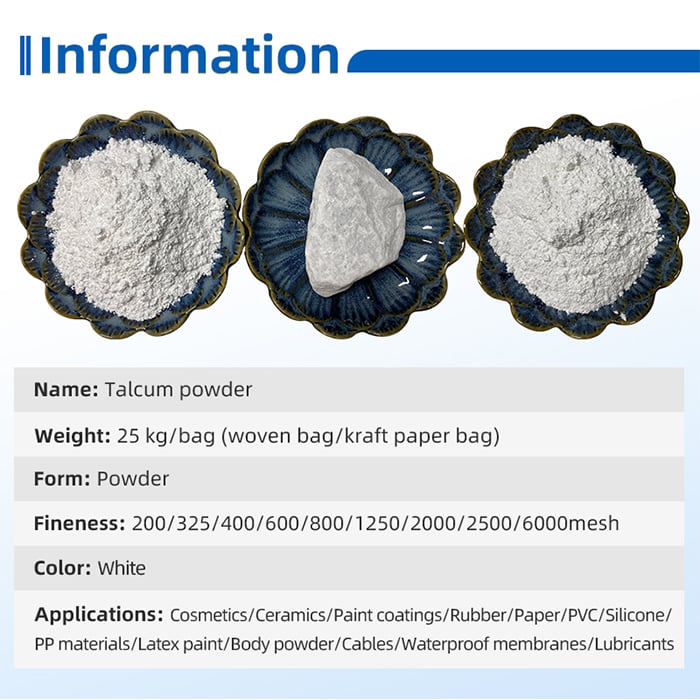
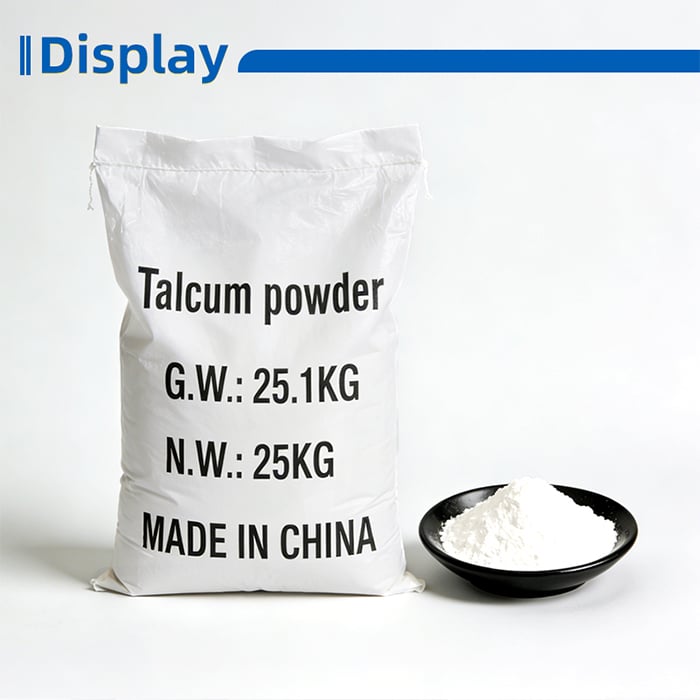
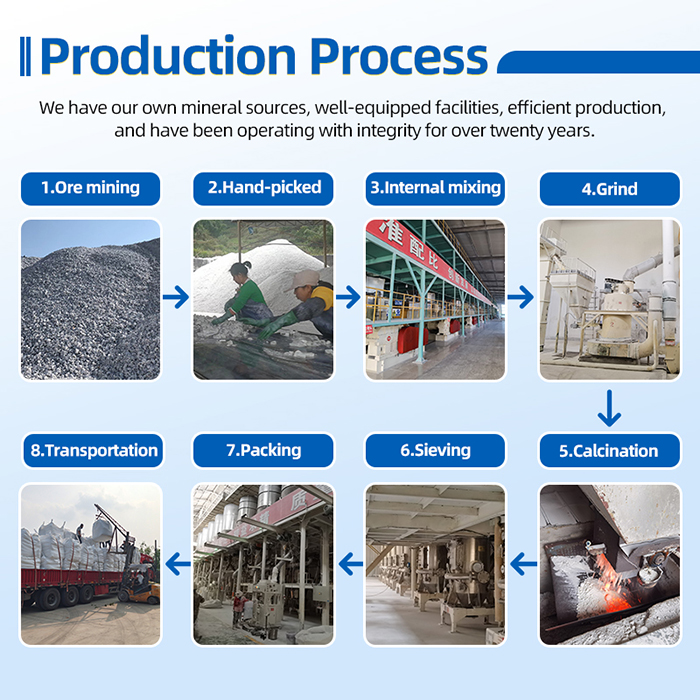
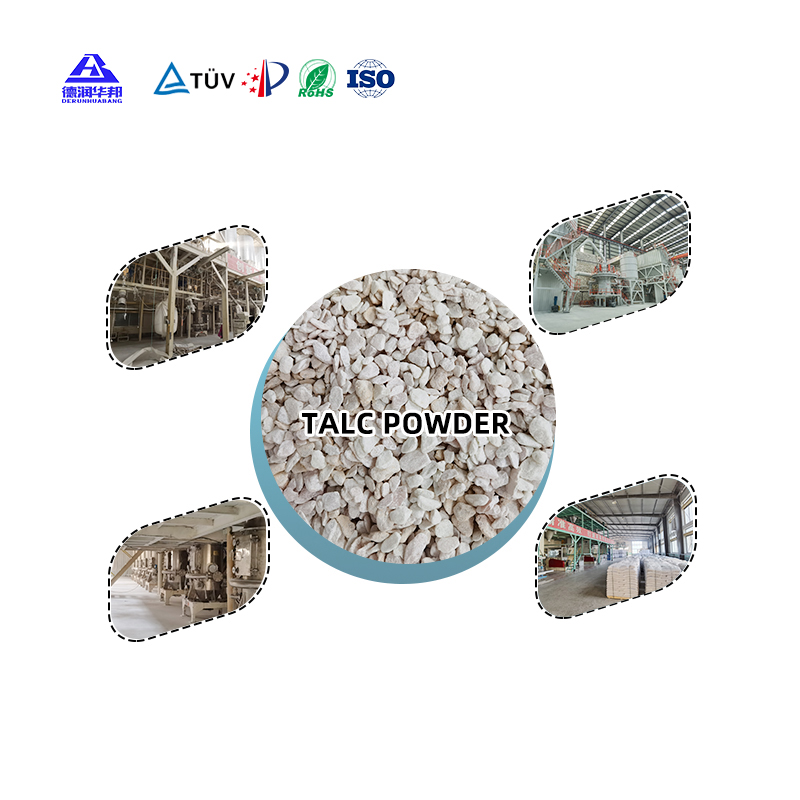
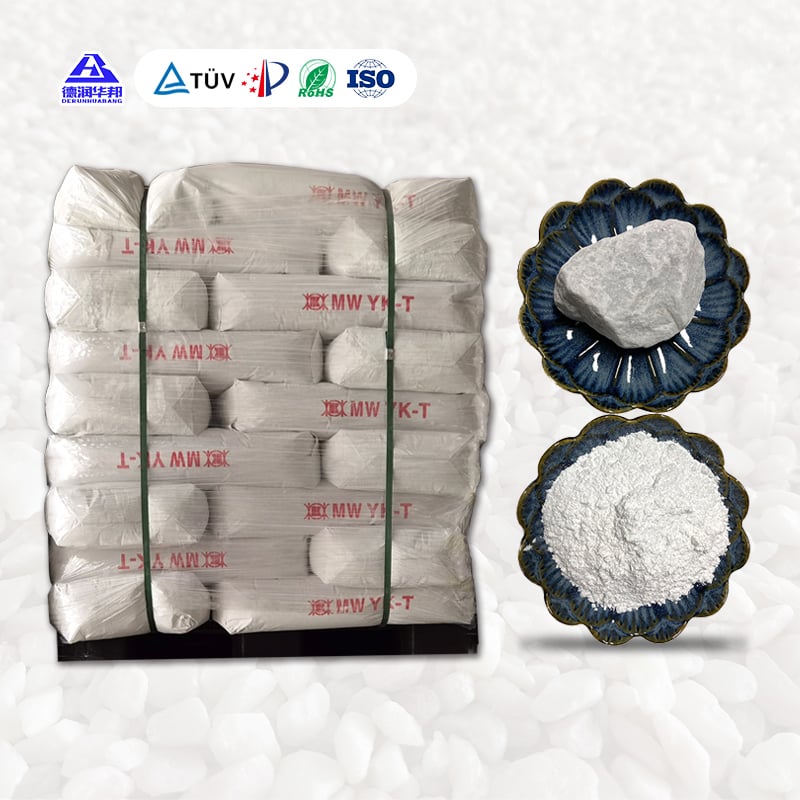
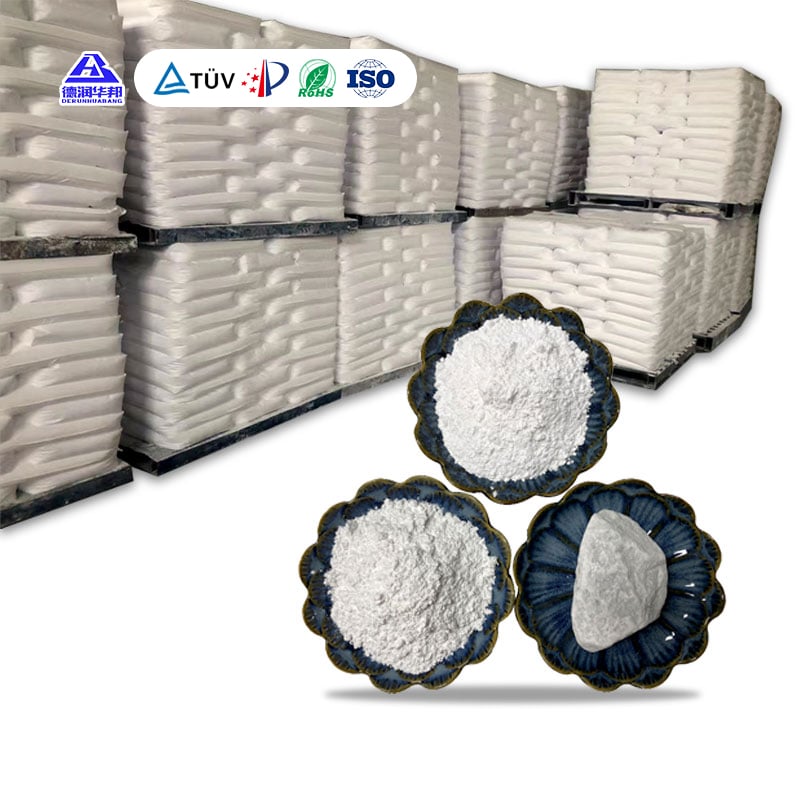
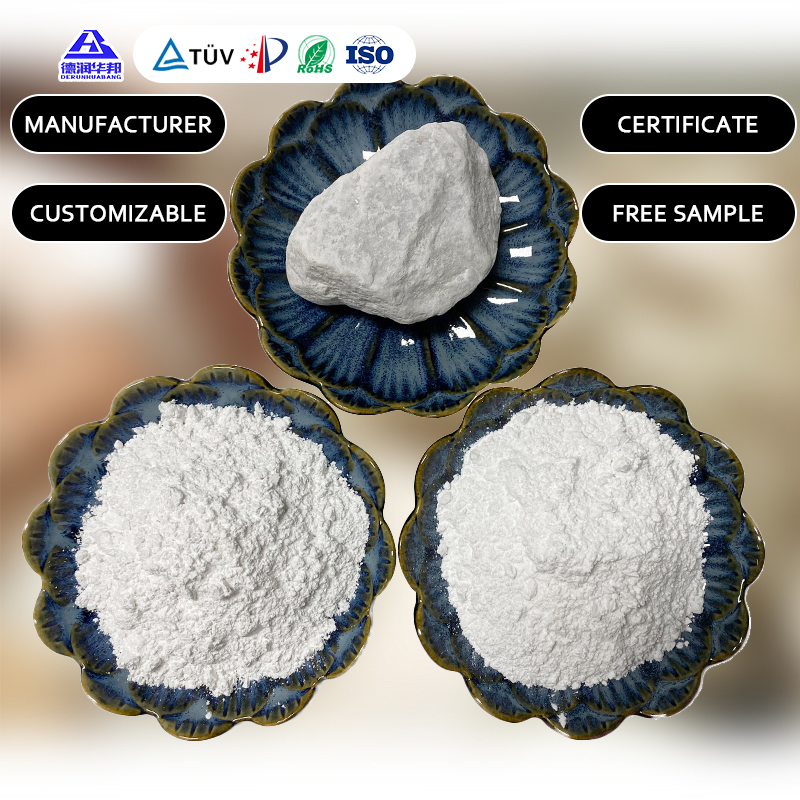
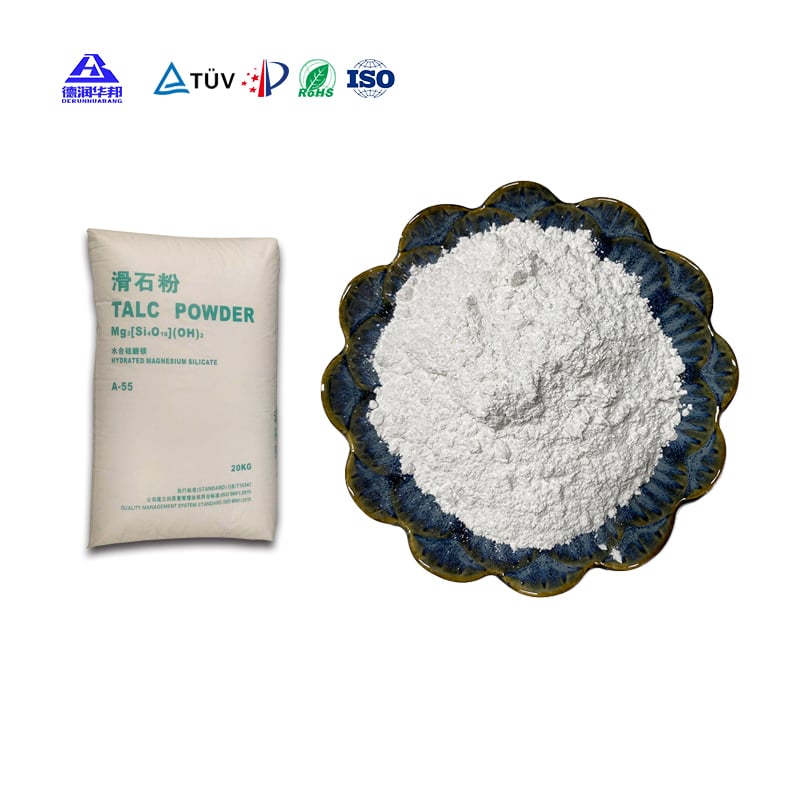
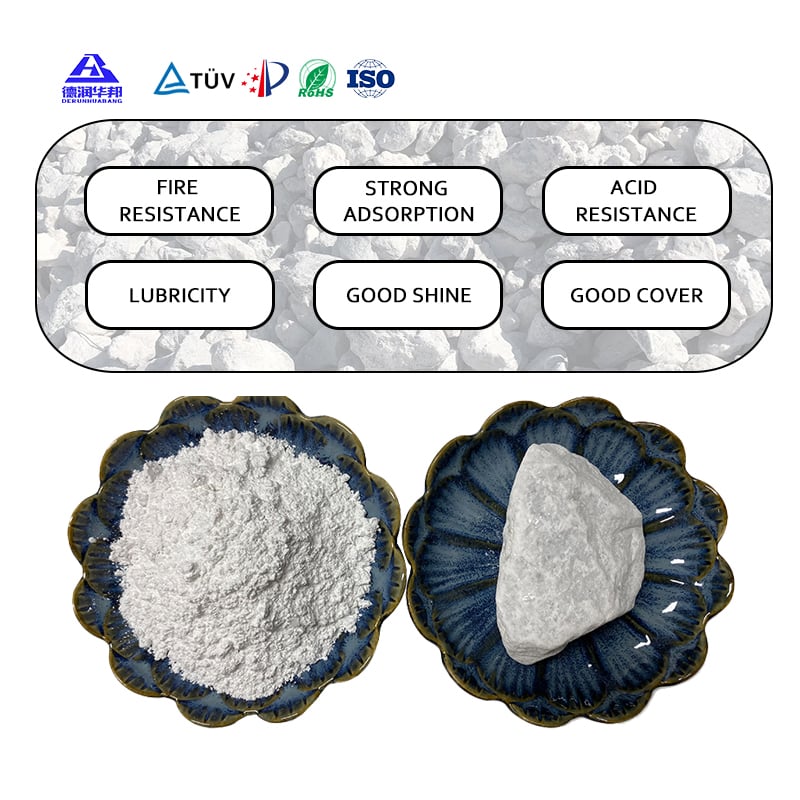
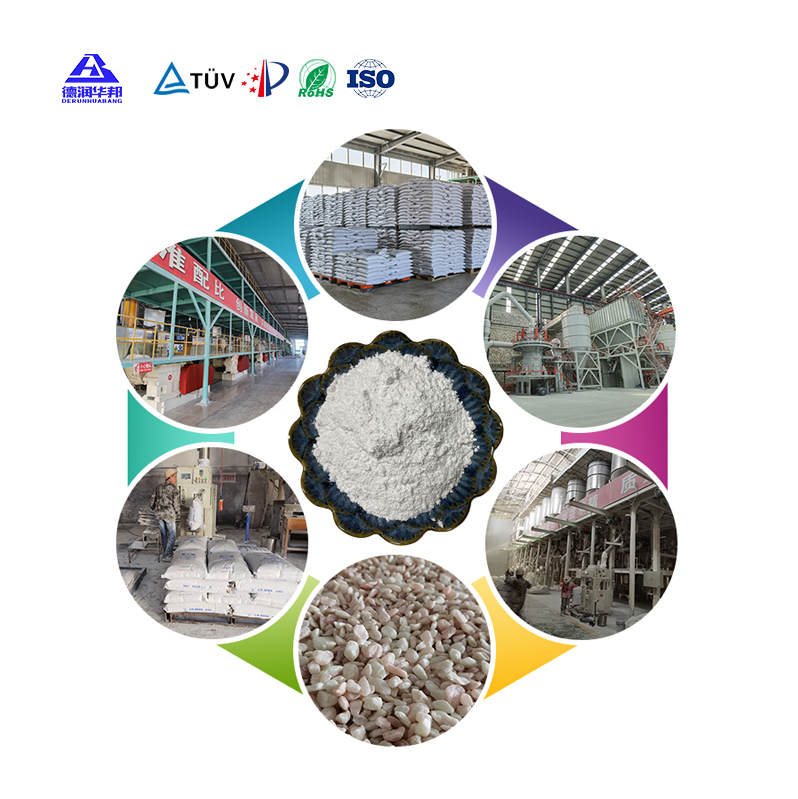
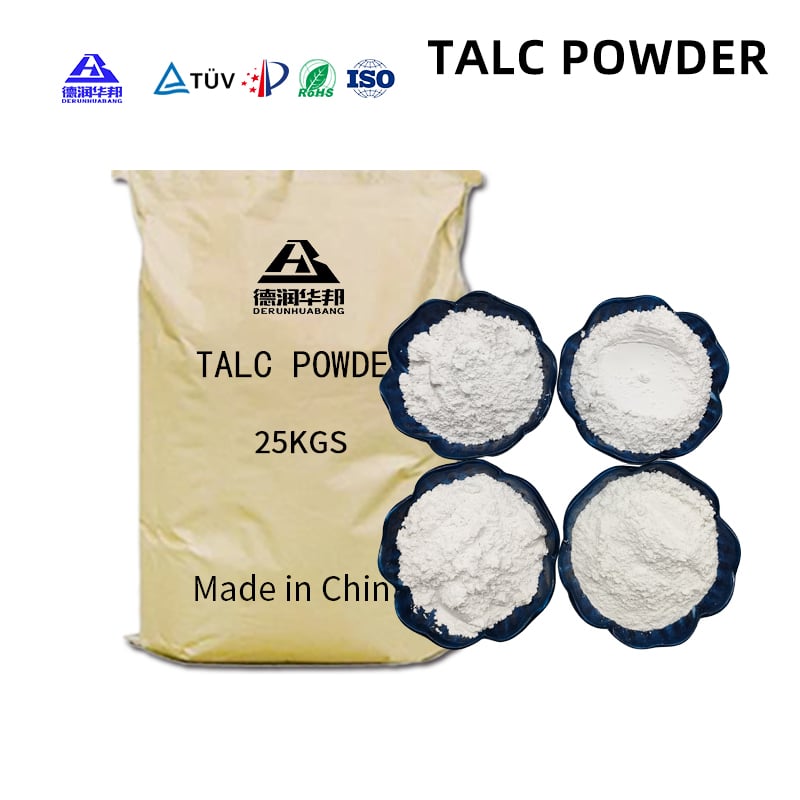
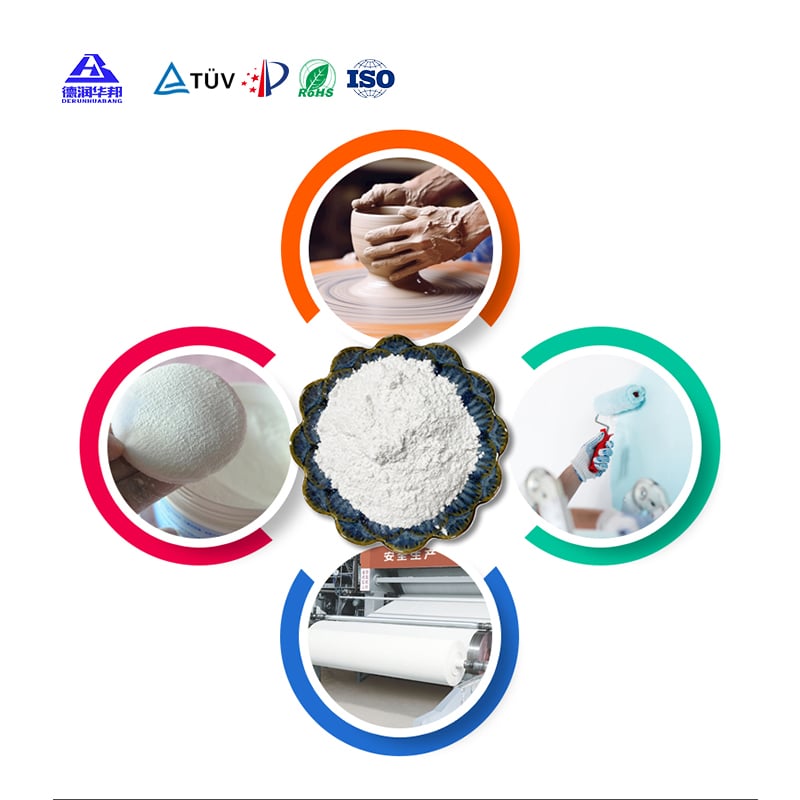
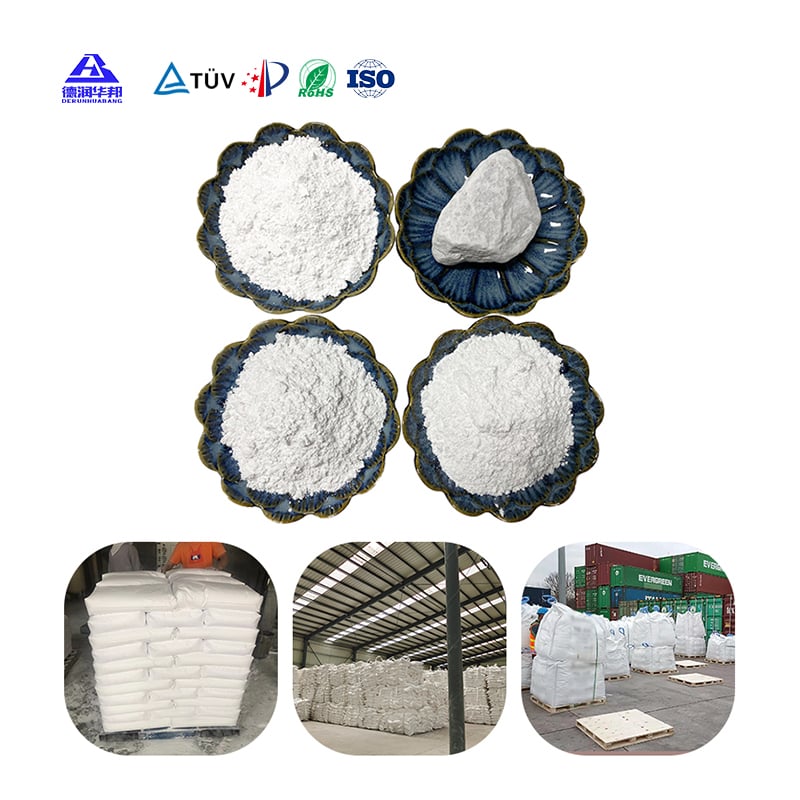
Talc powder is naturally occurring silicate mineral with soft texture and greasy touch, formed through long-term weathering of magnesium-rich rocks under specific geological conditions such as high pressure and moderate temperature. After mining, it undergoes crushing, grinding and grading processes to obtain fine powder with uniform particle size, which further enhances its applicability in industrial production. Its fine platy crystal structure, usually ranging from micro to nano scale, endows unique physical and chemical properties that set it apart from other industrial minerals, including excellent lubricity, strong chemical inertness, reliable electrical insulation and good heat resistance. These traits make it widely sought-after in multiple industrial fields, serving as functional additive that optimizes product performance and processing efficiency without triggering unwanted reactions with other components. Its compatibility with diverse substrates—from plastics and rubbers to inks and coatings—and easy dispersion ability further expand its applicability across different manufacturing processes, reducing production costs while upgrading end-product quality.
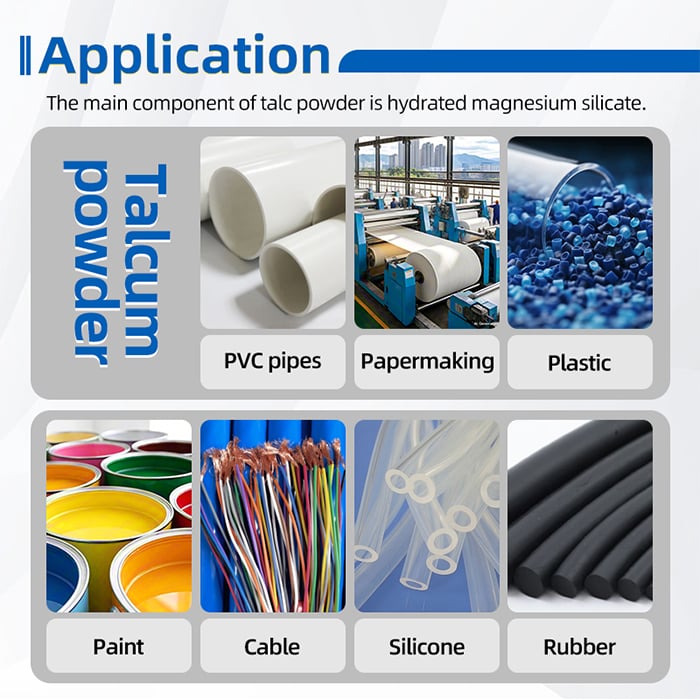
Cable manufacturing sector relies heavily on talc powder for insulation and reinforcement, especially in power and communication cables used in infrastructure projects like urban rail transit, power grids and underground pipelines. Talc powder blends seamlessly with rubber and plastic substrates such as PVC and polyethylene, which are commonly used in cable sheathing and inner insulation layers, without compromising the base material’s inherent flexibility. It enhances electrical insulation performance by increasing breakdown voltage, preventing current leakage and ensuring stable power transmission even in harsh environments like high humidity, extreme temperatures and chemical exposure from soil or industrial waste. Its lubricating property reduces friction between material layers during extrusion process, avoiding surface scratches on cable surfaces and improving production yield significantly by minimizing defective products. Talc powder also acts as effective anti-sticking agent, forming thin protective film on cable components to prevent them from adhering to machinery or each other during cooling and storage, thus maintaining product integrity and reducing waste in mass production.
Ink formulations benefit significantly from talc powder’s versatile properties, spanning packaging printing, industrial marking and decorative printing fields for products like cartons, metal cans and plastic containers. It integrates smoothly into UV and resin-based inks to improve dispersion stability of pigments and extenders, preventing pigment agglomeration that could cause color spots and ensuring consistent color distribution and glossy finish on printed surfaces. Talc powder reduces ink absorption rate on porous printing substrates like paper and cardboard, preventing blurring, feathering and ink bleeding while enhancing print definition and edge sharpness—key requirements for high-quality packaging and advertising prints. Its low oil absorption capacity effectively adjusts ink viscosity, making application smoother across different printing techniques such as offset, gravure and flexographic printing, and adapting to various printing speeds. Additionally, it accelerates ink drying speed by absorbing excess vehicle in formulations, shortening production cycles for printing enterprises while maintaining strong adhesion strength on various materials including plastics, metals and fabrics, even under frequent handling.
Shoe material production, especially EVA, TPR and RB components for sports shoes, casual shoes and work boots, incorporates talc powder as essential reinforcing filler due to its ability to balance performance and cost. It penetrates material matrices to form stable network structure within shoe materials, boosting tensile and tear strength to resist daily wear and tear, repeated bending and impact during use—critical for sports shoes that endure intense movement and work boots exposed to heavy loads. Talc powder improves material flexibility and elongation at break, allowing shoes to adapt to foot movements without cracking, deformation or hardening over time, even after prolonged exposure to sunlight and moisture. It also precisely regulates material hardness, balancing comfort for daily wear and durability for high-intensity activities across different shoe types, from soft athletic shoe midsoles to tough work boot outsoles. During processing, talc powder reduces melting viscosity of EVA and TPR materials, facilitating molding, calendering and foaming processes while reducing energy consumption and shortening cooling time, which helps manufacturers increase production capacity.
Fire-resistant products manufacturing leverages talc powder’s heat resistance and chemical stability to enhance safety performance of products used in buildings, industrial facilities and transportation vehicles like trains and ships. It is added to fire-retardant coatings, composite panels, sealants and putties to delay combustion spread, reduce smoke emission and lower toxic gas release during fire incidents—key factors for protecting human life and property. Talc powder lowers melting point of fire-resistant formulations, enabling them to form dense, heat-insulating protective layer quickly when exposed to high temperatures, which adheres tightly to the base material without falling off. This layer effectively inhibits heat transfer to underlying materials and blocks oxygen supply to combustion source, slowing down fire development and providing more escape time for people in affected areas. Its chemical stability ensures fire-resistant materials maintain consistent performance over long-term storage and harsh environmental conditions, such as high humidity and temperature fluctuations, without degradation or loss of fire-retardant efficiency.
Electronic interface modification sector emerges as promising new application field for talc powder, catering to growing demand for high-performance electronic component packaging in consumer electronics, automotive electronics and industrial control systems. It acts as efficient interface modifier in epoxy resin and plastic packaging materials, improving compatibility between different substrates such as metal leads, semiconductor chips and plastic casings, which often have different thermal expansion coefficients. Talc powder enhances mechanical strength, impact resistance and dimensional stability of packaging materials, protecting delicate electronic parts from external impact, vibration and temperature fluctuations during transportation and use—common risks that could cause component failure. Its excellent electrical insulation property prevents electrical interference and cross-talk between adjacent components, ensuring stable operation of electronic devices even in high-frequency environments. Fine and uniform particle size of talc powder allows thorough dispersion in thin packaging layers, avoiding structural defects like bubbles and cracks that may affect product reliability and service life.
Talc powder’s application in industrial coatings extends beyond traditional fields, serving as high-performance functional filler in architectural exterior coatings, industrial protective coatings and automotive refinish coatings. It improves coating hiding power by scattering light effectively, reducing amount of pigments needed while achieving desired opacity—this not only cuts raw material costs but also maintains coating durability. Its weather resistance enhances coating durability, enabling coated surfaces to withstand long-term UV radiation, moisture erosion, wind and sand abrasion without fading, chalking or peeling, even in coastal areas with high salt spray content. Talc powder’s platy particles overlap to form dense barrier layer within coatings, enhancing water and corrosion resistance for metal structures like bridges, pipelines and machinery, as well as concrete buildings and infrastructure exposed to outdoor conditions. It also optimizes coating flowability and leveling property, preventing sagging and orange peel effect during application on vertical and curved surfaces, ensuring smooth, uniform finish that meets aesthetic and functional requirements of different industries.
Global demand for talc powder keeps rising, driven by industrialization in Asia-Pacific region and upgrading of high-end manufacturing. Manufacturers focus on optimizing talc powder particle size distribution and purity to meet customized requirements of different sectors. Strict quality control ensures talc powder meets industry standards, avoiding contaminants that may affect product performance. As new application fields expand, talc powder maintains irreplaceable role, adapting to evolving industrial needs and supporting technological innovation in diverse manufacturing sectors.
 ×
×