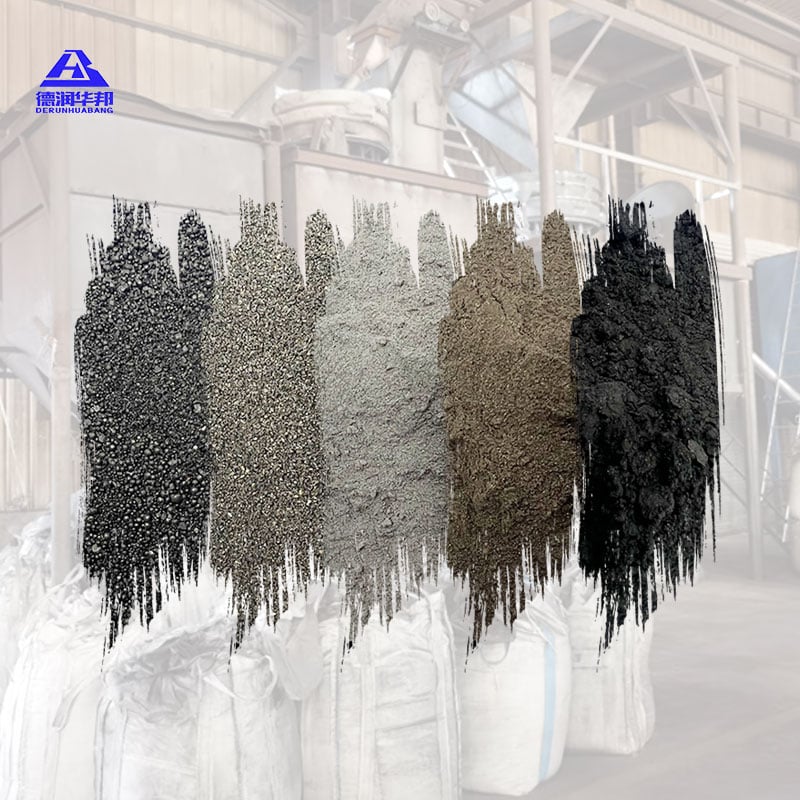
Iron powder is a fundamental metal material that integrates multiple advantages—including stable magnetic performance, good thermal conductivity, and excellent formability—making it widely used in emerging tech fields and traditional industries. Its physical properties are highly adjustable: particle size can be controlled from ultra-fine to coarse, and particle shape can be modified into spherical, irregular, or flaky through different processes. These adjustments allow it to adapt to diverse production needs. Unlike rare metal materials that are scarce and expensive, iron powder is sourced from abundant iron ore and processed through mature techniques, which significantly lowers application costs for enterprises. From daily wearable products worn on wrists to heavy-duty industrial processing equipment, iron powder silently supports product performance improvement and technological iteration—whether enhancing flexibility of components or boosting thermal conductivity of materials, it plays an irreplaceable role.
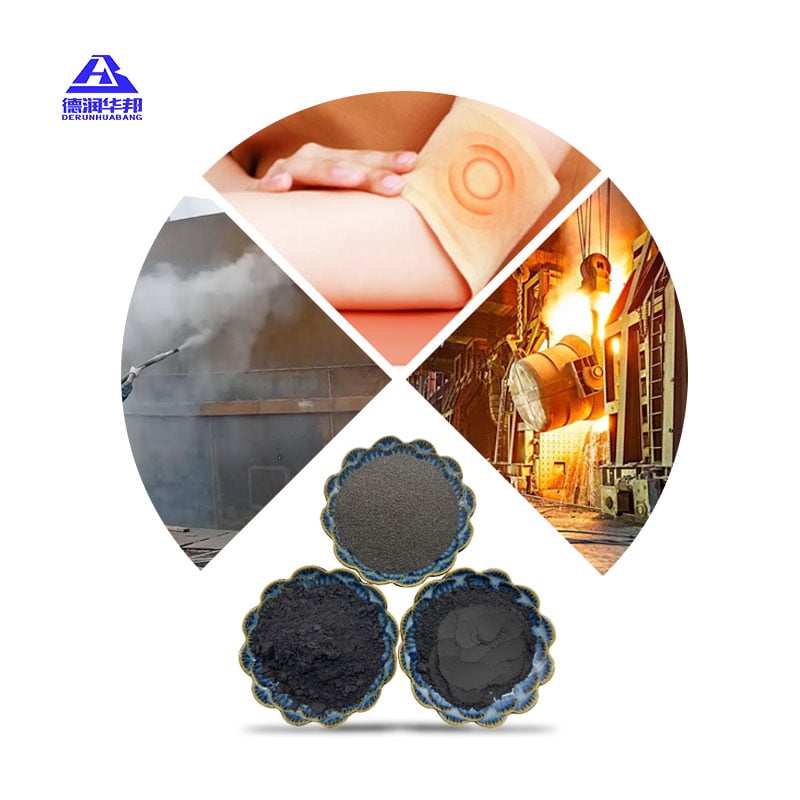
Smart wearable devices have become popular in recent years, with global market demand growing steadily, and iron powder plays a key role in manufacturing their core components—flexible magnets. Devices like smart bracelets, fitness trackers, and smart watches need flexible magnetic parts to achieve functions such as wireless charging, position sensing, and screen unlocking. Iron powder, when mixed with flexible polymer materials (such as silicone or polyurethane) in a specific ratio, can be made into thin, bendable magnetic sheets through processes like calendering or injection molding. These sheets are only a few tenths of a millimeter thick, can fit closely with curved surfaces of wearable devices, and maintain good magnetic performance even after repeated bending—without affecting device portability or comfort. During production, iron powder particles undergo surface treatment to improve their dispersion in polymer matrices, ensuring uniform magnetic performance across the entire sheet. When smart bracelets or watches are placed on wireless chargers, magnetic sheets containing iron powder enhance magnetic field coupling between charger and device, reducing energy loss and improving charging efficiency by around thirty percent. This application makes iron powder an indispensable material in smart wearable industry, driving advancement of lightweight and flexible device designs.
Data center cooling systems rely on efficient heat dissipation components to maintain stable operation of servers, as overheating can cause data loss or hardware damage, and iron powder contributes significantly to this field. Heat dissipation plates used in server cabinets need materials with excellent thermal conductivity to transfer heat generated by servers quickly to cooling mediums. Iron powder, after surface modification treatment (such as coating with silane coupling agents to improve compatibility with base materials), is added to heat dissipation materials such as aluminum-based or copper-based composites. The modified iron powder particles form continuous thermal conduction paths in composites, breaking through thermal resistance barriers of traditional materials and accelerating heat transfer. Compared with pure aluminum heat dissipation materials, those containing iron powder have better thermal conductivity—reducing surface temperature of servers by five to eight degrees Celsius, thus lowering server overheating risks. In large data centers with thousands of servers, hundreds of such heat dissipation plates are used in each cabinet, and iron powder's participation ensures continuous and stable operation of data storage and processing systems. Moreover, iron powder's addition also improves mechanical strength of heat dissipation plates, preventing deformation during installation and use.
Magnetic separation equipment is widely used in mineral processing and industrial wastewater treatment—two fields crucial for industrial development—and iron powder is its core functional material. In mineral processing, magnetic separation equipment uses magnetic rollers or magnetic discs made of iron powder-based materials to separate magnetic minerals (such as magnetite) from raw ores. Iron powder's strong magnetic adsorption enables it to generate stable magnetic fields, which efficiently attract magnetic minerals while allowing non-magnetic gangue to pass through, improving mineral purification efficiency by forty to fifty percent. This process is essential for producing high-purity iron ore concentrates used in steelmaking. In industrial wastewater treatment, especially for wastewater containing heavy metals (such as lead, nickel) and magnetic impurities, iron powder is added to wastewater treatment systems. It adsorbs heavy metal ions through chemical reactions (forming stable complexes) and captures magnetic impurities through physical magnetic attraction. After treatment, magnetic separators are used to separate iron powder and adsorbed impurities from wastewater, purifying water quality to meet discharge standards. Importantly, used iron powder can be recycled through roasting and reduction, reducing material waste. This application of iron powder not only improves processing efficiency but also reduces environmental pollution, aligning with industrial green development trends.
Iron powder also plays an important role in manufacturing of electromagnetic shielding materials—a key need as electronic devices become more prevalent. With popularization of smartphones, computers, and communication equipment, electromagnetic interference has become a major problem affecting device performance: it can cause signal distortion, slow down data transmission, or even damage sensitive components. Electromagnetic shielding materials block or absorb harmful electromagnetic waves, and iron powder is a key ingredient in such materials due to its excellent magnetic loss properties. When iron powder (usually ultra-fine particles to enhance shielding effect) is mixed with conductive polymers (such as polyaniline) or rubber, it forms shielding coatings, sheets, or films. These materials absorb electromagnetic waves through magnetic hysteresis loss and reflect them through conductive networks formed by iron powder particles, significantly reducing interference between electronic devices. For example, shielding cases of communication base stations and medical monitoring equipment are often coated with materials containing iron powder, which ensures stable signal transmission and accurate data reading. Additionally, iron powder-based shielding materials are lightweight and easy to process, making them suitable for complex-shaped electronic components like mobile phone shells and circuit board casings. This application of iron powder provides reliable guarantee for normal operation of communication and electronic systems.
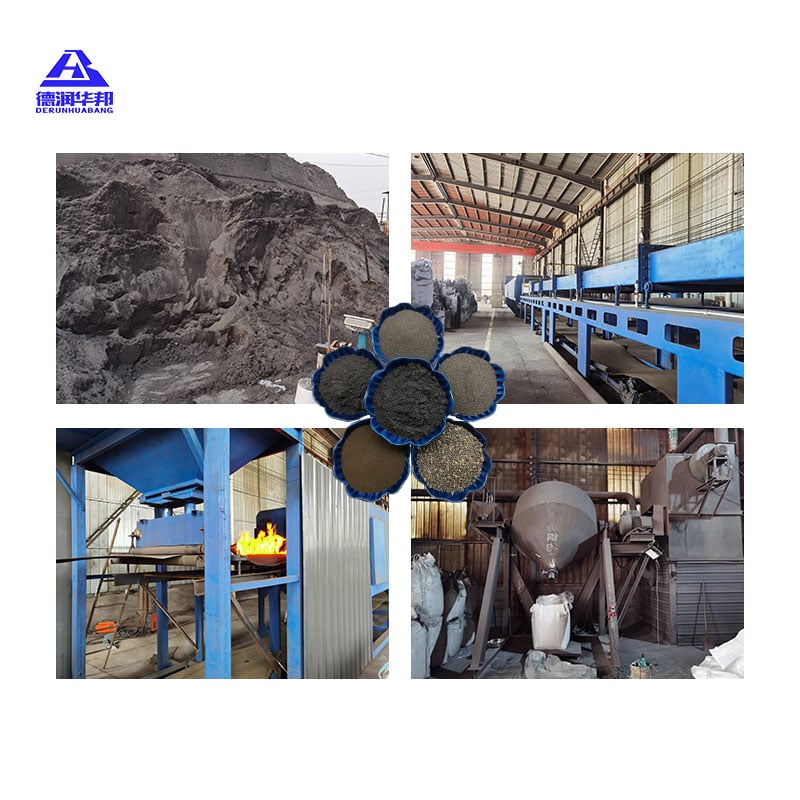
Processing methods of iron powder directly determine its physical and chemical properties, thereby affecting its application effects in different fields. Atomization method is commonly used to produce iron powder for smart wearable devices: molten iron is sprayed into tiny droplets through high-speed inert gas (such as nitrogen) or water flow, and these droplets cool and solidify rapidly into spherical or near-spherical iron powder. This method produces fine and uniform particles (usually with particle size between five and twenty micrometers) that disperse easily in polymer materials—ideal for making flexible magnets. For iron powder used in heat dissipation materials, reduction method is preferred: iron oxide (such as hematite or magnetite) is heated with reducing agents (such as carbon or hydrogen) at high temperatures to remove oxygen, forming iron powder with porous structure. This porous structure enhances thermal conductivity and compatibility with composite materials. Manufacturers will precisely adjust processing parameters according to specific application requirements: in atomization, gas pressure and temperature are controlled to adjust particle size; in reduction, heating time and reducing agent dosage are modified to improve purity. After primary processing, iron powder undergoes secondary treatments like screening (to classify particle sizes) and purification (to remove impurities such as sulfur and phosphorus). These processing steps ensure that iron powder meets strict performance indicators—such as magnetic strength, thermal conductivity, and particle uniformity—required by different fields.
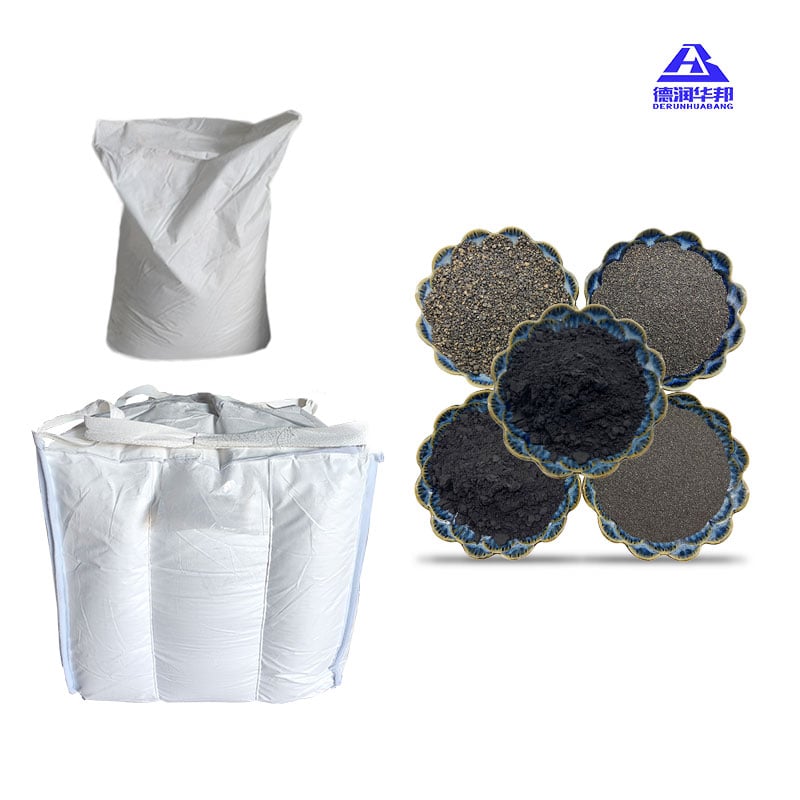
Storage and transportation of iron powder require special attention to avoid performance degradation, as its quality directly impacts final product performance. Iron powder has high chemical activity and is prone to oxidation when exposed to air and moisture—forming rust that reduces magnetic performance, thermal conductivity, and formability. Therefore, targeted protective measures are adopted: for short-term storage, iron powder is packaged in vacuum-sealed aluminum foil bags with desiccants (such as silica gel) added to absorb residual moisture; for long-term storage, it is placed in sealed metal barrels lined with anti-rust paper. Storage environments must be dry and well-ventilated, with temperature controlled between fifteen and twenty-five degrees Celsius and relative humidity below sixty percent. During transportation, iron powder packages are equipped with shock-absorbing materials (such as foam) to avoid collision and extrusion, which could cause powder agglomeration—agglomerated iron powder is difficult to disperse uniformly in subsequent processing, affecting product quality. Additionally, transportation vehicles should be covered to prevent rain and snow from wetting packages. Before use, manufacturers usually check iron powder for oxidation by observing color (rusty iron powder turns reddish-brown) and testing magnetic performance. Proper storage and transportation measures ensure that iron powder maintains good performance when it reaches users, laying a solid foundation for high-quality product production.
 ×
×


