 ×
×
Volcanic rock, formed from the cooling and solidification of lava, has long been valued for its unique physical and chemical properties. Recent technological breakthroughs in processing and modification have unlocked its full potential, creating materials with enhanced porosity, high surface area, and remarkable durability.
"Volcanic rock is a natural marvel that has been underutilized for too long," said Dr. Elena Marquez, a leading materials scientist at the International Institute of Sustainable Technology. "Our research has shown that with proper processing, volcanic rock can outperform many synthetic materials in terms of strength, thermal stability, and environmental impact. This is a significant step forward in our quest for sustainable solutions."
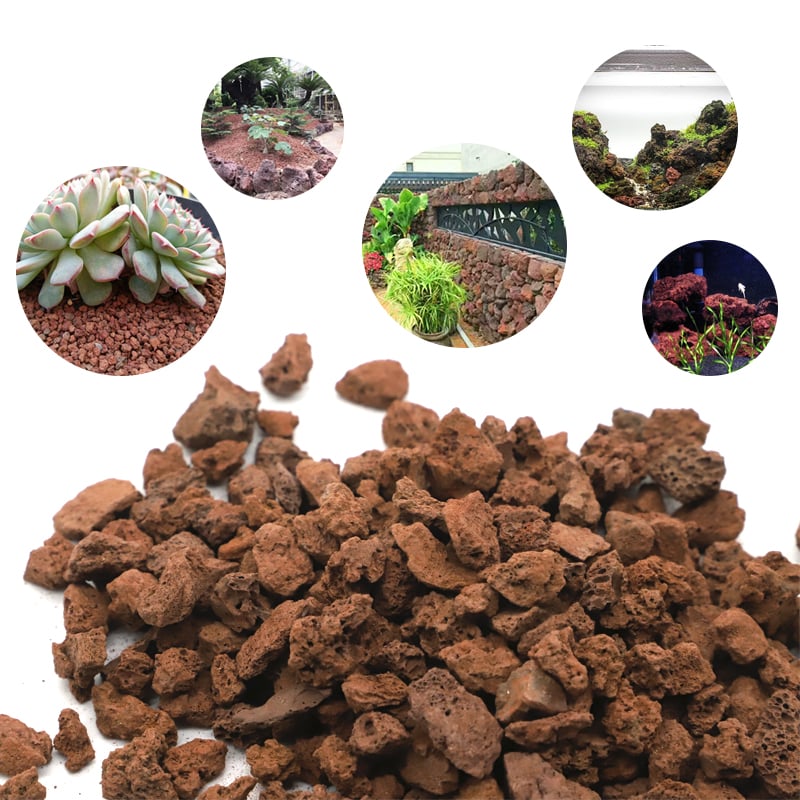
The versatility of advanced volcanic rock materials enables their use in a wide range of industries:
In the construction sector, volcanic rock aggregates are being used to produce high-performance concrete with improved compressive strength and thermal insulation properties. These aggregates reduce the carbon footprint of concrete production by up to 30% compared to traditional materials, while also enhancing the durability of buildings and infrastructure.
Volcanic rock's porous structure and high surface area make it an ideal material for water and air purification. It can effectively remove heavy metals, organic pollutants, and harmful gases from contaminated environments, offering a cost-effective and sustainable alternative to traditional remediation methods.
In agriculture, volcanic rock-based soil amendments improve soil structure, enhance nutrient retention, and promote plant growth. These natural amendments reduce the need for synthetic fertilizers and pesticides, contributing to more sustainable farming practices and healthier food production.
Researchers are exploring the use of volcanic rock in advanced energy storage systems, such as lithium-ion batteries and supercapacitors. Its unique electrochemical properties make it a promising material for improving battery performance, increasing energy density, and extending lifespan.
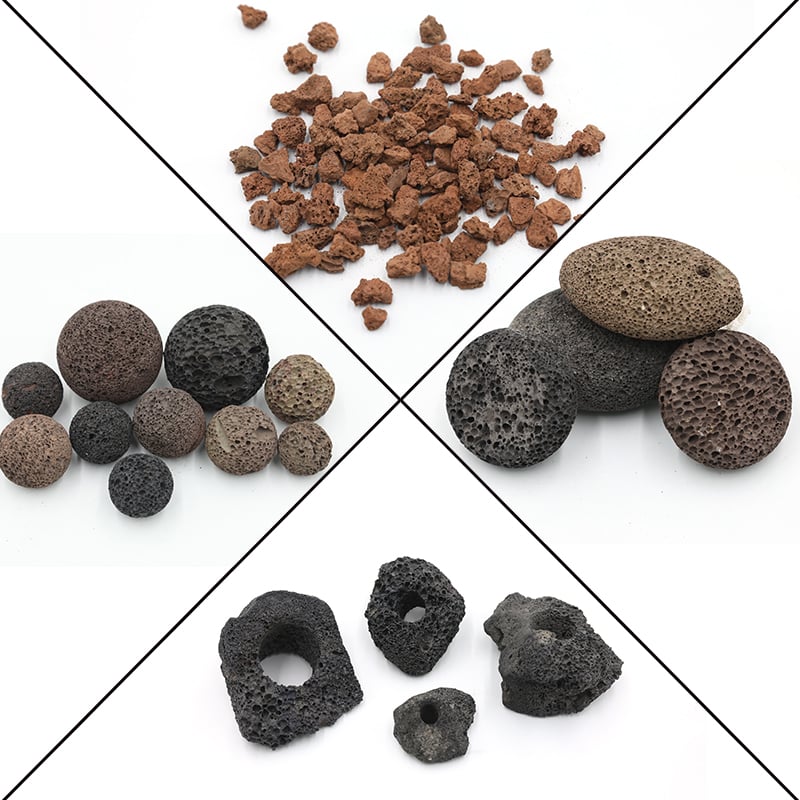
The adoption of volcanic rock materials is a key component of the global transition to a circular economy. As a naturally occurring and abundant resource, volcanic rock reduces reliance on finite raw materials and minimizes waste generation. Additionally, the processing of volcanic rock produces minimal environmental impact compared to the manufacturing of synthetic materials.
"Volcanic rock materials represent a paradigm shift in how we approach sustainable development," said Mr. James Wilson, CEO of the Global Sustainable Materials Alliance. "By harnessing the power of nature, we can create products that are both high-performing and environmentally friendly. This is the future of manufacturing, and we are excited to see the impact it will have on our planet."
As demand for sustainable materials continues to grow, researchers and industry leaders are collaborating to further advance volcanic rock technology. Ongoing research focuses on developing new processing techniques, exploring novel applications, and optimizing material properties to meet evolving industry needs.
The global market for advanced volcanic rock materials is projected to grow at a CAGR of 12.5% over the next five years, reaching $4.2 billion by 2031. This growth is driven by increasing environmental regulations, rising consumer demand for eco-friendly products, and the growing recognition of volcanic rock's unique benefits.
The emergence of advanced volcanic rock materials marks a significant milestone in the journey toward a more sustainable future. By leveraging nature's own resources, we can create innovative solutions that address pressing environmental challenges while driving economic growth. As research and development continue to advance, the potential of volcanic rock materials to transform industries and improve our planet is truly limitless.


