×
×
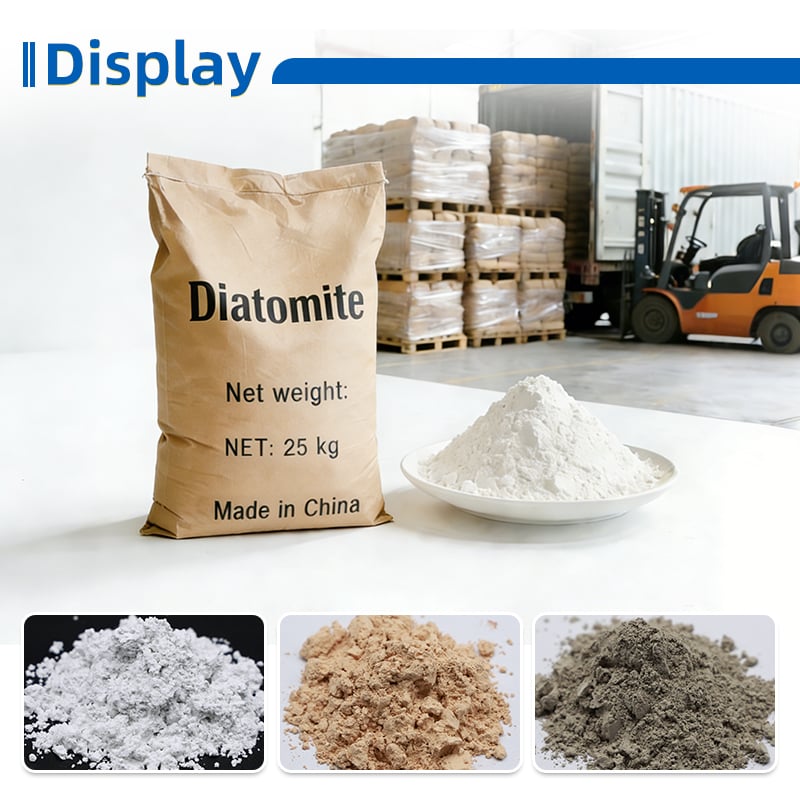
In the global pursuit of sustainable development, environmental governance and industrial diversification, a naturally formed siliceous sedimentary rock is rapidly rising as a green, multi‑purpose and high‑performance functional material. Diatomite, a porous biogenic mineral formed by ancient diatom remains over millions of years, is transforming from a traditional industrial filler to a core functional material widely used in environmental protection, construction, agriculture, horticulture, food filtration and other fields. Known as the “natural multi‑functional mineral”, it is far more than an ordinary filler; it is a natural gift empowered by modern processing, demonstrating outstanding value in adsorption, purification, thermal insulation, air purification and high‑value resource utilization.
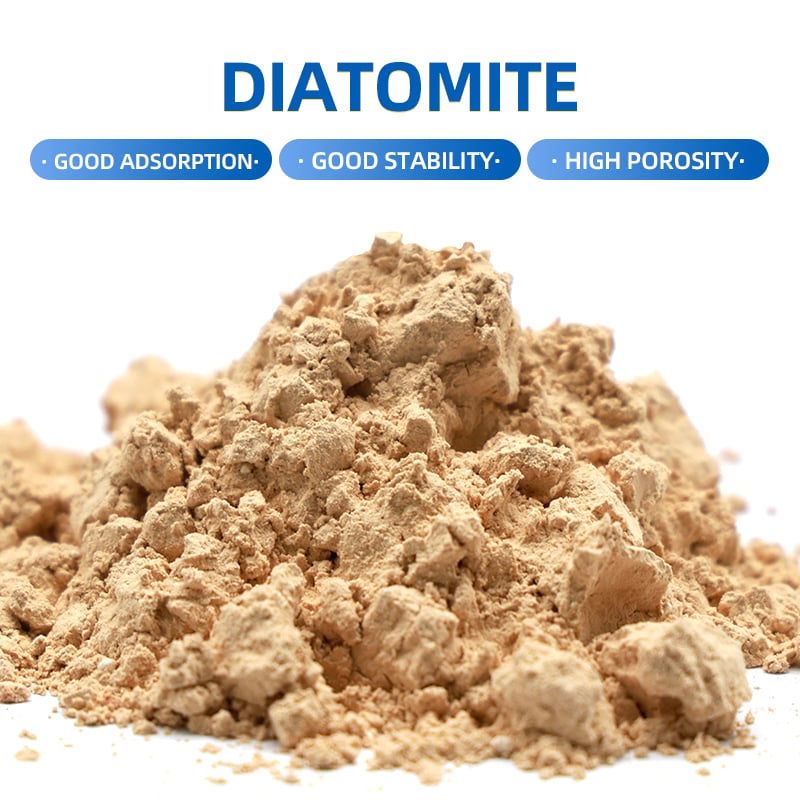
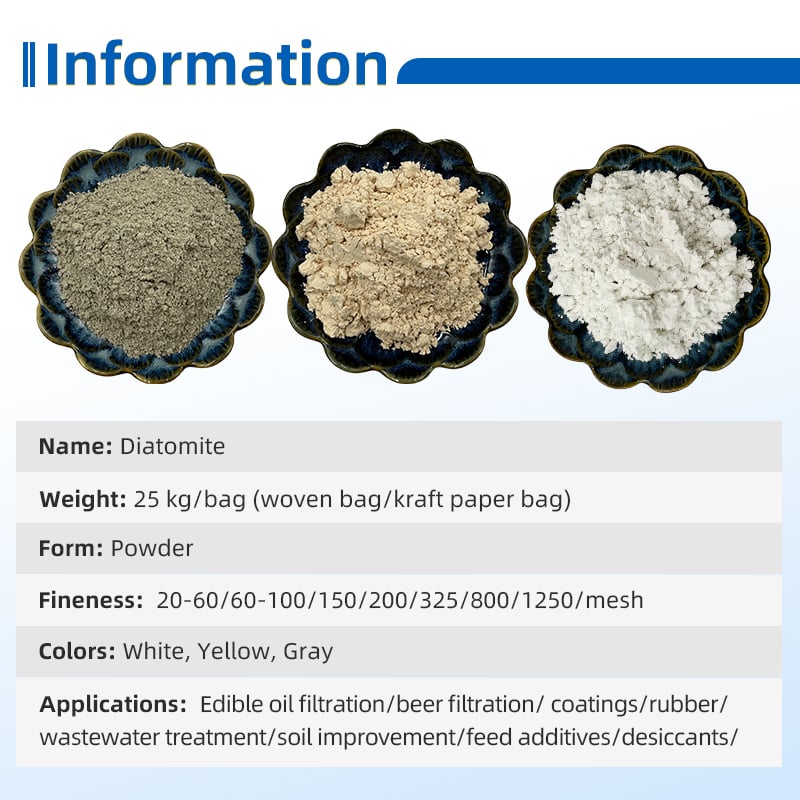
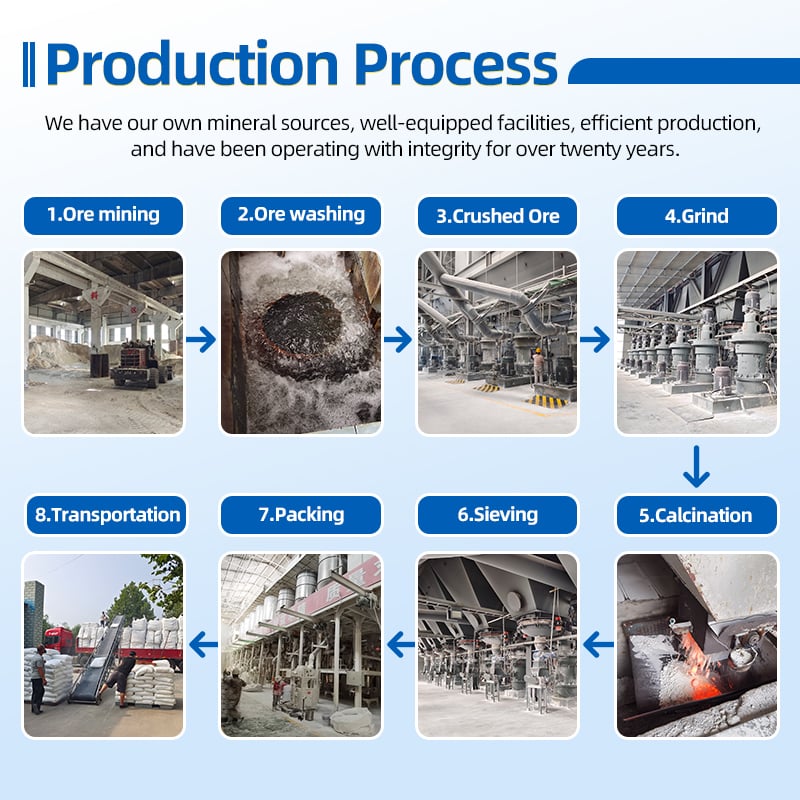
The core advantage of diatomite lies in its ultra‑high natural porosity and stable physical and chemical properties. Formed from siliceous diatom frustules, it features a unique honeycomb microporous structure, with a porosity as high as 90% and an ultra‑large specific surface area. It is mainly composed of amorphous silica, with excellent characteristics including low density, high chemical stability, strong adsorption, good air permeability, thermal insulation, sound absorption and non‑toxicity. Its production adopts physical processing such as crushing, roasting, purification and classification, with no harmful chemical additions, low energy consumption and zero pollution. The reusable, eco‑friendly and long‑lasting properties make it a typical green mineral material, fully aligned with global “dual carbon” goals and circular economy principles.
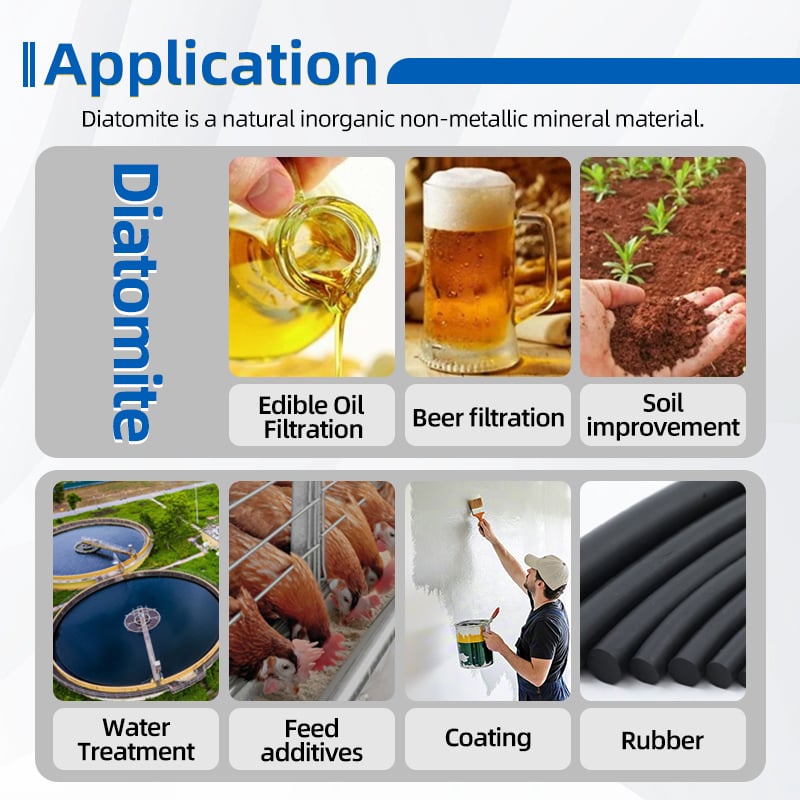
With its strong multi‑scenario adaptability, diatomite provides safe, efficient and eco‑friendly solutions for diversified industries:
Currently, the diatomite industry is entering a golden period of high‑quality development driven by technological innovation and rising green demand. With breakthroughs in high‑purity purification, surface modification, precision classification and functional composite technologies, diatomite products have evolved from general fillers to customized functional materials, meeting high‑end industrial demands. Intelligent production lines including automatic purification, online detection and precise grading have increased processing efficiency by more than 35%, lowered product batch variation to below 2%, and greatly improved stability and consistency. As one of the world’s major diatomite producers, China has rich proven reserves and a complete industrial chain covering mining, purification, deep processing and global export. High‑value‑added products such as food‑grade filter aids, high‑purity functional fillers and eco‑friendly building materials are rapidly replacing low‑end products, pushing the industry toward high‑end, green and intelligent upgrading.
Under the global trend of green consumption, healthy living and industrial low‑carbon transformation, the strategic value of diatomite continues to rise. It perfectly matches the development goals of environmental protection, health, energy conservation and high‑efficiency resource utilization, providing solid material support for industrial upgrading in many countries. It is estimated that by 2030, the global diatomite market will exceed 3.2 billion US dollars, and the Chinese market will surpass 4.8 billion yuan, with high‑value‑added products accounting for more than 50%.
From a traditional industrial filler to a health guardian, environmental purifier, agricultural helper and high‑performance functional material, diatomite is breaking application boundaries and proving that natural minerals can drive both industrial development and green sustainable growth. It is no longer a niche material, but a key functional pillar for building a low‑carbon, healthy and diversified modern industrial system, helping the world move toward a more eco‑friendly, high‑quality and sustainable future.