 ×
×
Pigments are indispensable functional additives in the global coatings industry, serving not only as colorants but also as key components that boost durability, weather resistance, and surface protection. From architectural paints and industrial coatings to decorative finishes and protective coatings, high-quality pigments determine the appearance, longevity, and performance of coated surfaces. This article explores the core applications, benefits, and best practices of using pigments in coating formulations.
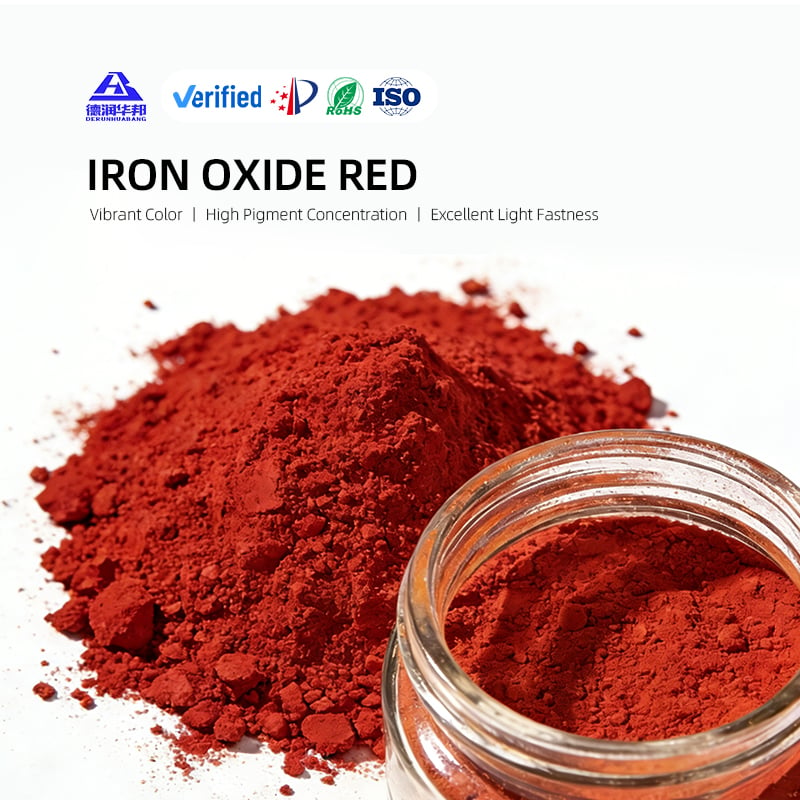
In architectural coatings, pigments deliver consistent, vibrant color for interior and exterior walls, ceilings, and facades. Inorganic pigments such as titanium dioxide, iron oxide, and carbon black offer excellent hiding power, UV resistance, and color stability, preventing fading, chalking, or discoloration even under prolonged sunlight exposure. Organic pigments provide brighter, more customizable shades for decorative coatings, supporting diverse design styles in residential and commercial buildings. Properly dispersed pigments ensure smooth application, uniform coverage, and a clean, attractive finish.
For industrial and protective coatings, pigments play a critical role in corrosion resistance and substrate protection. Anti-corrosive pigments such as phosphate and zinc-based compounds form a protective barrier on metal surfaces, inhibiting rust and oxidation in steel structures, machinery, automotive parts, and marine equipment. These pigments extend service life, reduce maintenance costs, and maintain structural integrity in harsh environments. High-temperature pigments also withstand extreme heat, making them ideal for engines, pipelines, and industrial equipment coatings.
In decorative and functional coatings, pigments improve scratch resistance, chemical stability, and surface hardness. When evenly mixed into water-based or solvent-based coating systems, they enhance film integrity, resist stains, and simplify cleaning. Special-effect pigments—including metallic, pearlescent, and fluorescent pigments—create premium visual effects for automotive coatings, furniture finishes, and electronic appliance surfaces, adding market competitiveness to end products.
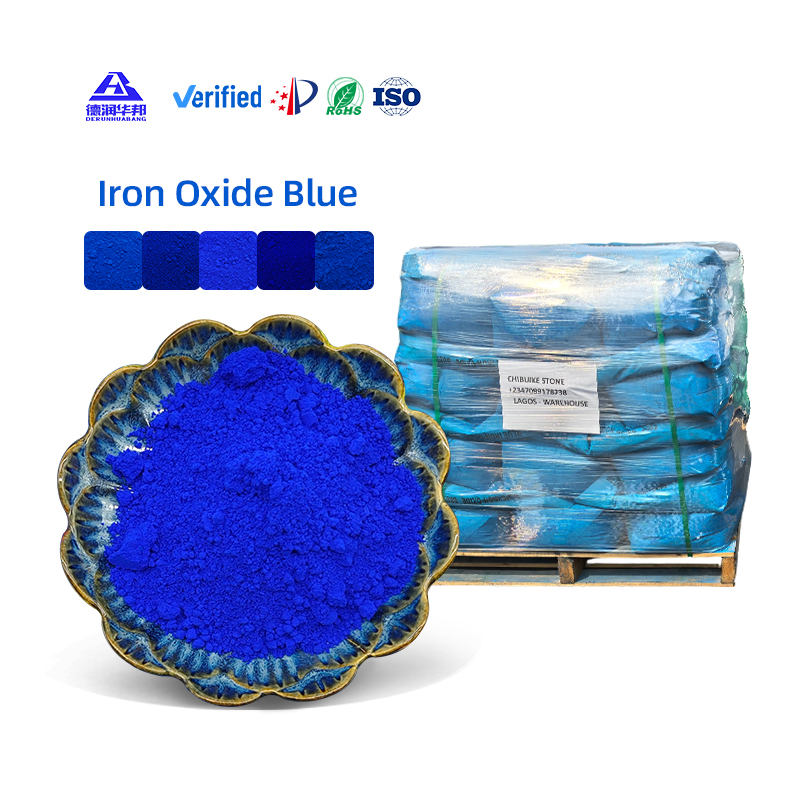
To achieve optimal results, pigments must be properly dispersed during coating production. Manufacturers use grinding and dispersing equipment to break up agglomerates, ensuring uniform particle distribution. During on-site application, pigments are blended with base resins, binders, and additives according to specified ratios, with consistent stirring to avoid color streaks or sedimentation. Choosing the right pigment type based on coating purpose—interior, exterior, anti-corrosive, or decorative—guarantees color retention and long-term performance.
Industry analysts emphasize that eco-friendly, low-VOC, and high-stability pigments are driving innovation in the coatings sector. As demand for sustainable, high-performance surface solutions rises, advanced pigments will continue to support durable, attractive, and environmentally responsible coating applications across construction, automotive, manufacturing, and marine industries.


