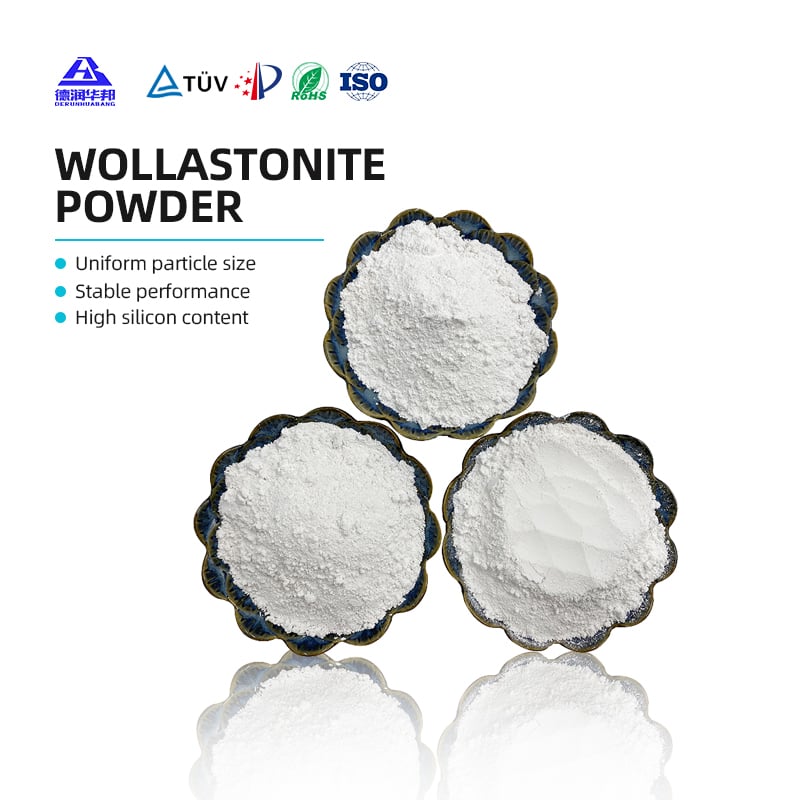
Wollastonite powder, a natural single-chain silicate mineral with a unique acicular structure, high whiteness, and excellent chemical stability, has emerged as a vital eco-friendly functional filler across global industries. Valued for enhancing mechanical strength, thermal stability, and dimensional stability while reducing production costs, it is widely adopted in ceramics, plastics, paints, construction, and metallurgy sectors. As demand for sustainable and high-performance materials surges, the wollastonite powder market is poised for robust growth through the next decade.
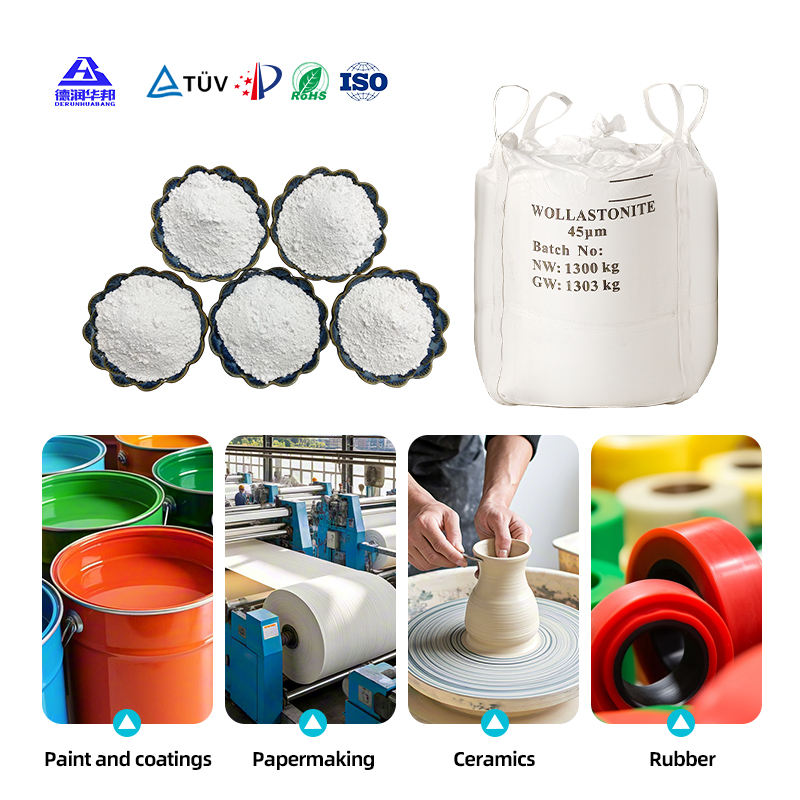
The ceramics industry stands as the largest consumer, accounting for over 50% of global demand. In ceramic production, wollastonite acts as a flux, lowering firing temperatures by 50–100°C, shortening firing cycles, and reducing product defects like cracking. It improves ceramic strength, whiteness, and density, making it ideal for tableware, sanitaryware, and electrical ceramics. The construction sector follows closely, where wollastonite powder enhances concrete workability, strength, and impermeability, while reducing shrinkage in plaster and cement products. The shift toward green building materials further boosts its adoption, as it is non-toxic, durable, and aligns with global sustainability goals.
In plastics and polymers, wollastonite serves as a high-performance reinforcing filler, replacing talc, mica, and asbestos. It significantly improves tensile strength, flexural modulus, and heat resistance in PP, PE, ABS, and PVC products, while enhancing surface gloss and reducing warping. The automotive industry increasingly uses wollastonite-filled composites for lightweight parts, driving demand amid global lightweighting trends. In paints and coatings, its high brightness and low oil absorption improve film durability, scratch resistance, and weatherability, reducing reliance on expensive pigments. Other key applications include metallurgical fluxes for steel continuous casting, rubber reinforcing agents, and environmental-friendly friction materials.
The global wollastonite powder market is on a strong growth trajectory. Valued at approximately USD 383.63 million in 2026, it is projected to exceed USD 854.25 million by 2035, growing at a CAGR of over 9.2%. Asia Pacific dominates the market with a 46.4% share, driven by China’s status as the world’s largest producer and exporter, supported by abundant high-grade reserves in Jilin, Jiangxi, and Liaoning. North America and Europe follow, with growing demand from infrastructure development, advanced ceramics, and sustainable manufacturing.
Key trends shaping the market include the rising demand for ultrafine (1250–3000 mesh) and surface-modified wollastonite for high-end applications, such as aerospace composites and biomedical materials. Stricter environmental regulations banning asbestos further accelerate its adoption as a safe alternative. Additionally, ongoing R&D into nano-wollastonite is unlocking new opportunities in energy storage, electronics, and environmental remediation.
In conclusion, wollastonite powder’s unique properties, diverse applications, and alignment with sustainability trends position it as a high-growth mineral product. With expanding end-use industries and technological advancements, the market will continue to thrive, offering significant opportunities for producers, manufacturers, and investors worldwide.