×
×
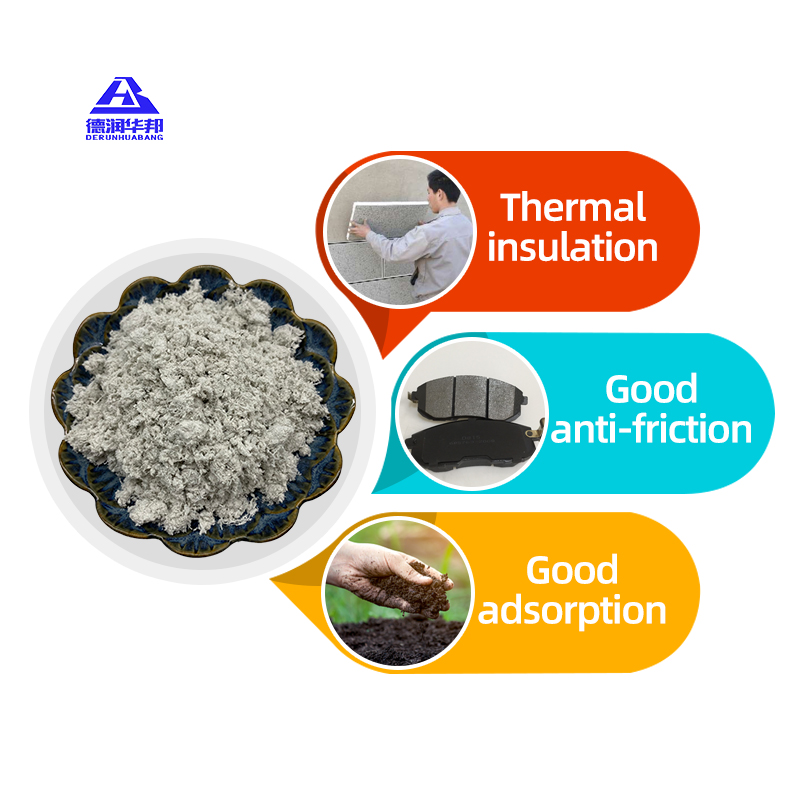
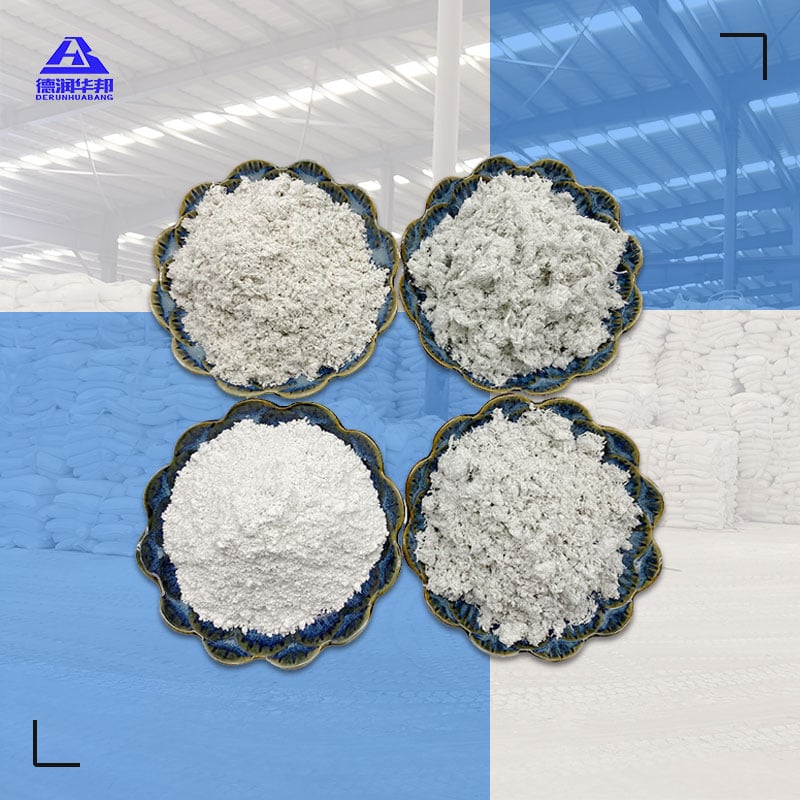
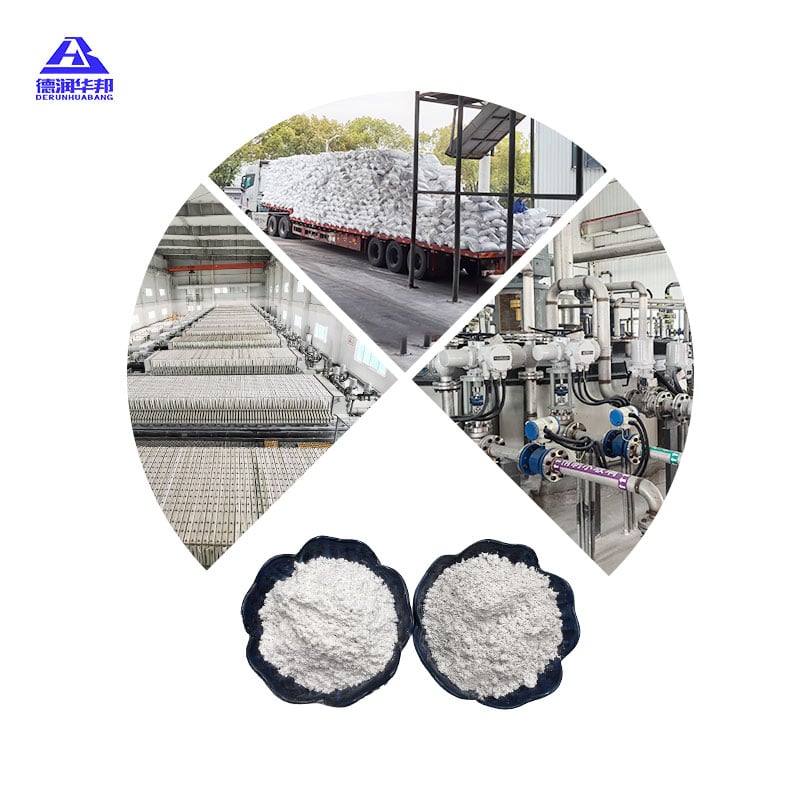
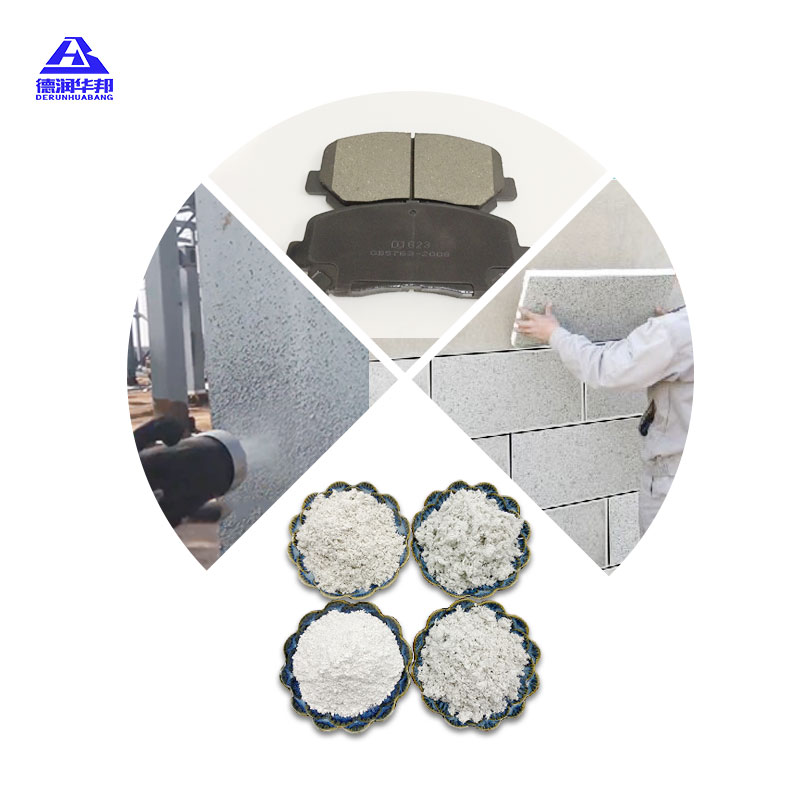
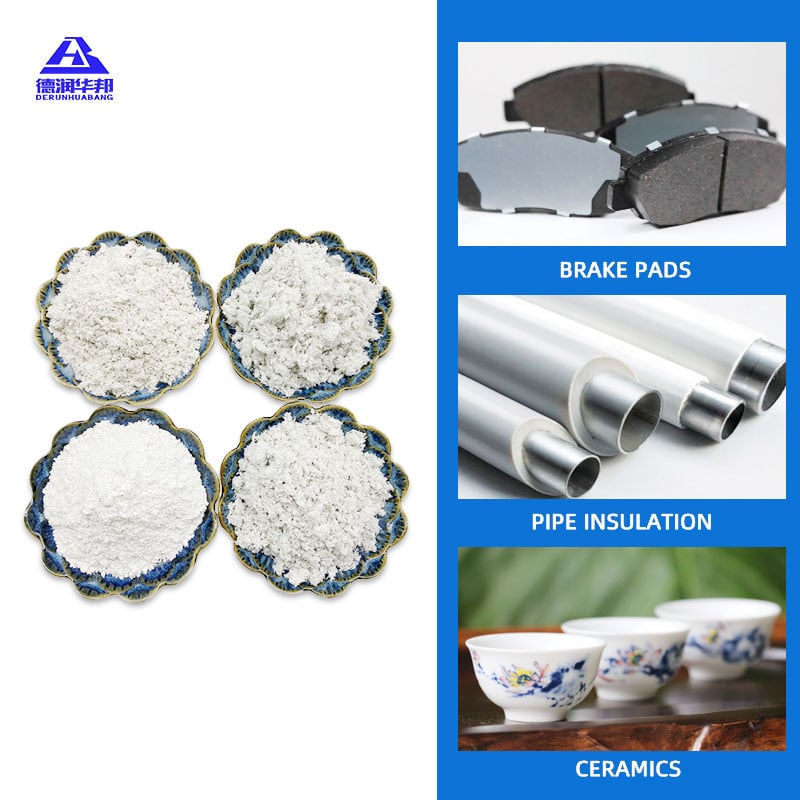
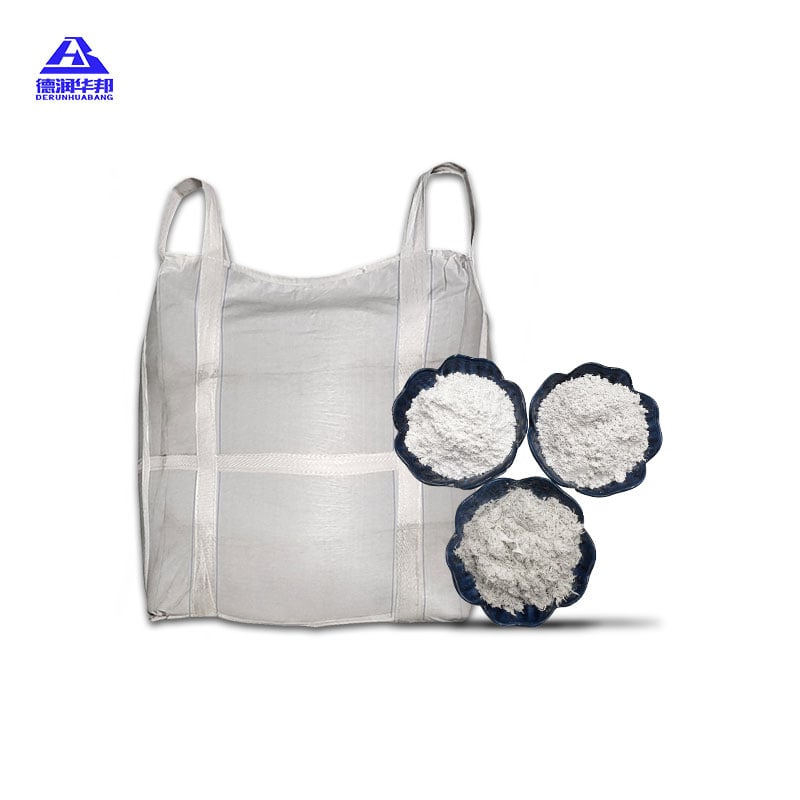
Composite mineral fiber, blending textile ceramic fiber with refractory-grade minerals, has become the material of choice for brake pad manufacturers and industrial gasket producers worldwide. This hybrid material delivers a rare combination of high friction stability, extreme heat resistance, and low wear — critical for automotive braking systems operating above 600°C.
The textile ceramic fiber component provides structural reinforcement and thermal shock resistance, while the mineral fiber matrix ensures consistent friction coefficients across varying temperatures. This makes composite mineral fiber ideal not only for brake pads but also for fireproof gasket fabrics and high-temperature sealing applications in furnaces, kilns, and exhaust systems.
Pricing varies significantly by grade. Standard composite mineral fiber for brake pads ranges from 4to12 per kg, while premium ceramic-enhanced grades used in aerospace or heavy industrial refractory applications can reach 25to40 per kg. Bulk orders above 500 kg typically receive 10–15% discounts.
As electric vehicles demand lighter braking solutions and stricter emissions regulations push industrial equipment toward better insulation, demand for composite mineral fiber continues rising. Manufacturers sourcing this material should prioritize suppliers offering certified thermal stability data and consistent fiber length distribution to ensure product reliability.