 ×
×

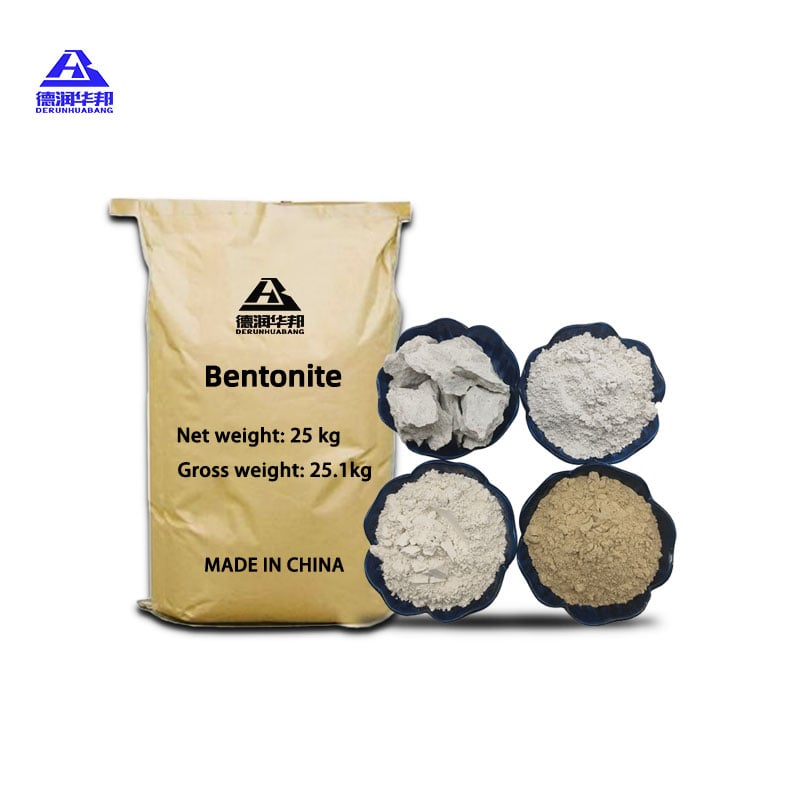
Bentonite, a naturally occurring clay mineral primarily composed of montmorillonite, has emerged as an indispensable industrial material due to its extraordinary physical and chemical properties. Formed from the alteration of volcanic ash in marine e...
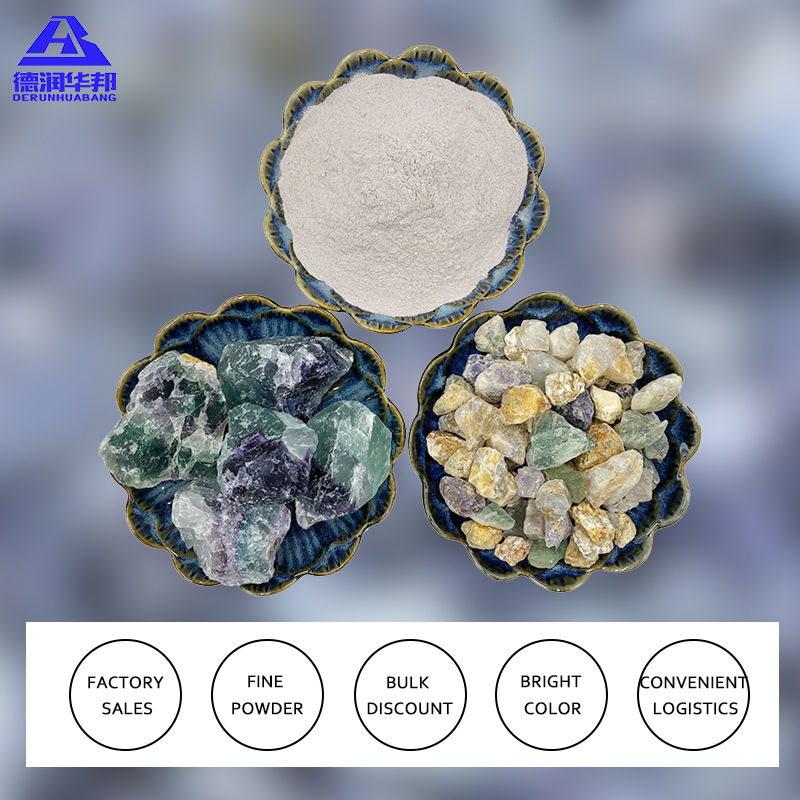
Fluorite, commercially known as fluorspar, is a vital industrial mineral composed primarily of calcium fluoride (CaF₂). Valued for its exceptional physical and chemical traits, it features Mohs hardness of 4, low melting point, excellent fluxing abil...
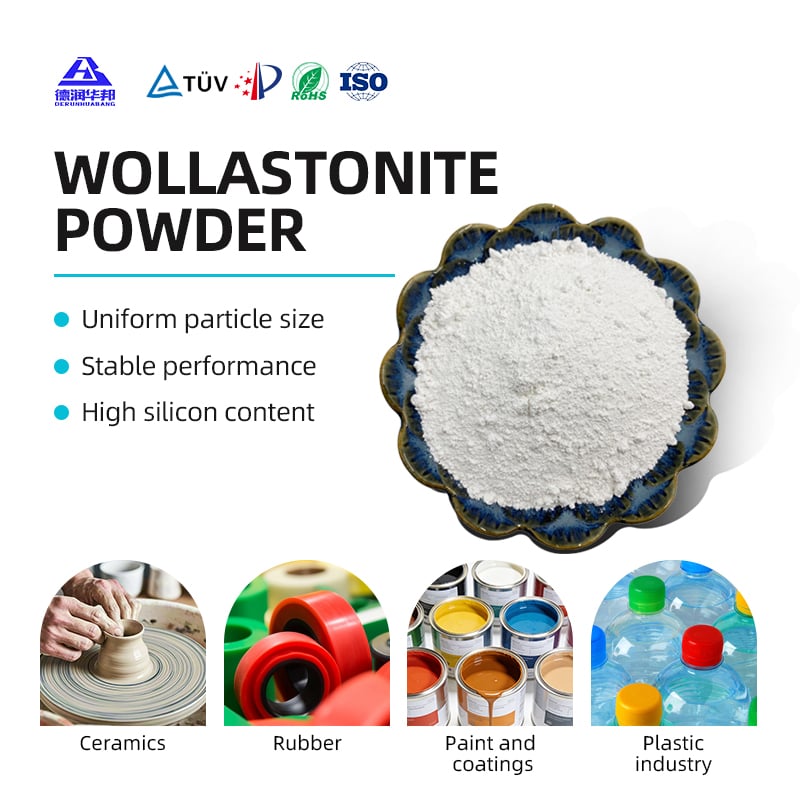
Wollastonite powder is an inorganic functional mineral powder with calcium metasilicate (CaSiO₃) as the main component, processed from natural wollastonite ore. As a high-cost-performance reinforcing filler widely used in construction, coatings, plas...
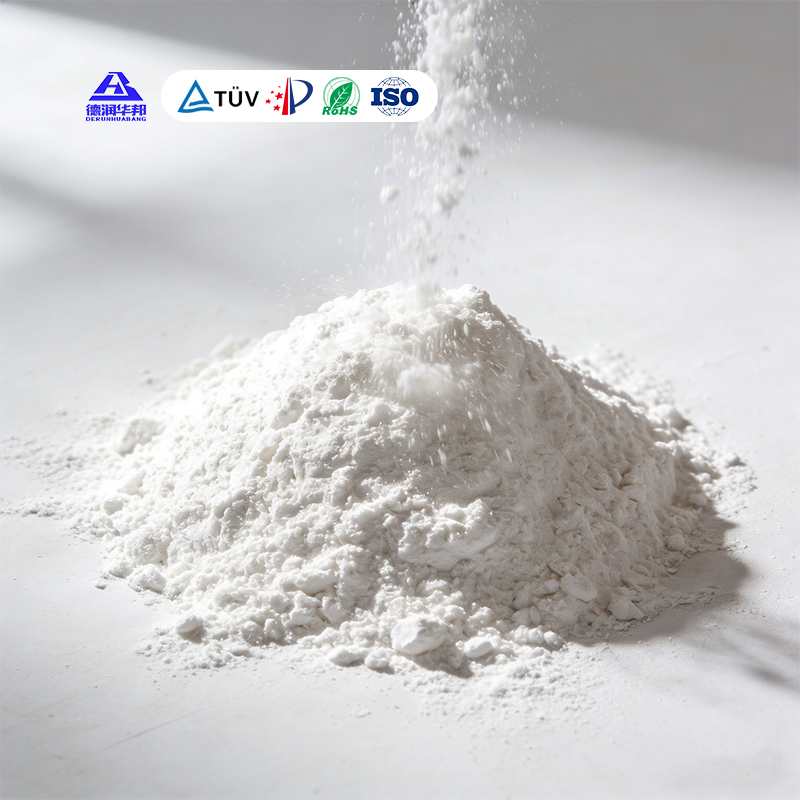
Our company have announced the successful development of a high-performance far-infrared powder, marking a significant leap forward in both wellness and industrial sectors. This innovative product, engineered through years of rigorous research, ...
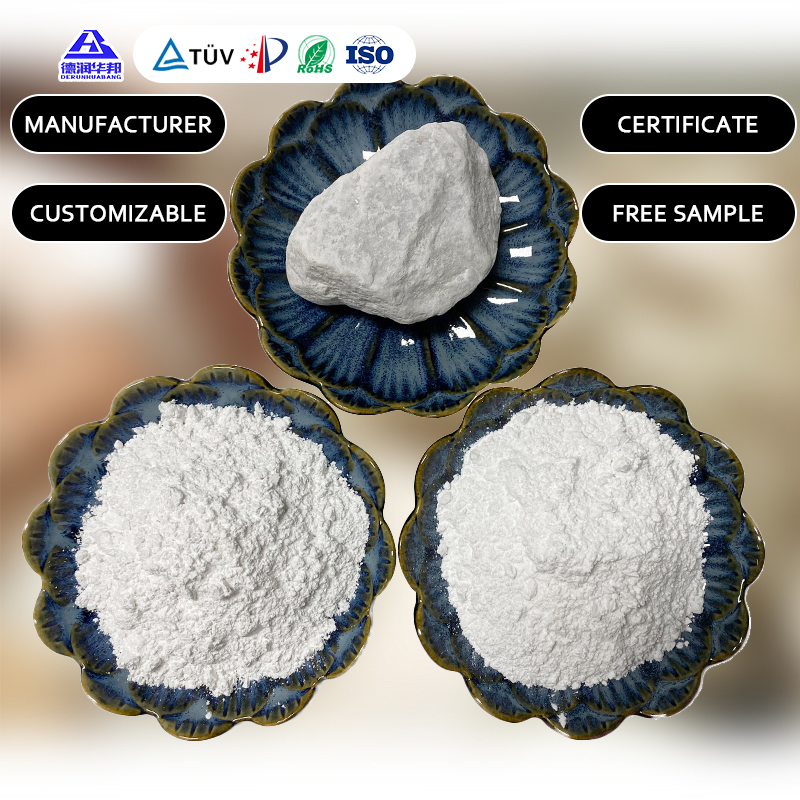
In the world of industrial minerals, Talcum Powder stands as one of the most versatile and essential functional fillers. As a magnesium silicate mineral, its unique combination of properties makes it a cornerstone for innovation in various manufactur...
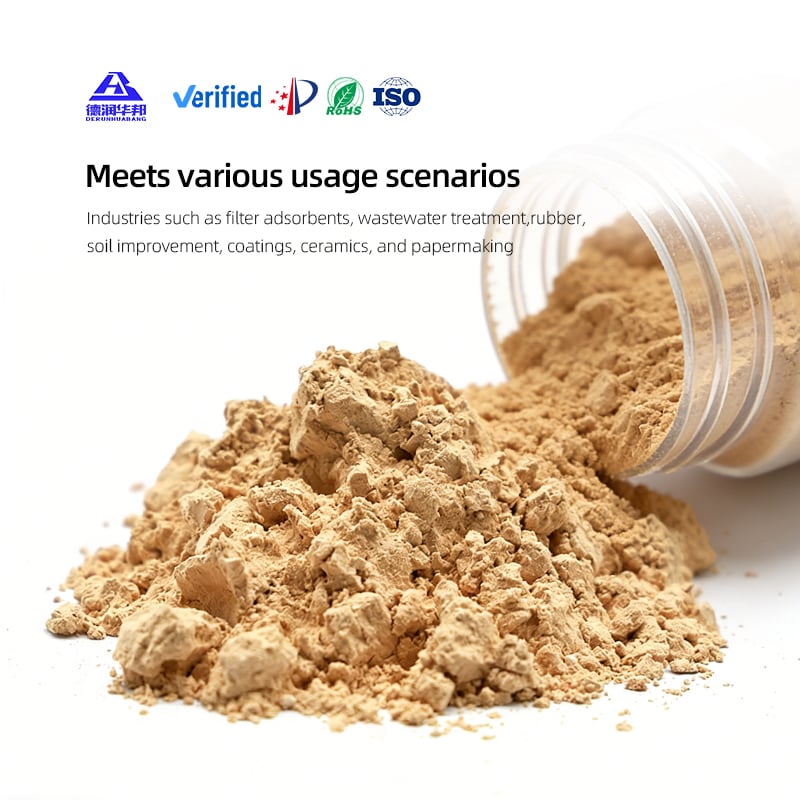
Diatomite is a natural porous siliceous rock formed by diatom remains over long periods. As the most widely used porous inorganic functional mineral globally, it is indispensable in building materials, coatings, filtration, environmental protection a...
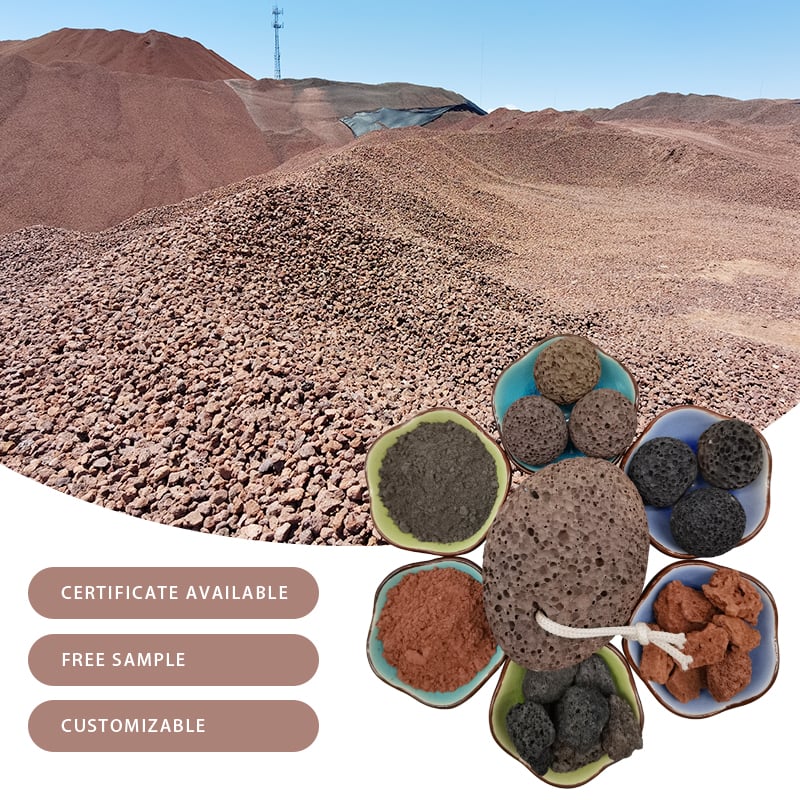
Unlocking Nature's Hidden Potential Volcanic rock, formed from the cooling and solidification of lava, has long been valued for its unique physical and chemical properties. Recent technological breakthroughs in processing and modification have unlock...
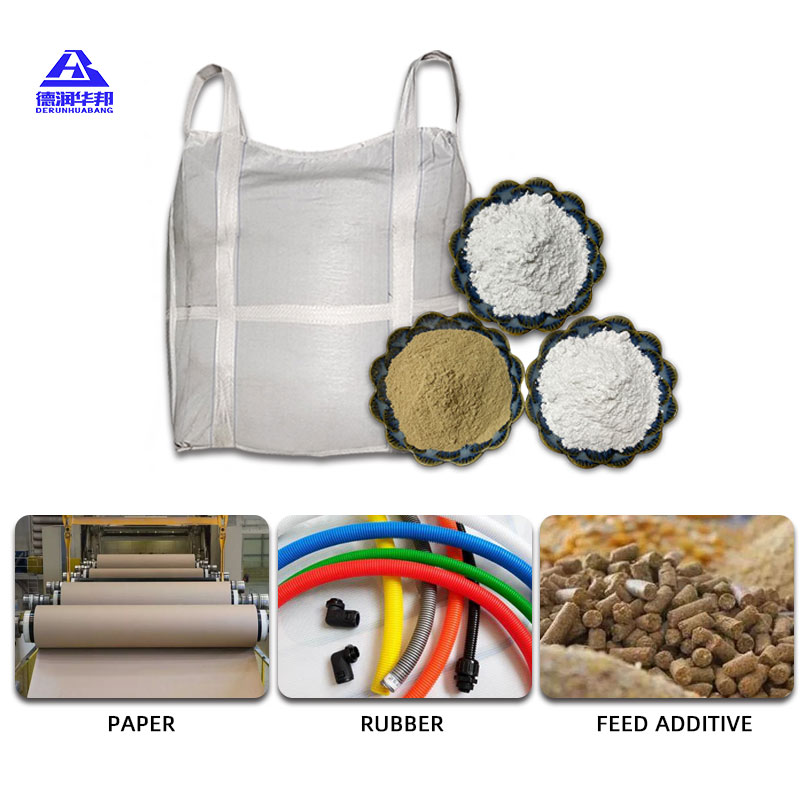
Bentonite is an indispensable clay material in oilfield drilling fluids, acting as a core additive to stabilize wellbores, suspend drill cuttings and control fluid loss. Among various types, sodium-based bentonite, calcium-based bentonite&...


