Corn Cob is agricultural byproduct left after corn kernels are separated from cobs, a material once casually discarded as farm residue but now widely recognized for inherent structural and physical qualities that perfectly suit diverse industrial needs. It is derived directly from global corn cultivation, with large quantities generated in corn processing factories across major growing regions—including vast North American plains, Eastern European farm clusters, and dense Southeast Asian crop zones. After kernels are stripped away, corn cobs are first collected and dried, either through natural sunlight exposure or low-temperature drying equipment to remove excess moisture and prevent mildew. Dry corn cob boasts unique honeycomb-like structure composed of tough lignocellulosic fibers, forming countless interconnected hollow pores that create surprisingly large surface area relative to its lightweight nature. This natural, ready-to-process structure requires only simple follow-up steps—such as grinding into fine, medium or coarse particles based on specific needs—to adapt to various industrial roles, avoiding the energy-consuming and complex manufacturing procedures needed for synthetic materials.
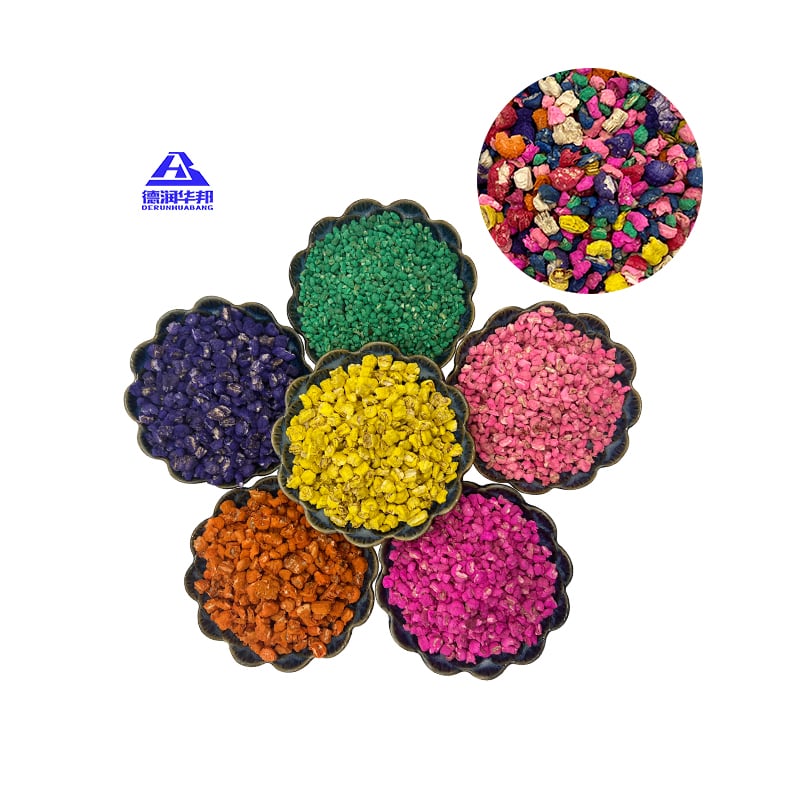
Key traits of corn cob that drive its industrial value are deeply rooted in its natural structure, including porosity, high surface area, mechanical resilience, and stable lignocellulosic composition. Porosity stands out as most distinctive trait: the countless tiny channels crisscrossing corn cob can trap fine particles or retain liquids while smoothly permitting gas or fluid flow, a balance rarely seen in man-made materials. High surface area, a direct result of this porous structure, means even a small piece of corn cob can contact and bond with large amounts of other substances—an essential advantage for applications like catalyst carrying. Mechanical resilience ensures dried corn cob does not crumble easily under moderate pressure, maintaining its shape well in scenarios such as repeated friction in abrasives or long-term compression in packaging. Lignocellulosic fibers, the "skeleton" of corn cob, provide natural rigidity and excellent compatibility with different processing techniques, from simple crushing to precise pelletizing. These combined traits allow corn cob to seamlessly adapt to roles ranging from delicate precision polishing of electronic parts to heavy-duty casting support in foundries.
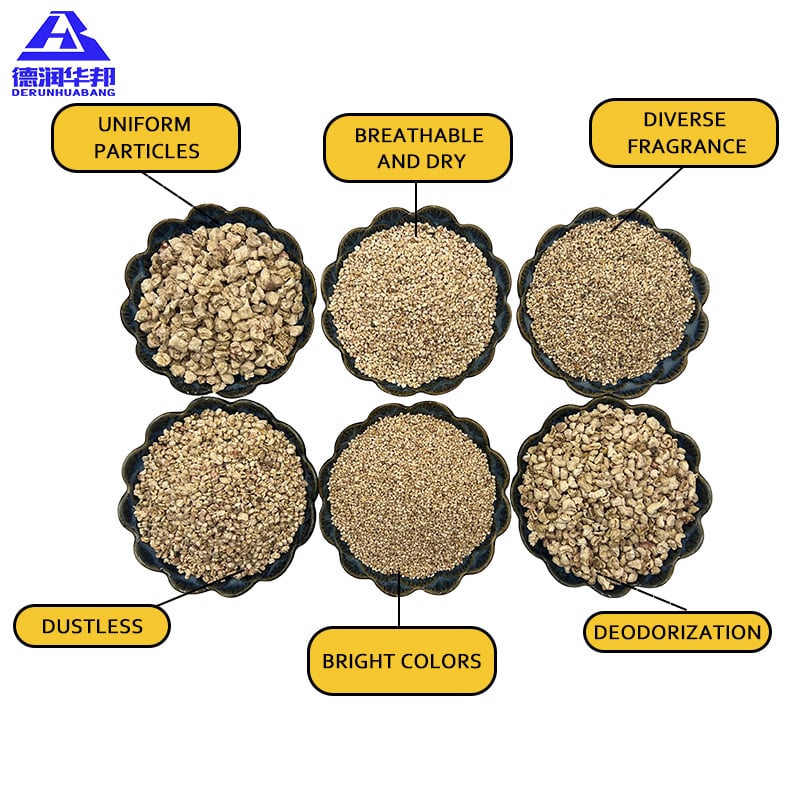
Abrasive applications fully utilize corn cob’s ideal combination of porous and rigid nature. In processing workshops, corn cobs are ground into particles of varying coarseness—fine particles for delicate surfaces, coarse ones for heavy-duty cleaning. As gentle abrasive, it excels in treating delicate surfaces like precision metal components, translucent plastic parts, and smooth glass products. Unlike synthetic abrasives with sharp edges that easily scratch or damage surfaces, corn cob particles have irregular but naturally smooth edges; when mixed with mild cleaning agents, they can effectively remove grime, rust tarnish, or excess coatings without leaving even tiny scratches on underlying materials. For example, in automotive parts manufacturing, workers use corn cob abrasive powder to polish aluminum alloy wheel hubs, achieving a smooth, mirror-like finish that enhances both appearance and assembly fit. It also serves as efficient cleaning agent for industrial tools: mechanics often use corn cob granules to clean small crevices in engine valves or gearboxes, dislodging oil and dirt deposits without leaving abrasive residues that could cause wear during subsequent operation.
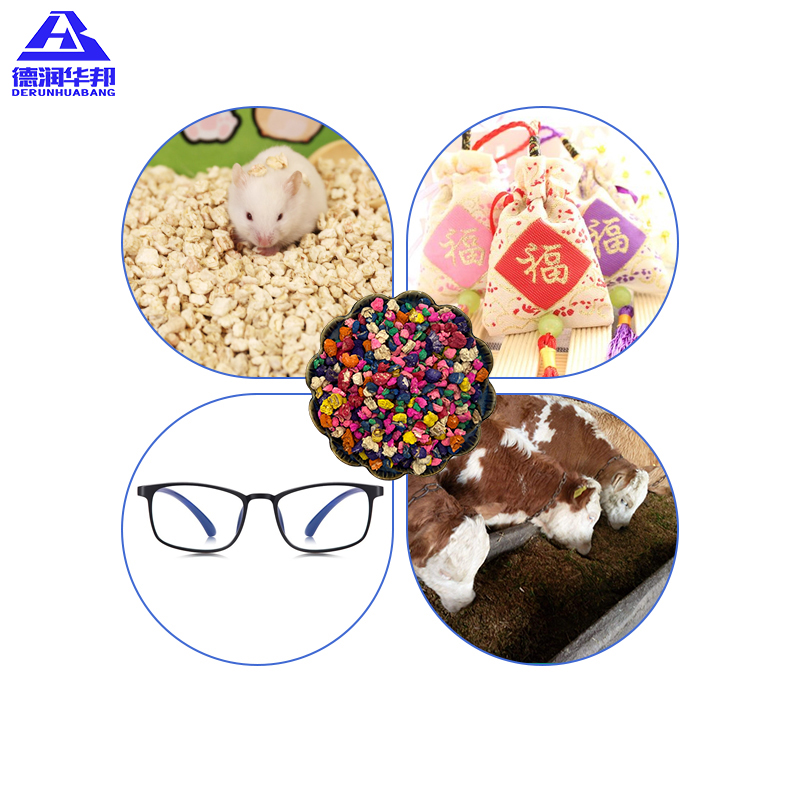
Catalyst carrier applications rely heavily on corn cob’s high surface area and stable structural integrity. To turn corn cob into qualified catalyst carriers, manufacturers first cut dried corn cobs into small sections, then subject them to low-temperature carbonization to enhance hardness while preserving internal pore structure. After that, they are pressed into uniform small pellets through molding equipment. These pellets provide stable, porous base for industrial catalysts in chemical processing. When in use, catalyst particles are evenly coated on inner and outer pore surfaces of corn cob pellets; the pellets’ rigid structure keeps catalysts fixed in place, while the interconnected pores allow reactant gases or fluids to flow through freely and make full contact with catalysts. This unique structure ensures even distribution of catalytic reactions, greatly enhancing efficiency in sectors like petrochemical cracking or polymer polymerization. Moreover, corn cob’s lignocellulosic composition forms strong chemical bonds with catalyst materials, preventing catalysts from detaching during long-term reaction processes and maintaining consistent performance stability.
Packaging and cushioning uses fully leverage corn cob’s lightweight and excellent shock-absorbing properties. In logistics warehouses, crushed or expanded corn cob is widely used as loose fill material for shipping fragile industrial items—including ceramic mechanical seals, glass pressure gauges, and electronic circuit board prototypes. Its porous structure acts like countless tiny springs: when packages are dropped or shaken during transit, the corn cob fill compresses slightly to absorb impact energy, effectively reducing damage to internal items from external forces. Unlike rigid foam alternatives that can only provide fixed-shape protection, corn cob fill is highly malleable, conforming closely to irregular shapes of packaged items—whether it’s a curved ceramic part or a multi-pin electronic component, the fill can wrap around every corner to provide full coverage. Additionally, it has strong anti-compaction ability: even after being stacked under heavy packages for a long time, it can quickly rebound to its original volume, retaining stable cushioning performance throughout the entire shipping process.
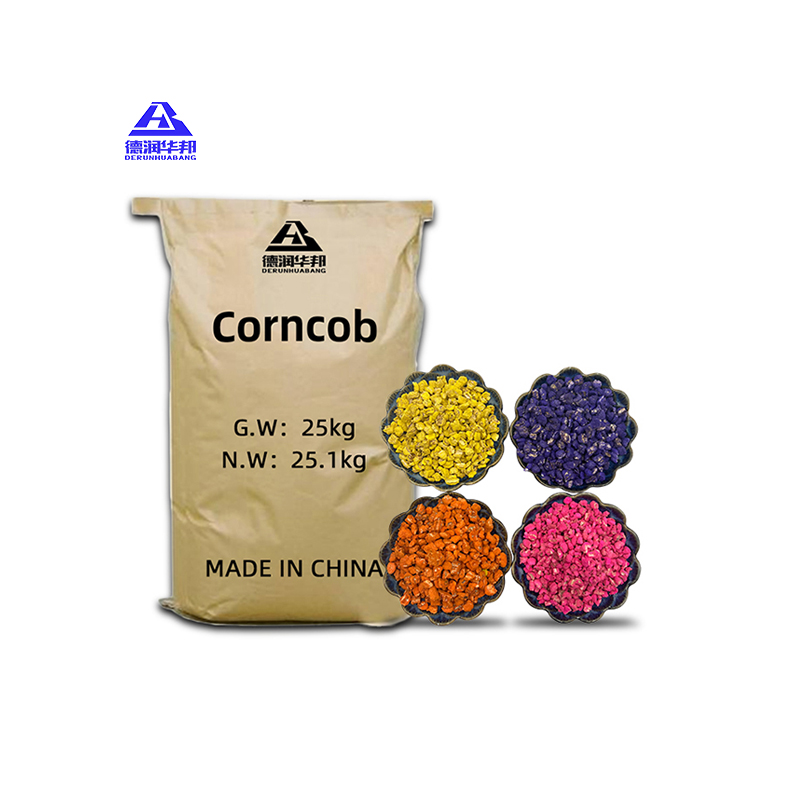
Horticultural support applications (excluding planting) make smart use of corn cob’s balanced drainage and moisture retention capabilities. In landscape engineering, crushed corn cob—processed into coarse, fist-sized fragments—serves as ideal drainage layer in large decorative planters, vertical green walls for commercial buildings, and ornamental hydroponic systems in shopping malls. When laid at the bottom of planters, these fragments form a drainage network that quickly channels excess irrigation water away from root zones of non-edible ornamental plants like ferns and succulents, preventing root rot caused by waterlogging. At the same time, the porous surface of corn cob fragments can adsorb small amounts of moisture, releasing it slowly when the growing medium dries out to maintain stable humidity conditions. In ornamental hydroponic setups, sterilized corn cob fragments also act as bedding material for decorative foliage: they provide stable support for root systems without compacting over time, and their natural texture creates gaps for air circulation, ensuring roots receive sufficient oxygen to support healthy plant growth in controlled environments.
Casting aids represent another important and widely used application for corn cob. In foundries, dried corn cobs are ground into ultra-fine powder through specialized mills, then mixed into sand molds used for metal casting in a specific proportion. During the casting process, molten metal pours into the sand mold, generating large amounts of gas as it comes into contact with the cool mold. Corn cob powder’s porous structure acts as "ventilation channel" within the sand mold, allowing these gases to escape quickly and smoothly, effectively preventing formation of air bubbles or pores in finished metal parts—defects that often lead to part failure under stress. Additionally, corn cob powder can improve overall permeability of the sand mold, ensuring molten metal flows evenly through every corner of the mold cavity, whether it’s intricate gears or large structural components, to create precise, uniform shapes. Most notably, corn cob powder decomposes cleanly at high temperatures during casting, leaving no residual contaminants or harmful substances on finished metal components, eliminating the need for additional cleaning steps and improving production efficiency.
In conclusion, corn cob has completed a remarkable transformation from overlooked agricultural residue to valuable industrial material, driven entirely by its inherent porosity, large surface area, mechanical resilience, and stable lignocellulosic traits. Its applications now span multiple key industrial sectors—from gentle abrasives in precision manufacturing to catalyst carriers in chemical production, from cushioning packaging in logistics to drainage layers in landscape engineering, and from casting aids in foundries to hydroponic bedding in ornamentals. Each application cleverly leverages unique properties of corn cob to enhance product performance or optimize production processes. What’s more, its consistent supply from global corn cultivation ensures reliable material sources for manufacturers, while simple processing steps—drying, grinding, and occasional pelletizing—keep production costs manageable. As industrial sectors continue to seek versatile, cost-effective alternative materials to replace synthetic options with complex manufacturing processes, corn cob’s natural qualities and strong adaptability position it as practical, high-performance choice across diverse uses.
 ×
×


