 ×
×
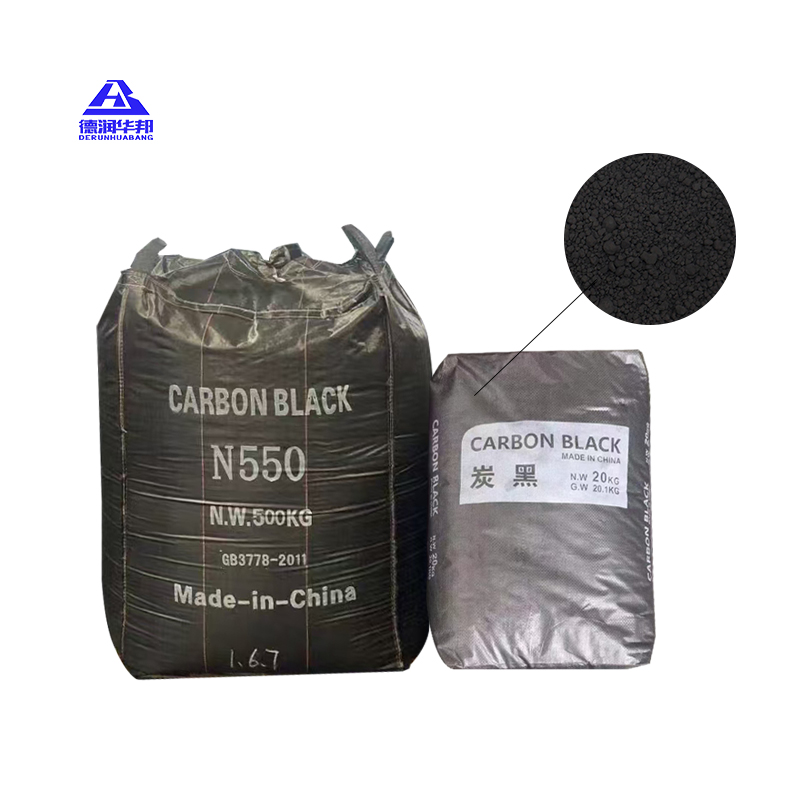
Carbon Black stands as cornerstone in global manufacturing, a material shaped by controlled incomplete combustion of organic feedstocks, resulting in fine particulate matter with unique physical and chemical traits that make it indispensable across ...
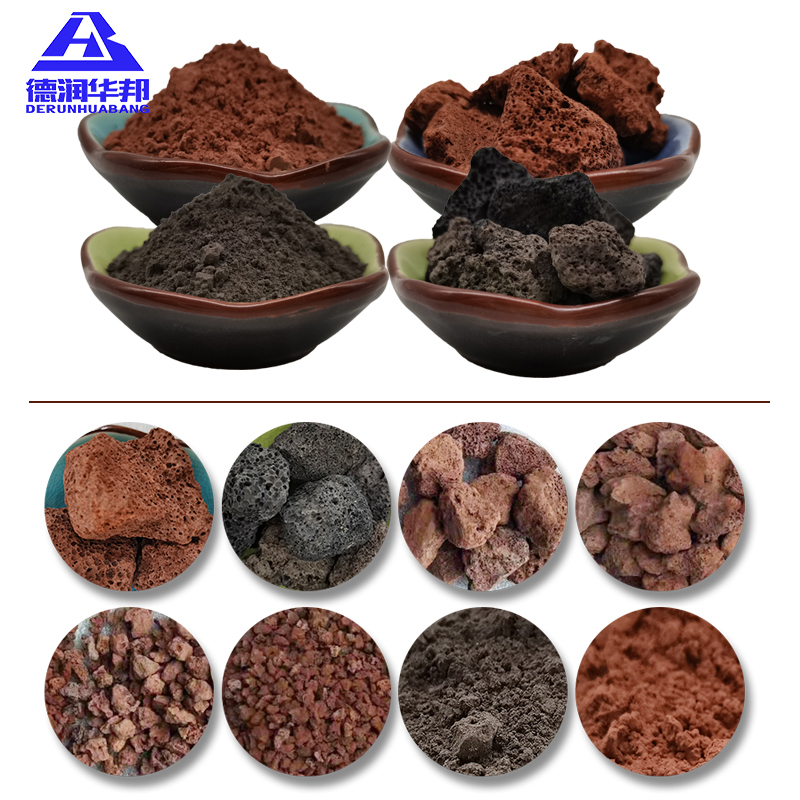
Volcanic stones emerge from most primal and powerful forces shaping Earth, forged in fiery depths and unleashed through magma eruptions that tear through crust, painting landscapes with evidence of planet’s dynamic core. These stones are not m...

Kaolin powder has firmly established itself as essential and widely used additive in rubber production, particularly for automotive, industrial and consumer rubber materials, due to its remarkable ability to reinforce elasticity and significantly en...
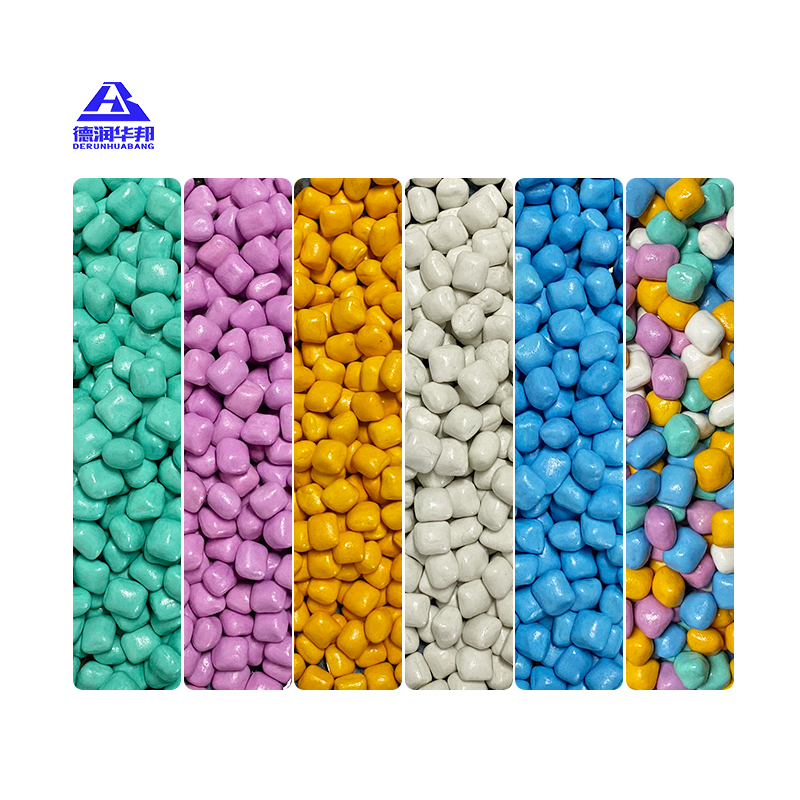
Porcelain particles have emerged as remarkable materials in modern industrial and commercial landscapes, gaining increasing attention for their unique combination of physical and chemical properties. Unlike conventional materials that often prioriti...
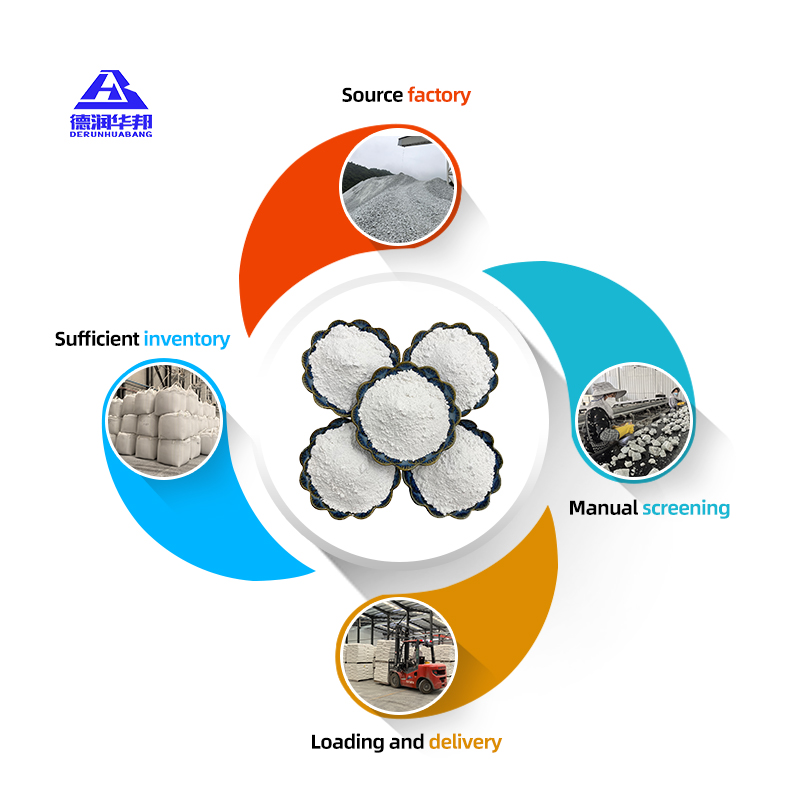
Wollastonite powder stands as a crucial additive in the expansive realm of rubber products, with its significance particularly pronounced in the intricate manufacturing processes of automotive seals and industrial gaskets. In the ever - evolving cont...
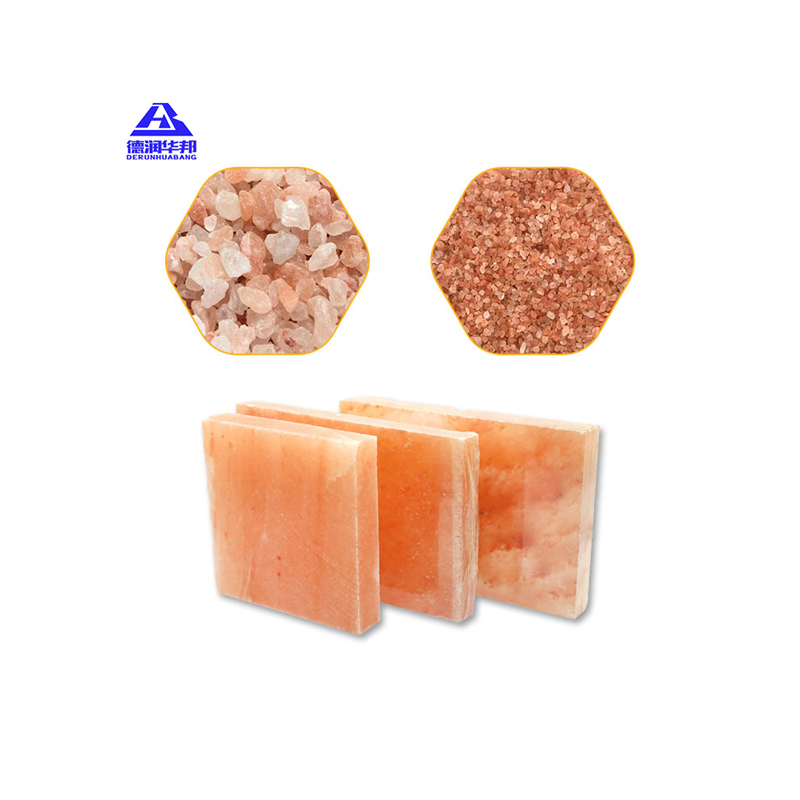
Salt Bricks play a vital role in residential community common area maintenance, specifically in gyms and lounge spaces, where improving air quality and maintaining a comfortable environment for residents are key to enhancing the community living expe...
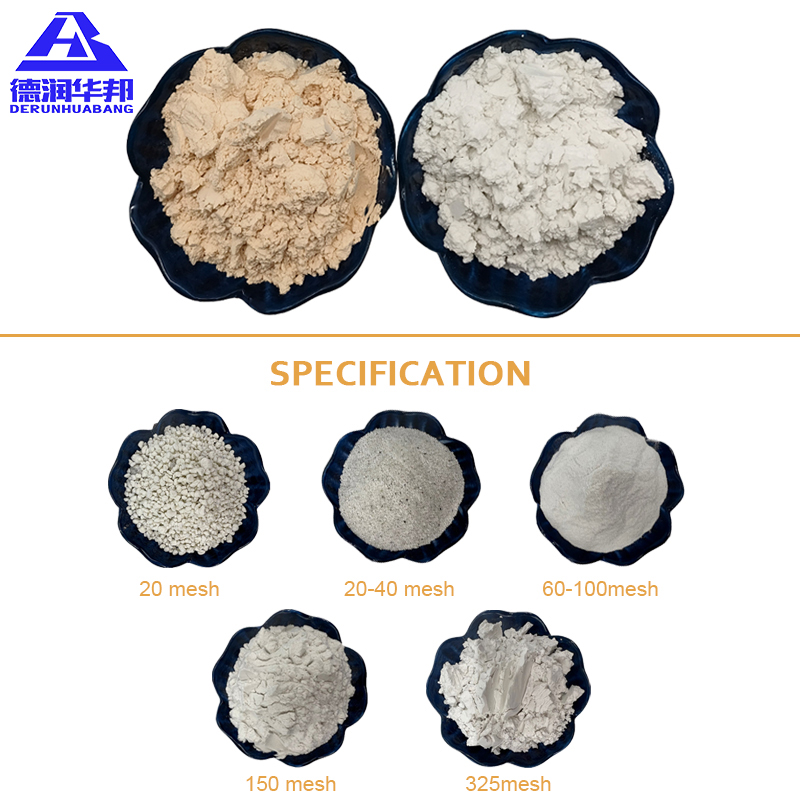
Diatomite powder, a remarkable natural substance, has its origins deeply rooted in the marine ecosystem. Emerging from the fossilized remains of microscopic algae known as diatoms, these single-celled organisms thrived in aquatic environments millio...
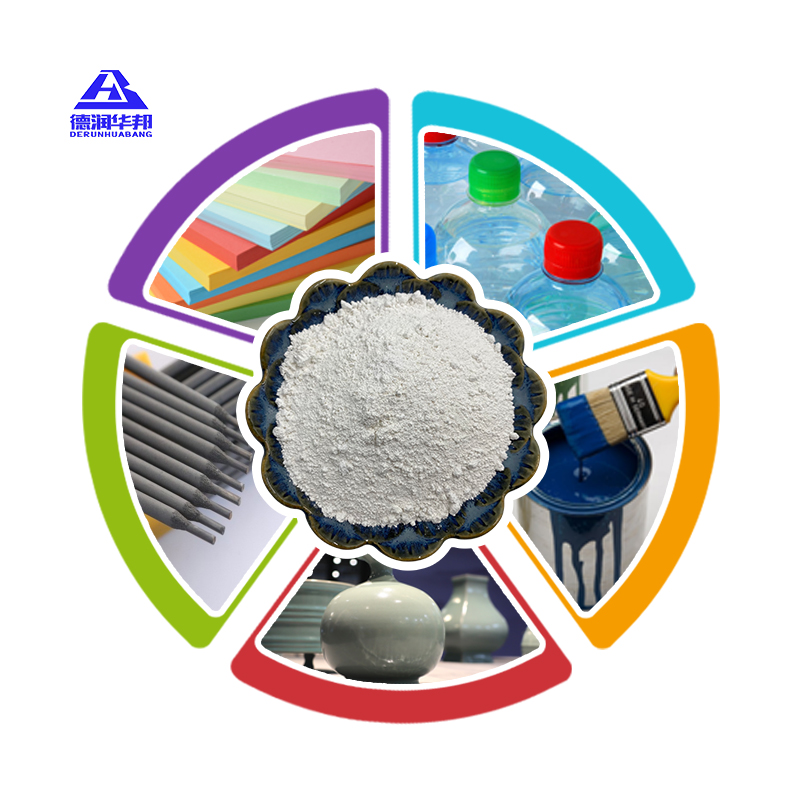
Wollastonite powder has emerged as a highly sought-after filler in the paper industry, where its distinctive properties play a pivotal role in elevating product quality and optimizing manufacturing processes. Derived from the naturally occurring calc...


