 ×
×
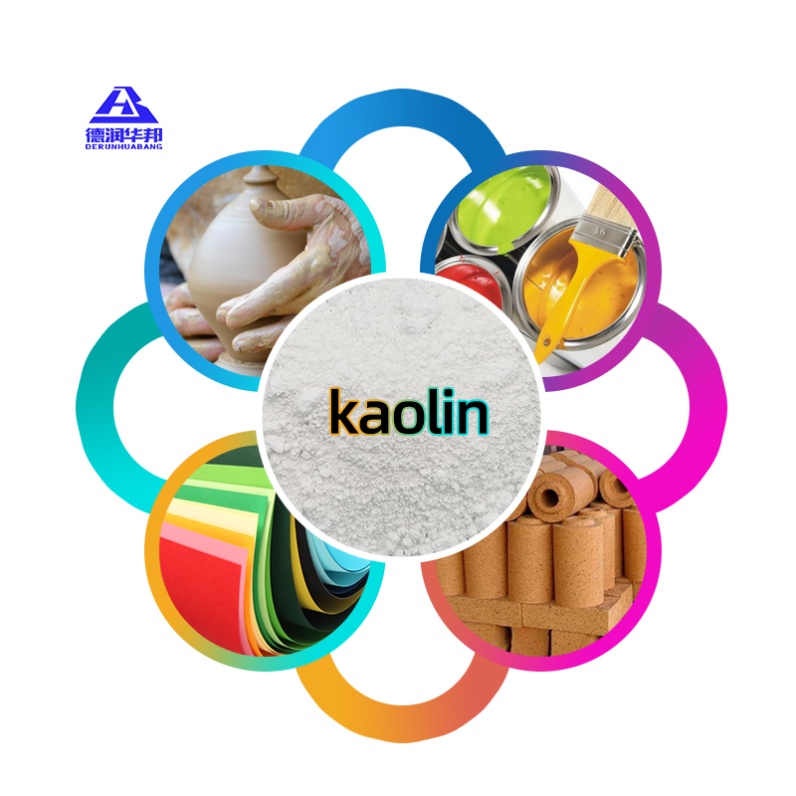
Glass Fiber Reinforced Plastics (FRP) have carved a niche in industries such as wind energy, marine, and construction, thanks to their exceptional strength-to-weight ratio and remarkable corrosion resistance. In the wind energy sector, FRP is the mat...
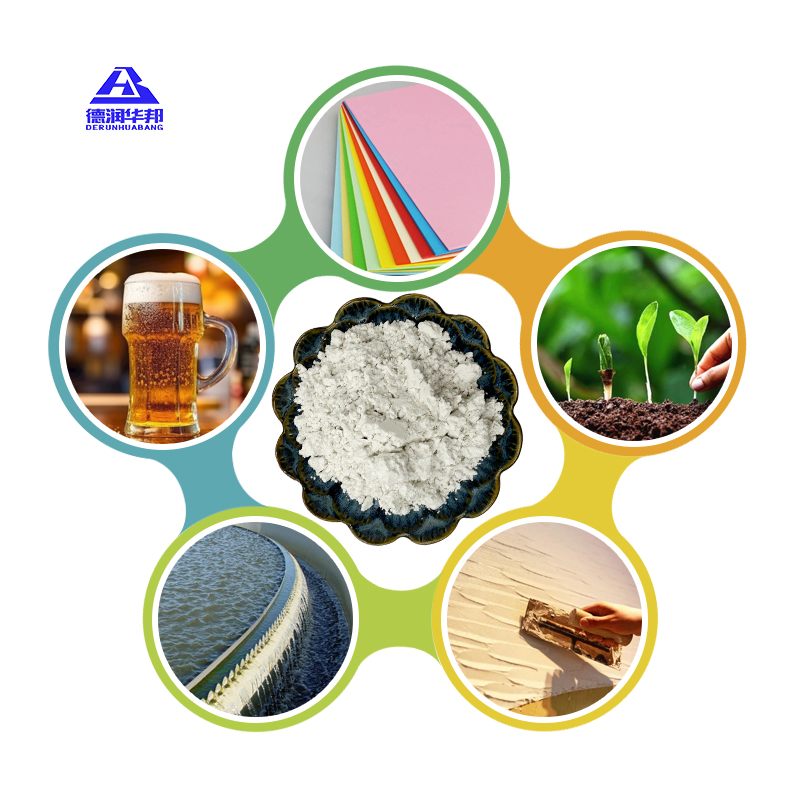
Refractory materials play a pivotal role in industrial furnaces, kilns, and incinerators, demanding outstanding high-temperature stability and thermal insulation capabilities. Diatomite powder, characterized by its high silica content (≥85%), low ...
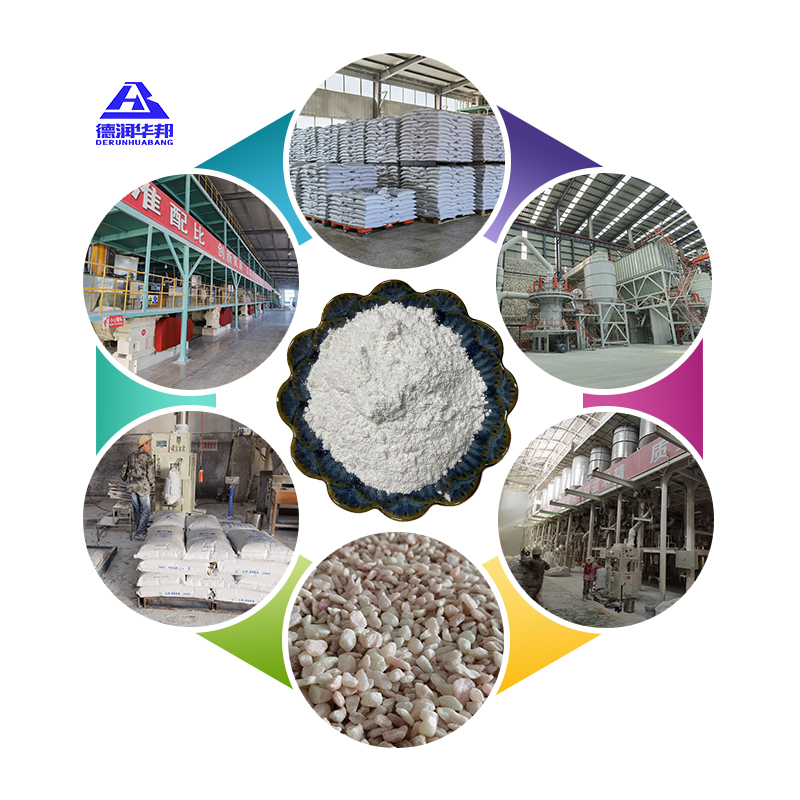
The rubber industry relies on additives that improve processing efficiency and product performance—and our company’s rubber processing talc powder is designed to deliver both. As a processing aid and reinforcing filler, it serves as a mul...
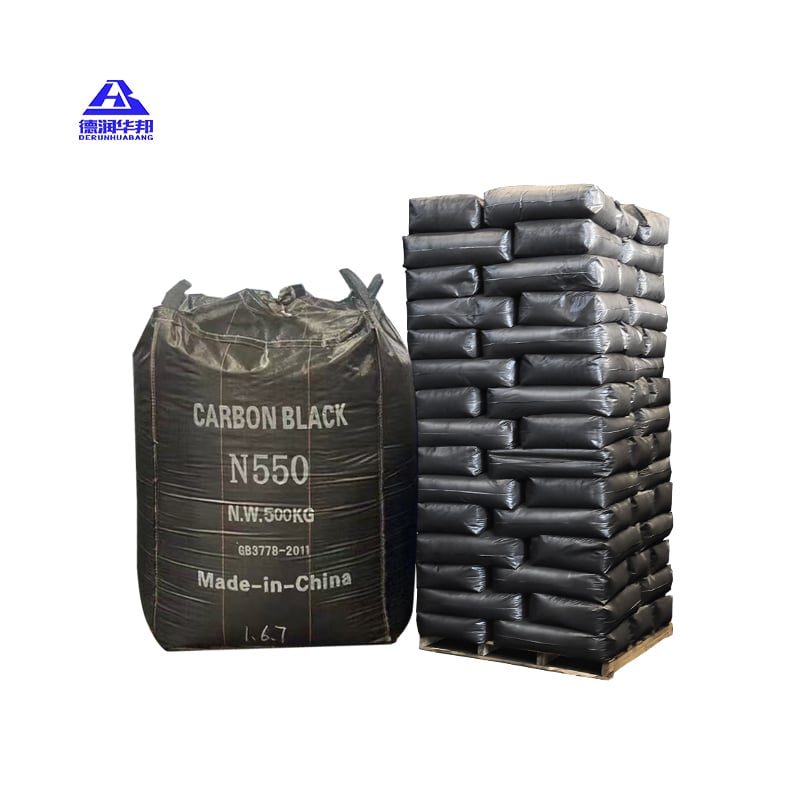
Industrial equipment manufacturers constantly seek materials to enhance component durability and performance. Among these, carbon black has emerged as a key additive, especially for applications requiring superior thermal management and mechanical st...
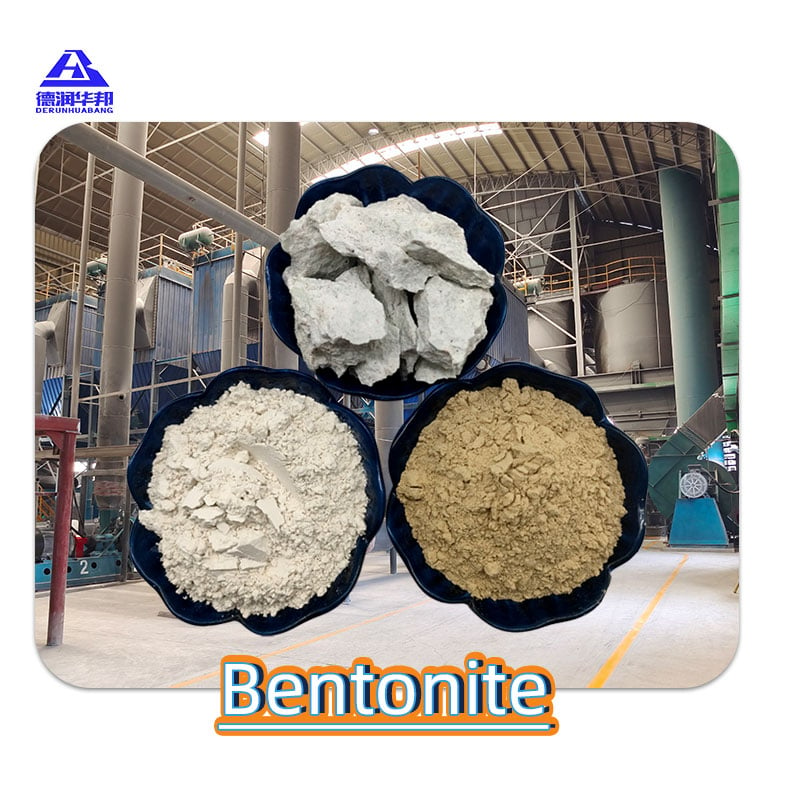
Sand casting is one of the most widely used processes in the manufacturing of automobile parts (engine blocks, cylinder heads), machinery parts (gears, valves), and pipe fittings, accounting for more than 70% of the total casting output. The quality ...
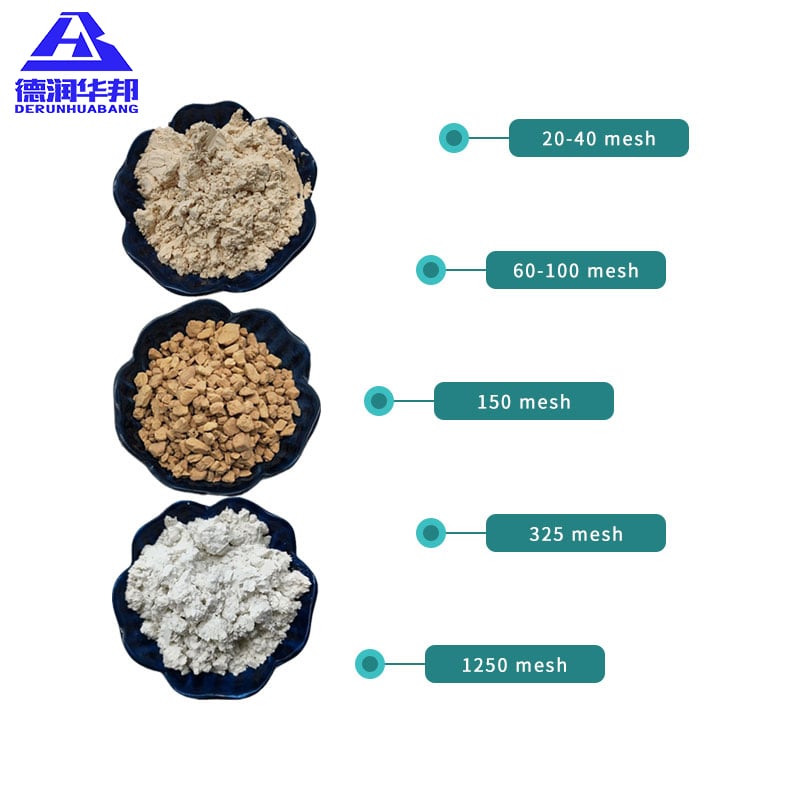
The cosmetic industry is currently undergoing a significant transformation, with an escalating demand for natural, safe, and functional ingredients. In this evolving landscape, cosmetic-grade diatomaceous earth powder (diatomite powder) has emerged ...
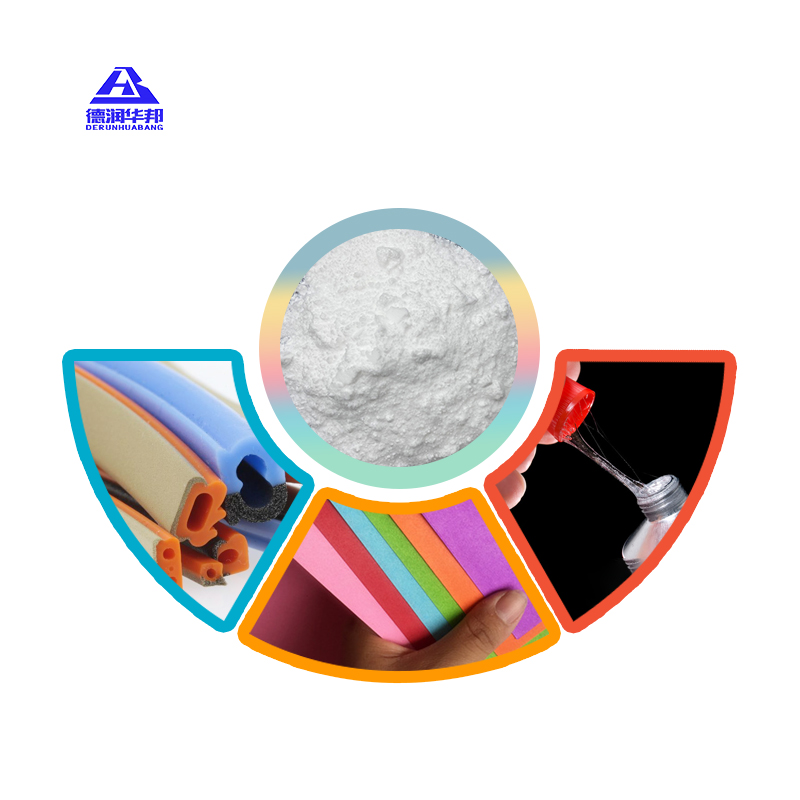
The personal care and cosmetic industry has strict requirements for product quality, safety, and sensory experience. Consumers are increasingly pursuing products with natural, non-irritating, and multi-functional properties. Silicon dioxide (silica/w...
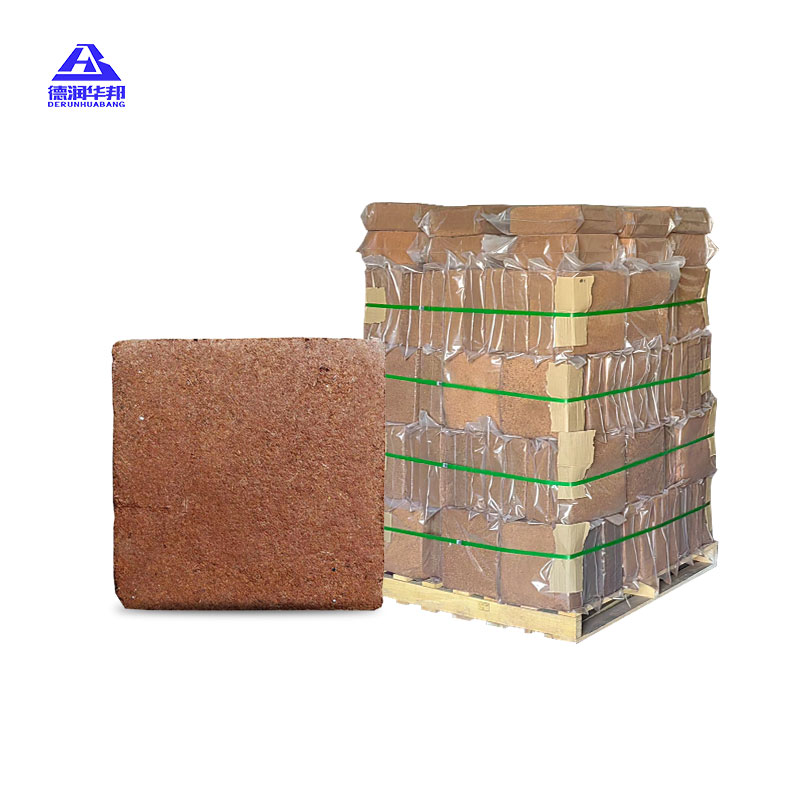
Seed starting and propagation are critical stages in plant growth, as the health of seedlings during this period directly affects their overall growth and survival. Using the right growing medium is essential for ensuring strong seedling development ...


