 ×
×
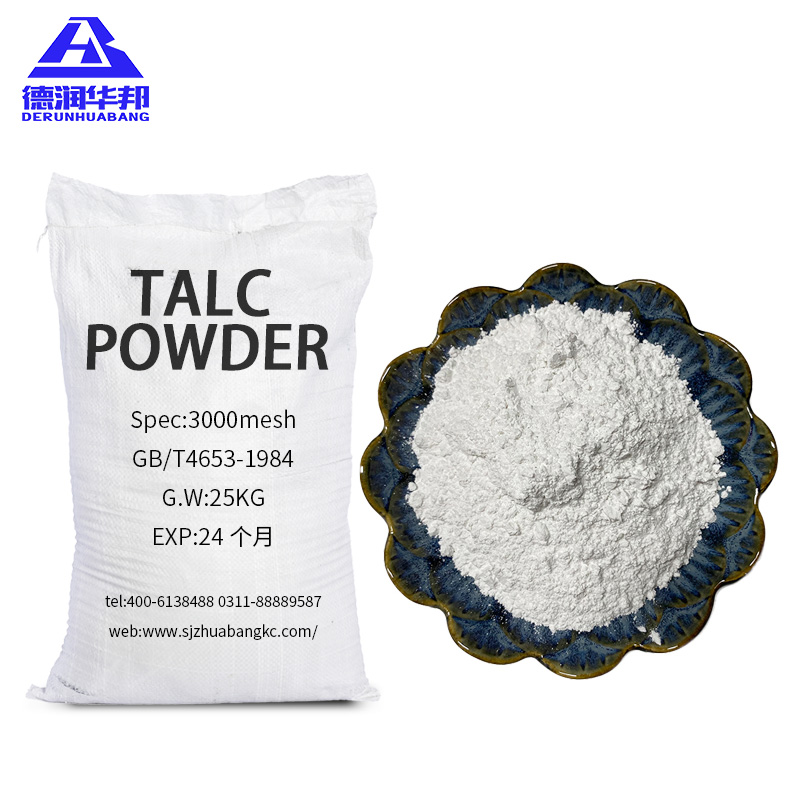
Talc powder, a naturally occurring mineral composed of hydrated magnesium silicate, has emerged as an indispensable ingredient in modern ink dispersion systems. Its unique physical and chemical properties make it a versatile additive that addresses m...
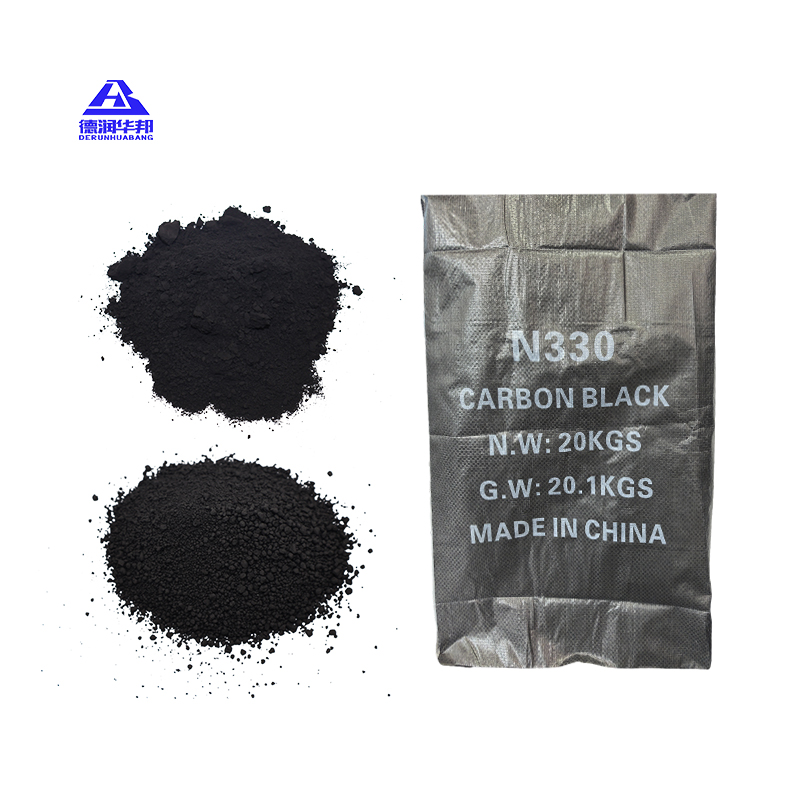
Carbon black from Hebei, China, has firmly established itself as a cornerstone in the global tire manufacturing industry. Renowned for its exceptional reinforcing capabilities, this engineered material is indispensable in enhancing the performance, d...
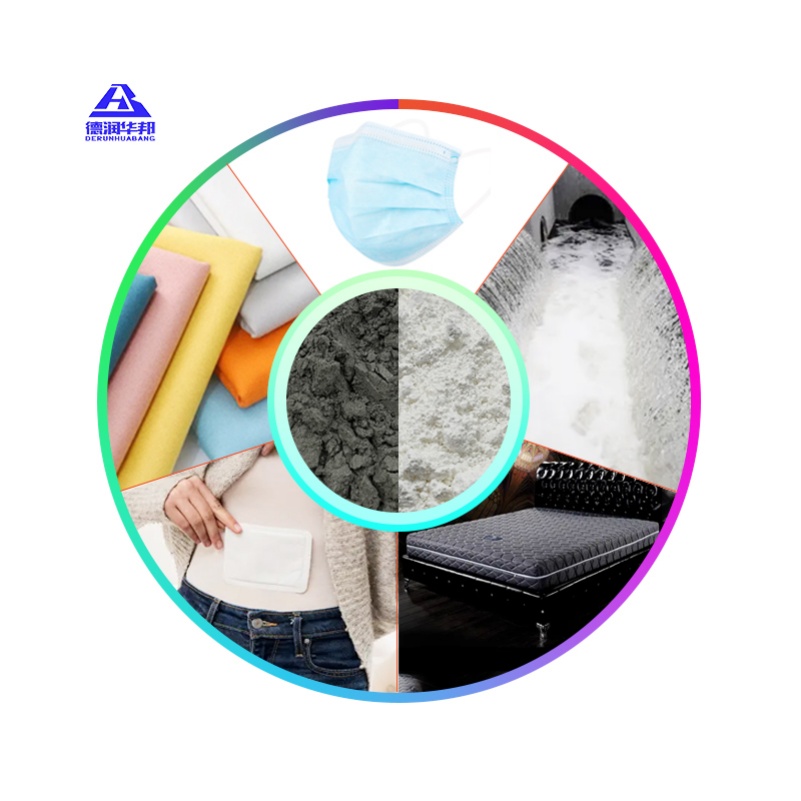
Tourmaline Powder, a naturally occurring crystalline boron silicate mineral, has been steadily gaining traction in the automotive industry due to its remarkable multifaceted functional properties. Comprising a unique combination of trace elements, th...
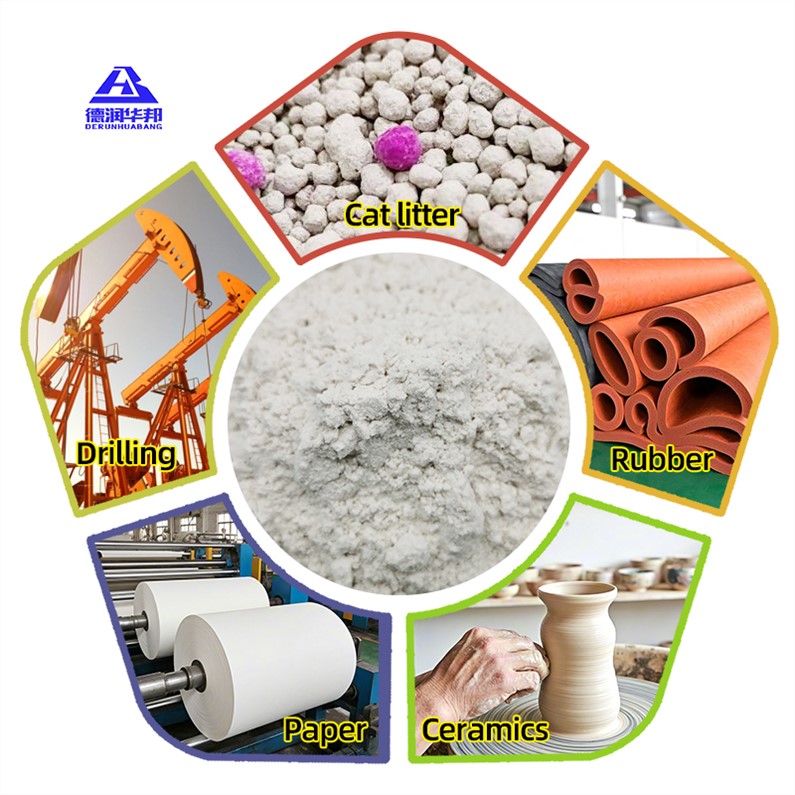
Bentonite powder sourced from Hebei province, China, has emerged as an indispensable material in the foundry industry, serving as a highly effective sand binder. Renowned for its superior binding properties and exceptional thermal stability, Hebei's ...
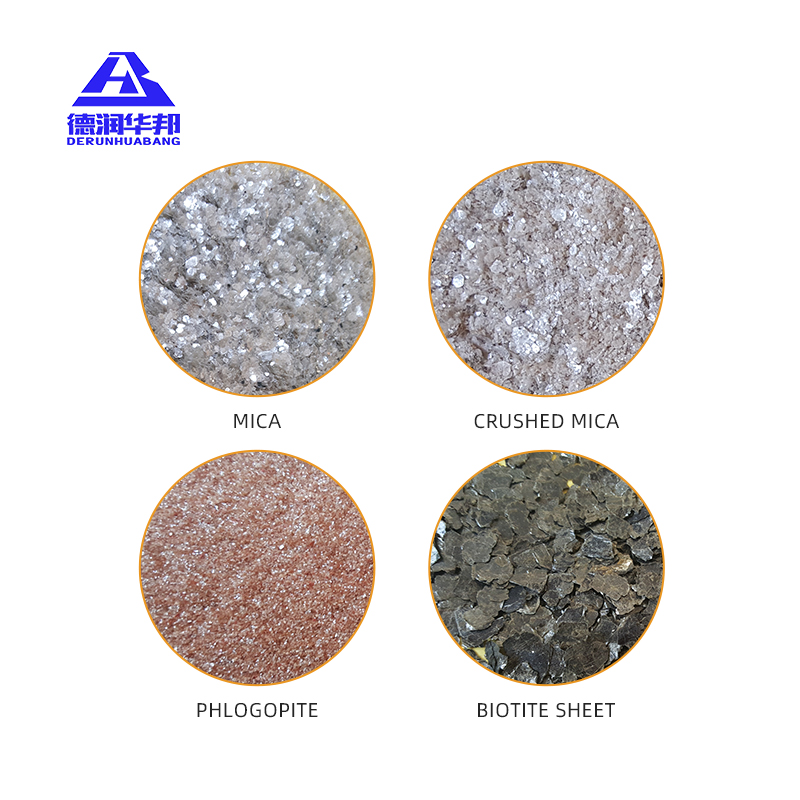
Mica flakes, renowned for their exceptional flexibility, are pivotal electronic insulation components in a vast spectrum of devices. Their versatility makes them indispensable in circuit boards, capacitors, and resistors, ensuring the secure operatio...
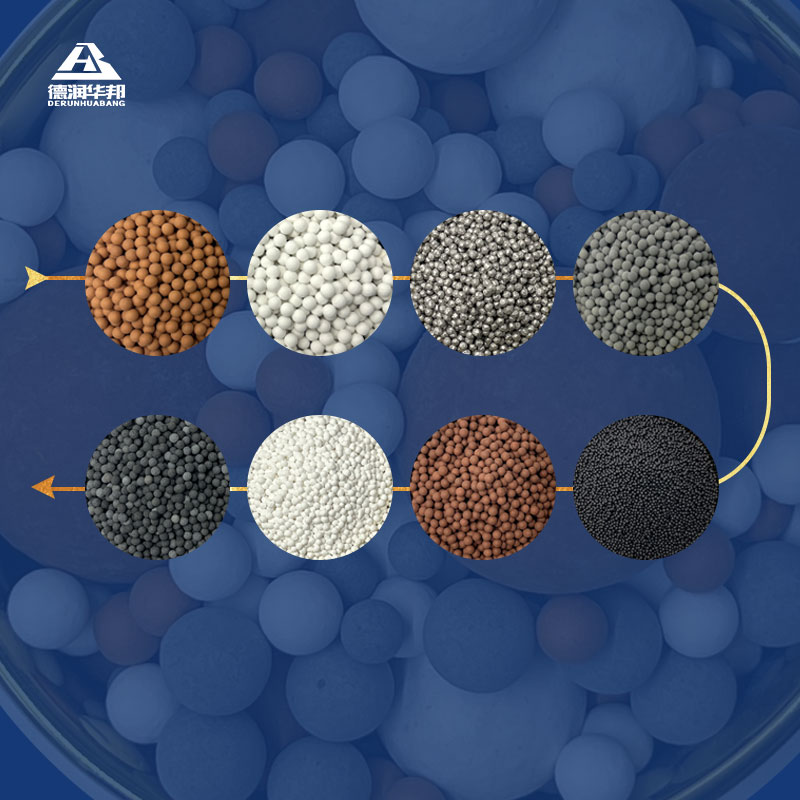
Porous water-purifying ceramic balls sourced from Hebei, China, leverage the province’s distinctive geological and industrial advantages, establishing themselves as robust solutions for industrial wastewater treatment. Hebei's advantageous geog...
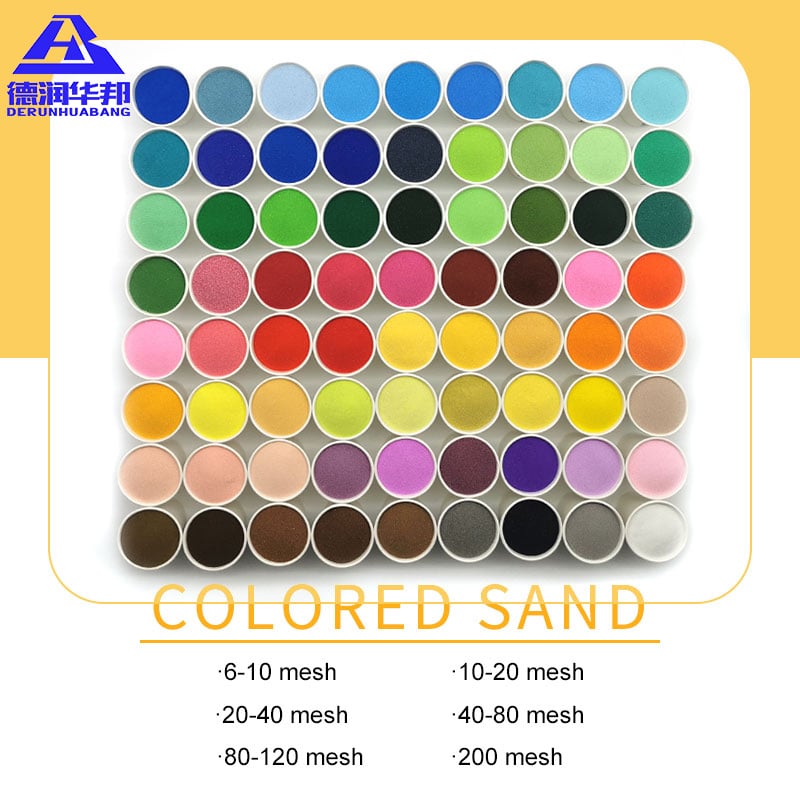
Colored sand from Hebei, China, has emerged as a remarkable material that has piqued the interest of professionals and enthusiasts across numerous industries. Harvested from the rich mineral deposits of the Taihang Mountains, this distinctive sand u...

Polypropylene microfibers, game-changing additives for plaster and mortar, fortify interior and exterior wall finishes, curbing cracks and boosting durability. These ultra-fine fibers uniformly disperse in plaster mixes, forming a resilient network t...


